Snake Plant & Lemon Juice: Why This Viral Trick Can Damage Your Plant (And What to Do Instead)
The truth behind the trend—and safer ways to keep your snake plant thriving
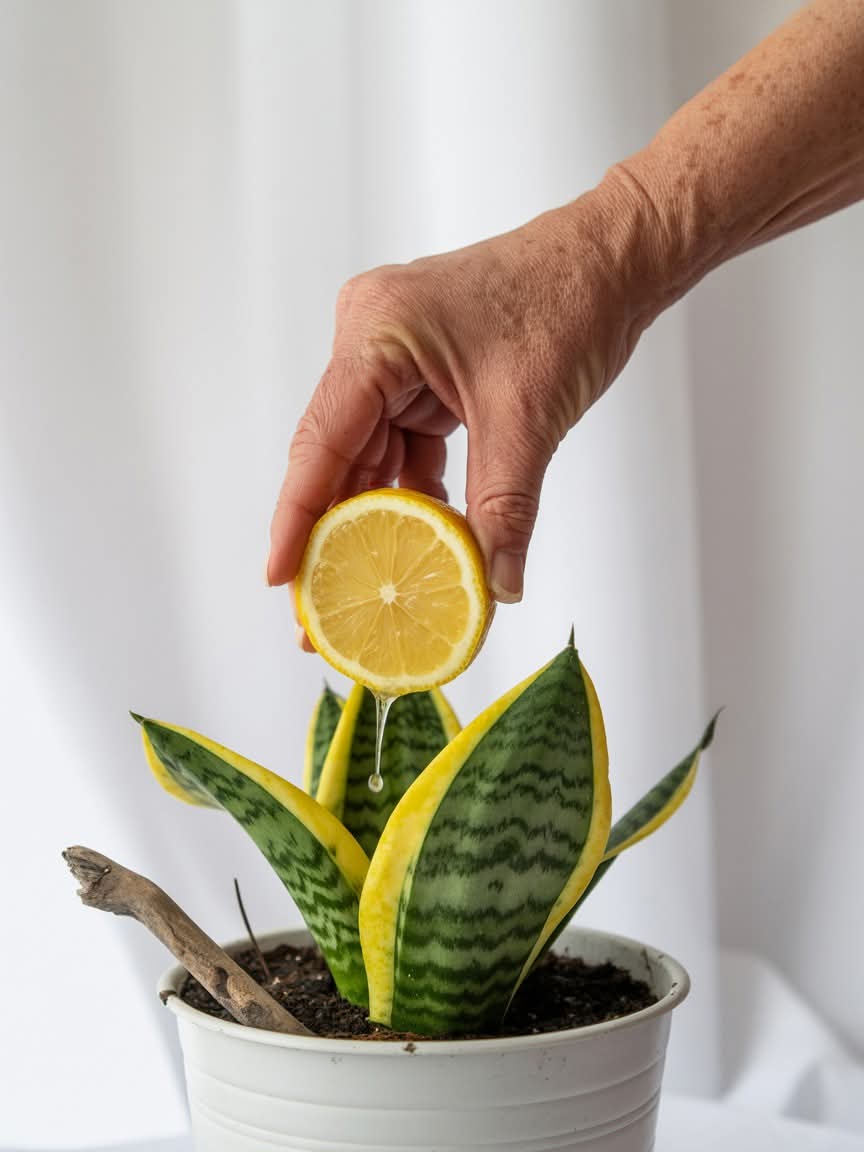
Snake plants are often called unkillable, but even these tough houseplants have limits. Recently, a viral gardening hack has been circulating online claiming that lemon juice can boost snake plant growth, clean leaves, or even “wake up” a struggling plant.
At first glance, it sounds harmless—lemons are natural, right?
Unfortunately, this is one of those viral plant tricks that does more harm than good.
In this long-form, SEO-optimized guide, we’ll break down why lemon juice can damage snake plants, what actually happens inside the soil and roots, the warning signs of damage, and—most importantly—what to do instead if you want a healthier, greener plant.
Where Did the Lemon Juice Snake Plant Trend Come From?
The lemon juice trend started from a mix of:
General “natural gardening” advice
Confusion with outdoor soil acidification
Misapplied hacks for other plants (like blueberries or hydrangeas)
On social media, lemon juice is often promoted as:
A natural fertilizer
A pest deterrent
A leaf cleaner
A soil “booster”
⚠️ The problem: Snake plants are not acid-loving plants.
Why Lemon Juice Is Bad for Snake Plants
Let’s break down the science—because this isn’t opinion, it’s chemistry.
1. Lemon Juice Is Extremely Acidic
Fresh lemon juice has a pH of around 2.
Snake plants prefer soil that is:
Slightly acidic to neutral
Around pH 6.0–7.5
Adding lemon juice:
Rapidly drops soil pH
Disrupts nutrient absorption
Stresses roots
Unlike outdoor garden beds, potted plants cannot buffer sudden pH changes.
2. Acid Burns the Roots
Snake plant roots are thick and adapted to dry conditions. When lemon juice enters the soil, it can:
Burn delicate root tissue
Kill beneficial microbes
Cause root tips to die
This leads to:
Slower growth
Yellowing leaves
Increased risk of rot
Once roots are damaged, recovery is slow.
3. Lemon Juice Encourages Root Rot
This may sound surprising, but acid stress often leads to root rot, not prevention.
Why?
Stressed roots stop absorbing water properly
Excess moisture builds up
Fungal pathogens take advantage
Snake plants hate wet, stressed soil—lemon juice creates exactly that condition.
4. Lemon Juice Can Damage Leaves
Some people rub lemon juice directly on snake plant leaves to “clean” them.
This can cause:
Chemical burns
Pale or bleached spots
Dry, crispy edges
Snake plant leaves have a protective waxy coating. Acid strips this layer away.
Common Signs Lemon Juice Is Hurting Your Snake Plant
If lemon juice has already been used, watch for these symptoms:
Yellow or pale leaves
Brown, crispy leaf tips
Soft or mushy base
No new growth for months
Sour or unpleasant soil smell
🚨 These signs often appear 1–3 weeks after application.
Why Snake Plants Don’t Need Acidic Soil
Snake plants originate from arid regions of Africa, where soil is:
Sandy
Well-draining
Low in organic matter
They evolved to survive with:
Minimal nutrients
Neutral soil
Long dry periods
Trying to “boost” them with acids is unnecessary—and harmful.
The Biggest Myth: “Natural Means Safe”
Lemon juice is natural—but so are:
Vinegar
Salt
Chili oil
That doesn’t make them suitable for houseplants.
In containers, concentration matters more than ingredients.
What to Do If You Already Used Lemon Juice
Don’t panic—snake plants are resilient if you act quickly.
Step-by-Step Recovery Plan
1. Stop using lemon juice immediately
No more acidic treatments.
2. Flush the soil
Use distilled or filtered water
Slowly pour water through the pot
Allow it to drain completely
Repeat once after a few days if needed.
3. Check the roots
If symptoms are severe:
Remove the plant from the pot
Trim black or mushy roots
Repot in fresh, dry soil
4. Reduce watering
Let the soil dry fully between waterings.
Safe Alternatives That Actually Work
If your goal is a healthier snake plant, try these proven methods instead.
1. Proper Light (Most Important Factor)
Snake plants tolerate low light—but grow best in bright, indirect light.
Better light =
Stronger leaves
Faster growth
Better color
2. Correct Watering Schedule
The #1 killer of snake plants is overwatering.
Golden rule:
Water only when the soil is completely dry
In most homes:
Every 2–4 weeks
Less in winter
3. Gentle Fertilizer (2–3 Times Per Year)
Use:
Diluted houseplant fertilizer
Or cactus/succulent fertilizer
Avoid:
High nitrogen
Frequent feeding
4. Dust Leaves with Plain Water
For clean, shiny leaves:
Use a damp microfiber cloth
Or mist lightly with water
No acids. No oils. No shine sprays.
5. Calcium—The Safe Way
If you’re worried about weak leaves:
Use eggshell water
Or very mild compost tea
These provide calcium without lowering pH.
Why Viral Plant Hacks Spread So Fast
Trends like lemon juice spread because:
Results aren’t immediate
Damage appears weeks later
People confuse coincidence with success
By the time problems show up, the hack has already gone viral.
Snake Plants Grow Slowly—And That’s Normal
Many people try lemon juice because they think:
“My snake plant isn’t growing fast enough.”
But snake plants:
Are naturally slow growers
Focus on root health first
Respond best to consistency
There is no liquid shortcut for fast growth.
FAQs About Lemon Juice and Snake Plants
Can diluted lemon juice be safe?
No. Even diluted lemon juice can destabilize soil pH in pots.
What about lemon peels in soil?
Also unsafe. They decompose slowly and increase acidity.
Can lemon juice kill pests?
Indoors, it often damages plants more than pests.
Is vinegar just as bad?
Yes—vinegar is even more acidic and dangerous.
The Bottom Line: Should You Ever Use Lemon Juice on Snake Plants?
❌ No, not in soil
❌ No, not on leaves
❌ No, not diluted
Snake plants thrive on:
Neutral soil
Dry roots
Minimal intervention
Lemon juice disrupts all three.
Final Verdict
The lemon juice snake plant trend is a viral myth, not a plant-care solution. While it may look harmless, it can quietly damage roots, burn leaves, and stall growth.
If you want a strong, upright, healthy snake plant, the real secrets are:
Light
Drainage
Patience
No citrus required 🍋❌
Want Another High-RPM Plant Article?
I can also write:
“The White Liquid People Are Using on Snake Plants (And Why It Works)”
“Coffee Grounds for Snake Plants: Helpful or Harmful?”
“Why Snake Plants Turn Yellow—and How to Fix It”
Just send the next title or topic, and I’ll create another SEO-optimized 2000-word blog post for you 🌿
-

Why Some Homeowners Are Using Onion Water Around Orchids and What Usually Helps More for Strong Roots, Healthy Leaves, and Long-Lasting Blooms
Orchids are among the most elegant indoor flowering plants for homeowners who want graceful stems, glossy green leaves, long-lasting blooms, and a refined decorative display that fits beautifully in living rooms, bedrooms, apartments, home offices, bright kitchens, windowsills, covered patios, commercial interiors, luxury home staging, and premium indoor plant styling. A healthy orchid can turn…
-

Why Some Homeowners Are Pouring Aloe Water Around Orchids and What Usually Helps More for Strong Roots, Healthy Leaves, and Long-Lasting Blooms
Orchids are among the most elegant indoor flowering plants for homeowners who want graceful blooms, sculptural roots, glossy leaves, and a premium decorative display that fits beautifully in living rooms, bedrooms, apartments, home offices, bright kitchens, balcony gardens, covered patios, commercial interiors, luxury home staging, and refined indoor plant styling. A healthy orchid can make…
-
Why Some Homeowners Are Adding Brown Powder Around Snake Plants and What Usually Helps More for Strong Roots, Fuller Growth, and Healthy Indoor Leaves
Snake plant is one of the most dependable indoor plants for homeowners who want strong upright leaves, bold green patterning, yellow-edged variegation, easy maintenance, and a clean decorative display that fits beautifully in living rooms, bedrooms, apartments, home offices, bright kitchens, entry corners, sunny windowsills, plant shelves, commercial interiors, luxury home staging, and premium indoor…