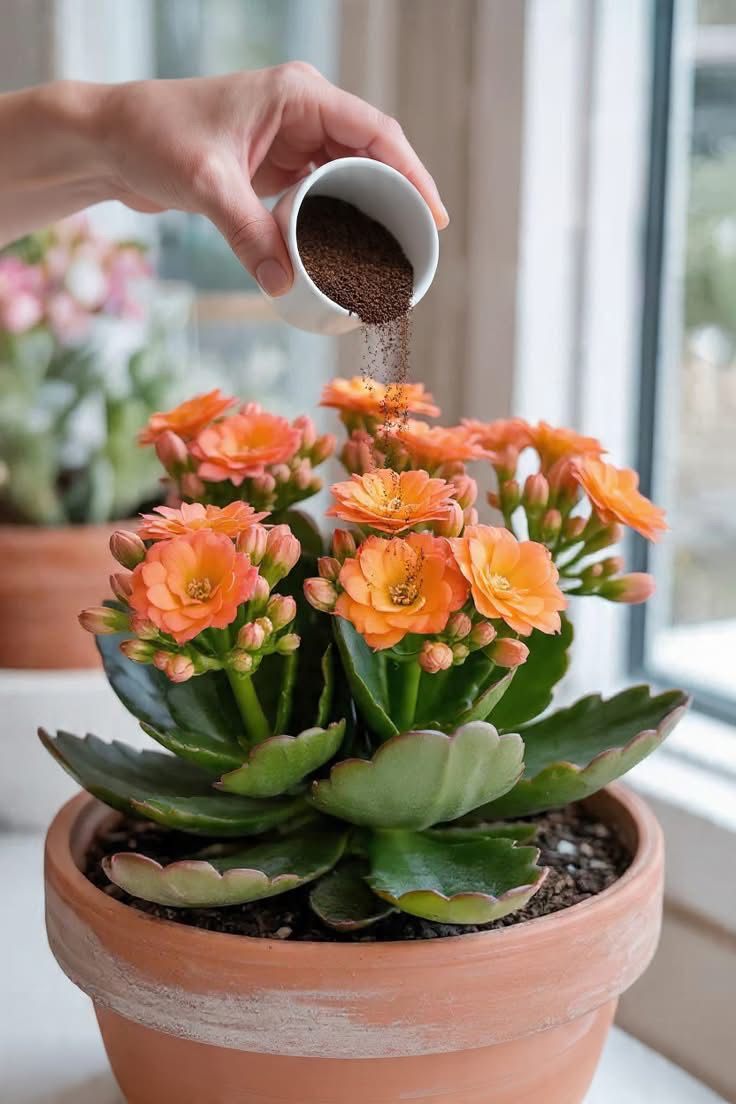
Forget expensive fertilizers—the secret to endless Kalanchoe blooms is simpler than you think. Learn how to use light as your secret weapon for flowers 365 days a year.
Every Kalanchoe owner knows the feeling. You bring home that perfect plant from the garden center, its clusters of tiny flowers bursting in shades of red, pink, orange, or yellow. For weeks, it brightens your windowsill. But eventually, the last petals drop, and you’re left with a perfectly healthy—but distinctly green—succulent. Will it ever bloom again?
The answer is yes. And the secret doesn’t come in a bottle or a bag. The simplest, most effective ingredient for endless Kalanchoe blooms is something you already have access to every single day: light management.
Understanding how to manipulate light is the key that unlocks your Kalanchoe’s blooming potential. Combined with proper care, this “ingredient” can keep your plant flowering nearly year-round. Here’s everything you need to know.
Meet the Kalanchoe: A Succulent with Showman’s Soul
Before we dive into the blooming secrets, let’s get to know our subject. Kalanchoe blossfeldiana, often called Flaming Katy or simply Kalanchoe, is a member of the Crassulaceae family—making it a succulent cousin to jade plants and echeverias . Native to the island of Madagascar, these plants have evolved to store water in their thick, waxy leaves, making them remarkably drought-tolerant and forgiving .
What sets Kalanchoes apart from other succulents is their spectacular flowering habit. The plants produce dense clusters of small, tubular flowers held above the foliage on sturdy stems. Each flower cluster can last for weeks or even months under ideal conditions . Available in scarlet, pink, salmon, yellow, orange, and white, they’ve become one of America’s most popular flowering houseplants .
But here’s the truth that garden centers don’t advertise: those stunning blooms are the result of carefully controlled greenhouse conditions. Growers manipulate light and temperature to force flowering before plants ever reach the store. Once you bring them home, replicating those conditions is up to you .
The Simple Ingredient Revealed: Light as Your Secret Weapon
If there’s one “magic” ingredient for Kalanchoe blooms, it’s light—specifically, the duration of darkness .
Kalanchoes are what botanists call “short-day plants” . This means they initiate flower buds when days are short and nights are long—typically during fall and winter. In their native Madagascar, this natural light cycle triggers blooming just as conditions become favorable for pollination.
Here’s the science: Kalanchoes contain a light-sensitive pigment called phytochrome that measures the duration of darkness. When nights are short (like in summer), the plant focuses on vegetative growth—producing leaves and stems. When nights stretch to 12-14 hours (like in winter), the phytochrome triggers a hormonal cascade that initiates flower bud formation .
This photoperiodic response is so precise that even brief light exposure during the critical dark period can reset the entire process. A 2024 study published in the Indian Journal of Horticulture found that just 60 minutes of “night interruption” lighting could delay flowering by up to 45 days .
The takeaway? By controlling your Kalanchoe’s exposure to light and darkness, you can essentially trick it into blooming on command—any time of year.
The Four Pillars of Kalanchoe Care
Before you can manipulate blooms, you need a healthy plant. Kalanchoes are forgiving, but they thrive when their basic needs are met.
Light: The Foundation of Health
During active growth and blooming, Kalanchoes crave bright, indirect sunlight. A south- or west-facing window is ideal, though an east-facing window can work with supplemental light . Aim for at least 6 hours of bright light daily .
Signs of insufficient light include:
· Leggy, stretched stems reaching toward windows
· Pale, yellowish leaves instead of rich green
· Few or no flowers
Too much direct sun can scorch leaves, so filtered light or a spot a few feet from a sunny window works best .
Water: The Soak-and-Dry Method
As succulents, Kalanchoes store water in their leaves and prefer to dry out between waterings . Follow this simple “soak and dry” method:
- Check soil moisture by inserting your finger about 1-2 inches deep
- Water only when the top few inches feel completely dry
- Water thoroughly until it runs from the drainage holes
- Empty the saucer after 15 minutes—never let the pot sit in water
During active growth (spring through fall), this typically means watering every 1-2 weeks . In winter dormancy, reduce to once monthly or even less .
Soil: Drainage is Everything
Kalanchoes absolutely require well-draining soil. Standard potting mix holds too much moisture and invites root rot. Instead, use:
· A commercial cactus or succulent mix, or
· A homemade blend of 60% peat moss and 40% perlite , or
· A mix of potting soil and cactus mix in equal parts
Always choose pots with drainage holes—this is non-negotiable .
Temperature: Cool for Blooms
Kalanchoes prefer moderate temperatures. For longest bloom life, aim for:
· Daytime: 65-75°F (18-24°C)
· Nighttime: 50-60°F (10-15°C)
This slight nighttime drop mimics their natural habitat and encourages flowering. Protect plants from temperatures below 50°F and from cold drafts .
The Simple Ingredient in Action: How to Force Blooms
Now for the heart of the method. Once you understand light as your ingredient, you can use it to produce flowers on demand.
The Basic Reblooming Protocol
After your Kalanchoe finishes flowering, follow these steps:
Step 1: Rest and Recovery (4-6 weeks)
· Cut off all spent flower stalks
· Reduce watering—allow soil to dry completely between waterings
· Stop fertilizing
· Keep in bright light but reduce intensity slightly
· Maintain cool temperatures (50-60°F nights)
Step 2: The Darkness Treatment (6-8 weeks)
This is where the magic happens. To trigger new buds:
· Provide 12-14 hours of COMPLETE darkness every night
· During darkness, ensure no light exposure—not even brief flashes from lamps or streetlights
· During the day, provide 10-12 hours of bright, indirect light
· Maintain temperatures around 60°F at night, 70°F during the day
· Continue reduced watering
How to achieve darkness:
· Move the plant to a closet or dark room each evening
· Cover with a large cardboard box or light-proof cloth
· Use a dark basement with no ambient light
Step 3: Bud Formation and Bloom
After 6-8 weeks of this treatment, tiny flower buds should appear at branch tips . Once you see buds:
· Return to normal light (bright, indirect)
· Resume regular watering
· Begin fertilizing again
· Watch your plant burst into color!
The New York Botanical Garden notes that starting this treatment in early September (covering plants from 6 PM to 7 AM nightly) can produce blooms in time for the winter holidays .
Why Timing Matters
The duration of darkness directly affects flowering. Research confirms that Kalanchoes need this extended dark period to initiate buds . Once buds form, however, the plant can return to normal light—the buds will continue developing and opening.
For year-round blooms, you can cycle plants through this treatment sequentially. While one plant blooms, another rests in darkness preparation. With multiple plants, you can maintain continuous color.
Feeding Your Kalanchoe for Spectacular Flowers
While light is the primary trigger, proper nutrition ensures those flowers are abundant and vibrant.
The Right Fertilizer Formula
Kalanchoes have specific nutrient needs:
· Phosphorus (P) promotes flower formation and is crucial for blooming
· Potassium (K) supports overall plant health and bloom longevity
· Nitrogen (N) supports leaf growth but should be balanced—too much creates lush leaves at the expense of flowers
Look for fertilizers with a higher middle number (phosphorus), such as:
· 5-10-5 formulations
· 0-10-10 during fall preparation
· Balanced 20-20-20 during active growth, diluted to half strength
Fertilizing Schedule
· Spring through early fall (active growth): Apply a balanced, water-soluble fertilizer at half-strength every 2-4 weeks
· Fall (bud initiation): Switch to a phosphorus-heavy formula to support flowering
· Winter (dormancy): Stop fertilizing completely
Application Tips
· Always dilute fertilizer according to package instructions—more is definitely not better
· Apply to moist soil, never dry soil, to prevent root burn
· Water thoroughly after application to distribute nutrients
· Watch for signs of over-fertilization: leaf discoloration, white crust on soil, or halted growth
If you see these signs, flush the soil thoroughly with clean water and pause fertilization for several weeks .
Pruning and Maintenance for Maximum Blooms
Proper pruning shapes your plant and encourages more flowers.
Deadheading Spent Blooms
As flowers fade, remove them promptly. Cut the entire flower stalk back to the first set of healthy leaves . This redirects the plant’s energy from sustaining dead blooms to producing new growth and future flowers .
Shaping and Pruning
After the main bloom cycle, prune more extensively:
· Remove leggy or stretched stems
· Cut back overgrown branches to maintain compact shape
· Trim just above a pair of leaves to encourage bushier growth
· Never remove more than one-third of the plant at once
The Royal Horticultural Society-trained expert Peter Lickorish recommends pruning twice yearly: a harder prune after spring flowering, and a lighter prune in late summer after any reblooming .
Propagation from Prunings
Those healthy trimmings don’t need to go to waste. Kalanchoes propagate easily from stem cuttings :
- Take 2-3 inch cuttings with at least two pairs of leaves
- Remove lower leaves to prevent rot
- Allow cuttings to dry for a few days until cut ends callus
- Insert into well-draining soil mix
- Mist lightly and cover with plastic to maintain humidity
- Roots typically develop in 10-14 days
Troubleshooting: Why Your Kalanchoe Won’t Bloom
Even with the best care, sometimes plants refuse to cooperate. Here are common issues and solutions.
Problem: No Flowers After Darkness Treatment
Possible causes:
· Light leak during dark period—even brief exposure resets the process
· Treatment duration too short—needs full 6-8 weeks
· Temperatures too warm—nights should be cool (50-60°F)
Problem: Leggy, Stretched Growth
Cause: Insufficient light
Solution: Move to brighter location, prune back leggy stems, and consider supplemental grow lights
Problem: Yellowing or Drooping Leaves
Possible causes:
· Overwatering (most common)
· Root rot from poor drainage
· Underwatering (less common)
Solution: Check soil moisture, ensure drainage, and adjust watering schedule. For suspected root rot, repot in fresh, dry soil after trimming affected roots.
Problem: Leaves Dropping
Possible causes:
· Temperature stress (too cold or too hot)
· Drafts or sudden environmental changes
· Natural dormancy (some leaf drop is normal)
Problem: Pests
Common pests include mealybugs (white fuzzy spots), aphids, and scale .
Solutions:
· Wipe mealybugs with rubbing alcohol on cotton swab
· Spray aphids with strong water stream or insecticidal soap
· Regularly inspect new growth and leaf undersides
A Year-Round Kalanchoe Care Schedule
Here’s a complete seasonal guide to keep your Kalanchoe thriving and blooming.
Season Light Watering Fertilizing Key Tasks
Spring Bright, indirect Regular (soil dry between) Begin half-strength balanced fertilizer every 3-4 weeks Prune after blooming; repot if needed; propagate from cuttings
Summer Bright, indirect; protect from scorching Regular; more frequent in heat Continue monthly feeding Move outdoors to filtered shade if desired; monitor for pests
Early Fall Begin darkness treatment (14 hours nightly) Reduce slightly Switch to phosphorus-heavy formula Cover plants nightly for 6-8 weeks to induce buds
Late Fall Return to bright light once buds appear Regular when buds form Stop fertilizing as plants prepare for rest Enjoy winter blooms!
Winter Bright light for blooming plants Reduced (every 3-4 weeks) None Protect from cold; let resting plants recover
A Note on Pet Safety
Kalanchoes contain compounds called bufadienolide cardiac glycosides, which are toxic to cats and dogs if ingested . Symptoms of ingestion include vomiting, diarrhea, lethargy, excessive drooling, and in severe cases, abnormal heart rhythm .
Keep plants out of reach of curious pets, and contact your veterinarian immediately if you suspect ingestion . The ASPCA Animal Poison Control Center is also an excellent resource.
Conclusion: Your Simple Ingredient, Endless Blooms
The quest for constant Kalanchoe flowers doesn’t require complicated chemistry or expensive products. The simplest ingredient—light—holds the key. By understanding how this remarkable plant responds to day length, you can orchestrate bloom cycles that continue year after year.
Combine this light manipulation with proper watering, well-draining soil, strategic fertilization, and regular pruning, and your Kalanchoe will reward you with far more than a single season of color. Those clusters of tiny flowers can become a permanent feature of your indoor garden.
The next time your Kalanchoe finishes blooming, don’t despair. Remember the simple ingredient. Give it darkness, give it time, and watch the magic happen all over again.
Frequently Asked Questions
Q: How often will my Kalanchoe bloom naturally?
A: In typical home conditions, Kalanchoes naturally bloom once yearly, usually in late winter to early spring . With light manipulation, you can achieve two or even three bloom cycles annually.
Q: Can I use grow lights for the darkness treatment?
A: No—the darkness treatment requires complete absence of light. However, grow lights work wonderfully for the bright-light periods between darkness treatments .
Q: Should I deadhead Kalanchoe flowers?
A: Yes! Removing spent flower stalks directs energy to new growth and future blooms .
Q: What’s the best soil for Kalanchoes?
A: Use a well-draining cactus or succulent mix. Avoid heavy potting soils that retain moisture .
Q: How do I know if I’m overwatering?
A: Signs include yellowing leaves, drooping stems, and soil that stays wet for extended periods. Always check soil moisture before watering .
Q: Can Kalanchoes grow outdoors?
A: In USDA zones 10-12, yes—they can grow outdoors year-round . In colder regions, they thrive as outdoor container plants in summer but must come indoors before frost .
More Ideas You Might Like
-

Why Some Homeowners Are Using Onion Water Around Orchids and What Usually Helps More for Strong Roots, Healthy Leaves, and Long-Lasting Blooms
Orchids are among the most elegant indoor flowering plants for homeowners who want graceful stems, glossy green leaves, long-lasting blooms, and a refined decorative display that fits beautifully in living rooms, bedrooms, apartments, home offices, bright kitchens, windowsills, covered patios, commercial interiors, luxury home staging, and premium indoor plant styling. A healthy orchid can turn…
-

Why Some Homeowners Are Pouring Aloe Water Around Orchids and What Usually Helps More for Strong Roots, Healthy Leaves, and Long-Lasting Blooms
Orchids are among the most elegant indoor flowering plants for homeowners who want graceful blooms, sculptural roots, glossy leaves, and a premium decorative display that fits beautifully in living rooms, bedrooms, apartments, home offices, bright kitchens, balcony gardens, covered patios, commercial interiors, luxury home staging, and refined indoor plant styling. A healthy orchid can make…
-
Why Some Homeowners Are Adding Brown Powder Around Snake Plants and What Usually Helps More for Strong Roots, Fuller Growth, and Healthy Indoor Leaves
Snake plant is one of the most dependable indoor plants for homeowners who want strong upright leaves, bold green patterning, yellow-edged variegation, easy maintenance, and a clean decorative display that fits beautifully in living rooms, bedrooms, apartments, home offices, bright kitchens, entry corners, sunny windowsills, plant shelves, commercial interiors, luxury home staging, and premium indoor…