Meta Description:
Yes, snake plants can bloom – but it’s rare indoors. Learn the secrets to triggering those small, fragrant flowers: bright light, root‑bound pots, limited water, and patience. No hype, just the truth.
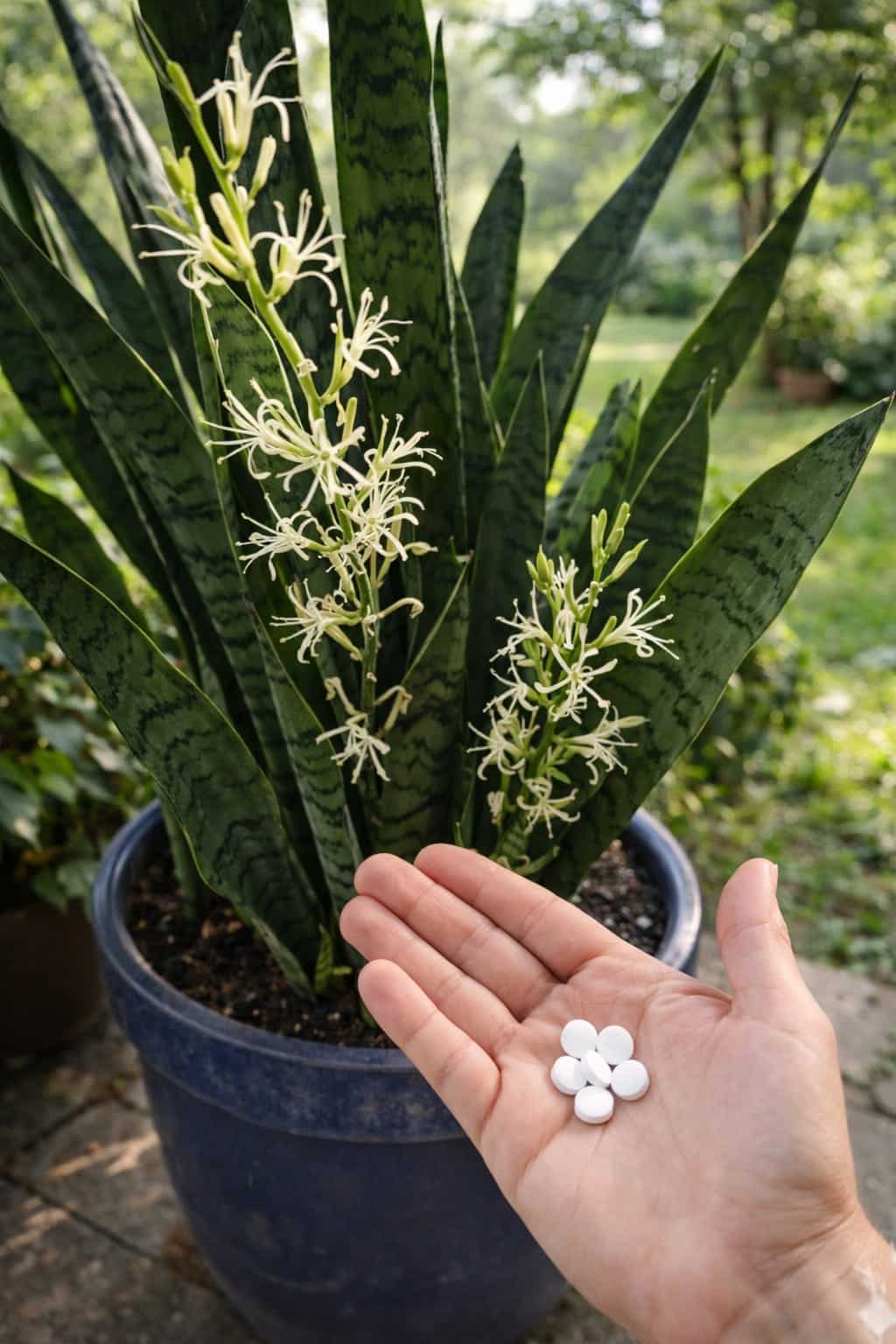
Let’s be honest: snake plants (Sansevieria, now Dracaena) are famous for being nearly indestructible. They survive low light, infrequent watering, and general neglect. But what many people don’t realize is that under the right conditions, these tough succulents can produce small, fragrant, greenish‑white flowers on a tall stalk. It’s rare – especially indoors – but when it happens, it’s a delightful surprise.
So why do most snake plants never bloom? And what can you do to encourage those elusive flowers?
In this guide, I’ll give you an honest, science‑backed look at what triggers snake plant blooms. You’ll learn the real secret – controlled stress – and exactly how to create the right conditions without harming your plant. Plus, you’ll get a realistic timeline, common mistakes to avoid, and answers to all your questions.
Let’s uncover the truth about snake plant flowers.
Do Snake Plants Really Bloom? Yes – But It’s Rare
Snake plants (Sansevieria trifasciata and related species) are capable of flowering. In their native habitat of West Africa, they bloom seasonally, producing tall stalks covered in small, fragrant, greenish‑white or cream‑colored flowers. The blooms are usually clustered, tubular, and have a sweet, jasmine‑like scent, especially noticeable at night.
However, indoors, only a small percentage of snake plants will ever flower. Why? Because the conditions inside our homes rarely match the plant’s natural triggers. But with the right care – and a little patience – you can tilt the odds in your favor.
The Real Secret: Controlled Stress (Not Neglect)
The key to triggering snake plant blooms is mild, controlled stress. In nature, when a snake plant experiences a period of drought, cooler temperatures, or crowded roots, it shifts into “survival mode” and produces flowers to reproduce before conditions become worse. It’s not a sign that the plant is dying – it’s a sign that it’s mature and responding to environmental cues.
However, there’s a fine line between “healthy stress” and actual harm. You want to push the plant just enough – not so much that it weakens or dies.
The Right Kind of Stress:
· Staying in the same place – stability, not constant moving.
· Roots slightly crowded – not repotting too often.
· Limited water – letting the soil dry out completely between waterings.
· Bright light – not dark corners.
Let’s break down each factor.
- Light Is Everything – Bright, Indirect Light
Snake plants are often marketed as “low‑light” plants. They will survive in dark corners, but they will not bloom there. To flower, they need bright, indirect light for several hours daily.
Light Level Bloom Potential
Low light (north window, dark corner) Almost zero chance of blooming
Medium light (few feet from east/west window) Rare, but possible
Bright, indirect light (right by east/west window) Best chance – regular blooms possible
Direct afternoon sun Leaf scorch – no blooms
Pro tip: If your snake plant has been in a dark corner for years, move it gradually to brighter light over a few weeks to avoid shock. A few hours of gentle morning sun is excellent.
- Keep It Slightly Root‑Bound – Don’t Repot Too Often
Snake plants bloom more when they feel crowded. When roots fill the pot, the plant senses that space is running out and shifts energy toward reproduction (flowering) rather than leaf growth.
· Do not repot every year. Repot only every 2–3 years, or when roots are visibly growing out of the drainage holes.
· Choose a snug pot. When you do repot, go up only 1–2 inches in diameter. A pot that’s too large encourages root growth, not blooms.
Pro tip: If your snake plant is producing plenty of pups (offsets) but no flowers, it may not be root‑bound enough. Let it fill the pot before considering repotting.
- Water Less, Not More – Let the Soil Dry Completely
Overwatering is the #1 killer of snake plants – and it also prevents flowering. Snake plants are succulents; they store water in their thick leaves and roots. To trigger blooms, you need to let the soil dry out completely between waterings.
Watering Guideline For Bloom Encouragement
When to water Only when the soil is bone dry all the way through. Stick your finger 2–3 inches into the soil – if dry, water; if damp, wait.
How often In bright light: every 2–3 weeks. In lower light: every 4–6 weeks.
Drought stress Allowing the plant to experience mild thirst signals it to bloom.
Caution: Do not let the leaves become severely wrinkled or shriveled – that’s too much stress. The goal is slight, not extreme, drought.
Continue to Page 2
Continue to page 2 for more details about this article and the key points many readers miss on the first page.