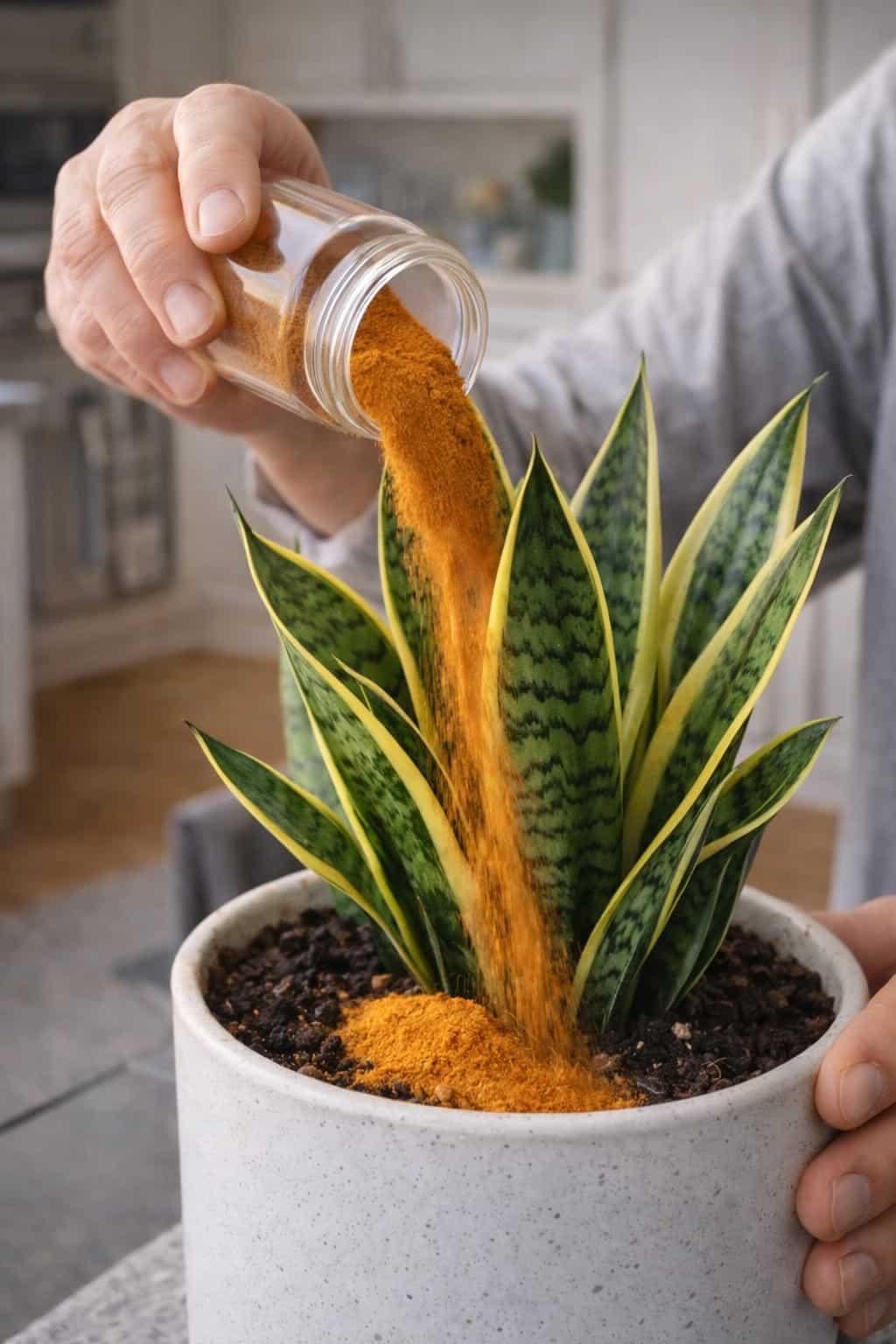
Want a stunning spiral snake plant? Learn how to gently train your Sansevieria into a spiral or circular shape. Step‑by‑step guide, tips, and common mistakes to avoid.
Let’s be honest: snake plants (Sansevieria, now Dracaena) are already one of the most stylish houseplants you can own. Their upright leaves, bold structure, and low‑maintenance nature make them perfect for almost any room. But every now and then, you’ll see one that looks completely different – twisted into a spiral or arranged in a perfect circular form – and it instantly grabs attention.
It looks too sculpted to be natural, and that is because it usually is. A spiral snake plant is not a special species. It is a normal snake plant that has been gently trained over time. The good news is that this look is possible at home if you start the right way and stay patient. The process is less about forcing the plant and more about guiding its growth while keeping it healthy.
In this complete guide, I’ll walk you through exactly how to shape your snake plant into a spiral or circular form. You’ll learn which plants work best, what materials you need, how to train gradually, and how to avoid common mistakes. No special hybrids required – just a little time and care.
Why People Shape Snake Plants
A spiral or circular snake plant works almost like living décor. It turns a simple houseplant into a statement piece and adds a more artistic, modern feel to a room. The appeal is not just the unusual look. Snake plants are also durable, so they tolerate the slow shaping process better than many softer, fussier houseplants. That combination – easy care plus dramatic style – is exactly why shaped snake plants have become so popular.
Whether you want a tight corkscrew effect or a gentle circular fan, training your snake plant gives you a one‑of‑a‑kind plant that reflects your patience and creativity.
Start with the Right Plant – This Is Crucial
This is the part most people get wrong first. If you try to bend an older, stiff snake plant, the leaves can crack or crease. A younger plant with fresh, flexible growth is a much better starting point.
Plant Age Suitability for Shaping
Young (pups or small plants, under 1 year) Ideal – leaves are soft, flexible, and easy to train.
Mature (2+ years, thick, rigid leaves) Difficult – leaves are stiff and prone to snapping.
Newly propagated cuttings Good – they start flexible, but you must wait for roots.
What to look for:
· Leaves that are still thin and pliable.
· A plant that is actively growing (spring or early summer is best).
· No signs of stress or disease.
If your plant is already large and rigid, you will likely get better results by starting with a new young plant instead of trying to reshape an established one. You can purchase small snake plants or propagate your own from leaf cuttings.
Two Main Shaping Methods
There are two primary ways to create the spiral or circular look.
Method 1: True Training (Single Plant Spiral)
In this method, you guide the same plant around a support, such as a tube, stake, or cylindrical object, and gradually secure the leaves as they grow. This creates a real spiral effect on the original plant.
Best for: A dramatic, continuous spiral look on one plant.
Method 2: Circular Cluster (Multiple Plants)
This is more of a visual trick: planting multiple smaller snake plants in a circular arrangement so they create the illusion of a spiral from above. As they grow, they fill in the circle.
Best for: A fuller, bushier look that still has circular symmetry.
Both methods work, but true training (Method 1) is the better choice if you want the shape to develop on one single plant. This guide focuses on Method 1.
What You’ll Need – Materials and Tools
Item Purpose
Young snake plant Flexible leaves that can be trained.
Cylindrical support (bottle, PVC pipe, sturdy tube, or even a rolled‑up cardboard tube) Central form to wrap leaves around.
Soft plant ties (velcro tape, garden twist ties, or soft cotton string) Secure leaves without cutting or damaging them.
Well‑draining potting mix (cactus/succulent mix + perlite) Keeps roots healthy during training.
Pot with drainage holes Prevents waterlogging.
Bright, indirect light Promotes steady, healthy growth.
Optional: A clear plastic bottle or a wire frame for more complex shapes.
Continue to Page 2
Continue to page 2 for more details about this article and the key points many readers miss on the first page.