🌿 How to Encourage Snake Plant Pups with Simple Sunlight
Want more baby snake plants without fertilizer tricks or complicated hacks? The secret might be simpler than you think… ☀️👇
Snake plants, also known as Sansevieria trifasciata, are famous for being low-maintenance and tough. But if your plant looks healthy yet refuses to produce pups (baby plants), the issue is often light — not water, not fertilizer.
Let’s break it down.
🌞 Why Sunlight Is the Key to More Snake Plant Pups
Snake plants can survive in low light…
But they only thrive and multiply in brighter conditions.
When given proper light:
The plant produces more energy through photosynthesis
Roots grow stronger and thicker
Rhizomes (underground stems) develop faster
New pups push up from the soil
Low light = survival mode
Bright indirect light = growth mode
☀️ What Type of Sunlight Works Best?
✅ Best Light for Pups:
Bright indirect sunlight
Near an east-facing window
Near a south window with sheer curtain
4–6 hours of filtered light daily
⚠️ Avoid:
Harsh midday direct sun (can scorch leaves)
Dark corners far from windows
If your snake plant is in a dim hallway or bathroom, it may stay alive — but it likely won’t produce babies.
🌱 Simple Sunlight Trick to Trigger Pups
Here’s what you can do starting today:
1️⃣ Gradual Light Upgrade
Move your plant closer to a bright window slowly over 7–10 days.
Sudden full sun exposure can shock the leaves.
2️⃣ Rotate the Pot Weekly
Turn the pot a quarter turn each week.
This keeps growth balanced and encourages even energy distribution.
3️⃣ Let Soil Dry Between Watering
More light = faster drying soil.
Never keep it constantly wet.
Snake plants produce pups best when:
Roots feel slightly snug in the pot
Soil dries completely before next watering
Light is consistent daily
🌿 Signs Your Snake Plant Is Ready to Produce Pups
Upright, firm leaves
Deep green color
Slight bulging at soil surface
Strong root system
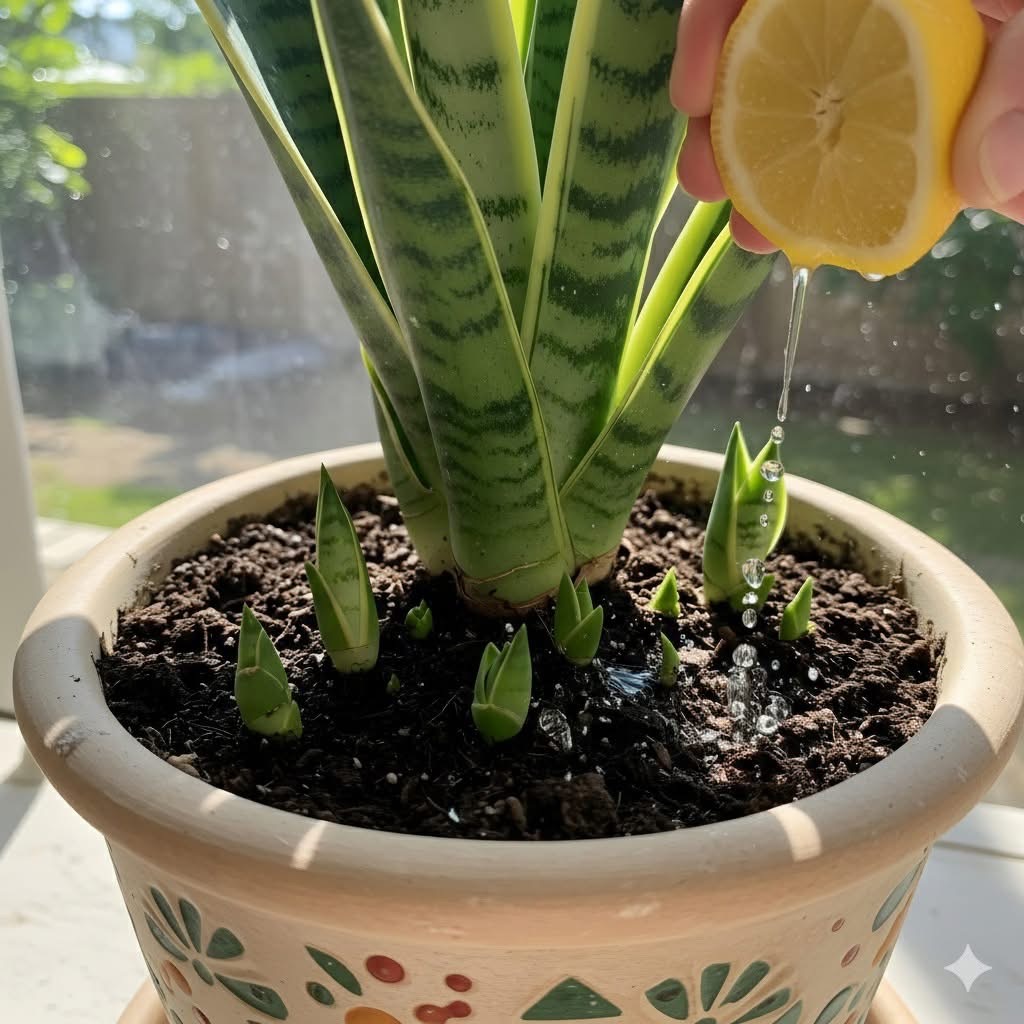
After improving sunlight, you may notice tiny spikes emerging from the soil in 3–6 weeks.
💡 Extra Tip: Don’t Overfertilize
Many people think fertilizer equals more babies.
Wrong.
Too much fertilizer causes:
Soft leaves
Root burn
Delayed pup production
Light is far more important than feeding.
🌱 Final Thoughts
If your snake plant isn’t giving you pups, check the light first.
Sometimes the simplest solution — sunlight ☀️ — is the most powerful.
👇🏻👇🏻👇🏻
See more detailed steps and bonus growth tips in the comments!
-

Why Some Homeowners Are Using Onion Water Around Orchids and What Usually Helps More for Strong Roots, Healthy Leaves, and Long-Lasting Blooms
Orchids are among the most elegant indoor flowering plants for homeowners who want graceful stems, glossy green leaves, long-lasting blooms, and a refined decorative display that fits beautifully in living rooms, bedrooms, apartments, home offices, bright kitchens, windowsills, covered patios, commercial interiors, luxury home staging, and premium indoor plant styling. A healthy orchid can turn…
-

Why Some Homeowners Are Pouring Aloe Water Around Orchids and What Usually Helps More for Strong Roots, Healthy Leaves, and Long-Lasting Blooms
Orchids are among the most elegant indoor flowering plants for homeowners who want graceful blooms, sculptural roots, glossy leaves, and a premium decorative display that fits beautifully in living rooms, bedrooms, apartments, home offices, bright kitchens, balcony gardens, covered patios, commercial interiors, luxury home staging, and refined indoor plant styling. A healthy orchid can make…
-
Why Some Homeowners Are Adding Brown Powder Around Snake Plants and What Usually Helps More for Strong Roots, Fuller Growth, and Healthy Indoor Leaves
Snake plant is one of the most dependable indoor plants for homeowners who want strong upright leaves, bold green patterning, yellow-edged variegation, easy maintenance, and a clean decorative display that fits beautifully in living rooms, bedrooms, apartments, home offices, bright kitchens, entry corners, sunny windowsills, plant shelves, commercial interiors, luxury home staging, and premium indoor…