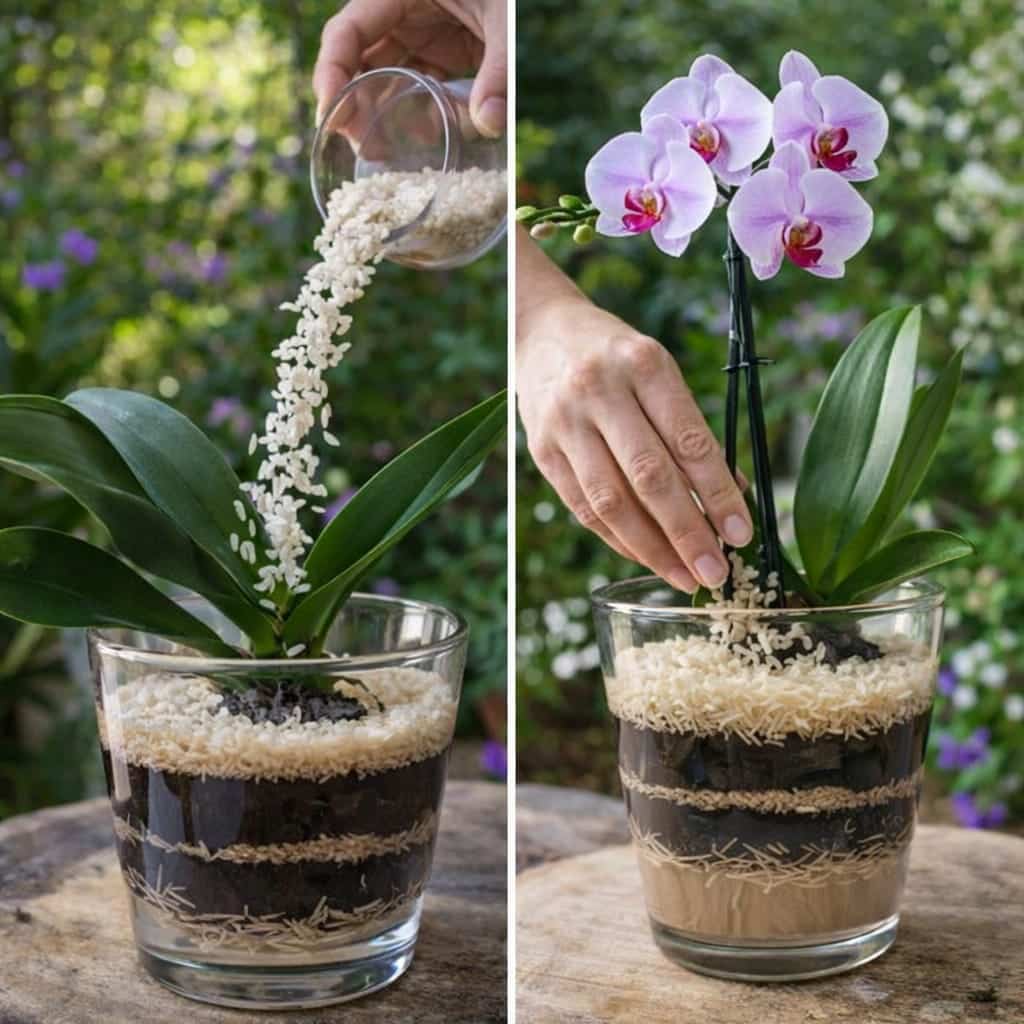
Are your African violets all leaves and no flowers? Learn the secrets to abundant blooms – bright indirect light, proper watering, small pots, and gentle feeding. Transform shy violets into non‑stop bloomers.
Let’s be honest: African violets (Saintpaulia) have a way of making any room feel brighter, softer, and more alive. Their velvety leaves and colorful blooms make them one of the most loved indoor plants, but many people run into the same problem: the plant stays green, yet the flowers never really come. The good news is that African violets are not difficult once you understand what they need. With the right light, watering routine, humidity, and feeding, they can bloom far more often than most people expect.
In this complete guide, I’ll walk you through every factor that influences African violet blooms – from light and temperature to watering, feeding, soil, and grooming. No magic tricks, just proven care.
Why African Violets Stop Blooming (Even When They Look Healthy)
Most African violets stop blooming because one or two basic needs are slightly off. The plant may still look alive and green, but blooming takes more energy than simply holding leaves. Even a healthy‑looking plant may refuse to bloom if conditions are not quite right.
Problem Effect
Not enough light Leaves stay dark green, but no flower buds form.
Inconsistent watering Stress causes bud drop or no blooms.
Oversized pot Plant focuses on root growth instead of flowers.
Dry air Buds fail to develop; leaf edges brown.
Too much fertilizer Leafy growth at the expense of flowers.
Old, compacted soil Roots struggle to absorb nutrients.
The key is not to look for one miracle trick. It is to create the kind of steady environment African violets love. Let’s tackle each factor one by one.
- Light – The First Secret to Blooms
African violets thrive in bright, indirect sunlight. Too much direct sun can bleach or scorch the leaves, while too little light usually means very few flowers.
Light Level Effect on African Violet
Low light (north window, dark corner) Leaves become dark green and thin; no blooms.
Bright, indirect light (east or north‑east window) Ideal – vibrant leaves, regular blooms.
Filtered south or west light (with sheer curtain) Good – but avoid harsh afternoon rays.
Direct sun Leaf scorch – brown patches, bleached spots.
Pro tips for light:
· An east‑facing window is often perfect – gentle morning sun, bright indirect light the rest of the day.
· If you only have a south or west window, use a sheer curtain to filter the light.
· Rotate the pot a quarter turn every week so all sides receive light evenly. This prevents the plant from leaning and encourages symmetrical growth.
· Grow lights: If your home does not have a good natural spot, grow lights work very well. Many growers keep them under lights for around 12 to 14 hours a day to encourage steady growth and flowering.
- Temperature – Stability Matters
Temperature matters more than people think. African violets do best when daytime temperatures stay around 70–80°F (21–27°C), with slightly cooler nights near 65°F (18°C).
Temperature Factor Effect
Sudden changes Cold drafts, open windows, or heating vents can stress the plant and slow blooming.
Too hot (above 85°F) Leaves may become soft and flowers fade quickly.
Too cold (below 60°F) Growth slows, blooms stop.
What to do: Keep your African violet away from drafty windows, air conditioning vents, and radiators. Stable warmth helps the plant stay active and keeps its growing cycle consistent.
- Humidity – The Overlooked Factor
Because African violets come from humid environments, they usually perform best when humidity stays around 50–60%. In dry homes, especially in winter, this can make a big difference.
Humidity Level Effect
Below 40% Brown leaf edges, slow growth, no blooms.
40–50% Acceptable, but not ideal.
50–60% Ideal – lush leaves, abundant blooms.
How to increase humidity:
· Group plants together – they create a humid microclimate.
· Use a pebble tray – place the pot on a tray of water and pebbles (pot sits on pebbles, not in water).
· Run a small humidifier nearby.
· Mist lightly in the morning (avoid getting water on flowers or fuzzy leaves).
- Watering – Where Many Go Wrong
African violets dislike both soggy roots and dry neglect. A simple rule is to water only when the top inch of soil feels dry.
Watering Guideline Details
When to water Stick your finger into the soil – if the top inch is dry, water; if damp, wait.
How to water Bottom‑watering is often the safest method because it lets the roots absorb what they need without splashing water on the leaves, which can cause spots or rot. Set the pot in a saucer of water for 20–30 minutes, then remove it so the soil does not stay overly wet.
Water temperature Use room‑temperature water. Cold water shocks roots.
Signs of overwatering Yellowing leaves, mushy stems, root rot.
Signs of underwatering Wilting, dry crispy leaf edges.
Pro tip: Use filtered or distilled water if your tap water is hard. African violets are sensitive to chlorine and fluoride.
- Fertilizer – Feed for Flowers, Not Just Leaves
If you want more flowers, feeding matters too. A high‑phosphorus fertilizer (e.g., 15-30-15 or 7-9-5) is commonly recommended because phosphorus supports blooming better than nitrogen‑heavy formulas, which can push the plant toward leafy growth instead of flowers.
Fertilizer Guideline Details
When to fertilize Spring and summer (active growing season).
How often Every 4–6 weeks.
Dilution Use at half strength – less is more.
Urea‑free African violets are sensitive to urea; choose a urea‑free formula.
When to stop Reduce or stop fertilizing in winter when growth slows.
Pro tip: Too much fertilizer can create salt buildup in the soil, so it helps to flush the mix with plain water once every few months.
- Soil and Pot – The Right Foundation
The soil mix itself should be light and airy. Regular potting soil is often too dense for African violets.
Soil Component Purpose
Peat moss or coconut coir Retains moisture while staying airy.
Vermiculite Helps retain moisture and nutrients.
Perlite Increases drainage and aeration.
Commercial African violet mix Pre‑mixed blends are convenient and reliable.
DIY mix: 2 parts peat moss + 1 part vermiculite + 1 part perlite.
Pot size: African violets usually do better in smaller pots. A pot that is too large can stay wet too long and make blooming harder. A good rule is to choose a pot about one‑third the width of the plant’s leaf spread. Shallow pots are better than deep ones.
Repotting: Refresh the soil every 6–12 months – not because the pot is too small, but because the mix becomes compacted and loses nutrients. Repot into the same size pot or only 1 inch larger.
Continue to Page 2
Continue to page 2 for more details about this article and the key points many readers miss on the first page.