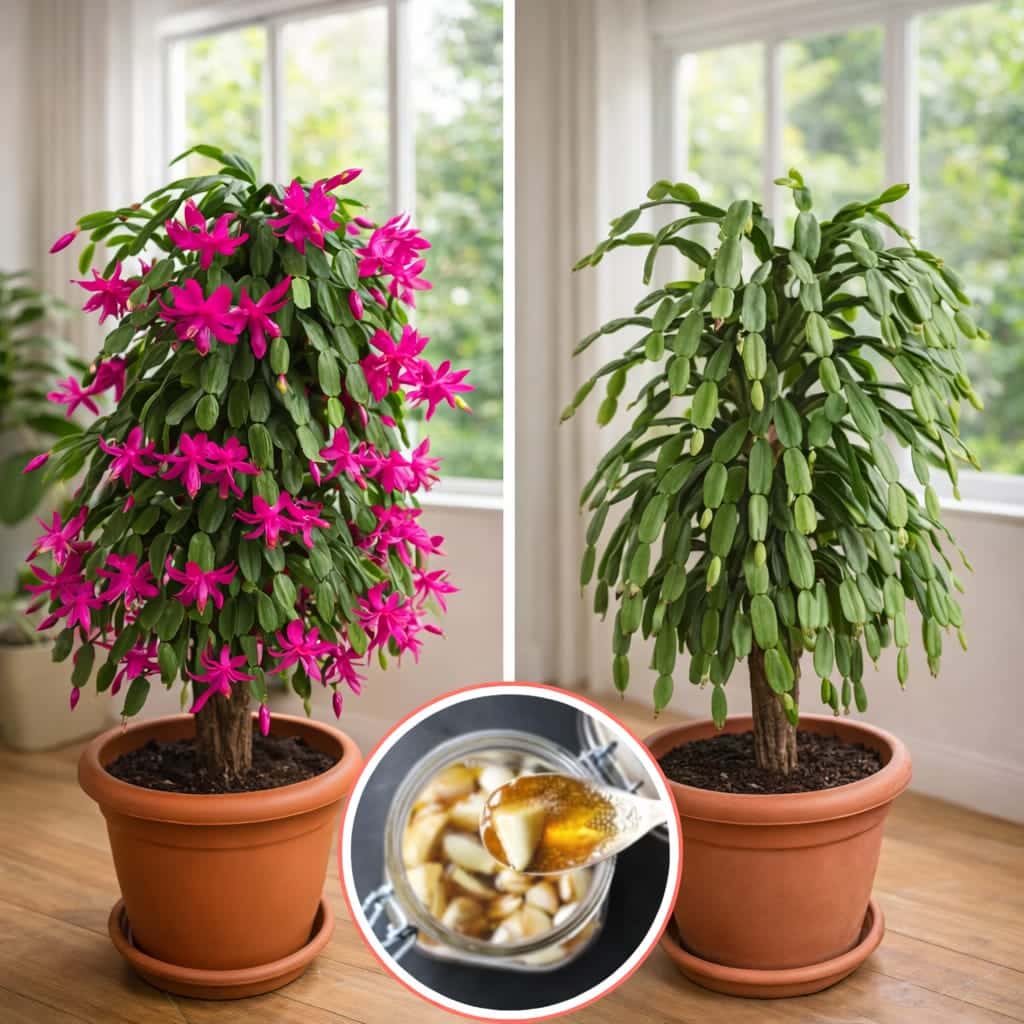
Autumn: The Trigger Season
This is the part that changes everything.
From early autumn, your Christmas cactus needs:
· Cooler nights – ideally around 55–60°F (13–15°C).
· 12–14 hours of complete darkness every night for about 6–8 weeks. This darkness must be uninterrupted. Even indoor light, a nearby lamp, or strong streetlight exposure can interfere with bud formation.
· Reduce watering slightly – allow the top inch of soil to dry out before watering.
· Stop or reduce fertilizer – no feeding during this period.
It is also important not to move the plant too much during this period. Changes in location, temperature, or root disturbance can lead to poor bud formation or bud drop.
Once Buds Appear – Change the Care Again
When buds finally show up, your routine should shift:
· Move the plant into brighter indirect light during the day.
· Keep temperatures around 65–75°F (18–24°C).
· Return to moderate watering – keep the soil lightly moist but never soggy.
· Moderate humidity can help (a humidity tray or light misting, avoiding the flowers).
This stage is where many people accidentally ruin the show. Overwatering, hot dry air, or constant repositioning can make buds fall before they ever open.
The “Natural Boost” That Helps – Slightly Root‑Bound
Allowing the plant to stay slightly root‑bound (avoid repotting too often) paired with balanced care earlier in the year may encourage stronger bud production. Mild root restriction, as a form of gentle, controlled stress, can signal the plant to reproduce (bloom). But this only works if the plant is otherwise healthy.
Mistakes That Stop Blooms Fast
Mistake Why It’s Harmful
Too much direct sun Leaves become pale or reddish; buds may drop.
Overwatering during bud formation Root rot and bud drop.
Warm nights or light after dark Prevents flowering entirely.
Repotting before or during bud formation Root disturbance = bud loss.
Heavy feeding late in the season Pushes leaf growth instead of flowers.
If you want more flowers, you need less interference.
A Simple 4‑Step Bloom Plan
Here’s the care plan in a nutshell:
- Late summer into early autumn – reduce fertilizer and slightly reduce watering. Gradually give the plant cooler nights (55–60°F).
- Provide 12–14 hours of uninterrupted darkness every night for 6–8 weeks. Keep soil lightly moist but well‑draining. Avoid sudden changes.
- When buds appear – bring the plant back into brighter indirect light, warmer indoor temperatures (65–75°F), and gentle watering.
- After blooming – let the plant rest (reduce watering, no fertilizer) for 4–6 weeks before resuming normal care.
Final Thoughts
A Christmas cactus does not need complicated tricks to bloom beautifully. What it needs is a rhythm that matches how it naturally grows: active growth in the warm season, then a cooler, darker trigger period before flowering. Slight root snugness and balanced feeding can help, but the real secret is giving it the seasonal cues it expects.
If you get the timing right, your Christmas cactus can surprise you with a much bigger, brighter display than you thought possible. In some cases, it may even bloom more than once a year.
Now it’s your turn! Have you tried a dark/cool period with your Christmas cactus? What worked for you? Drop a comment below – I’d love to hear your experience.
And if you found this guide helpful, share it with a friend who’s been struggling with a stubborn Christmas cactus. Pin it for later, and subscribe to our newsletter for more seasonal plant care tips.
Stay dark, stay cool, and enjoy those blooms. 🌵🌸✨