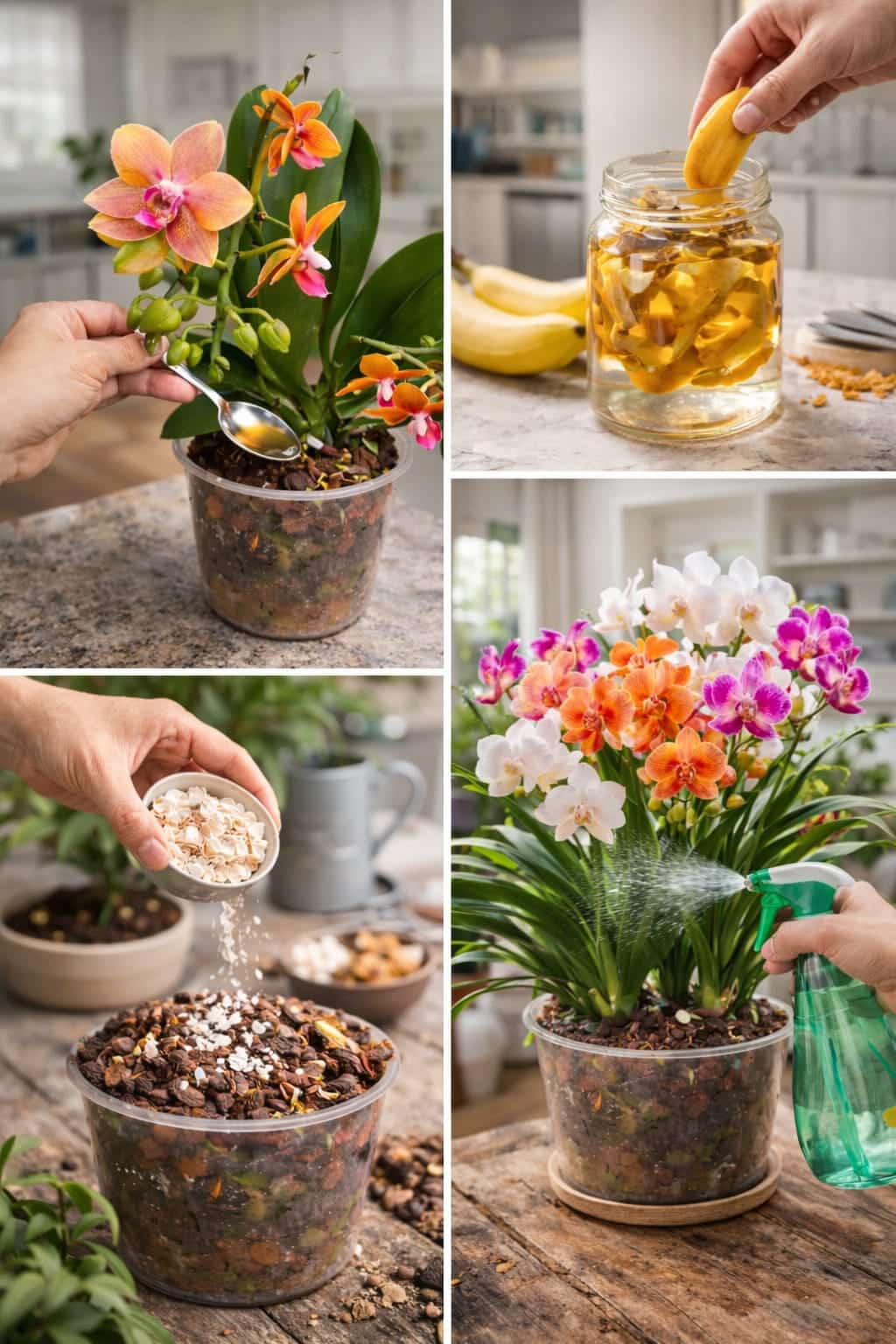
Discover how to use neem oil for orchids – a natural, eco‑friendly treatment that prevents pests, fights fungus, and promotes glossy leaves and vibrant blooms. Includes recipe, application tips, and safety precautions.
Let’s be honest: orchids are some of the most beautiful plants you can grow at home, but they can also be frustrating. One week they look perfect – glossy leaves, elegant blooms, and firm roots. The next, you notice sticky residue on the leaves, tiny webs, or dull, spotted foliage. Pests like aphids, mealybugs, and spider mites seem to appear out of nowhere, and fungal issues can take hold before you even realize there’s a problem.
That’s why so many orchid lovers turn to natural plant care methods – and one of the most talked‑about is neem oil.
Neem oil has built a strong reputation in home gardening because it offers multiple benefits at the same time. It can help discourage pests, support leaf health, and reduce certain fungal or bacterial issues without relying on harsh chemical products. For orchid owners, who often grow these sensitive plants indoors where chemical sprays can be unpleasant or unsafe, neem oil provides an appealing, eco‑friendly alternative.
In this complete guide, I’ll walk you through everything you need to know about using neem oil for orchids. You’ll learn what neem oil is, how it works, the benefits it offers, a simple recipe for making your own solution, step‑by‑step application methods, safety precautions, and answers to frequently asked questions. By the end, you’ll have a clear, practical routine to keep your orchids healthier, cleaner, and more resistant to pests and diseases.
Let’s dive in.
What Is Neem Oil?
Neem oil is a natural vegetable oil pressed from the fruits and seeds of the neem tree (Azadirachta indica), which is native to India and other parts of Southeast Asia. For centuries, neem has been used in traditional medicine, agriculture, and even cosmetics due to its powerful antifungal, antibacterial, and insecticidal properties.
In gardening, neem oil is valued as a broad‑spectrum, organic treatment. Unlike synthetic pesticides that often kill beneficial insects along with pests, neem oil works in a more targeted way. Its active compound, azadirachtin, disrupts the life cycle of many common plant pests without causing immediate harm to pollinators or beneficial insects when used correctly.
For orchids, which are often grown indoors and can be sensitive to strong chemicals, neem oil offers a gentle yet effective solution for preventing and managing a range of problems.
Why Neem Oil Is So Popular for Orchids
Orchids are sensitive plants. Their leaves, roots, and blooms respond quickly to poor conditions, and many common plant problems begin on the surface – especially on leaves and stems. Aphids, mealybugs, scale, spider mites, and thrips can all target orchids, and fungal issues like powdery mildew or black rot can develop in humid conditions.
Neem oil is popular because it:
· Forms a natural protective layer on leaves, making them less attractive to pests.
· Disrupts insect feeding and reproduction without immediately killing beneficial insects.
· Has antifungal and antibacterial properties that help prevent common orchid diseases.
· Leaves a subtle shine on leaves, improving the plant’s appearance.
· Is biodegradable and eco‑friendly, unlike many synthetic pesticides.
Many gardeners use neem oil as part of a regular preventive routine rather than only as an emergency treatment. For orchid owners, this is especially appealing because orchids are often grown indoors, where pest problems can spread quietly before you even notice them. A natural treatment that helps with prevention can feel much easier than trying to rescue a heavily infested plant later.
How Neem Oil Works on Orchids
Neem oil works in several ways to protect your orchids.
- Pest Repellent and Disruption
Azadirachtin, the primary active compound in neem oil, mimics natural insect hormones. When pests ingest or come into contact with neem oil, it:
· Suppresses their appetite (they stop feeding).
· Disrupts molting and reproduction.
· Prevents larvae from developing into adults.
This means neem oil doesn’t necessarily kill pests instantly – it works over time to reduce populations and prevent reinfestation.
- Physical Barrier
When sprayed on leaves, neem oil leaves a thin, oily film that can smother soft‑bodied insects like aphids and spider mites. It also makes the leaf surface slippery and less attractive for pests to settle on.
- Antifungal and Antibacterial Action
Neem oil contains compounds that inhibit the growth of common plant fungi, including powdery mildew, black spot, and rust. For orchids, this can help prevent leaf spot diseases and crown rot when used as a preventive spray.
- Leaf Health and Shine
Neem oil is often used as a leaf polish. When diluted correctly, it removes dust and leaves a natural, non‑toxic shine that helps the plant absorb more light. However, it’s important not to overdo it – too much oil can clog leaf pores (stomata).
Benefits of Neem Oil for Orchids
Benefit Description
Controls common pests Effective against aphids, mealybugs, spider mites, scale, thrips, and whiteflies.
Prevents fungal diseases Reduces the risk of powdery mildew, black rot, leaf spot, and sooty mold.
Safe for indoor use No harsh chemical fumes; safe to use around children and pets when dry.
Gentle on orchids Does not burn leaves when properly diluted (unlike some synthetic sprays).
Eco‑friendly Biodegradable, low toxicity to beneficial insects when used correctly.
Improves leaf appearance Removes dust and adds a subtle, natural shine.
Cost‑effective A small bottle lasts for many applications.
The Recommended Neem Oil Mix for Orchids
One reason this method gets so much attention is that it sounds simple. The source recommends making a neem oil solution using:
· 1 liter (about 4 cups) of lukewarm water
· 20 ml (about 4 teaspoons) of certified pure, cold‑pressed neem oil
· Juice of half a lemon (or 1 teaspoon of mild liquid soap as an emulsifier)
Why lemon juice? Lemon juice acts as a natural emulsifier, helping the oil mix with water. It also adds a mild acidity that can help clean leaf surfaces. Alternatively, you can use a few drops of mild dish soap (like Castile soap) which is more commonly recommended for neem oil mixtures.
Important: Use cold‑pressed, 100% pure neem oil that is labeled for plant use. Some neem oil products are “clarified” (hydrophobic extract) and lack azadirachtin – those are less effective. Look for “cold‑pressed” or “unrefined” on the label.
Step‑by‑Step Mixing Instructions
- Warm the water slightly (lukewarm, not hot) to help the oil mix.
- Add the neem oil and lemon juice (or soap) to the water.
- Shake vigorously in a spray bottle until the oil is evenly dispersed.
- Use immediately – neem oil mixtures degrade within 24 hours.
Pro tip: If you’re making a larger batch, store the concentrate (oil + emulsifier) separately and mix with water just before use.
Continue to Page 2
Continue to page 2 for more details about this article and the key points many readers miss on the first page.