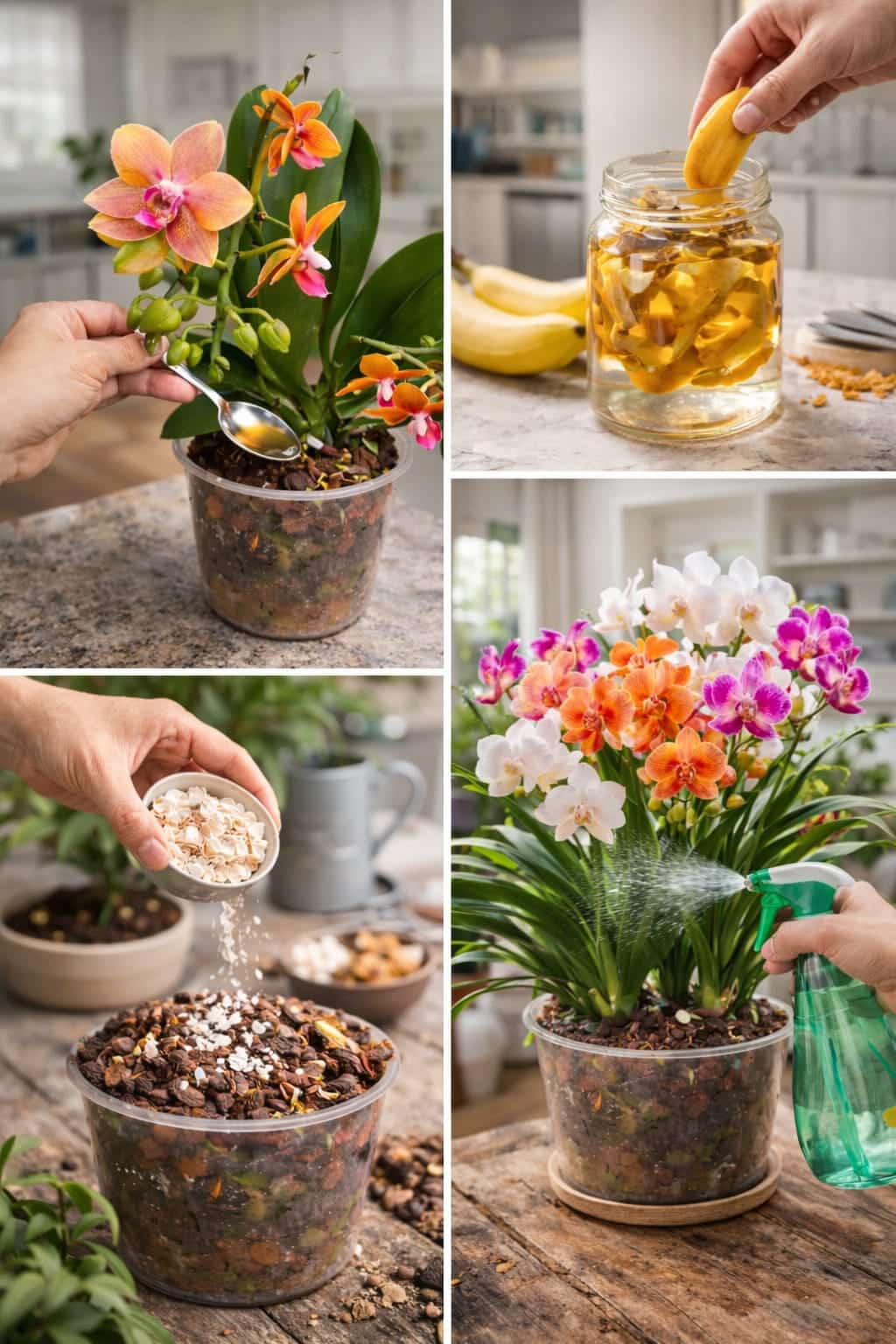
How to Apply Neem Oil to Orchids
There are two main application methods, depending on your preference and the severity of the problem.
Method 1: Cotton Pad or Soft Cloth (Best for Light Maintenance)
· What you need: Cotton pads, soft cloth, or a makeup brush.
· How to apply: Dip the pad in the neem mixture and gently wipe each leaf – top and bottom – as well as the stems. Pay special attention to the undersides of leaves where pests often hide.
Best for: Small collections, light pest issues, or routine leaf cleaning. This method gives you more control and physically removes dust, residue, or visible insects while applying the treatment.
Method 2: Spray Bottle (Best for Larger Collections or Severe Issues)
· What you need: Clean spray bottle (glass or plastic, never used for chemicals).
· How to apply: Pour the neem mixture into the spray bottle. Spray directly onto orchid leaves, stems, and even the potting medium surface (avoid drenching the flowers). Ensure thorough coverage, especially in crevices where pests hide.
Best for: Multiple plants, hard‑to‑reach areas, or when you want faster, broader coverage.
Important: Do not spray neem oil on open flowers – it can cause blemishes. If you must treat blooming orchids, use the cotton pad method around the flowers.
Treatment Schedule: How Often to Apply Neem Oil
One of the boldest recommendations is frequency. The source suggests that the treatment can be used up to three times a week for ongoing protection and nourishment. However, this is quite frequent. Here’s a more balanced schedule based on expert recommendations:
Purpose Frequency
Preventive maintenance (healthy plant, no visible pests) Once every 2–4 weeks
Active pest infestation (aphids, mealybugs, spider mites) Once every 5–7 days for 3–4 weeks, then reduce to preventive
Fungal issues (powdery mildew, leaf spots) Once every 7 days until resolved
Leaf cleaning and shine Once a month (or as needed)
Important: Never apply neem oil in direct sunlight or when temperatures exceed 85°F (29°C). The oil can magnify light and burn leaves. Apply in the evening or on overcast days.
What Neem Oil Is Supposed to Do – Realistic Expectations
According to the source, neem oil interacts with the plant after application and helps protect it from insects that feed on leaves or sap. It is presented as a broad protective treatment that supports orchid health while improving the plant’s appearance over time.
Regular use can lead to:
· Greener, glossier leaves – from dust removal and the oil’s conditioning effect.
· Fewer pest problems – due to the repellent and life‑cycle disruption.
· Healthier roots – by reducing fungal spores on the potting medium surface.
· Stronger blooms – when the plant is overall healthier.
That combination is exactly why this treatment gets so much attention online. It promises both protection and beauty – two things every orchid owner wants.
Safety Precautions – What You Need to Know
While neem oil is natural, it is not completely harmless. Follow these safety guidelines:
Precaution Why
Test on one leaf first Some orchids may be sensitive. Apply to a small area and wait 24 hours.
Avoid open flowers Neem oil can spot or discolor petals.
Do not use in direct sun Can cause leaf burn. Apply in the evening.
Keep away from eyes and mouth Neem oil is mildly irritating. Wash hands after use.
Do not ingest Neem oil is toxic if swallowed. Store out of reach of children.
Avoid overuse Too much oil can clog stomata and cause leaf damage.
Check with pets Neem oil is low toxicity to mammals but can cause stomach upset if ingested. Let it dry before allowing pets near plants.
Common Mistakes to Avoid
Mistake Why It’s Harmful Correct Approach
Using too much oil Clogs leaf pores, causes yellowing Stick to 20 ml per liter (about 2% solution).
Applying in sunlight Burns leaves Apply in evening or early morning.
Skipping the emulsifier Oil separates, uneven coverage Use lemon juice or mild soap.
Using old, rancid oil Less effective, may harm plants Buy fresh cold‑pressed oil; store in cool dark place.
Spraying flowers Causes blemishes Protect blooms with a cloth or use cotton pad on leaves only.
Expecting instant results Neem oil works slowly, not like chemical pesticides Be patient; repeat applications are necessary.
Frequently Asked Questions (FAQs)
Q: Can I use neem oil on all orchid types?
Yes – Phalaenopsis, Cattleya, Dendrobium, Oncidium, and most other orchids tolerate neem oil well when properly diluted. Always test first.
Q: How long does neem oil take to work on pests?
You may see reduced pest activity within 2–3 days, but full control often requires 2–3 weekly applications. Neem oil disrupts the pest life cycle; it doesn’t kill instantly.
Q: Can I mix neem oil with other treatments?
Avoid mixing with sulfur‑based fungicides or copper sprays (can cause leaf burn). It’s best to use neem oil alone and wait 2 weeks before using another treatment.
Q: Will neem oil harm beneficial insects like ladybugs?
Neem oil is less harmful to beneficial insects than synthetic pesticides, but it can still affect them if sprayed directly. Use spot treatments or apply in the evening when beneficial insects are less active.
Q: How should I store neem oil?
Store pure neem oil in a cool, dark place (refrigeration is best). Mixed neem oil solution degrades within 24 hours – make only what you need.
Q: Can neem oil kill orchid roots?
If you pour neem oil solution directly onto the potting medium repeatedly, it can suffocate roots. Use sparingly on the medium surface. Focus on leaves and stems.
Q: Why do my orchid leaves look oily after treatment?
You may have used too much oil or not wiped off excess. After spraying, you can gently wipe leaves with a dry cloth to remove excess oil.
Final Thoughts – A Natural Tool, Not a Magic Bullet
Neem oil continues to stand out as one of the most talked‑about natural orchid care methods for a reason. It is valued for helping reduce pest activity, supporting leaf health, and contributing to stronger‑looking orchids over time.
The recommended blend is simple, the application methods are straightforward, and the overall message is clear: healthy orchids often come from consistent, gentle care rather than dramatic rescue attempts.
If you enjoy natural plant care and want a routine that feels practical and eco‑friendly, neem oil is easy to see as an appealing option. For many orchid lovers, the biggest draw is not just pest control – it is the idea of keeping the plant healthy, glossy, and beautiful at the same time.
Remember: neem oil is a preventive and supportive tool, not a cure‑all. It works best when combined with good orchid care practices: proper watering, bright indirect light, good air circulation, and appropriate humidity. Use it wisely, and your orchids will thank you with cleaner leaves, fewer pests, and more abundant blooms.
Now it’s your turn! Have you tried neem oil on your orchids? What results did you see? Drop a comment below – I’d love to hear your experience.
And if you found this guide helpful, share it with a fellow orchid enthusiast. Pin it for later, and subscribe to our newsletter for more natural plant care tips.
Stay natural, stay consistent, and watch your orchids thrive. 🌸✨