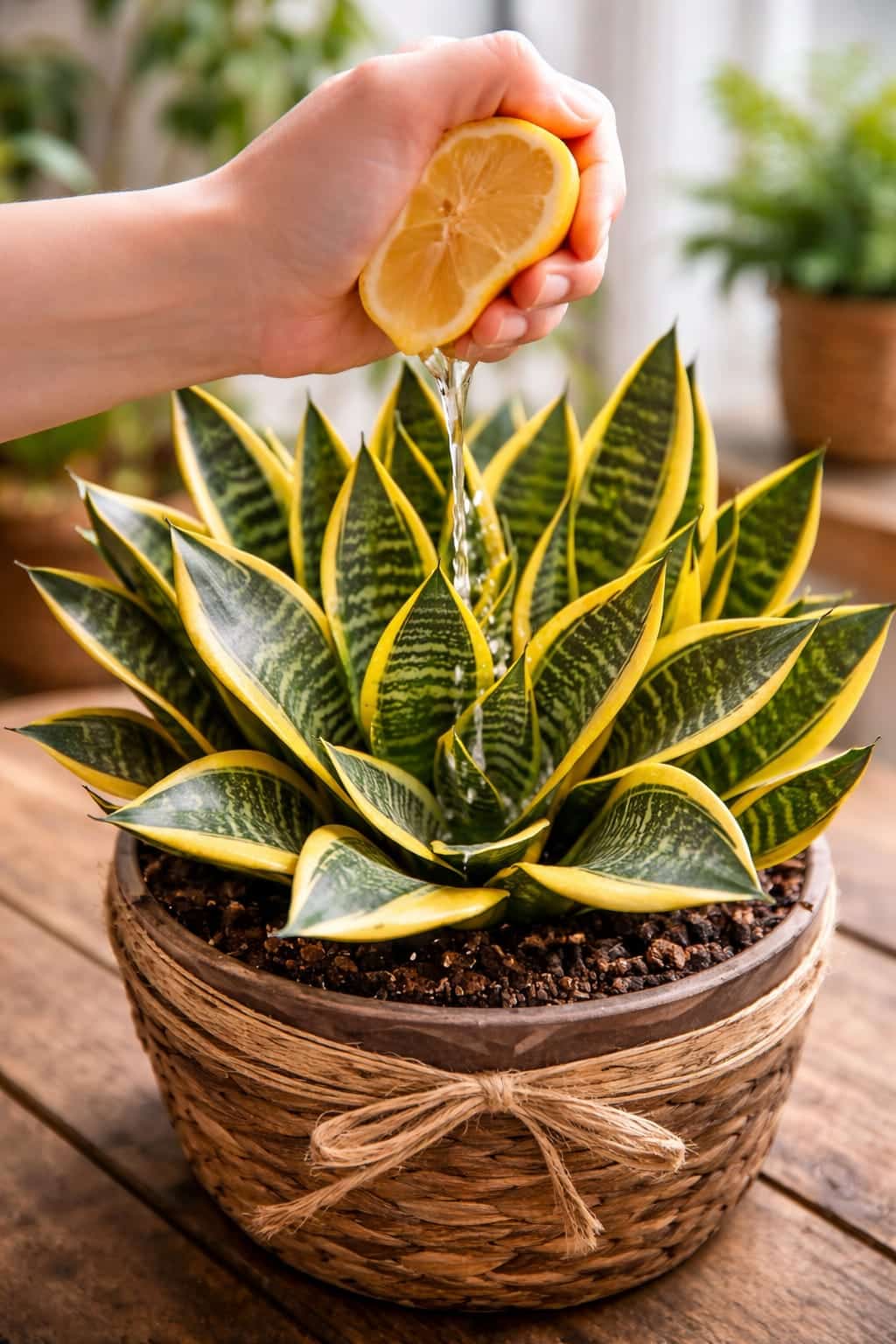
🌿 What Actually Makes Snake Plants Thrive – The Real Secrets
Forget viral hacks. The path to a healthy, fast‑growing snake plant is simple and proven. Focus on these five fundamentals.
☀️ 1. Light – The #1 Growth Factor
Snake plants tolerate low light, but they thrive in bright, indirect light.
Light Level Effect on Snake Plant
Low light (north window, dark corner) Survives, but grows very slowly; leaves may become dark green and floppy.
Medium light (few feet from east/west window) Moderate growth, occasional pups.
Bright, indirect light (right by east/west window) Fast growth, vibrant color, abundant pups.
Pro tip: If your snake plant hasn’t produced a new leaf in over a year, move it closer to a window. You’ll see a difference within weeks.
💧 2. Water – The #1 Killer (and Fix)
Overwatering is the most common cause of snake plant death. Underwatering is rarely fatal.
Watering Guideline Details
When to water Only when the soil is completely dry all the way through. Stick your finger 2–3 inches into the soil – if dry, water; if damp, wait.
How often In bright light: every 2–3 weeks. In low light: every 4–6 weeks.
How to water Water thoroughly until it runs out the drainage holes. Empty the saucer immediately.
Signs of overwatering Yellow, mushy leaves; foul smell; root rot.
Signs of underwatering Wrinkled, curling leaves; brown, crispy tips.
Pro tip: When in doubt, wait another week. Snake plants store water in their leaves and can go weeks without a drink.
🌿 3. Soil – Well‑Draining Mix
Snake plants need soil that dries out quickly. Heavy, moisture‑retentive soil leads to root rot.
Soil Component Purpose
Cactus/succulent mix (50–70%) Provides structure and some nutrients.
Perlite (20–30%) Increases drainage and aeration.
Coarse sand (10–20%) Adds weight and improves drainage.
DIY mix: 2 parts cactus mix + 1 part perlite + 1 part coarse sand.
Avoid: Regular potting soil alone, garden soil, or any mix that stays wet for more than a week.
🪴 4. Pot – Drainage Holes Are Non‑Negotiable
· Always use a pot with drainage holes.
· Terracotta pots are excellent – they wick away excess moisture.
· If using a decorative outer pot, ensure the inner pot drains freely and doesn’t sit in water.
🌡️ 5. Temperature – Keep It Warm
· Ideal range: 65–85°F (18–29°C).
· Minimum: Do not let temperatures drop below 50°F (10°C) for extended periods.
· Avoid: Cold drafts from windows, doors, or air conditioning vents.
Better Natural Alternatives for Cleaning Leaves (Without Risk)
If you want shiny, dust‑free leaves without the acidity risk, try these safe methods:
Alternative How to Use Effectiveness
Plain water + soft cloth Dampen cloth with distilled or filtered water. Wipe each leaf gently. Excellent – removes dust, reveals natural gloss.
Diluted soap solution (few drops of mild dish soap in water) Wipe leaves, then wipe again with plain water to remove residue. Good for heavy grime. Rinse well.
Neem oil solution (½ tsp neem oil + 1 liter water + few drops soap) Wipe leaves sparingly. Adds shine and repels pests. Good for pest prevention. Use sparingly.
Commercial leaf shine (non‑oil based) Follow label directions. Acceptable, but many contain oils that can clog pores.
The best choice: Plain water and a soft cloth. It’s free, safe, and effective.
Common Mistakes That Harm Snake Plants (More Than Any Lemon)
Mistake Why It’s Harmful Correct Approach
Adding lemon juice or vinegar to soil Lowers pH, damages roots Never pour acidic liquids into the pot
Watering on a schedule Leads to overwatering Water only when soil is dry
Keeping in very dark corners Slow growth, weak leaves Move to bright, indirect light
Using heavy, moisture‑retentive soil Root rot Use cactus mix with perlite
Over‑fertilizing Burns roots, salt buildup Fertilize lightly once a month in spring/summer
Ignoring pests (mealybugs, scale) Weakens plant Inspect regularly; treat with alcohol wipes or neem oil
Frequently Asked Questions (FAQs)
Q: Can I use lemon juice to clean snake plant leaves?
Yes, but with caution. Dilute 1–2 drops in a cup of water, wipe leaves with a damp cloth, and avoid getting liquid in the soil. Plain water works just as well without any risk.
Q: Will lemon juice kill spider mites or other pests?
No. Lemon juice is not an effective pesticide. It may irritate pests, but it won’t eliminate an infestation. Use neem oil or insecticidal soap for pests.
Q: My snake plant leaves are dull – what should I use?
Dust is the most common cause of dull leaves. Wipe them with a soft, damp cloth using plain water. If the leaves are still dull, check for overwatering or insufficient light – these affect natural gloss.
Q: Can I put lemon peels in the soil?
No. Lemon peels decompose slowly and can attract pests. They also release small amounts of acidic compounds. Compost them instead.
Q: How do I know if my soil is too acidic from lemon?
Signs include yellowing leaves, slow growth, and root rot. You can test soil pH with a home meter or test strip. Healthy snake plant soil pH should be between 6.0 and 7.5.
Q: Can I use vinegar instead of lemon?
Vinegar is even more acidic (pH 2–3) and more harmful. Never pour vinegar into snake plant soil.
Q: Is it safe to use lemon on other succulents?
No – most succulents also prefer neutral to slightly alkaline soil. The same risks apply.
Final Verdict – Should You Use Lemon on Your Snake Plant?
Aspect Verdict
Does lemon clean leaves? Yes – but plain water does the same without risk.
Does lemon make leaves shine? Temporarily – but it’s a cosmetic effect, not health.
Is lemon safe for the soil? No – repeated use lowers pH, damages roots, and disrupts nutrient absorption.
Should you pour lemon juice into the pot? Absolutely not.
What’s the best way to get shiny leaves? Wipe with a soft, damp cloth using plain water.
The bottom line: Lemon isn’t a miracle trick. It can make your plant look better in the short term (by cleaning dust), but it can quietly harm it long‑term if it gets into the soil. The risks far outweigh the benefits.
Instead of reaching for kitchen shortcuts, focus on the fundamentals: bright, indirect light; proper watering; well‑draining soil; and occasional gentle feeding. That’s the real secret to a thriving snake plant.
Most people are adding things to their snake plant – when the secret is simply doing less, but doing it right.
Now it’s your turn! Have you tried the lemon trick on your snake plant? What happened – did it help or harm? Drop a comment below – I’d love to hear your experience.
And if you found this guide helpful, share it with a friend who’s been tempted to squeeze lemon into their plant pot. Pin it for later, and subscribe to our newsletter for more evidence‑based plant care.
Stay bright, stay dry, and let your snake plant thrive. 🌿✨