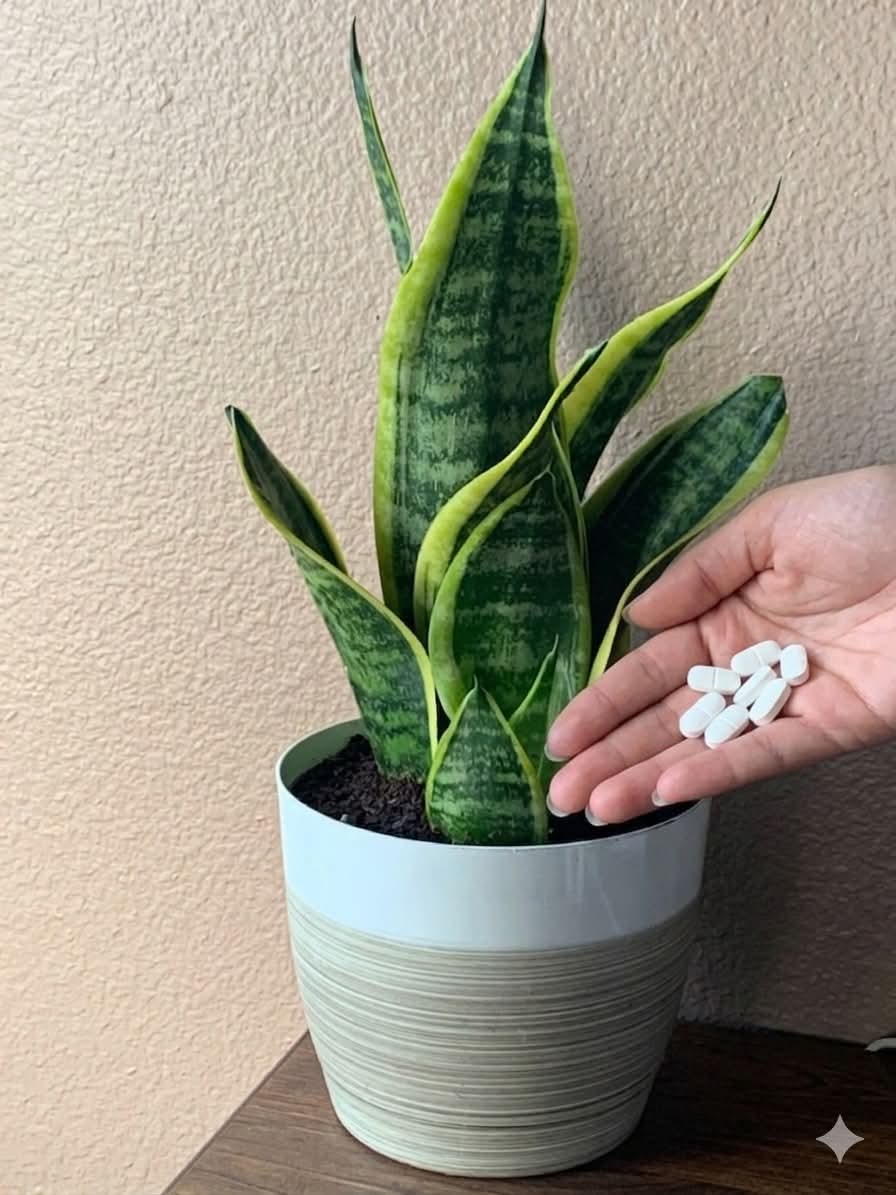
Discover essential tips to keep your snake plant thriving! From watering secrets to light requirements and natural fertilizers, learn how to grow a strong, healthy Sansevieria.
Let me share the secrets that turned my snake plant from a surviving wallflower into a thriving, vigorous beauty.
Snake plants (Dracaena trifasciata, formerly Sansevieria) are famous for being nearly indestructible. They tolerate low light, infrequent watering, and general neglect. But there’s a difference between surviving and thriving. If you want your snake plant to grow strong, produce pups, and maintain its striking architectural form, a little thoughtful care goes a long way.
After years of trial and error, I’ve distilled the essentials into a few simple tips. Whether you’re a beginner or a seasoned plant parent, these guidelines will help your snake plant stay healthy, vibrant, and beautiful.
Light: The Foundation of Strength
Snake plants are often labeled as “low‑light” plants, but that’s a bit misleading. They tolerate low light, but they thrive in bright, indirect light.
What to do:
· Place your snake plant near an east‑facing window for gentle morning sun.
· A few feet back from a south‑ or west‑facing window also works—use a sheer curtain to filter harsh rays.
· If natural light is limited, supplement with a full‑spectrum grow light for 8–10 hours a day.
What happens with too little light:
· Leaves become pale, weak, and may droop.
· Growth slows dramatically; no new pups appear.
· Variegated varieties lose their yellow or white stripes.
What happens with too much direct sun:
· Leaves may develop brown, scorched patches.
· The plant can overheat and become stressed.
Key takeaway: Bright, indirect light equals strong, upright growth and a happy plant.
Watering: The Golden Rule
Overwatering is the #1 killer of snake plants. These succulents store water in their thick leaves and rhizomes, so they prefer to dry out completely between waterings.
How to water correctly:
· Check the soil: Insert your finger about 2 inches into the soil. If it’s dry, it’s time to water.
· Water deeply: Pour water until it runs out the drainage holes, then empty the saucer. Never let the plant sit in standing water.
· Frequency: In bright light, water every 2–3 weeks. In low light, once a month or even less. During winter, reduce watering further.
Signs of overwatering:
· Soft, mushy leaves near the base.
· Yellowing leaves, especially lower ones.
· Foul smell from the soil (root rot).
Signs of underwatering:
· Leaves become wrinkled, dry, and curl inward.
· Brown, crispy tips.
Key takeaway: When in doubt, wait another week. Snake plants are much more forgiving of underwatering than overwatering.
Soil & Pot: The Perfect Home
Snake plants need well‑draining soil to prevent root rot. Heavy, moisture‑retentive potting mixes are a recipe for disaster.
Best soil mix:
· Use a cactus or succulent potting mix.
· Or make your own: mix 2 parts regular potting soil, 1 part perlite, and 1 part coarse sand.
Pot selection:
· Choose a pot with drainage holes—this is non‑negotiable.
· Terracotta pots are excellent because they wick away excess moisture.
· Keep the pot snug; snake plants actually thrive when slightly root‑bound. Repot only when roots are visibly crowded or cracking the pot.
Key takeaway: Well‑draining soil and a pot with drainage holes are essential for a healthy root system.
Temperature & Humidity
Snake plants are tropical natives, so they prefer warmth and moderate humidity.
Ideal conditions:
· Temperature: 65–85°F (18–29°C). Protect from cold drafts and temperatures below 50°F.
· Humidity: Average indoor humidity (30–50%) is fine, but they appreciate occasional misting in dry winter air.
What to avoid:
· Placing near drafty windows, air conditioners, or heating vents.
· Sudden temperature swings.
Key takeaway: Keep your snake plant warm and away from cold drafts for steady growth.
Fertilizing: Less Is More
Snake plants are light feeders. Too much fertilizer can cause leaf burn and leggy growth.
When to fertilize:
· Apply a balanced, water‑soluble fertilizer (like 10-10-10) diluted to half strength.
· Feed once in spring and once in summer (during active growth).
· Stop fertilizing in fall and winter when the plant rests.
Natural alternatives:
· Banana peel water – rich in potassium; soak peels in water for 24–48 hours, dilute, and use monthly.
· Rice water – the starchy water from rinsing rice provides trace minerals; use diluted.
· Used coffee grounds – sprinkle a thin layer on soil and water in (sparingly).
Key takeaway: A little gentle feeding goes a long way. Over‑fertilizing can do more harm than good.
Common Problems & How to Fix Them
Problem Likely Cause Solution
Yellow, mushy leaves Overwatering, root rot Stop watering, check roots, repot in fresh soil, trim rotten roots
Wrinkled, curling leaves Underwatering Give a deep soak; water more regularly
Brown, crispy leaf tips Low humidity, fluoride in tap water Mist leaves, use filtered water, flush soil occasionally
Pale leaves, slow growth Too little light Move to brighter spot
Brown, sunken patches Too much direct sun Move away from window
Leaves drooping or leaning Too much water or insufficient light Adjust watering, provide brighter light
Pests (mealybugs, spider mites) Dry conditions, stress Wipe with rubbing alcohol, increase humidity, treat with neem oil
Propagation: Multiply Your Collection
One of the joys of a healthy snake plant is sharing its babies. You can propagate by division or leaf cuttings.
Division (easiest):
· When repotting, gently separate the rhizome, ensuring each division has roots and leaves.
· Pot up in fresh soil and water lightly.
Leaf cuttings:
· Cut a healthy leaf into 3‑4 inch sections. Mark the bottom end (the end that was closest to the roots).
· Let cuttings callus for a day, then insert bottom‑end into moist soil or water.
· New plantlets will emerge from the base in a few months.
Note: Variegated varieties (like ‘Laurentii’) will revert to solid green when propagated by leaf cuttings. Division preserves variegation.
Natural Boosters for Strong Growth
Beyond basic care, a few kitchen scraps can give your snake plant an extra edge.
· Banana peel water: Soak peels in water for 2 days, dilute, and use once a month. Potassium supports strong roots and resilience.
· Rice water: The cloudy rinse water from uncooked rice contains B vitamins and trace minerals. Use undiluted every few weeks.
· Eggshell powder: Dry and grind eggshells, sprinkle on soil. Calcium strengthens cell walls.
· Epsom salt: Dissolve 1 teaspoon in a gallon of water and use once every 2 months. Magnesium boosts chlorophyll production.
Keeping the Plant Clean & Tidy
Dust accumulates on snake plant leaves, blocking light and making them look dull.
· Wipe leaves with a soft, damp cloth every month.
· Support the leaf from behind to avoid snapping.
· Avoid leaf shine products—they clog the pores and can damage the plant.
When to Repot
Snake plants are slow growers and actually prefer being slightly root‑bound. Repot only when:
· Roots are circling the inside of the pot or growing out of drainage holes.
· The plant is top‑heavy and tipping over.
· It’s been in the same pot for 3–5 years and growth has stalled.
When repotting, choose a pot only 1–2 inches larger in diameter. Over‑potting can lead to waterlogged soil and root rot.
Final Thoughts: Consistency Over Perfection
The secret to a strong, healthy snake plant isn’t a magic formula—it’s consistent, thoughtful care. Give it bright, indirect light, let the soil dry completely between waterings, and protect it from cold drafts. Fertilize sparingly, keep the leaves clean, and repot only when necessary.
Your snake plant will reward you with upright, architectural foliage, maybe even a surprise bloom, and plenty of pups to share.
Now it’s your turn! What’s your best snake plant care tip? Share in the comments below.
And if you’re looking for more plant care guides, check out our articles on How to Propagate Snake Plants, Natural Fertilizers for Houseplants, and Reviving a Dying Snake Plant.
Happy growing! 🌿✨
Did these tips help you? We’d love to see your thriving snake plant! Leave a comment below and share your photos. Don’t forget to pin this guide for future reference.
More Ideas You Might Like
-

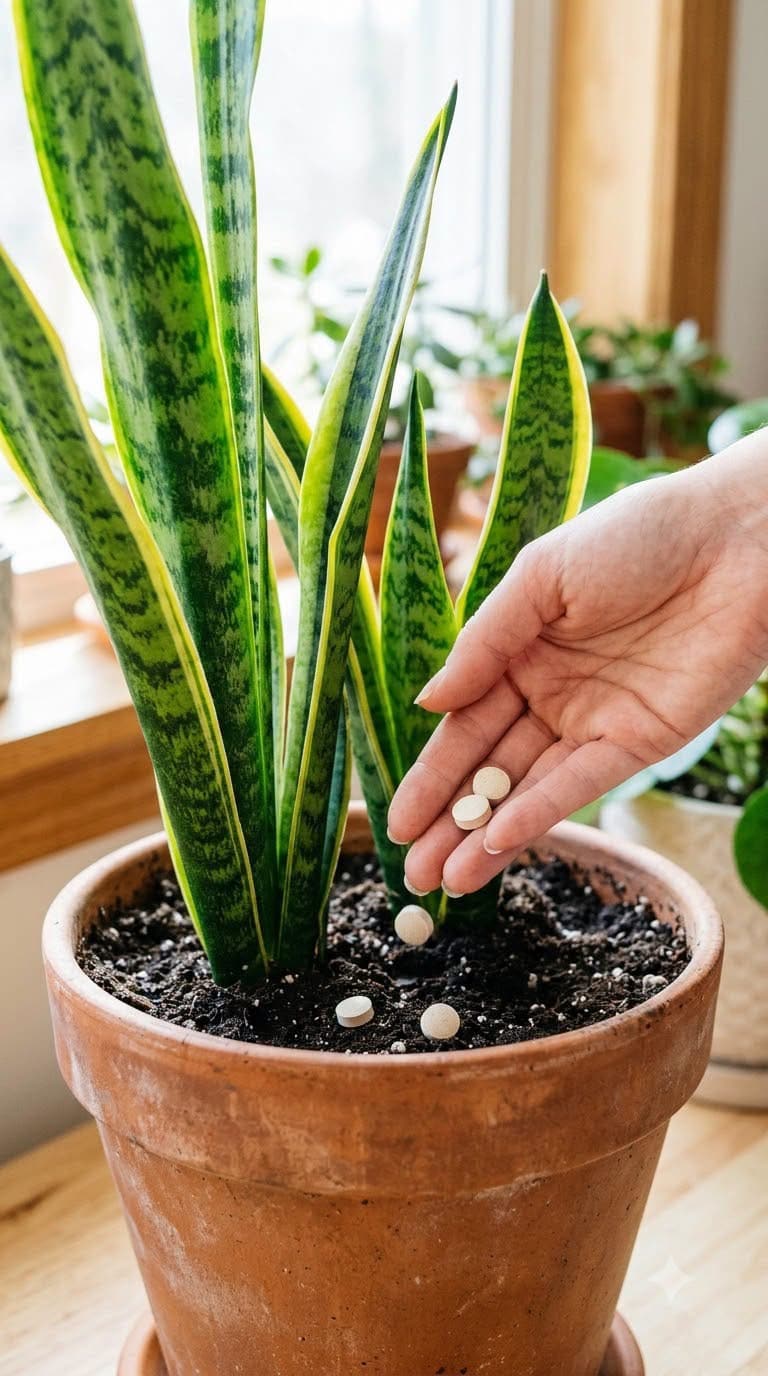
How to Use Slow-Release Fertilizer Tablets for Snake Plants Without Overfeeding
Snake plants are known for being low-maintenance houseplants, but that does not mean they never need nutrients. A small amount of fertilizer during their active growing season can support steady new growth and help leaves keep their deep green color and strong upright form. The image shows small fertilizer tablets being placed on the soil…
-
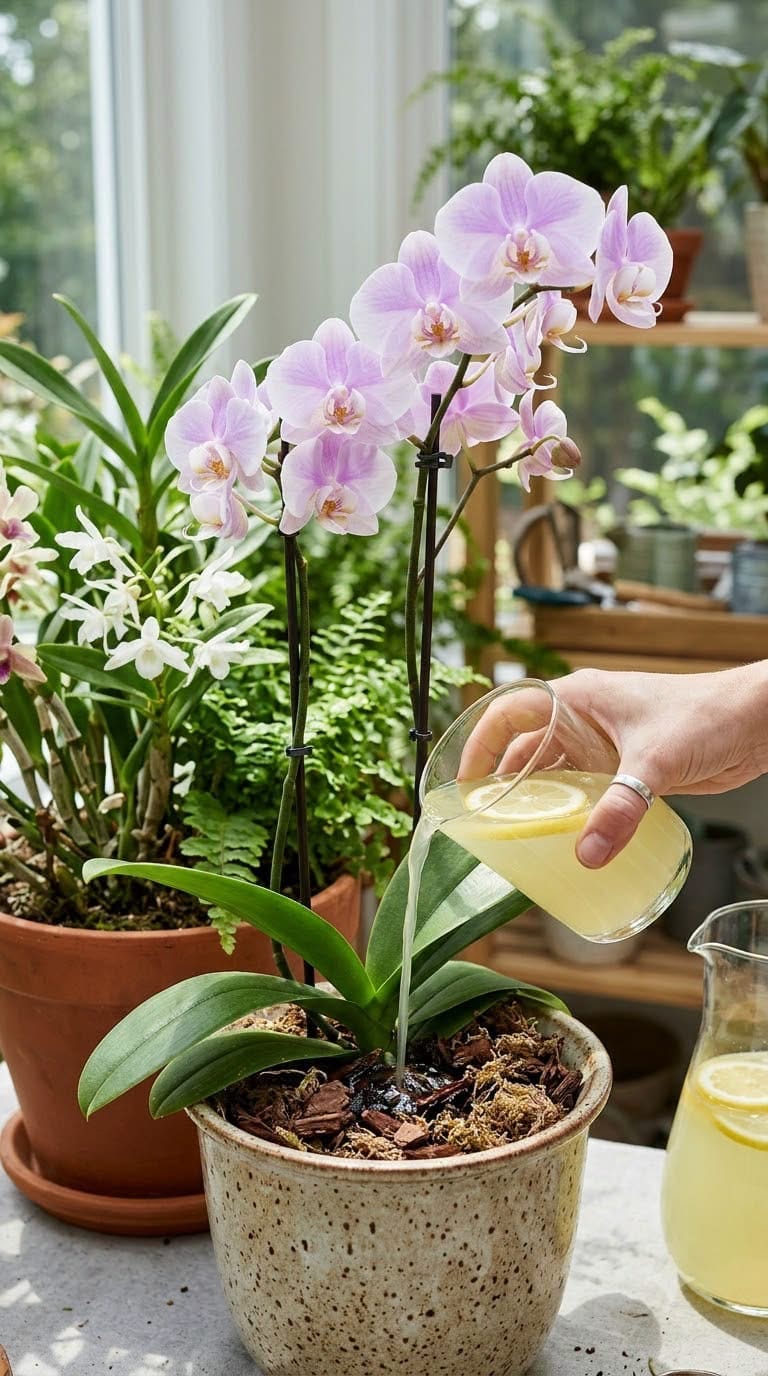
Orchid Care for Healthy Roots, Lasting Blooms, and Beautiful Indoor Displays
Orchids are elegant houseplants that can bring a refined, peaceful look to almost any room. Their long-lasting flowers, glossy leaves, and sculptural stems make them especially beautiful on bright tables, windowsills, kitchen counters, and living-room shelves. A healthy orchid does not need lemon water, sugary drinks, or homemade kitchen mixtures to bloom. Although lemon water…
-

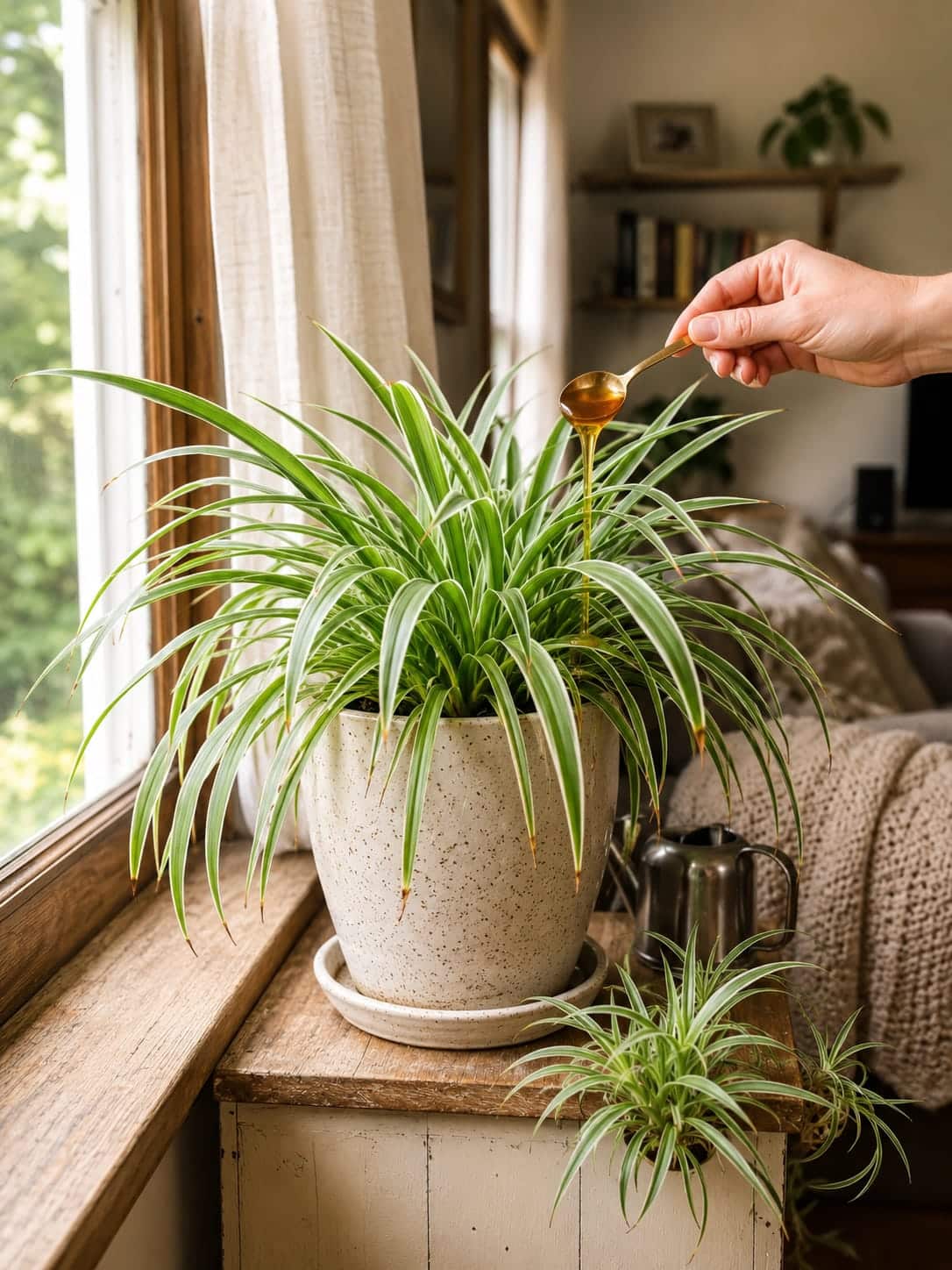
Spider Plant Care: The Safe Way to Grow a Fuller, Healthier Houseplant
Spider plants are loved for their long striped leaves, easy-going nature, and charming baby plants that spill over the sides of the pot. They look beautiful on a bright windowsill, shelf, hanging basket, or small table, and they can quickly make a room feel fresher and more inviting. The image may suggest adding honey to…