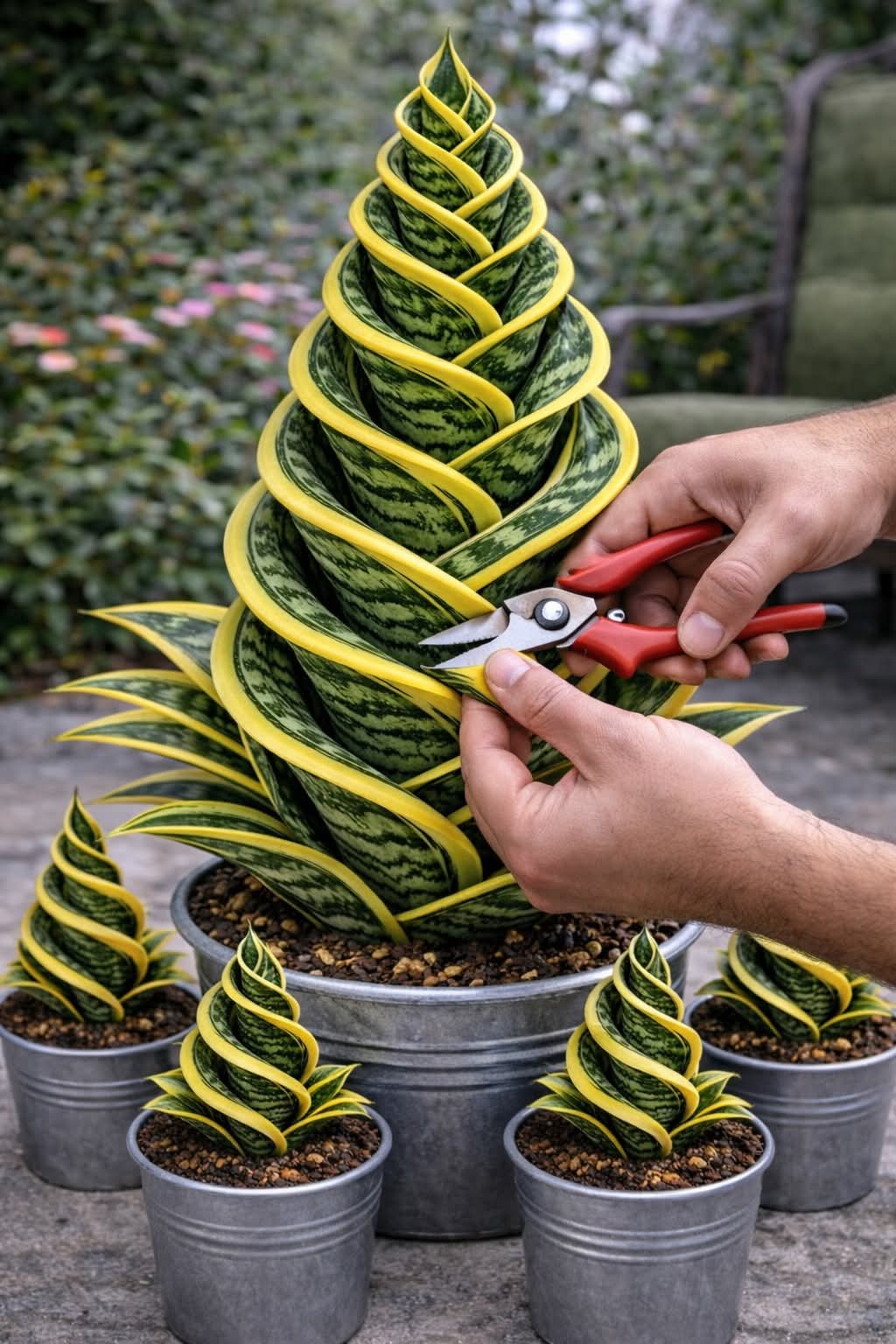
💡 Caring for Spiral Snake Plants (General Tips)
Regardless of which variety you choose, these general care tips will keep your spiral snake plant healthy:
· Light: Most varieties thrive in bright, indirect light. Variegated types need more light to keep their colors vibrant.
· Water: Snake plants are succulents — they store water in their leaves. Water only when the soil is completely dry. Overwatering is the #1 killer.
· Soil: Use a well‑draining cactus or succulent mix. Add perlite or sand for extra drainage.
· Pot: Always use a pot with drainage holes. Terracotta pots help wick away excess moisture.
· Temperature: Keep between 60–85°F (15–29°C). Avoid cold drafts and temperatures below 50°F (10°C).
· Fertilizer: Feed lightly during spring and summer with a diluted succulent fertilizer. Do not fertilize in winter.
· Cleaning: Wipe dust off leaves with a soft, damp cloth every few weeks. Clean leaves absorb more light.
❌ Common Mistakes to Avoid
Mistake Why It’s Harmful
Overwatering The #1 cause of root rot and plant death.
Using tight ties Can cut into leaves and cause scarring.
Forcing bends Snake plant leaves snap easily if bent too quickly.
Training mature plants Older leaves are stiff and brittle; they will break.
Low light Slows growth and reduces variegation.
🌟 Final Thoughts
Spiral snake plants — whether naturally curled or beautifully trained — are a stunning addition to any indoor plant collection. From the compact ‘Twisted Sister’ to the sculptural ‘Boncel’ and the trainable ‘Cylindrica’, there’s a spiraling snake plant for every space and skill level.
Remember: the key to success is patience. Whether you’re waiting for a naturally spiraling variety to show its curl or gently training a young plant into a graceful twist, the result is well worth the wait.
Now it’s your turn! Have you tried growing a spiral snake plant? Which variety is your favorite — natural or trained? Drop a comment below — I’d love to hear your experience.
And if you found this guide helpful, share it with a fellow plant lover who’s looking to add some twist to their collection. Pin it for later, and subscribe to our newsletter for more plant care tips and variety guides.
Stay twisted, stay patient, and keep growing. 🌿✨
More Recipes You Might Like
-
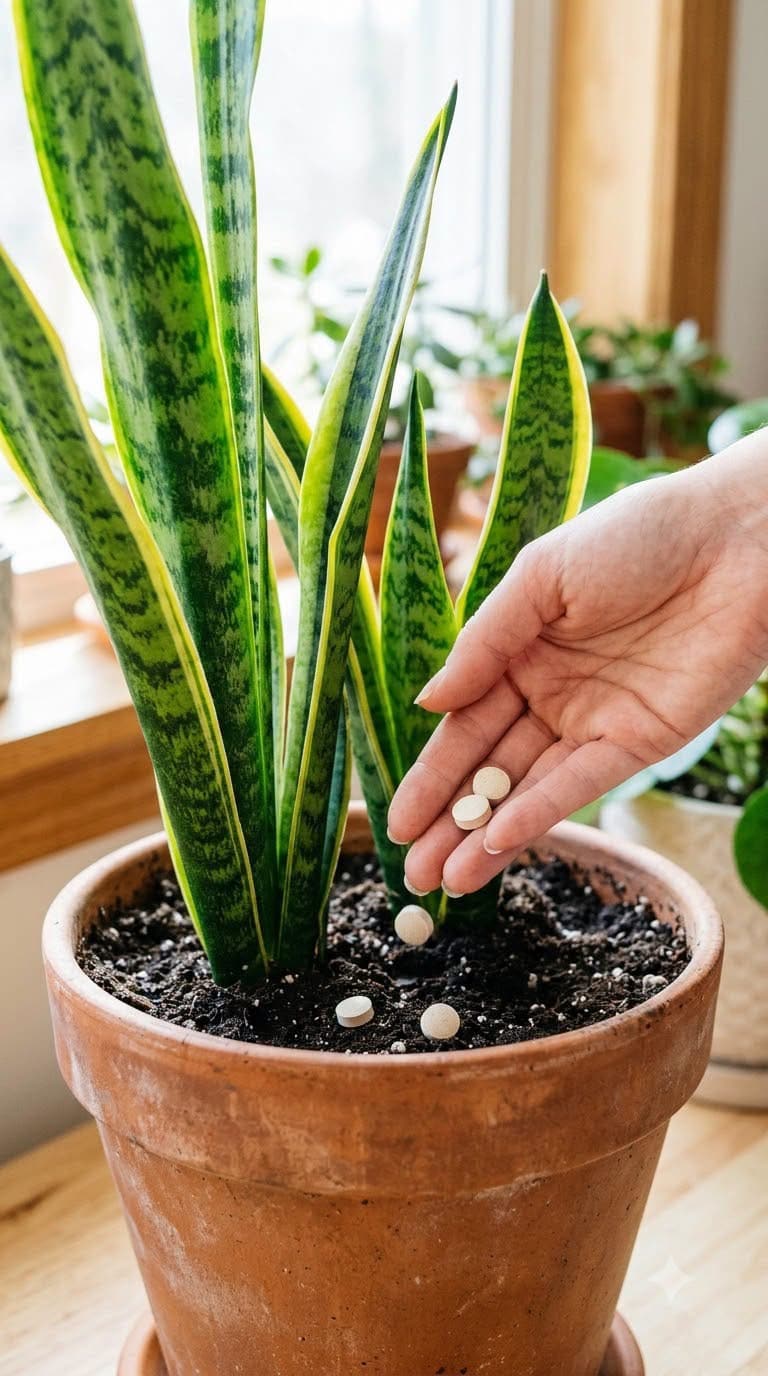
How to Use Slow-Release Fertilizer Tablets for Snake Plants Without Overfeeding
Snake plants are known for being low-maintenance houseplants, but that does not mean they never need nutrients. A small amount of fertilizer during their active growing season can support steady new growth and help leaves keep their deep green color and strong upright form. The image shows small fertilizer tablets being placed on the soil…
-
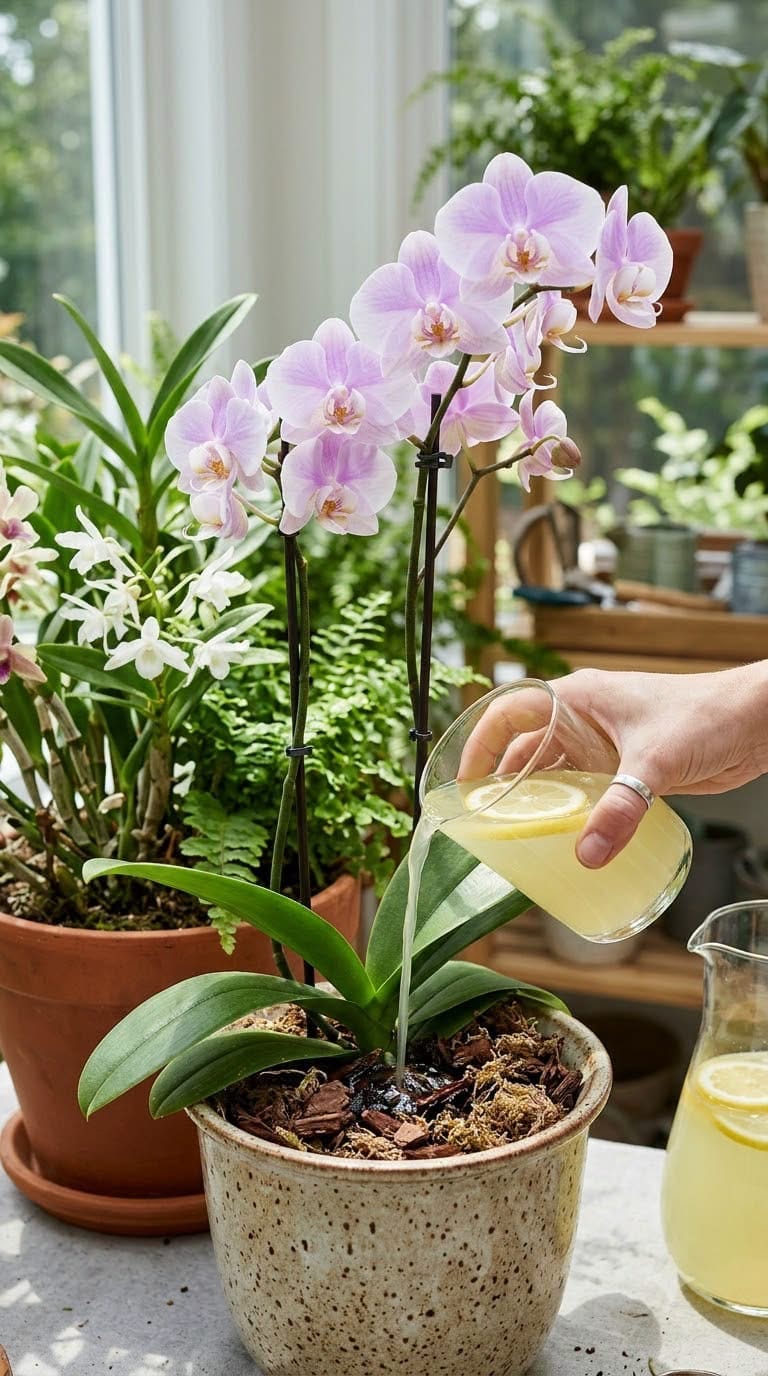
Orchid Care for Healthy Roots, Lasting Blooms, and Beautiful Indoor Displays
Orchids are elegant houseplants that can bring a refined, peaceful look to almost any room. Their long-lasting flowers, glossy leaves, and sculptural stems make them especially beautiful on bright tables, windowsills, kitchen counters, and living-room shelves. A healthy orchid does not need lemon water, sugary drinks, or homemade kitchen mixtures to bloom. Although lemon water…
-
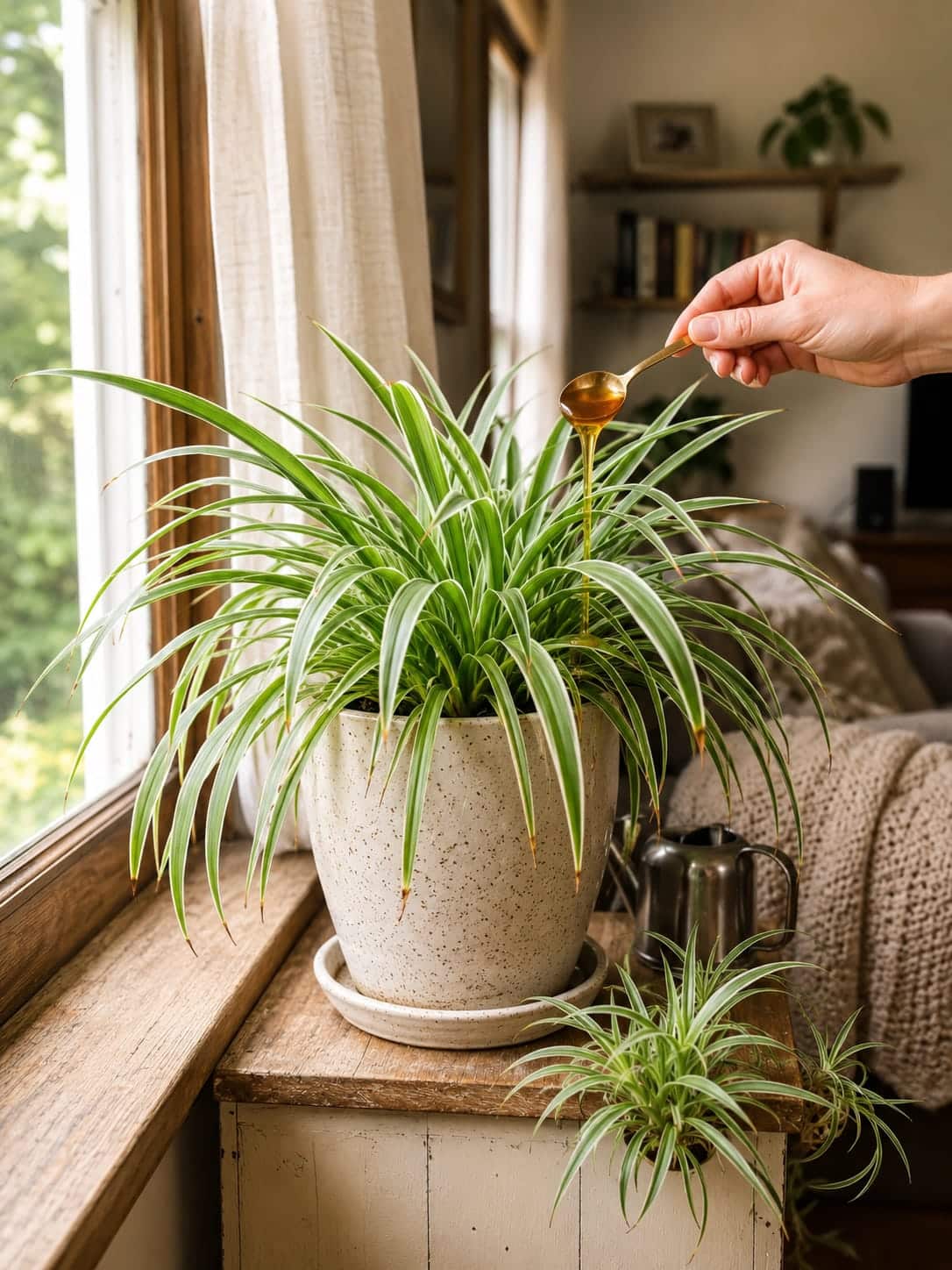
Spider Plant Care: The Safe Way to Grow a Fuller, Healthier Houseplant
Spider plants are loved for their long striped leaves, easy-going nature, and charming baby plants that spill over the sides of the pot. They look beautiful on a bright windowsill, shelf, hanging basket, or small table, and they can quickly make a room feel fresher and more inviting. The image may suggest adding honey to…