How to Make Spider Plant Bloom Using Homemade Liquid Feed (Proven Natural Method)
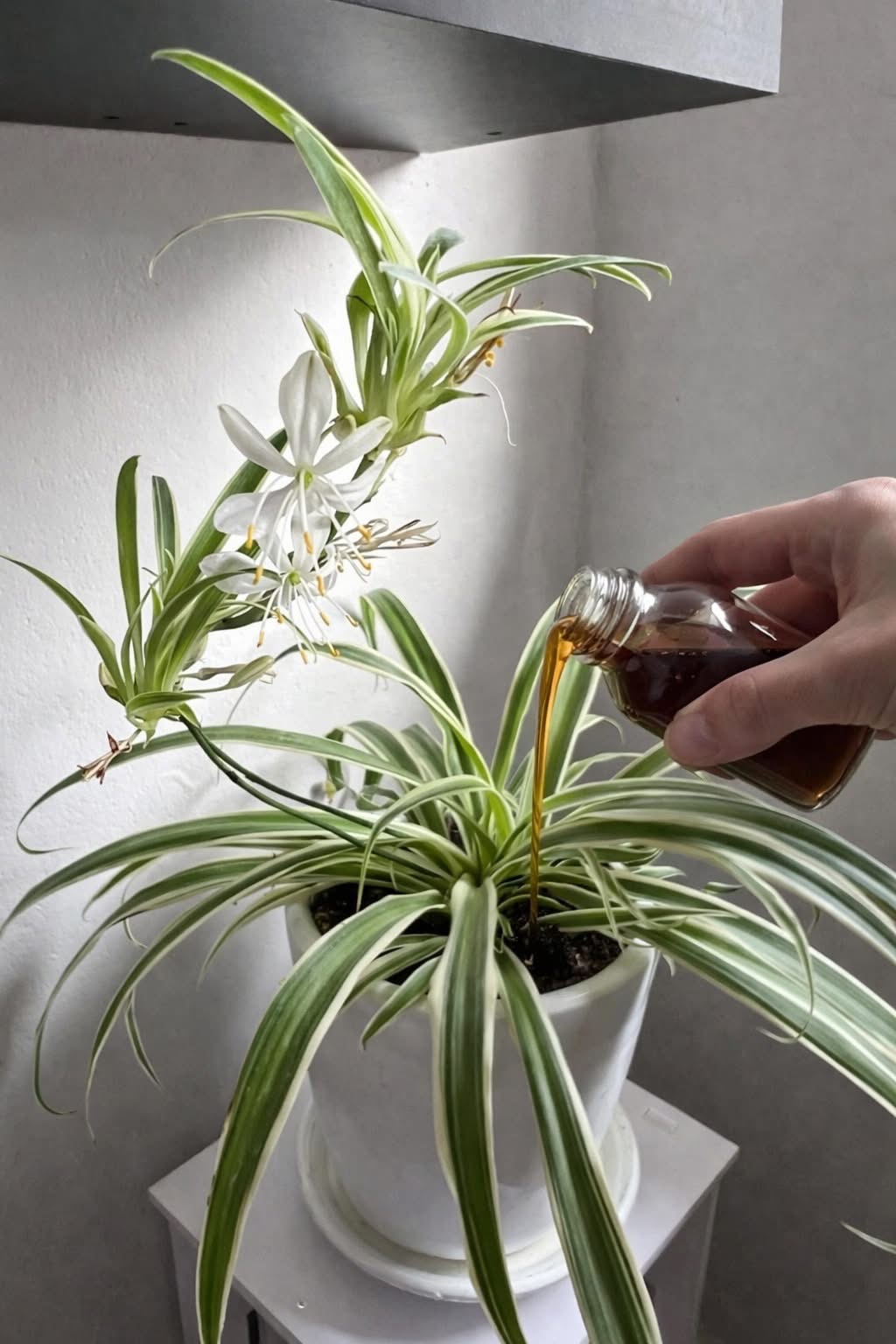
Spider plants are famous for their arching green-and-white leaves and baby “spiderettes” — but did you know they can also produce delicate white flowers?
If your spider plant looks healthy but refuses to bloom, the problem usually isn’t light alone… it’s nutrition.
In this complete guide, you’ll learn:
Why spider plants don’t flower
The best homemade liquid fertilizer for blooming
How often to feed
The correct light and pot conditions
Common mistakes that stop flowering
Let’s turn your leafy plant into a blooming beauty 🌿✨
🌸 Understanding Spider Plant Blooming
The spider plant’s scientific name is Chlorophytum comosum.
When mature and slightly root-bound, it produces:
Small white star-shaped flowers
Long trailing stems (runners)
Baby spider plant pups
But flowering only happens under the right balance of:
Bright indirect light
Slight root restriction
Proper feeding
Mild stress (not overwatering)
If your plant only makes leaves and no flowers, nutrition is likely the missing piece.
🌿 The Best Homemade Liquid Feed for Spider Plant Blooming
This simple natural liquid fertilizer boosts flowering without chemicals.
🥣 Banana Peel Bloom Booster (High Potassium)
Potassium encourages flowering and strong stems.
Ingredients:
1 banana peel
1 liter of water
Airtight jar
How to Prepare:
Chop the banana peel into small pieces.
Soak in 1 liter of water.
Let sit for 24–48 hours.
Strain before use.
How to Apply:
Water your spider plant with this liquid once every 3–4 weeks.
Apply to moist soil (never dry soil).
Why it works:
Banana peels are rich in potassium and small amounts of phosphorus — essential nutrients for flowering houseplants.
🧄 Garlic + Rice Water Growth Tonic (Optional Booster)
If your spider plant is weak or pale, you can boost overall strength first.
Ingredients:
1 tablespoon rice rinse water
1 crushed garlic clove
1 liter water
Let sit for 12 hours, strain, and use once monthly.
This improves root health and microbial activity in the soil.
🌞 Light Is Critical for Blooming
Spider plants won’t flower in low light.
Ideal Light:
Bright indirect sunlight
Near east- or west-facing windows
Avoid harsh afternoon sun
If indoors in low light, flowering may not occur even with feeding.
🪴 Slightly Root-Bound = More Flowers
Spider plants bloom better when slightly crowded in their pots.
If your plant is in a very large pot, it may focus only on leaf growth.
Tip:
Wait until roots are gently filling the container before repotting.
💧 Watering Rules for Blooming
Overwatering prevents flowering.
Allow top 1–2 inches of soil to dry
Ensure drainage holes
Never let roots sit in water
Balanced watering + bloom feeding = success.
📅 Feeding Schedule for Best Results
| Month | Action |
| Early Spring | Start banana peel feed |
| Late Spring | Repeat feeding |
| Summer | Feed once monthly |
| Fall | Reduce feeding |
| Winter | No fertilizer |
Most spider plants bloom during late spring or summer.
🚫 Common Mistakes That Stop Spider Plants from Blooming
Too much nitrogen fertilizer
Low light conditions
Overwatering
Repotting too often
Using cold tap water with heavy chlorine
Avoid these, and flowering becomes much easier.
🌼 Signs Your Spider Plant Is Ready to Bloom
Mature plant (at least 1 year old)
Slightly root-bound
Thick, healthy leaves
Produces runners
When you see long stems forming, flowers usually follow.
💡 Extra Blooming Tip (Natural Stress Method)
Sometimes, mild stress triggers flowering.
You can:
Reduce watering slightly
Keep plant slightly root-bound
Increase light exposure
This mimics natural conditions.
🧪 Can You Overfeed Homemade Fertilizer?
Yes.
Even natural liquid feed can cause:
Salt buildup
Yellow leaf tips
Weak roots
Always dilute and feed monthly — not weekly.
🌱 Bonus: Best Soil Mix for Flowering Spider Plants
Use:
50% potting mix
30% compost
20% perlite
Good drainage encourages bloom production.
🌟 Final Thoughts
Making your spider plant bloom isn’t complicated — it just needs:
Bright indirect light
Slightly tight roots
Proper watering
A potassium-rich homemade liquid feed
The banana peel fertilizer method is affordable, natural, and effective for encouraging flowers without synthetic chemicals.
Be patient — spider plants reward consistency.
Soon, you’ll see delicate white blooms followed by cascading baby plants 🌿✨
If you’d like, I can also write:
A 2000-word SEO blog version
A Facebook viral version
A high-RPM AdSense optimized article
A Pinterest-style post
Just tell me where you’re publishing 🌿
-

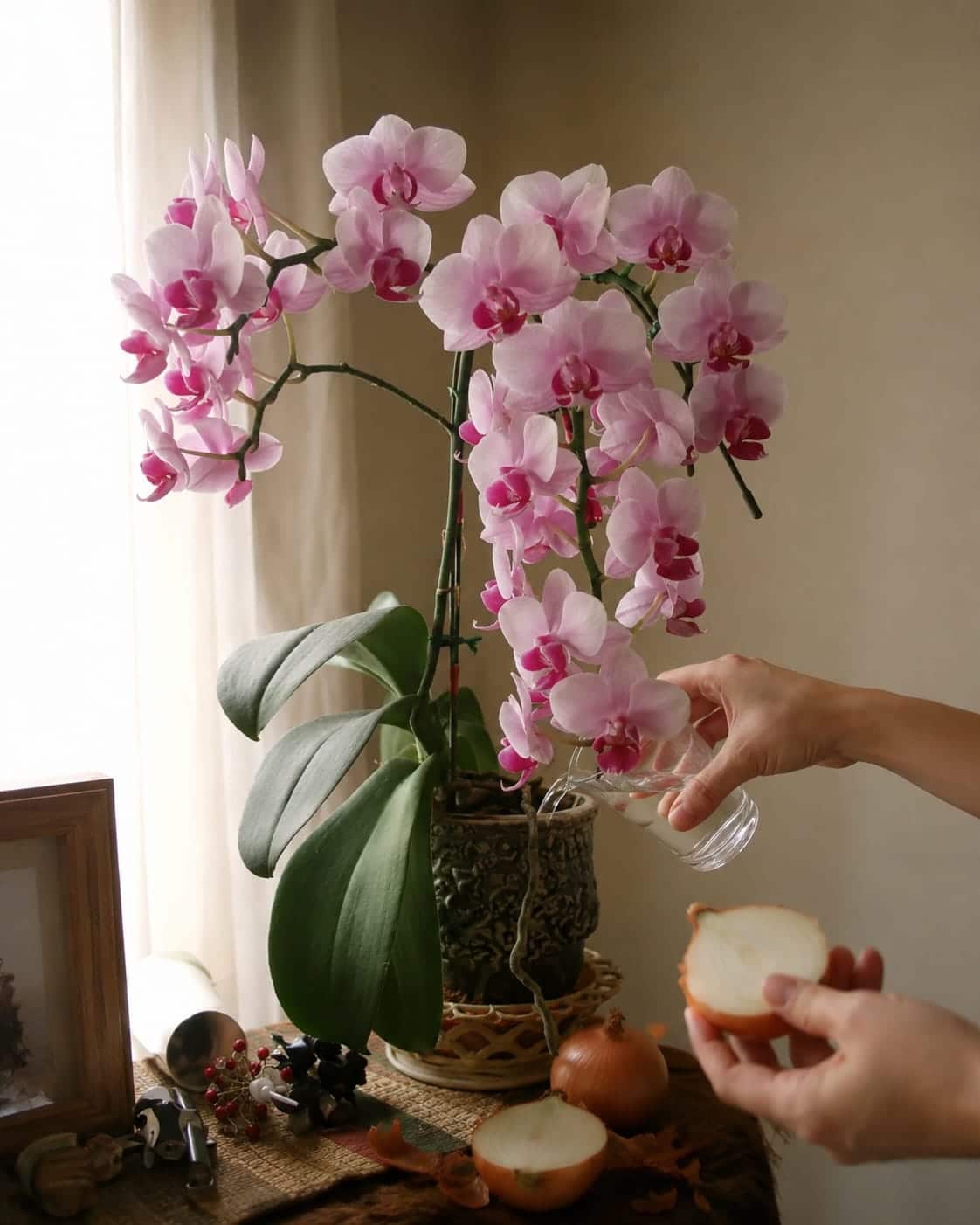
Why Some Homeowners Are Using Onion Water Around Orchids and What Usually Helps More for Strong Roots, Healthy Leaves, and Long-Lasting Blooms
Orchids are among the most elegant indoor flowering plants for homeowners who want graceful stems, glossy green leaves, long-lasting blooms, and a refined decorative display that fits beautifully in living rooms, bedrooms, apartments, home offices, bright kitchens, windowsills, covered patios, commercial interiors, luxury home staging, and premium indoor plant styling. A healthy orchid can turn…
-

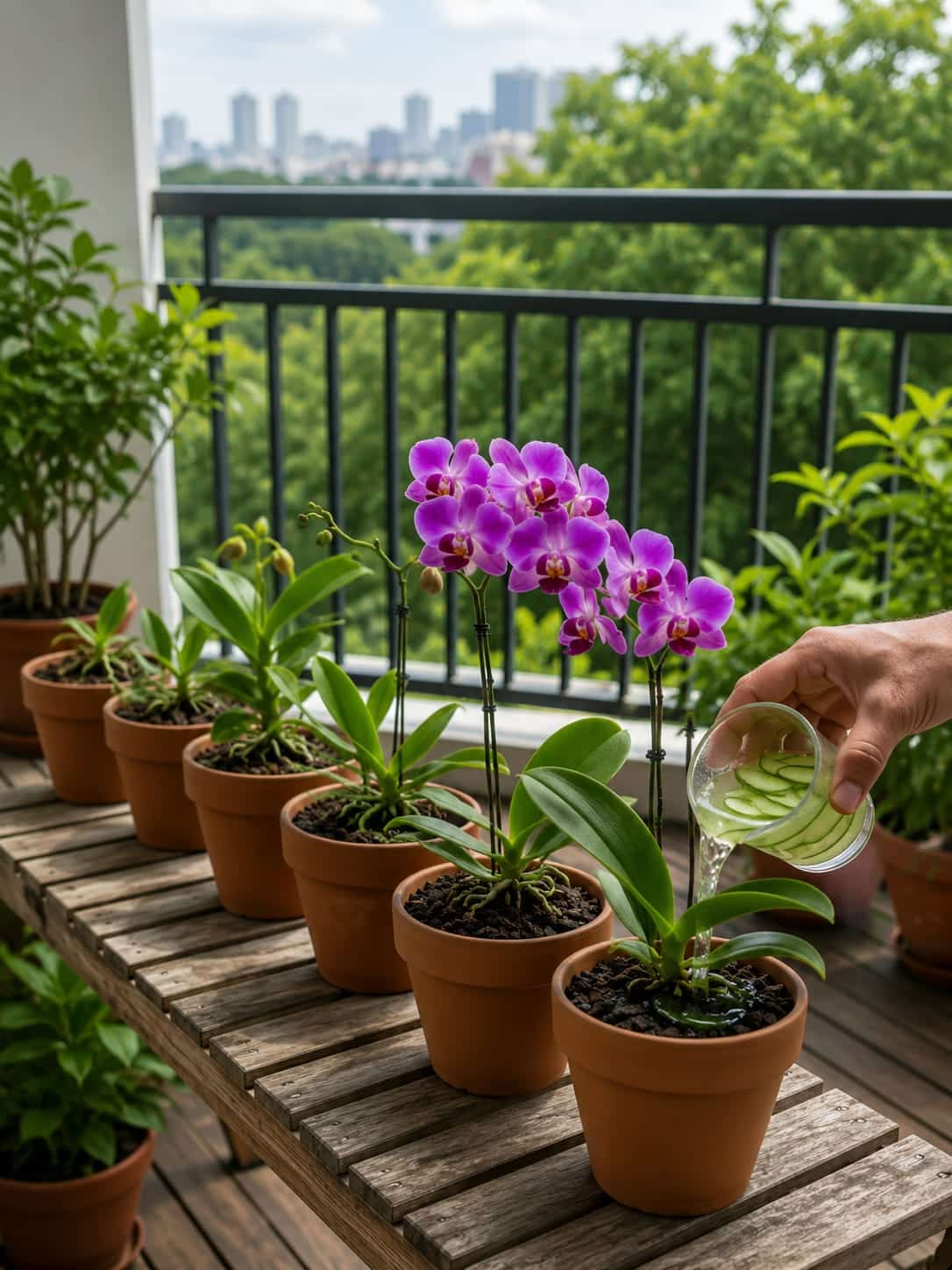
Why Some Homeowners Are Pouring Aloe Water Around Orchids and What Usually Helps More for Strong Roots, Healthy Leaves, and Long-Lasting Blooms
Orchids are among the most elegant indoor flowering plants for homeowners who want graceful blooms, sculptural roots, glossy leaves, and a premium decorative display that fits beautifully in living rooms, bedrooms, apartments, home offices, bright kitchens, balcony gardens, covered patios, commercial interiors, luxury home staging, and refined indoor plant styling. A healthy orchid can make…
-
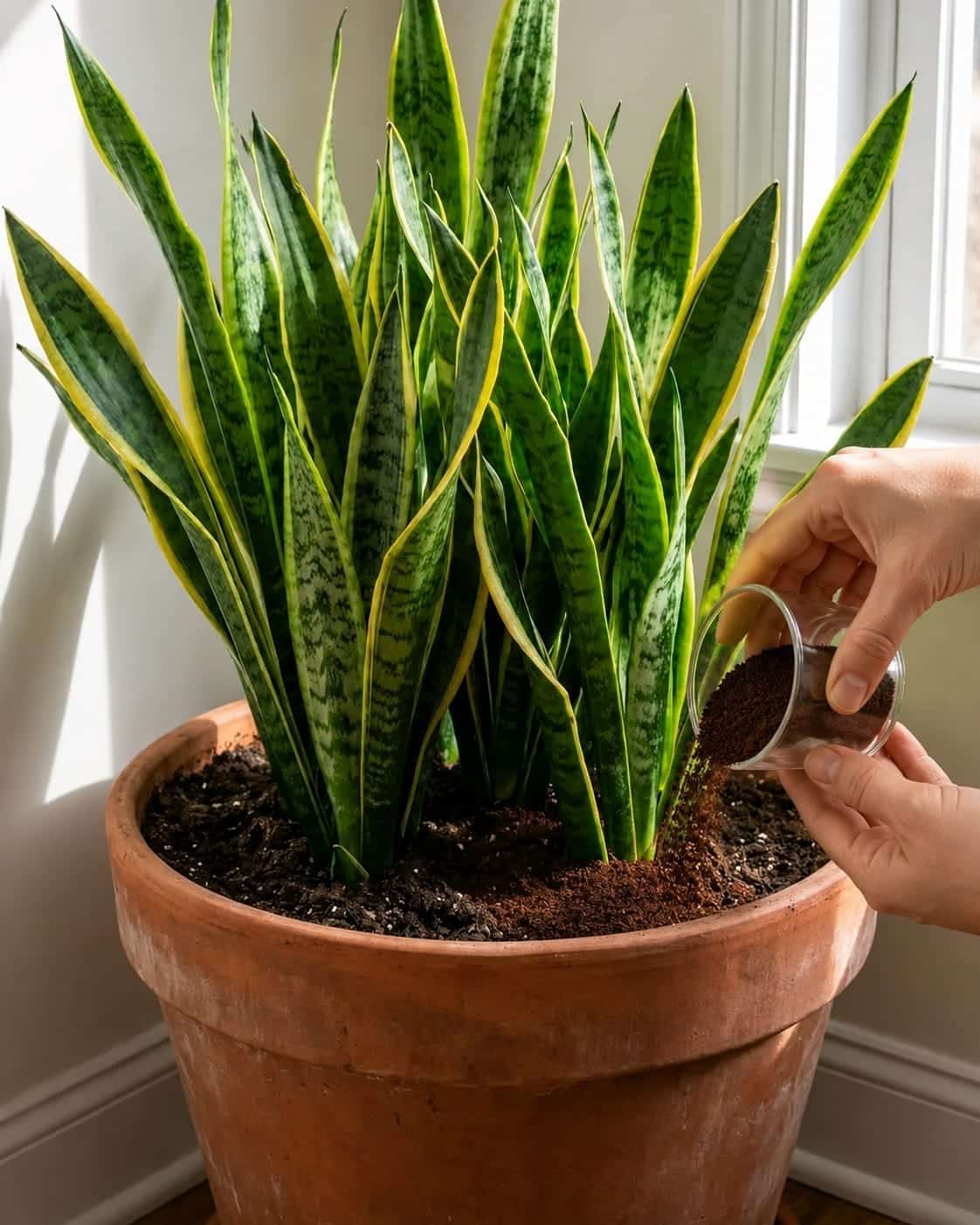
Why Some Homeowners Are Adding Brown Powder Around Snake Plants and What Usually Helps More for Strong Roots, Fuller Growth, and Healthy Indoor Leaves
Snake plant is one of the most dependable indoor plants for homeowners who want strong upright leaves, bold green patterning, yellow-edged variegation, easy maintenance, and a clean decorative display that fits beautifully in living rooms, bedrooms, apartments, home offices, bright kitchens, entry corners, sunny windowsills, plant shelves, commercial interiors, luxury home staging, and premium indoor…