How to Force a Snake Plant to Produce Pups for Unlimited Babies
Meta Description:
Learn how to make a snake plant produce pups quickly using simple gardening techniques. Discover the best soil, light, and natural methods to multiply your snake plant naturally.
Introduction
The Snake Plant is one of the easiest houseplants to grow, but many plant lovers wonder how to make it produce more pups (baby plants). These small offshoots grow from the plant’s underground rhizomes and can eventually be separated to create new plants.
If your snake plant hasn’t produced pups yet—or you want it to grow many more—there are several simple techniques you can use to encourage faster propagation. With the right soil, light, and care methods, you can turn a single snake plant into dozens of new plants over time.
In this guide, you’ll learn the exact methods experienced gardeners use to stimulate pup production and multiply snake plants naturally.
Understanding How Snake Plants Produce Pups
Before trying to force a snake plant to produce pups, it’s helpful to understand how the plant grows.
Snake plants grow from rhizomes, which are thick underground stems. These rhizomes spread through the soil and eventually send up new shoots—these shoots become baby plants.
Several factors influence pup production:
Root space
Light levels
Soil nutrients
Watering patterns
Pot size
By optimizing these conditions, you can dramatically increase the number of pups your plant produces.
1. Give the Plant Bright Indirect Light
Light is one of the most important factors for pup production.
While snake plants tolerate low light, they multiply faster in brighter conditions. Placing the plant near a bright window stimulates stronger growth and encourages the rhizomes to expand.
Best lighting conditions include:
Bright indirect sunlight
East-facing windows
Filtered light near south-facing windows
Plants grown in very low light may survive, but they rarely produce many pups.
2. Use a Slightly Tight Pot
Many gardeners make the mistake of placing snake plants in large containers.
However, snake plants produce more pups when they are slightly root-bound. When the roots begin to fill the pot, the plant sends energy into producing new shoots instead of expanding its root system.
Tips for pot selection:
Choose a pot only 1–2 inches wider than the root ball
Avoid oversized containers
Use pots with good drainage
A crowded root system signals the plant to reproduce.
3. Use the Right Soil Mix
Snake plants need soil that drains quickly while still providing nutrients.
A well-draining mix prevents root rot and encourages healthy rhizome growth.
A good soil mix contains:
50% cactus or succulent soil
25% perlite
25% compost or organic matter
This combination provides both aeration and nutrition, which supports pup formation.
4. Feed the Plant with Natural Fertilizer
Snake plants don’t need heavy fertilizing, but occasional feeding can stimulate growth.
Organic fertilizers help improve soil health and encourage stronger roots.
Good natural fertilizers include:
Worm castings
Compost tea
Diluted fish emulsion
Seaweed extract
Apply fertilizer every 4–6 weeks during the growing season.
Healthy roots lead to more rhizome expansion and more pups.
5. Allow the Soil to Dry Between Watering
Overwatering is one of the biggest reasons snake plants stop producing pups.
These plants prefer slightly dry conditions.
Watering tips:
Allow soil to dry completely
Water every 2–3 weeks
Reduce watering in winter
This watering pattern mimics the plant’s natural desert environment and supports healthy root growth.
6. Divide the Plant Occasionally
Dividing the plant is a technique that encourages future pup production.
When a mature snake plant becomes crowded, separating the clumps gives the rhizomes more room to spread and produce new shoots.
Steps to divide:
Remove the plant from its pot.
Identify natural clumps or rhizomes.
Use a clean knife to separate sections.
Replant each section in fresh soil.
Each division will eventually produce new pups.
7. Increase Warmth and Humidity Slightly
Snake plants grow faster in warm conditions.
Ideal temperatures range between:
- 65°F and 85°F (18–29°C)
Keeping the plant in a warm indoor environment during spring and summer encourages active growth.
Avoid placing snake plants in cold drafts or near air conditioning vents.
8. The “Stress Method” That Triggers Pup Growth
One surprising trick many gardeners use is mild stress.
When a snake plant experiences slight stress—such as being root-bound or slightly dry—it often responds by producing pups as a survival mechanism.
Examples of mild stress include:
Slightly crowded pot
Reduced watering
Increased light exposure
These signals tell the plant it’s time to reproduce.
Signs Your Snake Plant Is About to Produce Pups
Before pups appear, you may notice several signs:
Soil bulging near the plant base
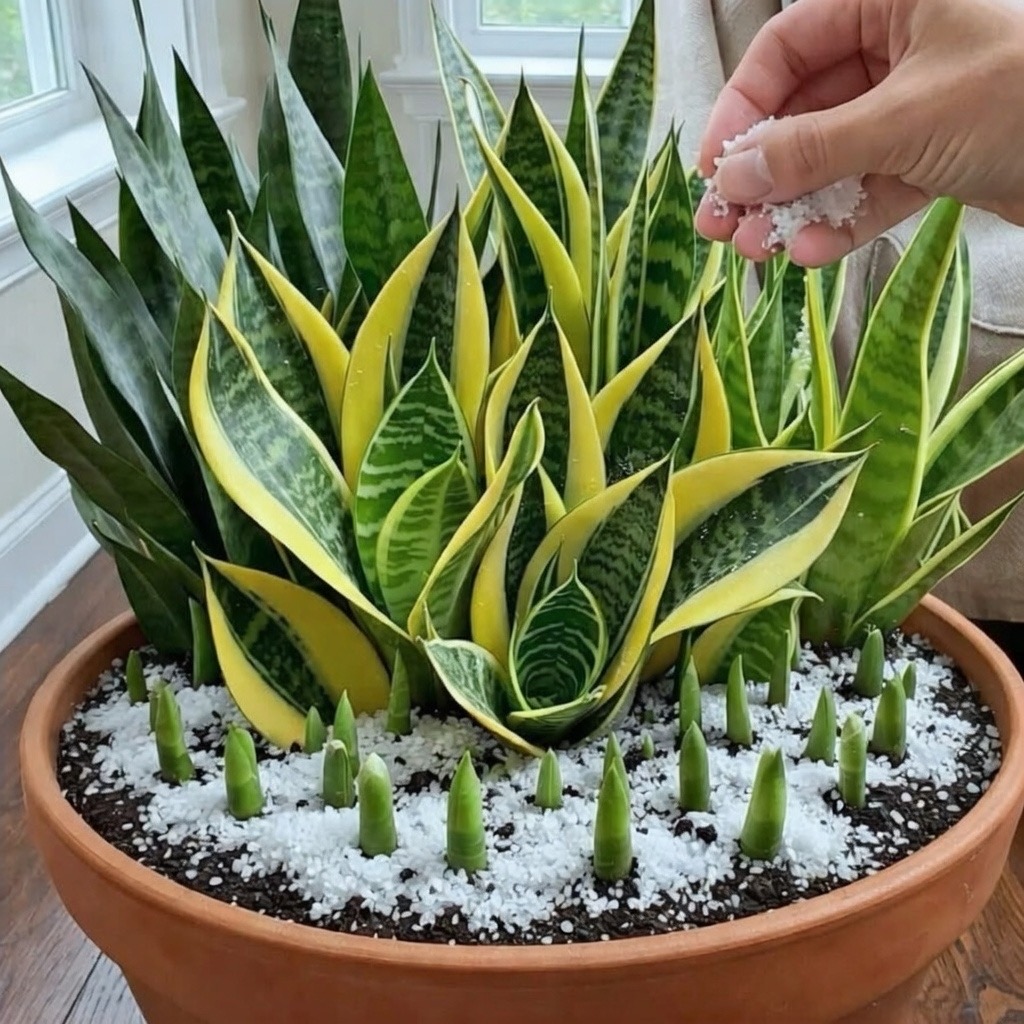
Small spikes emerging from the soil
New shoots appearing beside the main plant
Once pups emerge, they grow quickly and can become full plants within months.
How to Separate Snake Plant Pups
After pups reach 4–6 inches tall, they can be separated.
Steps:
Remove the plant from the pot.
Locate the rhizome connecting the pup.
Cut the rhizome with a clean knife.
Plant the pup in fresh soil.
Water lightly and place in bright indirect light.
Within weeks, the new plant will establish roots.
Common Mistakes That Stop Pup Growth
Even hardy plants can struggle if conditions are wrong.
Avoid these mistakes:
Overwatering
Too much water can rot rhizomes and stop pup production.
Low Light
Plants in dark rooms rarely multiply.
Oversized Pots
Large containers encourage root growth instead of pups.
Poor Drainage
Soil that stays wet damages the root system.
Why Snake Plants Are Perfect for Propagation
Snake plants are popular because they are:
Extremely hardy
Easy to multiply
Low maintenance
Air-purifying houseplants
A single healthy plant can eventually produce dozens of new plants, making it one of the best houseplants for propagation.
Internal Linking Ideas
For better SEO, connect this article with related topics on your site such as:
How to Water Snake Plants Properly
Best Soil Mix for Snake Plants
Why Snake Plants Get Brown Tips
How to Propagate Snake Plants in Water
Natural Fertilizer for Houseplants
Internal links help readers explore your site and improve search engine rankings.
Frequently Asked Questions
How long does it take for a snake plant to produce pups?
Most snake plants produce pups within 3–6 months during the growing season if conditions are ideal.
Why is my snake plant not producing pups?
Common reasons include low light, oversized pots, or poor soil drainage.
Can fertilizer help snake plants produce pups?
Yes. Light feeding with organic fertilizer encourages root development and rhizome growth.
Do snake plants need sunlight to produce pups?
Yes. While they tolerate low light, bright indirect sunlight greatly increases pup production.
How many pups can a snake plant produce?
A healthy snake plant can produce multiple pups every year, eventually filling the entire pot.
Final Thoughts
Encouraging a snake plant to produce pups isn’t difficult once you understand how the plant grows. By providing bright light, well-draining soil, proper watering, and slightly tight root space, you can stimulate rapid pup production.
With patience and the right care, your snake plant can transform from a single houseplant into a thriving collection of baby plants, perfect for sharing, decorating your home, or expanding your indoor garden. 🌱
-

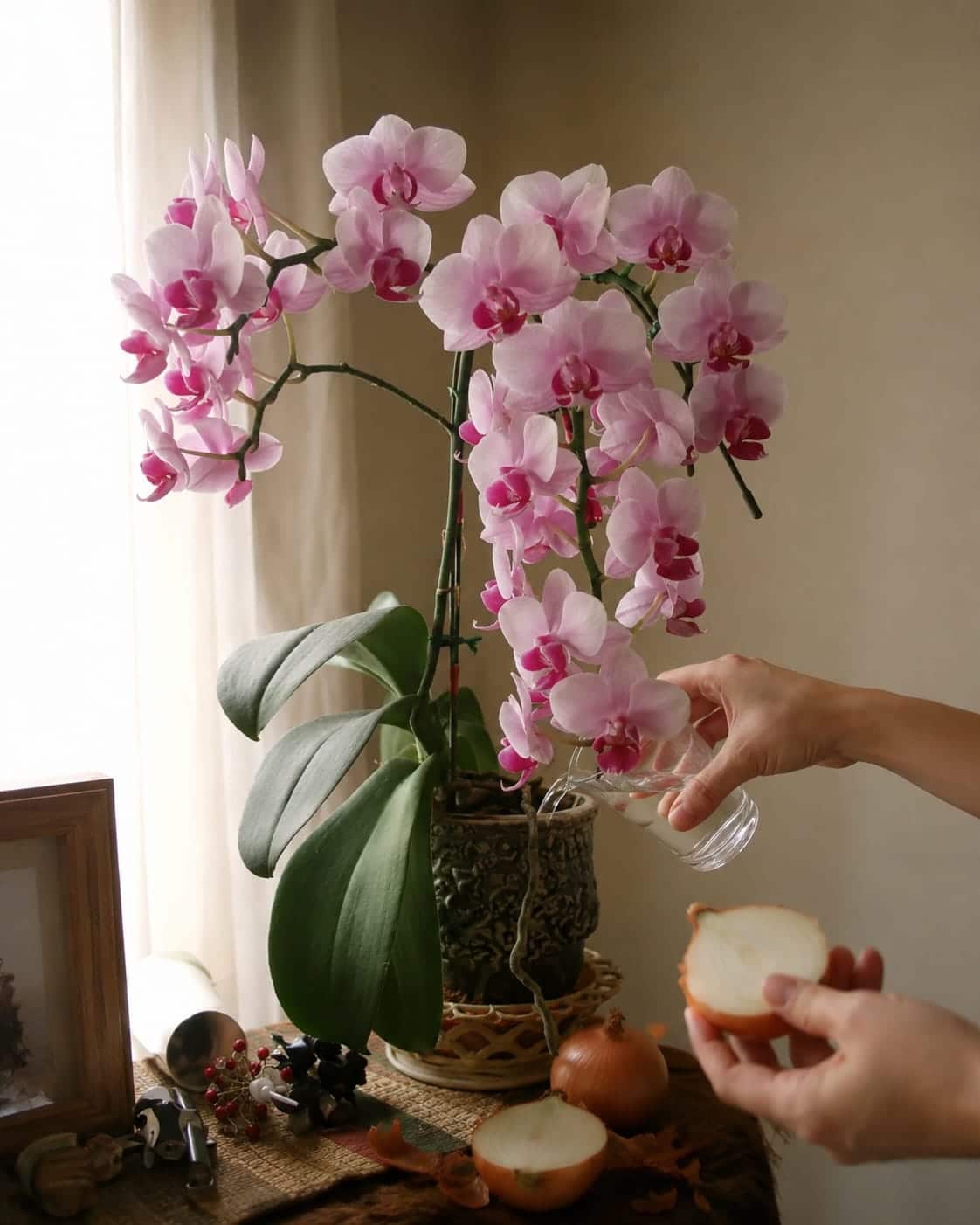
Why Some Homeowners Are Using Onion Water Around Orchids and What Usually Helps More for Strong Roots, Healthy Leaves, and Long-Lasting Blooms
Orchids are among the most elegant indoor flowering plants for homeowners who want graceful stems, glossy green leaves, long-lasting blooms, and a refined decorative display that fits beautifully in living rooms, bedrooms, apartments, home offices, bright kitchens, windowsills, covered patios, commercial interiors, luxury home staging, and premium indoor plant styling. A healthy orchid can turn…
-

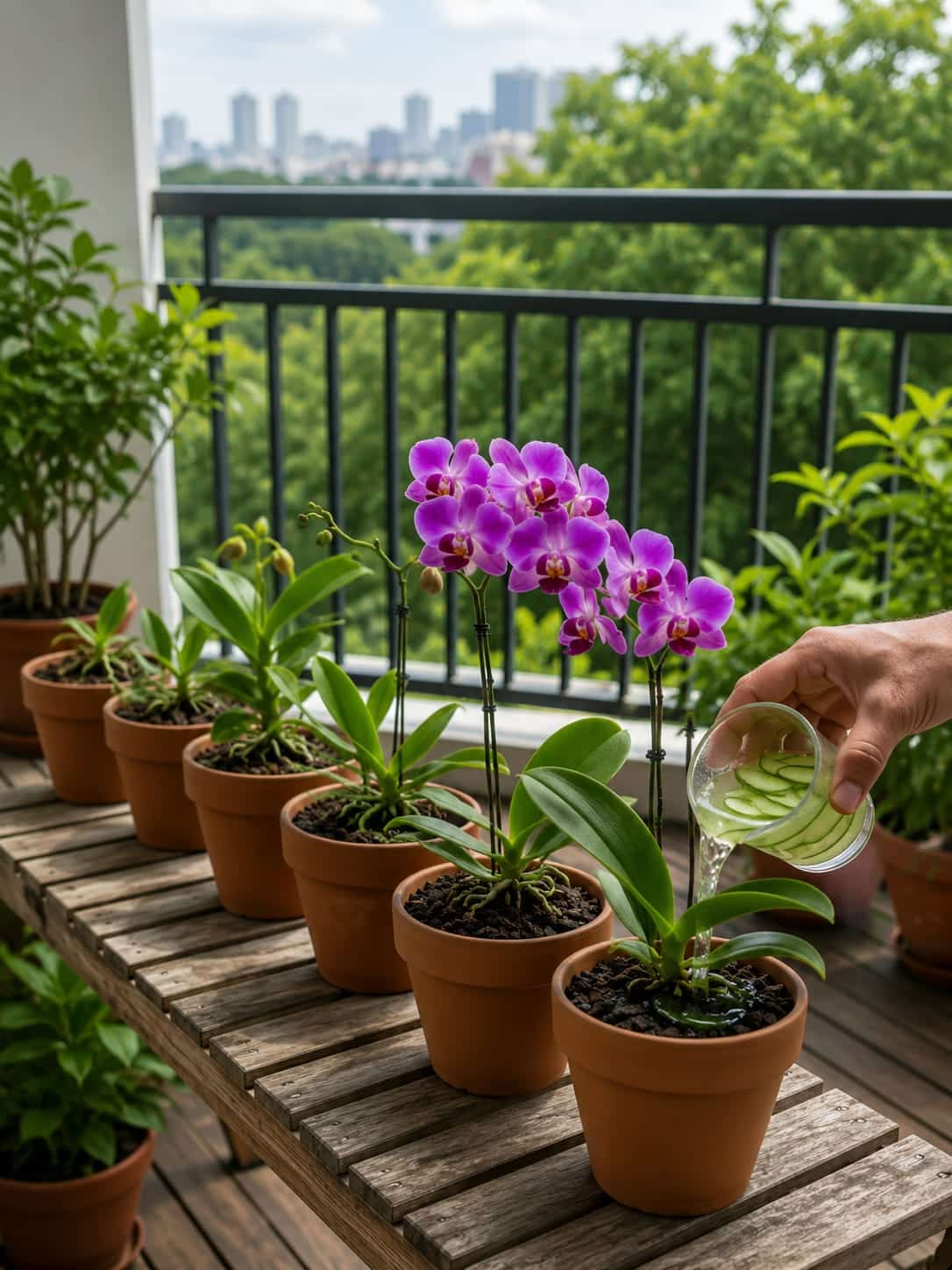
Why Some Homeowners Are Pouring Aloe Water Around Orchids and What Usually Helps More for Strong Roots, Healthy Leaves, and Long-Lasting Blooms
Orchids are among the most elegant indoor flowering plants for homeowners who want graceful blooms, sculptural roots, glossy leaves, and a premium decorative display that fits beautifully in living rooms, bedrooms, apartments, home offices, bright kitchens, balcony gardens, covered patios, commercial interiors, luxury home staging, and refined indoor plant styling. A healthy orchid can make…
-
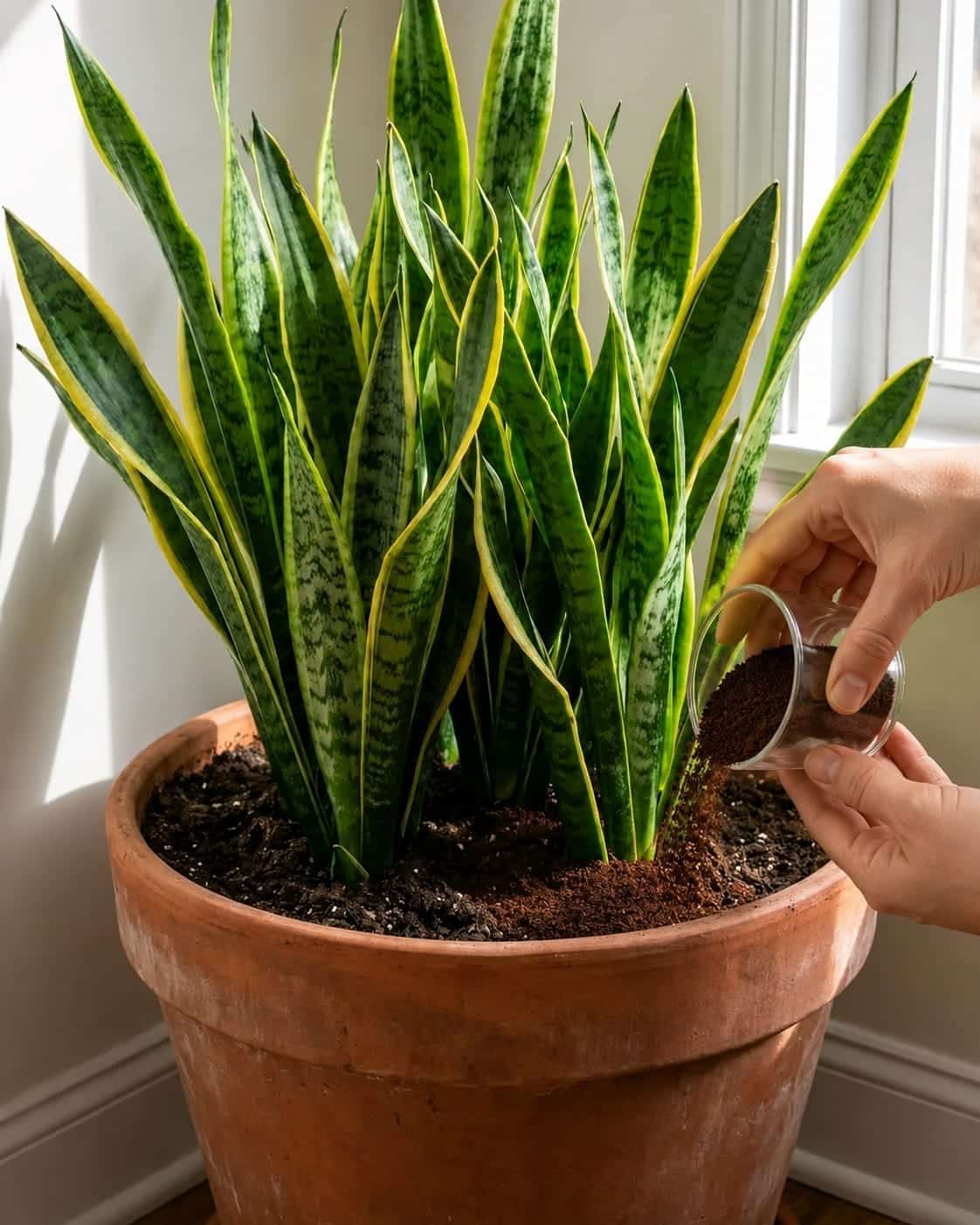
Why Some Homeowners Are Adding Brown Powder Around Snake Plants and What Usually Helps More for Strong Roots, Fuller Growth, and Healthy Indoor Leaves
Snake plant is one of the most dependable indoor plants for homeowners who want strong upright leaves, bold green patterning, yellow-edged variegation, easy maintenance, and a clean decorative display that fits beautifully in living rooms, bedrooms, apartments, home offices, bright kitchens, entry corners, sunny windowsills, plant shelves, commercial interiors, luxury home staging, and premium indoor…