Discover the secret water method that transforms Anthuriums! Most owners have never heard of this technique, but it produces stunning growth, bigger blooms, and healthier roots. Here’s exactly how to do it.
Let me introduce you to my Anthurium, the plant that taught me that sometimes the most obvious care instructions are actually wrong.
For years, I watered my Anthurium like every other houseplant. I’d wait for the soil to dry out, then give it a good soak. It survived. It even bloomed occasionally. But it never truly thrived. The leaves were okay, but not spectacular. The flowers were few and far between. I accepted this as normal.
Then I visited a friend who had the most incredible Anthurium I’d ever seen. It was massive, with glossy, dark green leaves and at least a dozen vibrant red flowers. It looked like something from a botanical garden, not a living room. I asked her secret, expecting to hear about expensive fertilizers or specialized grow lights.
Her answer shocked me: “I don’t water it like other plants. I use a completely different method.”
She explained that most Anthurium owners, myself included, were missing a crucial aspect of their plant’s natural history. Anthuriums aren’t like regular houseplants. In their native rainforest habitats, they grow differently and need their water delivered differently.
She taught me her water method that day, and I’ve never looked back. My Anthurium transformed. The leaves grew larger and glossier. New flowers appeared regularly. The roots became stronger and healthier. All from a simple change in how I delivered water.
In this article, I’m going to share this secret water method that most Anthurium owners don’t know exists. It’s simple, natural, and will transform your plant.
Why Anthuriums Are Different from Other Houseplants
To understand why this water method works, you first need to understand how Anthuriums grow in nature.
Epiphytic Origins
Anthuriums are epiphytes in their native tropical environments. This means they don’t grow in soil on the forest floor. Instead, they grow on trees, with their roots exposed to the air, absorbing moisture and nutrients from rain, humidity, and organic debris that collects around them .
This is a completely different lifestyle from terrestrial plants that grow in soil. Anthurium roots are adapted to high humidity and excellent airflow, not to being constantly surrounded by dense, wet potting mix .
The Problem with Traditional Watering
When we pot Anthuriums in regular soil and water them like typical houseplants, we create conditions that are the opposite of what they need. The dense, constantly moist medium can suffocate the roots and lead to root rot, the number one killer of Anthuriums .
Most owners respond to problems by adjusting how often they water—more or less frequently. But the real issue isn’t frequency—it’s method.
The Secret Water Method Revealed: The “Ice Cube” Myth Busted
Before I reveal the correct method, let’s address a common misconception. You may have seen advice to water Anthuriums with ice cubes. Do not do this. Anthuriums are tropical plants, and ice-cold water can shock their roots, causing damage and stress .
The secret method I’m about to share is the opposite of that—it’s about delivering lukewarm, oxygenated water in a way that mimics the plant’s natural environment.
The Method: Bottom Watering with Room Temperature, Oxygenated Water
Here’s the secret: Water your Anthurium from the bottom using room temperature water that has been allowed to breathe.
This simple change addresses multiple needs at once:
· Bottom watering encourages deep root growth
· Room temperature water prevents root shock
· Oxygenated water supports healthy root function
Why This Method Works So Well
- Bottom Watering Encourages Deep Root Growth
When you water from the top, water tends to run down the sides of the pot and out the drainage holes, leaving the center of the root ball dry . Bottom watering ensures that water is drawn up evenly throughout the pot, encouraging roots to grow downward and become stronger .
- Prevents Leaf and Crown Rot
Anthuriums are susceptible to fungal issues if water sits on their leaves or in their crowns . Top watering can splash soil onto leaves and leave moisture in the crown. Bottom watering eliminates this risk entirely .
- Mimics Natural Rainforest Conditions
In nature, Anthuriums absorb moisture from humid air and from water that collects in tree crevices and runs down during rain. Bottom watering, combined with high humidity, replicates this environment .
- Oxygenated Water Supports Healthy Roots
Roots need oxygen to function. Water that has been sitting out allows chlorine to evaporate and oxygen to dissolve, creating an ideal environment for root health .
Step-by-Step: How to Use This Secret Water Method
Here’s exactly how to implement this method with your Anthurium.
What You’ll Need:
· Room temperature water (filtered or distilled is best)
· A container larger than your pot (a bowl, bucket, or sink)
· Your Anthurium (in a pot with drainage holes)
Step 1: Prepare the Water
- Fill a container with water and let it sit out for 24 hours. This allows chlorine to evaporate and the water to come to room temperature and become oxygenated .
- If you’re in a hurry, you can use filtered water, but room temperature is essential.
Step 2: Fill the Water Container
- Place your Anthurium (in its pot) into the empty container.
- Fill the container with water until it reaches about halfway up the pot’s side . Do not submerge the entire pot—the water should not reach the base of the plant’s stems .
Step 3: Let It Soak
- Allow the plant to soak for 15-30 minutes . The soil will draw water up through the drainage holes via capillary action .
- You’ll know it’s done when the top of the soil feels moist to the touch .
Step 4: Drain Thoroughly
- Remove the pot from the water container and place it in a sink or tub to drain completely .
- Do not return it to its decorative pot until all excess water has drained out. Never let an Anthurium sit in standing water .
Step 5: Return to Its Spot
- Once drained, return your Anthurium to its regular location.
- Don’t water again until the top inch of soil is completely dry .
How Often to Use This Method
The frequency depends on your home’s conditions, but here are general guidelines:
Season Watering Frequency
Spring/Summer (Growing Season) Every 7-10 days
Fall/Winter (Dormant Season) Every 14-21 days
Always check soil moisture before watering. Stick your finger about an inch into the soil. If it feels dry, it’s time to water. If it still feels moist, wait a few more days .
Beyond Watering: Complete Anthurium Care
This water method works best as part of a complete care routine.
Light
Anthuriums need bright, indirect light. An east or north-facing window is ideal. Direct sun will burn the leaves. Too little light, and they won’t bloom .
Humidity
This is crucial for Anthuriums. They need high humidity (60-80%) to thrive. If your home is dry, especially in winter:
· Use a humidifier nearby
· Place the pot on a pebble tray filled with water
· Group plants together to create a microclimate
· Mist occasionally (but avoid getting water on the flowers)
Temperature
Anthuriums prefer temperatures between 65-80°F (18-27°C) . They are sensitive to cold drafts and temperatures below 55°F .
Soil
Use a light, airy, well-draining potting mix. A mix designed for orchids or a combination of potting soil, perlite, and orchid bark works well. Regular potting soil is too dense .
Fertilizer
Feed with a balanced, water-soluble fertilizer diluted to half strength every 4-6 weeks during spring and summer . Reduce or stop fertilizing in fall and winter.
Cleaning
Dust can accumulate on the large, glossy leaves. Wipe them gently with a damp cloth every few weeks to keep them photosynthesizing efficiently .
The “Ice Cube” Myth: Why You Should Avoid It
You may have seen advice to water Anthuriums with ice cubes. This is a marketing gimmick that spread online, but it’s harmful to tropical plants .
Why Ice Cubes Are Bad:
· Temperature Shock: Anthuriums are tropical plants. Ice-cold water shocks their roots, causing stress and potential damage .
· Uneven Watering: Ice cubes melt slowly, watering only a small portion of the soil and leaving the rest dry .
· Root Damage: Cold water can damage delicate root hairs, reducing the plant’s ability to absorb water and nutrients .
Always use room temperature water for your Anthurium.
Signs Your Anthurium Loves This Method
When you switch to this watering method, watch for these positive signs:
- New Growth
Within weeks, you should see new leaves unfurling. Healthy Anthuriums produce new growth regularly during the growing season .
- More Blooms
Proper watering encourages flowering. You should see new flower spathes (the colorful part) emerging .
- Glossier Leaves
Well-hydrated, healthy Anthuriums have glossy, vibrant leaves. Dull leaves can indicate stress .
- Healthy Roots
If you ever repot, you’ll notice firm, white or cream-colored roots instead of brown, mushy ones .
Troubleshooting Common Anthurium Problems
Even with perfect watering, issues can arise. Here’s how to diagnose and fix them.
Problem: Yellow Leaves
Possible Cause Solution
Overwatering Let soil dry out more between waterings
Too much direct sun Move to a spot with bright, indirect light
Nutrient deficiency Fertilize during growing season
Problem: Brown, Crispy Leaf Tips
Possible Cause Solution
Low humidity Increase humidity with pebble tray or humidifier
Underwatering Water more frequently or soak longer
Tap water chemicals Use filtered or distilled water
Problem: No Blooms
Possible Cause Solution
Insufficient light Move to brighter spot with indirect light
Lack of fertilizer Feed during growing season
Plant too young Mature plants bloom more readily
Problem: Drooping Leaves
Possible Cause Solution
Underwatering Water thoroughly using bottom method
Root rot from overwatering Check roots, repot if necessary
Temperature stress Move away from drafts or heat sources
Problem: Brown Spots on Leaves
Possible Cause Solution
Fungal issues from wet leaves Avoid getting water on leaves, improve air circulation
Sunburn Move out of direct sunlight
Frequently Asked Questions (FAQs)
Q: Can I use this method for all my Anthuriums?
A: Yes! This method works for all Anthurium varieties, including the popular flowering types and the spectacular crystal Anthuriums grown for their foliage .
Q: What type of water is best?
A: Rainwater is ideal. If you use tap water, let it sit out for 24 hours to allow chlorine to evaporate. Distilled or filtered water also works well .
Q: How do I know if I’m overwatering?
A: Signs of overwatering include yellowing leaves, mushy stems, and a foul smell from the soil. If you suspect overwatering, stop watering and let the soil dry out completely .
Q: Can I bottom water and top water alternately?
A: Yes! Some owners top water occasionally to flush out excess salts from fertilizers. Just be careful not to get water on the leaves or crown .
Q: My Anthurium is in a pot without drainage holes. Can I still bottom water?
A: No. This method requires drainage holes. If your pot doesn’t have them, you should repot into one that does, or use this method carefully and pour out any excess water after soaking .
Q: Should I mist my Anthurium?
A: Misting can help with humidity, but avoid getting water on the flowers, which can cause spotting. A humidifier or pebble tray is more effective .
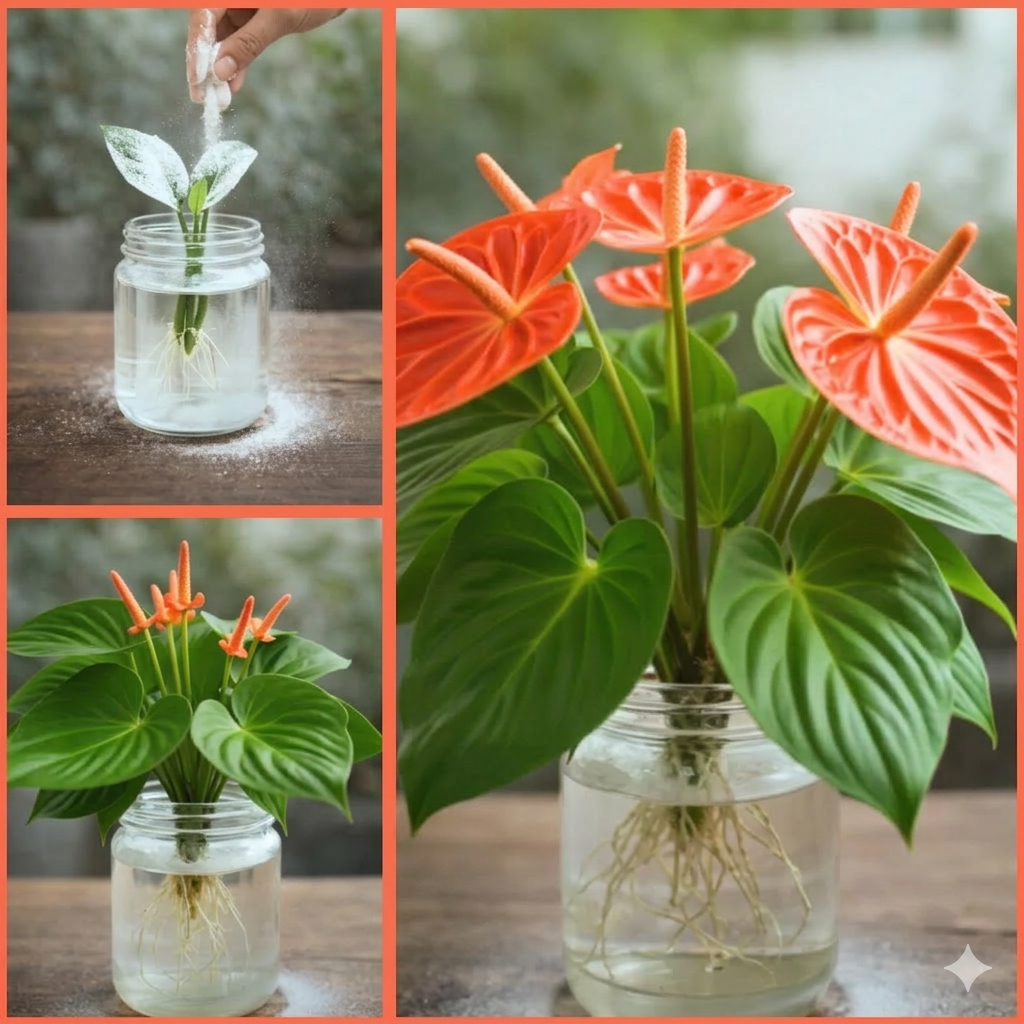
Q: Can I propagate Anthuriums in water?
A: Yes! You can root Anthurium cuttings in water. Use room temperature, filtered water and change it weekly. Once roots are several inches long, pot in appropriate soil .
The Crystal Anthurium Difference
If you grow crystal Anthuriums (Anthurium crystallinum or Anthurium clarinervium) grown for their stunning, velvety leaves with dramatic white veins, this water method is especially important.
These plants are even more sensitive to overwatering and root rot. The bottom watering method, combined with the extremely airy potting mix they require, is essential for their health .
Crystal Anthuriums also benefit from:
· Even higher humidity (70-80%)
· Distilled or rainwater only
· Very careful watering—they like to dry out slightly between waterings
My Final Thoughts
The secret water method of bottom watering with room temperature, oxygenated water transformed my Anthurium from a surviving plant into a thriving one. It’s such a simple change, but it addresses the fundamental needs of these epiphytic beauties.
Most Anthurium owners don’t know this method exists because we’re taught to water all plants the same way. But Anthuriums aren’t like all plants. By understanding their natural history and adapting our care to match it, we unlock their full potential.
I hope this guide has given you everything you need to implement this method with your own Anthuriums. Remember the key points: room temperature water, bottom soak for 15-30 minutes, drain thoroughly, and let the soil dry out between waterings.
Have you tried this method? Do you have other tips for Anthurium care? I’d love to hear about your experiences in the comments below!
And if you’re looking for more plant care guides, be sure to check out our articles on:
· The Hidden Trick That Makes Peace Lilies Grow Nonstop
· How I Revived My Snake Plant Using Homemade Organic Liquid Fertilizer
· The 1-Drop Trick That Makes Christmas Cactus Bloom Nonstop
Here’s to happy, healthy Anthuriums and the simple magic of the right watering method! 💧✨
Did this method work for your Anthurium? Share your before-and-after photos with us on social media—we’d love to see your thriving plants!
More Recipes You Might Like
-

Why Some Homeowners Are Using Onion Water Around Orchids and What Usually Helps More for Strong Roots, Healthy Leaves, and Long-Lasting Blooms
Orchids are among the most elegant indoor flowering plants for homeowners who want graceful stems, glossy green leaves, long-lasting blooms, and a refined decorative display that fits beautifully in living rooms, bedrooms, apartments, home offices, bright kitchens, windowsills, covered patios, commercial interiors, luxury home staging, and premium indoor plant styling. A healthy orchid can turn…
-

Why Some Homeowners Are Pouring Aloe Water Around Orchids and What Usually Helps More for Strong Roots, Healthy Leaves, and Long-Lasting Blooms
Orchids are among the most elegant indoor flowering plants for homeowners who want graceful blooms, sculptural roots, glossy leaves, and a premium decorative display that fits beautifully in living rooms, bedrooms, apartments, home offices, bright kitchens, balcony gardens, covered patios, commercial interiors, luxury home staging, and refined indoor plant styling. A healthy orchid can make…
-
Why Some Homeowners Are Adding Brown Powder Around Snake Plants and What Usually Helps More for Strong Roots, Fuller Growth, and Healthy Indoor Leaves
Snake plant is one of the most dependable indoor plants for homeowners who want strong upright leaves, bold green patterning, yellow-edged variegation, easy maintenance, and a clean decorative display that fits beautifully in living rooms, bedrooms, apartments, home offices, bright kitchens, entry corners, sunny windowsills, plant shelves, commercial interiors, luxury home staging, and premium indoor…