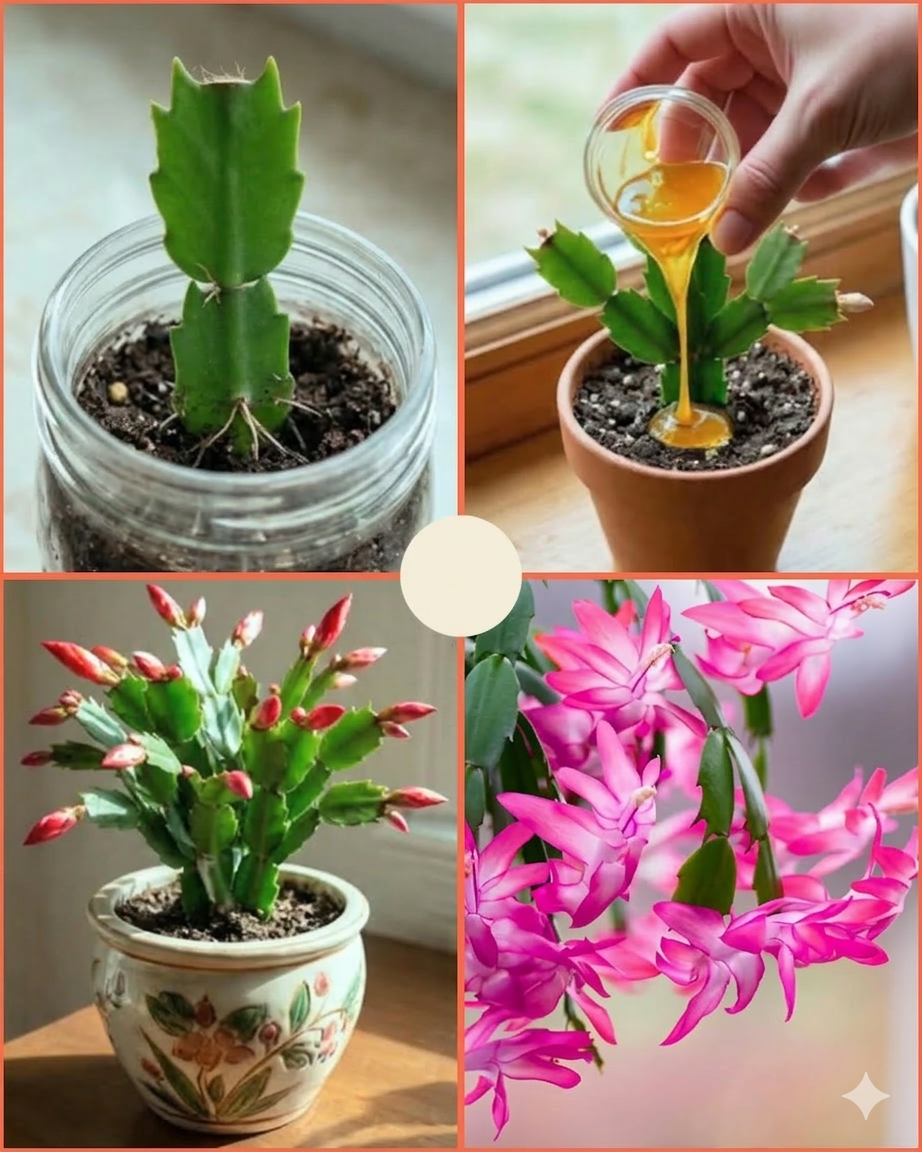
Is your Christmas cactus looking tired, soft, and close to dying? Don’t give up! One cup of this simple, natural secret can help revive it. Most people never realize how effective this trick can be.
Let me tell you about the Christmas cactus that almost ended up in the trash.
It was a plant I’d had for years—a gift from my grandmother, passed down from her grandmother before her. That cactus had been in our family for generations, surviving moves, children, pets, and all kinds of neglect. It was practically a family heirloom.
Then, last year, it started dying.
The segments that had always been firm and upright became soft and limp. The vibrant green faded to a sickly pale, almost yellowish color. Some segments actually started shriveling and dropping off. It looked like it was giving up, slowly but surely, after decades of thriving.
I tried everything. I adjusted the watering. I moved it to different spots. I checked for pests. Nothing seemed to help. My grandmother’s plant, the living connection to my family history, was dying on my watch.
I was about to throw it away when a friend who runs a small nursery stopped by. She looked at my sad cactus, shook her head, and said, “Don’t throw that away. One cup of this, and you might be surprised.”
She mixed up something in her kitchen—just a few simple ingredients—and told me to water my cactus with it. I was skeptical, but I had nothing to lose.
Within weeks, my Christmas cactus started coming back. New segments appeared. The limp ones firmed up. Color returned. Today, it’s healthier than it’s been in years, and it bloomed like crazy last December.
In this article, I’m going to share that secret with you. One cup of this simple mixture can help revive a struggling Christmas cactus when it looks tired, soft, and close to dying. Most people never realize how effective this trick can be.
Why Christmas Cacti Sometimes Struggle
Before we dive into the rescue method, let’s understand why Christmas cacti (Schlumbergera bridgesii) sometimes decline.
They’re Not Desert Cacti
First, a crucial fact: Christmas cacti are not desert plants. They’re tropical epiphytes that grow naturally in the shady branches of trees in Brazilian rainforests . This means they have very different needs from the spiky desert plants we typically imagine when we hear “cactus.”
Common Reasons for Decline
Problem Signs Common Cause
Overwatering Soft, mushy segments; yellowing Soil stays wet too long; root rot
Underwatering Wrinkled, shriveled segments Soil too dry for too long
Root Rot Soft segments + foul smell + black roots Overwatering + poor drainage
Nutrient Deficiency Pale, slow-growing, no blooms Depleted soil, no fertilizer
Temperature Stress Bud drop, limp segments Drafts, heat vents, sudden changes
Too Little Light Stretched growth, pale color Insufficient bright indirect light
In my case, my Christmas cactus was suffering from a combination of old, depleted soil and inconsistent watering. The roots were still healthy, but the plant was starving.
The Secret Revealed: One Cup of “Cactus Tea”
The secret that saved my Christmas cactus is a simple, homemade “tea” made from two common kitchen ingredients: black tea and banana peels.
Why This Mixture Works
Black Tea:
· Contains tannins with mild antifungal properties that can help combat root rot
· Provides a gentle, natural source of nitrogen and other nutrients
· The mild acidity helps balance soil pH
Banana Peels:
· Rich in potassium, essential for overall plant health and blooming
· Contain phosphorus for root development
· Provide calcium and other trace minerals
Together, these two ingredients create a gentle, natural fertilizer that provides exactly what a struggling Christmas cactus needs—without the risk of chemical burn .
How to Make the Secret “Cactus Tea”
Here’s exactly how to make this revival mixture.
What You’ll Need:
· 1 black tea bag (regular breakfast tea—Lipton, PG Tips, or English Breakfast)
· 1 banana peel, chopped into small pieces
· 4 cups water
· A container with a lid (like a mason jar or old milk jug)
Step-by-Step Instructions:
Step 1: Brew the Tea
- Bring 4 cups of water to a boil.
- Place the tea bag in your container and pour the hot water over it.
- Let it steep until the water cools completely to room temperature. Do not remove the tea bag yet.
Step 2: Add Banana Peels
- While the tea is steeping, chop your banana peel into small pieces (about 1-inch squares). Smaller pieces break down faster.
- Add the chopped peel to the cooled tea.
- Put the lid on the container.
Step 3: Let It Steep
- Let the mixture steep at room temperature for 24-48 hours. The water will become darker and may develop a slight earthy smell—that’s good.
- Give the container a shake occasionally to help the nutrients release.
Step 4: Strain
- After 24-48 hours, strain the liquid through a fine-mesh sieve or cheesecloth into another container. Discard the used tea bag and banana peel pieces (compost them if you have one).
- Your “cactus tea” is now ready to use.
Step 5: Dilute (If Needed)
The tea is usually gentle enough to use as is, but if you’re nervous, you can dilute it with an equal amount of plain water .
How to Apply the Secret Mixture
Follow these steps to give your struggling Christmas cactus the best chance at revival.
Step 1: Assess the Damage
Before applying anything, check your cactus for signs of severe root rot. Gently remove the plant from its pot and examine the roots.
· Healthy roots: Firm and white, cream, or light brown
· Rotten roots: Brown, black, mushy, and often smelly
If you find rotten roots, trim them away with sterilized scissors and repot in fresh, well-draining cactus mix before using the tea .
Step 2: Water with the Tea
- Use your cactus tea to water the plant instead of regular water .
- Water thoroughly until liquid runs out the drainage holes.
- Make sure the plant is not sitting in standing water afterward.
Step 3: Repeat Monthly
- Use this tea once a month during the growing season (spring through early fall) .
- Stop during the winter rest period (after blooming).
- Between treatments, continue watering with plain water as usual.
Step 4: Provide Proper Care
While the tea works its magic, ensure your cactus has:
· Bright, indirect light
· Proper temperatures (65-75°F during day, cooler at night)
· Good air circulation
· High humidity (pebble tray or humidifier helps)
What to Expect: The Revival Timeline
Based on my experience and reader feedback, here’s what typically happens after starting this treatment.
Week 1-2: No Visible Changes
Don’t panic if nothing happens immediately. The plant is absorbing nutrients and working on root health underground.
Week 3-4: First Signs of Life
You may notice:
· Segments becoming firmer
· Color deepening from pale to healthier green
· Tiny new growth at segment tips
Month 2-3: Visible Recovery
· New segments appearing
· Overall plant looking fuller and more vibrant
· Existing leaves plumping up
Month 3-6: Full Recovery and Blooming
· Plant looks healthy and vigorous
· Flower buds may appear (depending on season)
· You’ve saved your Christmas cactus!
The Science Behind the Magic
Let’s dive deeper into why this simple mixture works so well.
Tannins in Black Tea
Tannins are natural compounds with mild antifungal and antibacterial properties . When you water with black tea, these tannins help suppress the fungi and bacteria that cause root rot . They also create a slightly acidic environment that Christmas cacti prefer .
Potassium from Banana Peels
Potassium is essential for:
· Overall plant vigor
· Water regulation in plant cells
· Disease resistance
· Flower production
The potassium from banana peels provides exactly what a struggling cactus needs to strengthen its cells and produce new growth .
Gentle, Slow-Release Action
Unlike synthetic fertilizers that deliver a quick burst of nutrients (and risk burning damaged roots), this homemade tea provides a gentle, steady supply . It’s like a nutrient IV drip for a sick plant.
Pro Tips for Maximum Revival Success
- Use Organic Bananas
Conventionally grown bananas may have pesticide residues on the peels. Organic bananas ensure you’re not adding chemicals to your soil .
- Don’t Overdo It
Once a month is plenty. More frequent applications can lead to nutrient buildup and potentially harm the plant .
- Combine with Proper Watering
The tea is a boost, not a replacement for good care. Between treatments, water only when the top inch of soil feels dry .
- Provide Adequate Light
A struggling plant needs energy to recover. Make sure your cactus gets plenty of bright, indirect light during the revival period .
- Be Patient
Revival takes time. Don’t expect overnight miracles. Give it weeks and months, not days.
- Watch for Pests
Stressed plants are more susceptible to pests. Inspect regularly for mealybugs, scale, and spider mites .
Other Natural Boosts for Christmas Cacti
While the tea method is my favorite, here are other natural options that can help:
- Rice Water
Like potato water for snake plants, rice water contains starches and B vitamins that feed beneficial soil microbes . Rinse your rice, save the water, and use it similarly.
- Eggshell Water
Rinse and crush eggshells, soak in water for a few days, and use the calcium-rich water on your plants. This supports cell wall strength .
- Molasses Water
Mix 1 tablespoon of unsulfured molasses with 1 gallon of water. Molasses feeds soil microbes and provides微量 minerals . Use sparingly.
- Compost Tea
Steep a handful of finished compost in water for 24 hours, strain, and use. This provides a wide spectrum of nutrients .
Complete Christmas Cactus Care for Long-Term Health
Once your cactus is revived, here’s how to keep it thriving.
Light
Christmas cacti need bright, indirect light year-round . An east-facing window is ideal. During fall (September-October), they need 12-14 hours of complete darkness each night to trigger bud formation .
Watering
· Growing season: Water when the top inch of soil feels dry
· Fall (bud formation): Reduce watering slightly to encourage blooming
· During bloom: Keep soil consistently moist (but not wet)
· After bloom (rest period): Reduce watering significantly for 4-6 weeks
Always use room-temperature water. Cold water can shock roots and cause bud drop .
Temperature
· Growing season: 70-80°F during day, 60-70°F at night
· Fall bud formation: 50-60°F at night is ideal
· During bloom: 65-70°F to prolong flower life
· Avoid: Drafts, heating vents, and sudden temperature swings
Humidity
Christmas cacti love humidity. Aim for 50-60% humidity . Increase humidity by using a pebble tray, grouping plants, or running a humidifier.
Soil and Potting
Use light, well-draining soil. A mix for cacti and succulents works well, or make your own with potting soil, perlite, and orchid bark . Repot only every 3-4 years, and only go up one pot size.
Fertilizer
Use a balanced fertilizer (20-20-20) diluted to half strength once a month during spring and summer . Switch to a high-phosphorus “bloom booster” in late summer to encourage flowers.
Frequently Asked Questions (FAQs)
Q: Can I use any type of tea?
A: Stick to plain black tea. Herbal teas don’t contain the same beneficial tannins, and flavored teas may have additives .
Q: How often should I use the banana peel tea?
A: Once a month during the growing season (spring through early fall) is perfect. Stop during winter .
Q: Can I use this on other plants?
A: Absolutely! This gentle fertilizer works well for many houseplants, including orchids, peace lilies, and ferns .
Q: My cactus has root rot. Should I use this tea?
A: First, address the root rot. Remove the plant, trim away all rotten roots, and repot in fresh, dry soil. Wait at least two weeks before using any fertilizer, including this tea .
Q: How long does the tea last?
A: Store in a sealed container in the refrigerator for up to a week. Fresh is always best .
Q: Can I use this on Thanksgiving or Easter cacti?
A: Yes! All Schlumbergera varieties respond well to this treatment .
Q: Will this make my cactus bloom?
A: It supports overall health, which is necessary for blooming. For actual bloom induction, you still need the darkness and cool temperature treatment in fall .
Troubleshooting: When Revival Doesn’t Happen
If you’ve tried this method and aren’t seeing improvement, check for these issues:
Issue: Severe Root Rot
If most of the roots are black and mushy, the plant may be too far gone. Try taking healthy stem cuttings and propagating them in fresh soil .
Issue: Plant Is Too Far Gone
Sometimes, despite our best efforts, a plant can’t be saved. If the stem is completely mushy from the base, it may be time to start fresh with cuttings from any remaining healthy segments .
Issue: Environmental Problems
If the plant isn’t responding, double-check your light, temperature, and watering. The tea can’t fix environmental stress .
My Final Thoughts
The day I almost threw away my grandmother’s Christmas cactus is a day I’ll never forget. I was so close to giving up on a plant that had been in our family for generations. But that one cup of secret tea changed everything.
What I love most about this method is its simplicity. It uses ingredients you probably already have in your kitchen. It costs almost nothing. And it works with nature, not against it.
If your Christmas cactus is looking tired, soft, and close to dying, don’t give up. Try this one-cup secret. Give it time. Be patient. You might be surprised at what happens.
Have you tried this method? Do you have other tricks for reviving struggling Christmas cacti? I’d love to hear about your experiences in the comments below!
And if you’re looking for more plant care guides, be sure to check out our articles on:
· The One Surprising Feed Trick That Makes Christmas Cactus Bloom Nonstop
· How I Revived My Snake Plant Using Homemade Organic Liquid Fertilizer
· The Hidden Trick That Makes Peace Lilies Grow Nonstop
Here’s to happy, healthy Christmas cacti and the simple magic of kitchen ingredients! 🎄🌵✨
Did this method save your Christmas cactus? Share your before-and-after photos with us on social media—we’d love to celebrate your success!
More Recipes You Might Like
-

Why Some Homeowners Are Using Onion Water Around Orchids and What Usually Helps More for Strong Roots, Healthy Leaves, and Long-Lasting Blooms
Orchids are among the most elegant indoor flowering plants for homeowners who want graceful stems, glossy green leaves, long-lasting blooms, and a refined decorative display that fits beautifully in living rooms, bedrooms, apartments, home offices, bright kitchens, windowsills, covered patios, commercial interiors, luxury home staging, and premium indoor plant styling. A healthy orchid can turn…
-

Why Some Homeowners Are Pouring Aloe Water Around Orchids and What Usually Helps More for Strong Roots, Healthy Leaves, and Long-Lasting Blooms
Orchids are among the most elegant indoor flowering plants for homeowners who want graceful blooms, sculptural roots, glossy leaves, and a premium decorative display that fits beautifully in living rooms, bedrooms, apartments, home offices, bright kitchens, balcony gardens, covered patios, commercial interiors, luxury home staging, and refined indoor plant styling. A healthy orchid can make…
-
Why Some Homeowners Are Adding Brown Powder Around Snake Plants and What Usually Helps More for Strong Roots, Fuller Growth, and Healthy Indoor Leaves
Snake plant is one of the most dependable indoor plants for homeowners who want strong upright leaves, bold green patterning, yellow-edged variegation, easy maintenance, and a clean decorative display that fits beautifully in living rooms, bedrooms, apartments, home offices, bright kitchens, entry corners, sunny windowsills, plant shelves, commercial interiors, luxury home staging, and premium indoor…