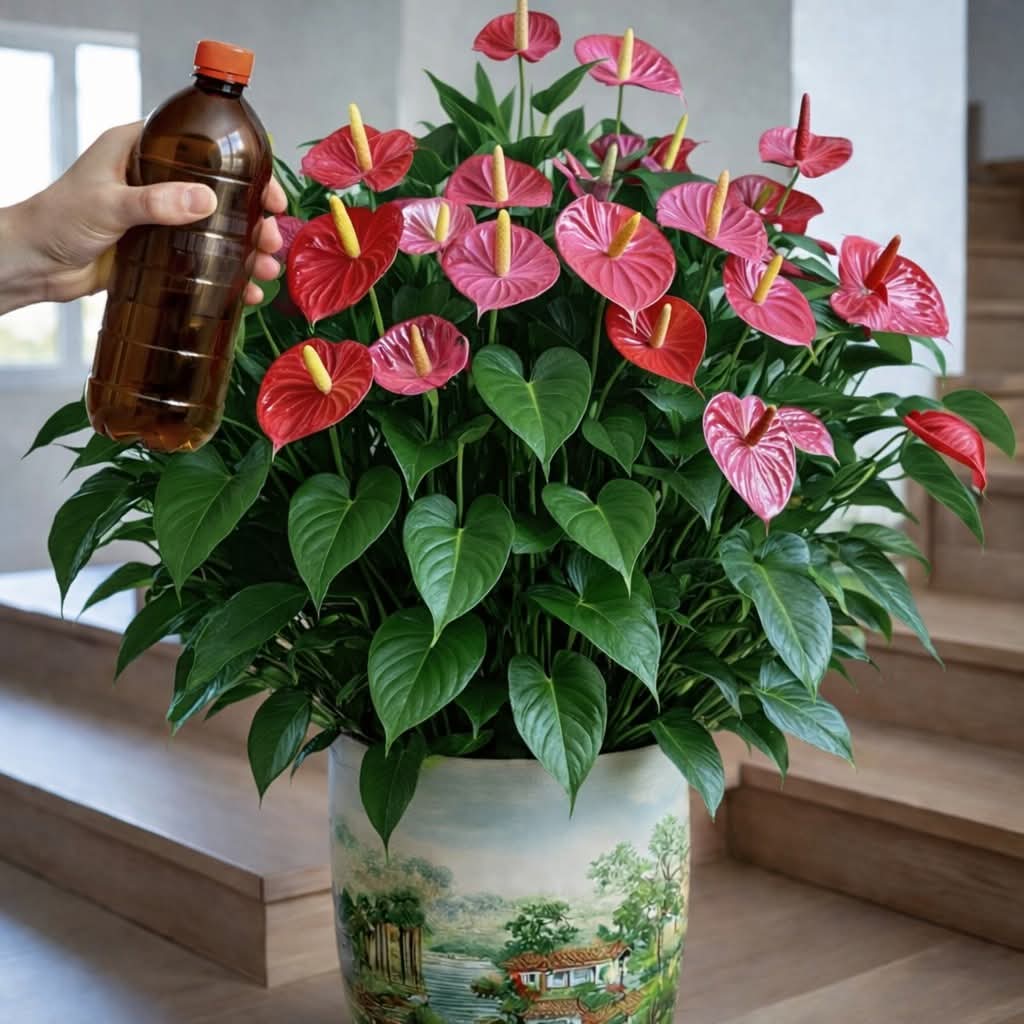
Discover the secret to vibrant Anthurium blooms and lush foliage with this simple, natural homemade fertilizer. Made from kitchen scraps, it’s organic, cost-free, and incredibly effective. Your plant will thank you
Let me introduce you to my Anthurium, the plant that taught me that sometimes the best fertilizer is already in your kitchen.
When I first brought home my Anthurium, it was a stunner—glossy, heart-shaped leaves and three bright red spathes that lasted for weeks. I was sure I’d be the proud parent of a constant bloomer. But after those first flowers faded, nothing happened. Months went by. The leaves grew, but not a single new bloom appeared. I tried store-bought bloom boosters, moved it around for better light, even whispered sweet nothings to it. No luck.
Then a friend, a lifelong gardener, asked me what I fed it. “Fertilizer?” I said. “I just use a general houseplant food.” She shook her head. “Anthuriums are sensitive. They need the right balance of nutrients, especially potassium and phosphorus, to bloom. You can make a perfect fertilizer for them from things you probably throw away.”
She showed me a simple recipe using banana peels, eggshells, and water. Skeptical but desperate, I tried it. Within six weeks, my Anthurium produced not one, but three new flowers. The leaves grew bigger and glossier, and the plant looked healthier than ever.
Since then, I’ve refined the recipe and added a few extra natural boosters. This homemade fertilizer is gentle, organic, and packed with exactly what Anthuriums need to thrive—strong roots, lush leaves, and those iconic, long-lasting blooms.
In this guide, I’ll share the exact recipe and show you how to use it. Plus, you’ll get a complete Anthurium care routine to ensure your plant reaches its full potential.
Why Anthuriums Need Special Feeding
Anthuriums (Anthurium andraeanum) are tropical epiphytes, meaning in nature they grow on trees, not in soil. Their roots are adapted to absorb moisture and nutrients from rainwater, leaf litter, and organic debris. This makes them sensitive to chemical fertilizers and heavy feeding.
The Nutrient Trio for Anthurium Success
· Nitrogen (N): Promotes leafy growth. Anthuriums need enough nitrogen to produce healthy, glossy leaves, but too much can inhibit flowering.
· Phosphorus (P): The key to blooms. Phosphorus supports root development and flower production.
· Potassium (K): Essential for overall plant health, disease resistance, and flower quality.
· Calcium and Magnesium: Important for cell wall strength and chlorophyll production.
Synthetic fertilizers can deliver these nutrients quickly, but they often cause salt buildup and can burn delicate anthurium roots if overused. Organic, homemade fertilizers release nutrients slowly and naturally, mimicking the plant’s native environment.
The Magic Homemade Fertilizer: Banana Peel & Eggshell Tea
This two-ingredient fertilizer is packed with potassium (from banana peels) and calcium (from eggshells), with trace amounts of phosphorus and magnesium. It’s perfect for encouraging vibrant blooms and strong, healthy foliage.
Ingredients:
· 3 organic banana peels (the riper, the better—more potassium)
· Eggshells from 3 eggs, rinsed and crushed
· 1 liter (about 4 cups) of water (filtered or dechlorinated is best)
· Optional: 1 tablespoon unsulfured blackstrap molasses (to feed beneficial soil microbes)
Why These Ingredients Work
Banana Peels are rich in potassium (K), which is directly linked to flower production, disease resistance, and water regulation in plants. They also contain small amounts of phosphorus and magnesium.
Eggshells are almost pure calcium carbonate, which strengthens cell walls, helps roots absorb nutrients, and prevents blossom end rot—a common issue in flowering plants.
Molasses provides carbohydrates that feed beneficial soil bacteria, improving soil structure and nutrient availability. It also adds trace minerals.
Step-by-Step Instructions
Step 1: Prepare the Ingredients
- Dry the eggshells: After using eggs, rinse the shells and let them dry completely. You can spread them on a baking sheet and put them in a low oven (200°F) for 10 minutes to sterilize and make them easier to crush.
- Crush the shells: Place the dried shells in a plastic bag and crush them with a rolling pin or pulse in a blender until they become a fine powder. The finer, the better for nutrient release.
- Chop the banana peels: Cut the banana peels into small pieces (about 1-inch squares). This increases surface area for faster decomposition.
Step 2: Combine and Ferment (Optional)
For a more potent liquid fertilizer, you can let the mixture steep for a few days.
· Place the chopped banana peels and crushed eggshells in a large jar or container.
· Add 1 liter of water and stir.
· Cover loosely (to allow gases to escape) and let sit at room temperature for 2-3 days. The liquid will become slightly cloudy and may develop a mild, earthy smell. This light fermentation releases more nutrients.
If you want a quicker version, simply use the ingredients to make a “tea” by boiling.
Step 3: Make the “Tea” (Fast Method)
- Place the banana peels and crushed eggshells in a saucepan with 1 liter of water.
- Bring to a boil, then reduce heat and simmer for 15-20 minutes.
- Remove from heat and let it cool completely.
- Strain out the solids (they can be composted) and transfer the liquid to a clean container.
Step 4: Dilute and Apply
· Dilute the concentrated liquid with an equal amount of plain water (1:1 ratio). This prevents nutrient overload.
· Use this diluted mixture to water your Anthurium once a month during the growing season (spring through early fall).
· Water thoroughly until it runs out the drainage holes, ensuring even moisture.
Optional Booster: Add Epsom Salt
Once every two months, you can add a pinch of Epsom salt (magnesium sulfate) to the diluted fertilizer. Magnesium supports chlorophyll production and helps the plant absorb phosphorus.
How to Use for Maximum Results
- Water first, then fertilize: Always water your Anthurium with plain water before applying any fertilizer. This prevents root burn and ensures even distribution.
- Apply to moist soil: Fertilizer is best absorbed when the soil is already slightly moist.
- Observe your plant: Look for signs of improvement—new leaves, brighter color, and within a month or two, flower buds.
Pro Tips for a Thriving Anthurium
- Combine with Proper Light
Anthuriums need bright, indirect light to bloom. An east- or north-facing window is ideal. Too little light, and they won’t flower; too much direct sun, and leaves will scorch.
- Maintain High Humidity
These tropical beauties crave humidity (60-80%). If your home is dry:
· Use a humidifier nearby
· Place the pot on a pebble tray with water
· Group plants together
· Mist occasionally (avoid wetting flowers)
- Use a Chunky, Well-Draining Potting Mix
Anthuriums need airy soil. A mix of orchid bark, perlite, and a small amount of peat or coco coir works perfectly. Never use heavy garden soil.
- Water Correctly
Water when the top inch of soil feels dry. Overwatering leads to root rot—the fastest killer of anthuriums. Use room-temperature, filtered water to avoid chemical buildup.
- Keep Leaves Clean
Dust can block light absorption. Wipe leaves gently with a damp cloth every few weeks to keep them glossy and photosynthesizing efficiently.
- Don’t Over-Fertilize
Once a month during growing season is plenty. In fall and winter, stop fertilizing altogether to allow the plant to rest.
Delicious Variations to Try
- Rice Water & Banana Peel Blend
Add the water from rinsing rice to your banana-egg mixture. Rice water contains starch and B vitamins that feed beneficial soil microbes.
- Coffee Grounds Boost
Mix a small amount of used coffee grounds into the soil occasionally. Coffee grounds add nitrogen and acidify the soil slightly—anthuriums prefer slightly acidic pH.
- Epsom Salt & Banana Combo
Dissolve 1 teaspoon of Epsom salt in 1 gallon of water, then add your banana peel tea. Apply monthly for an extra magnesium boost.
- Compost Tea Variation
If you have a compost bin, steep a handful of finished compost in water for 24 hours, then strain. Use this as a base and add banana peel liquid for a comprehensive nutrient profile.
Complete Anthurium Care Guide
Light
Bright, indirect light is essential. Anthuriums will survive in low light but will not bloom. An east-facing window is ideal.
Water
Water when the top inch of soil is dry. In bright light, this may be every 5-7 days; in lower light, every 10-14 days. Always use room-temperature water.
Soil
Use a chunky, well-draining mix: 50% orchid bark, 25% perlite, 25% peat or coco coir. Repot every 2-3 years or when roots outgrow the pot.
Temperature
Keep between 65-80°F (18-27°C). Avoid cold drafts and temperatures below 55°F.
Humidity
Aim for 60-80% humidity. A humidifier or pebble tray works wonders.
Fertilizer
Use your homemade banana-egg fertilizer once a month during spring and summer.
Frequently Asked Questions
Q: How long does homemade banana peel fertilizer last?
A: Store it in the refrigerator in a sealed container for up to 2 weeks. The fresh version is most potent.
Q: Can I use this fertilizer on other houseplants?
A: Yes! This gentle, balanced formula works well for most flowering and foliage plants, including peace lilies, orchids, and philodendrons.
Q: Why is my Anthurium blooming but leaves are yellowing?
A: Yellow leaves can indicate overwatering, too much direct sun, or a nutrient imbalance. Check your watering routine and ensure proper light. Your homemade fertilizer should help, but don’t overdo it.
Q: Can I use this fertilizer on my Anthurium if it’s already blooming?
A: Yes, but apply at half strength to avoid interrupting the bloom cycle. Focus on maintaining proper light and humidity.
Q: What if I don’t have organic bananas?
A: Conventional banana peels work, but organic is better to avoid pesticide residues. Rinse them thoroughly if using conventional.
My Final Thoughts
When I first switched to this homemade banana peel and eggshell fertilizer, I was amazed at the transformation. My Anthurium went from a sad, bloomless plant to a vibrant, flowering beauty. The best part? I used kitchen scraps that would have ended up in the trash.
This recipe is a reminder that sometimes the simplest solutions are the most effective. By providing your Anthurium with natural, slow-release nutrients, you’re mimicking its native environment and encouraging the kind of growth and blooming that commercial products often promise but don’t deliver.
Give this fertilizer a try for a few months, combine it with the care tips above, and I’m confident you’ll see the same explosion of growth and flowers that I did.
Have you tried making your own plant food? Do you have a favorite recipe for anthuriums? I’d love to hear about your experiences in the comments below!
And if you’re looking for more natural plant care ideas, check out our guides on Reviving a Peace Lily, The Best Homemade Orchid Fertilizer, and How to Make Snake Plant Pups Multiply.
Here’s to thriving anthuriums and the power of simple, natural ingredients! 🌸💧
Did you try this natural fertilizer? Share your before-and-after photos with us on social media—we’d love to see your thriving anthuriums!
More Ideas You Might Like
-

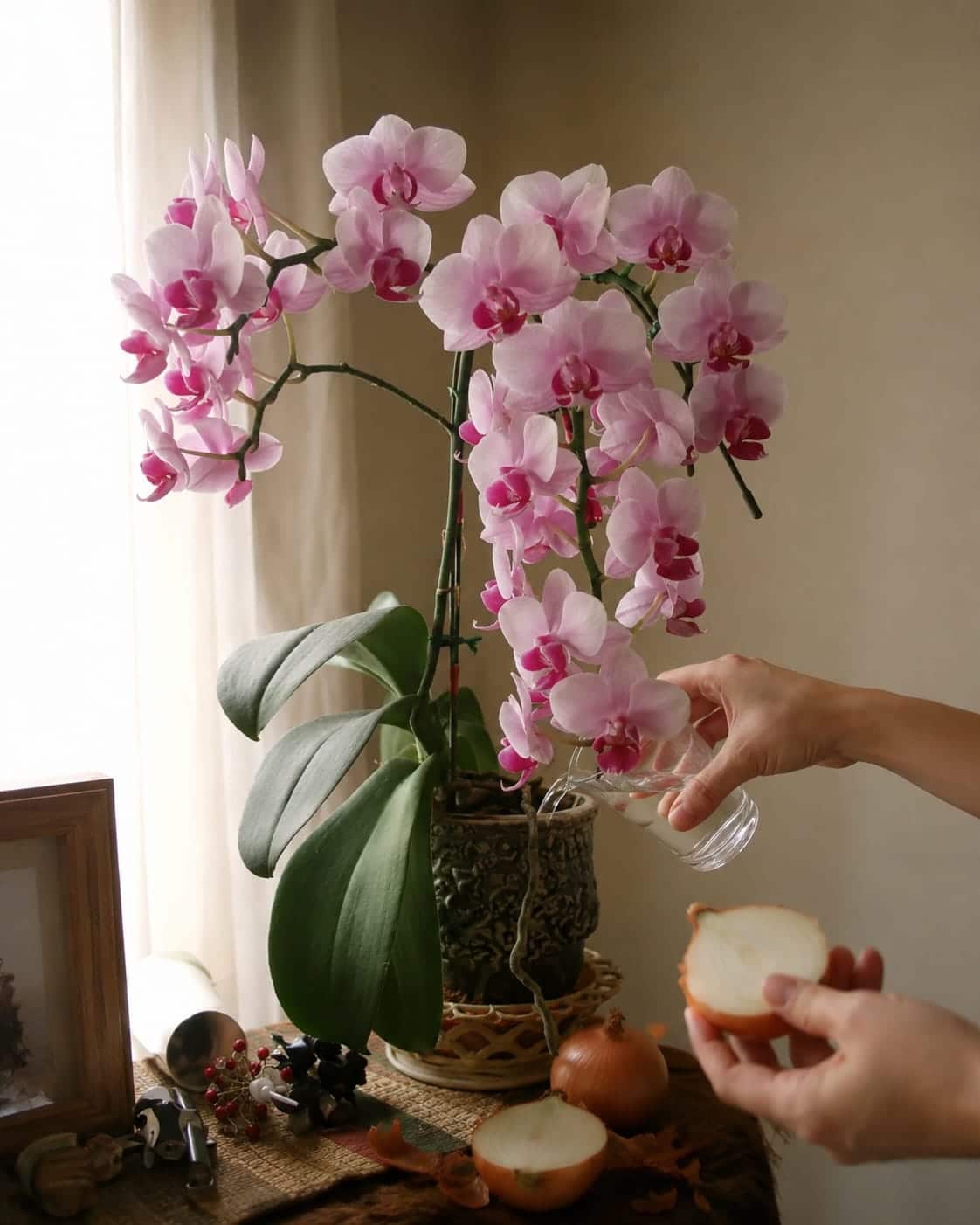
Why Some Homeowners Are Using Onion Water Around Orchids and What Usually Helps More for Strong Roots, Healthy Leaves, and Long-Lasting Blooms
Orchids are among the most elegant indoor flowering plants for homeowners who want graceful stems, glossy green leaves, long-lasting blooms, and a refined decorative display that fits beautifully in living rooms, bedrooms, apartments, home offices, bright kitchens, windowsills, covered patios, commercial interiors, luxury home staging, and premium indoor plant styling. A healthy orchid can turn…
-

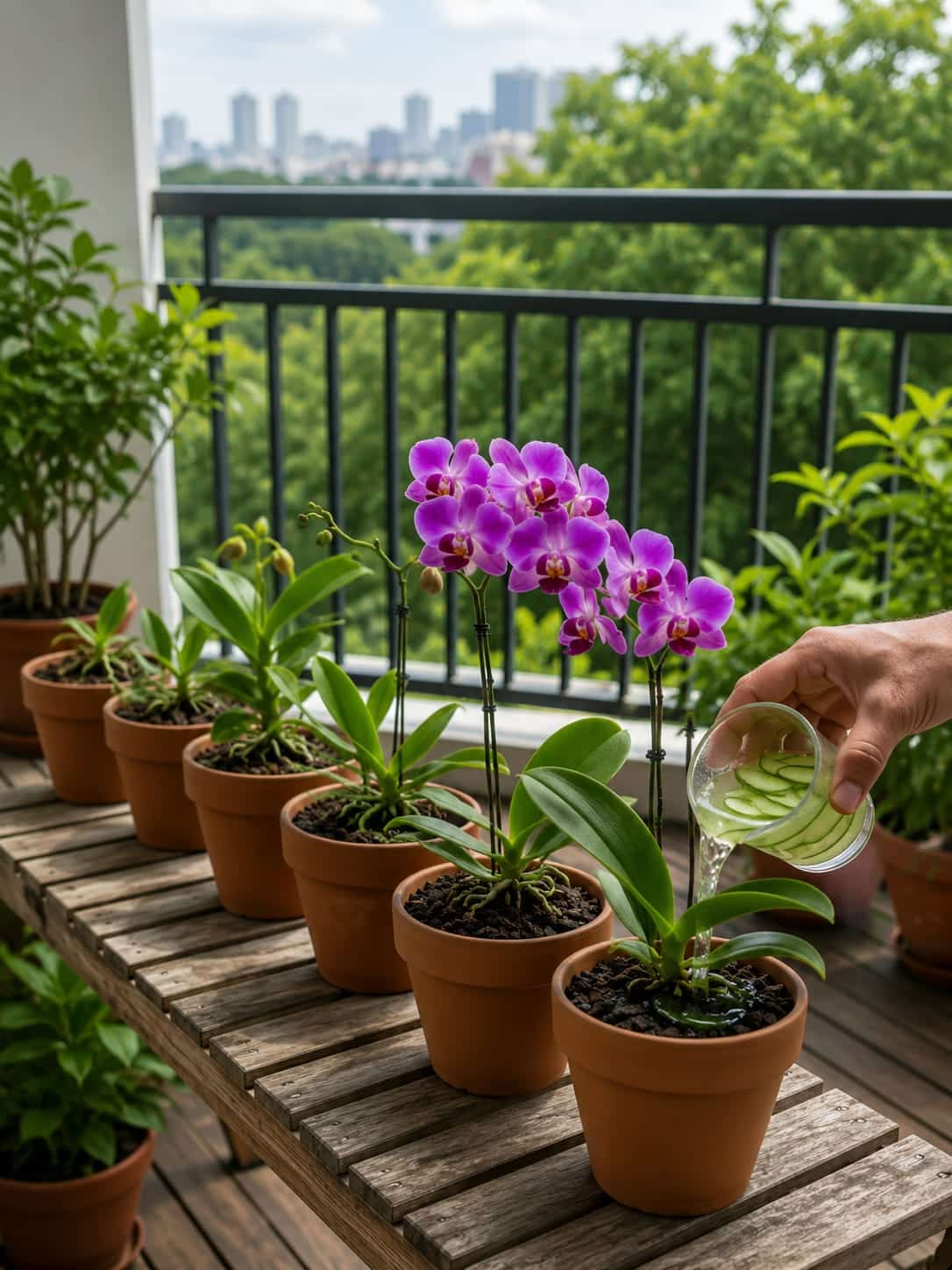
Why Some Homeowners Are Pouring Aloe Water Around Orchids and What Usually Helps More for Strong Roots, Healthy Leaves, and Long-Lasting Blooms
Orchids are among the most elegant indoor flowering plants for homeowners who want graceful blooms, sculptural roots, glossy leaves, and a premium decorative display that fits beautifully in living rooms, bedrooms, apartments, home offices, bright kitchens, balcony gardens, covered patios, commercial interiors, luxury home staging, and refined indoor plant styling. A healthy orchid can make…
-
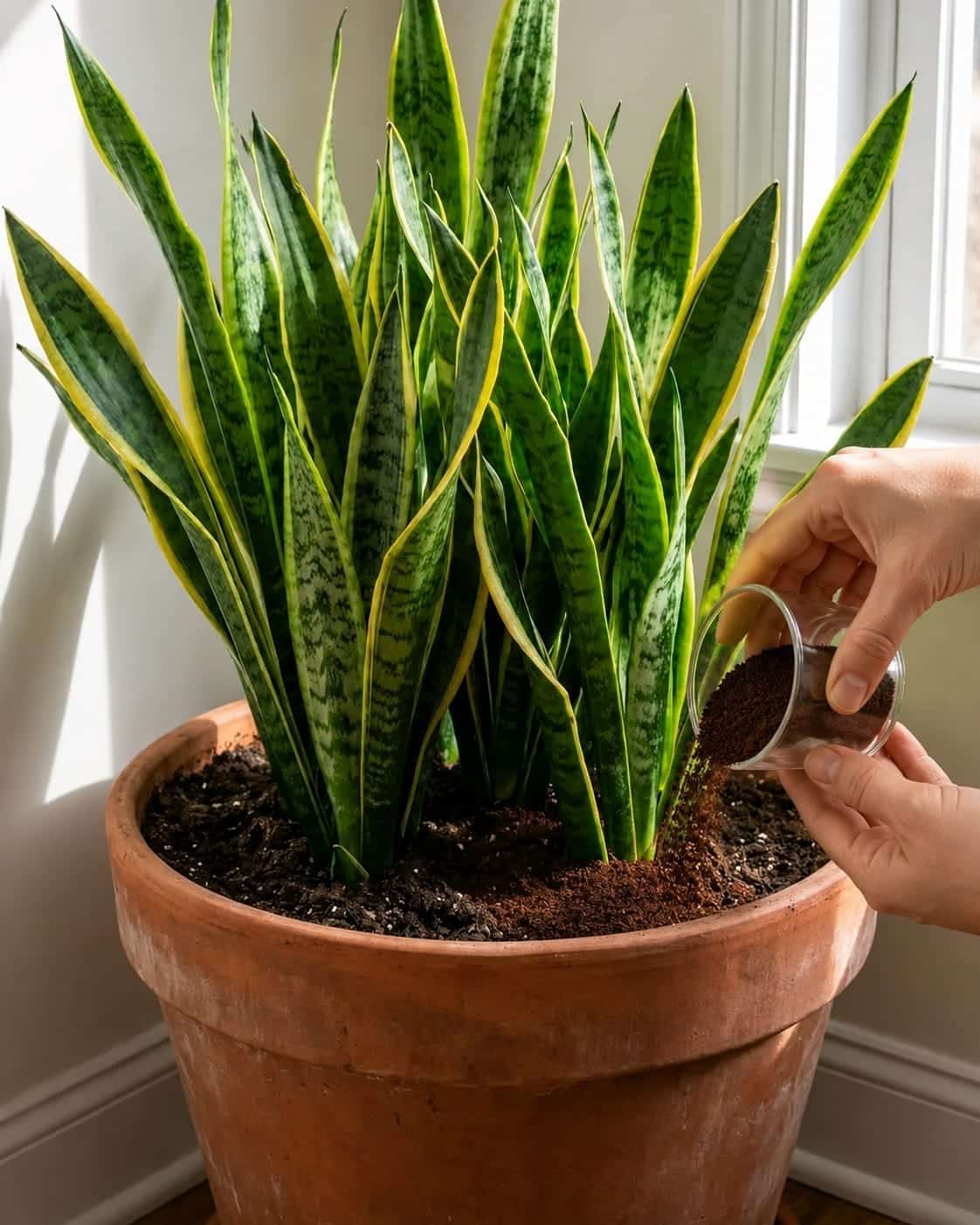
Why Some Homeowners Are Adding Brown Powder Around Snake Plants and What Usually Helps More for Strong Roots, Fuller Growth, and Healthy Indoor Leaves
Snake plant is one of the most dependable indoor plants for homeowners who want strong upright leaves, bold green patterning, yellow-edged variegation, easy maintenance, and a clean decorative display that fits beautifully in living rooms, bedrooms, apartments, home offices, bright kitchens, entry corners, sunny windowsills, plant shelves, commercial interiors, luxury home staging, and premium indoor…