Want to see your Snake Plant bloom? Use natural liquid fertilizers like fish emulsion, compost tea, or seaweed extract to encourage those rare, fragrant flowers! Learn the secrets to triggering blooms.
Let me tell you about the moment my snake plant shocked me.
I’d owned it for five years. It sat in the corner, tolerating my neglect, growing slowly but never doing anything dramatic. Then one spring, a tall, green stalk emerged from the soil. At first, I thought it was a new leaf. But it kept growing—taller and stranger—until it branched into a cluster of tiny, delicate white flowers that released the most intoxicating fragrance every evening.
I’d heard that snake plants (Sansevieria) could bloom, but I’d never seen it. The flowers were breathtaking: sweet, lily-like, and so unexpected from this humble, spiky plant. Since that magical moment, I’ve learned that triggering a snake plant to bloom isn’t about luck—it’s about providing the right conditions and the right food.
If you’ve been waiting for your Sansevieria to show you its hidden floral side, you’re in the right place. In this guide, I’ll share the natural fertilizers and care techniques that can encourage even the shyest snake plant to produce those rare, fragrant blooms.
Why Snake Plants Bloom (or Don’t)
A Little-Known Fact: Snake Plants Do Flower
Many people don’t realize that snake plants are capable of blooming. In their native West African habitats, they flower annually, sending up tall spikes covered in tiny, sweetly scented white or cream-colored flowers. Indoors, however, flowering is rare—it often takes years of maturity, the right environmental “stress,” and proper nutrition.
What Triggers Blooming?
Snake plants flower when they experience:
· Maturity: Most need to be at least 3–5 years old.
· Mild Stress: Being slightly root‑bound, receiving a period of cooler nights, or getting more light than usual.
· Nutrient Balance: A fertilizer that encourages flowering—especially phosphorus (P) and potassium (K)—without excess nitrogen (N) that pushes leaf growth.
Why Natural Fertilizer?
Chemical fertilizers can deliver quick nitrogen, often pushing foliage at the expense of flowers. Natural, organic fertilizers release nutrients slowly and provide a balanced blend of micronutrients that mimic the plant’s natural soil environment. They also feed beneficial soil microbes, which help roots absorb nutrients more efficiently.
The Best Natural Liquid Fertilizers for Snake Plant Blooms
- Fish Emulsion
Fish emulsion is a classic organic fertilizer made from processed fish. It’s rich in nitrogen (good for growth), but also contains phosphorus, potassium, and trace minerals.
· Why it works: The balanced nutrient profile supports overall health while the low levels of phosphorus help with root development and flowering.
· How to use: Dilute according to package directions (usually 1–2 tablespoons per gallon of water). Apply every 4–6 weeks during the growing season (spring through early fall).
- Compost Tea
Compost tea is a liquid extract made from steeping finished compost in water. It’s packed with beneficial microorganisms and a wide range of nutrients.
· Why it works: The living microbes in compost tea improve soil structure and help roots access nutrients. It provides a gentle, balanced feed that won’t burn roots.
· How to make: Place a few cups of high-quality compost in a cloth bag, submerge in 5 gallons of water, and let steep for 24–48 hours, stirring occasionally. Strain and use the liquid to water your plant.
- Seaweed Extract (Kelp)
Seaweed extract is rich in potassium, trace minerals, and plant hormones (cytokinins, auxins) that stimulate root growth and flower development.
· Why it works: The high potassium content directly supports flower production, while the trace minerals strengthen the plant’s overall health.
· How to use: Mix 1–2 tablespoons per gallon of water according to product instructions. Apply once a month during spring and summer.
- DIY Banana Peel & Eggshell Fertilizer
This homemade blend is packed with potassium (from banana peels) and calcium (from eggshells). It also provides small amounts of phosphorus and magnesium.
· Why it works: Potassium encourages flowering, while calcium strengthens cell walls and supports root growth.
· How to make: Dry and crush eggshells. Soak chopped banana peels and crushed eggshells in 1 quart of water for 2–3 days, then strain. Dilute with an equal amount of plain water before using.
Step-by-Step: How to Apply Natural Fertilizer for Blooms
Step 1: Choose the Right Time
Fertilize only during the active growing season—typically spring and summer. In fall and winter, snake plants go into a rest period and don’t need (or want) extra nutrients.
Step 2: Water First, Then Fertilize
Always water your snake plant with plain water before applying any liquid fertilizer. Fertilizing dry soil can concentrate salts and burn roots.
Step 3: Dilute Properly
Even natural fertilizers should be diluted to half the recommended strength for snake plants. They are light feeders, and too much can cause leaf tip burn.
Step 4: Apply Evenly
Pour the diluted fertilizer around the base of the plant, avoiding the leaves. Water until it runs out the drainage holes to ensure even distribution.
Step 5: Repeat Monthly
Apply your chosen natural fertilizer once a month throughout the growing season. After about 4–6 weeks of consistent feeding, you may notice the first signs of a flower spike emerging.
Pro Tips for Encouraging Blooms
- Give It More Light
Snake plants are famous for tolerating low light, but they won’t bloom in it. To trigger flowers, move your plant to a spot with bright, indirect light. A few hours of gentle morning sun can make all the difference.
- Let It Get Slightly Root‑Bound
Snake plants often flower when they are a little crowded in their pot. Don’t rush to repot. A snug pot encourages the plant to direct energy toward reproduction (flowers) rather than root expansion.
- Create a Cooler Night Period
In their natural habitat, snake plants experience cooler nights as the season changes. If possible, give your plant a few weeks of nights around 55–60°F (13–15°C) in late winter or early spring. This mimics the conditions that often trigger blooming.
- Reduce Water Slightly in Fall
A brief period of slightly drier soil in autumn can signal the plant to prepare for reproduction. Once you resume regular watering in spring, it may reward you with a flower spike.
- Be Patient
Even with perfect care, snake plants may not bloom every year. They need to reach maturity (3–5 years old) and have stored enough energy. Keep providing good care, and eventually you’ll be rewarded.
What to Expect When Your Snake Plant Blooms
The Flower Spike
A single, tall (1–3 feet) stalk emerges from the center of the plant. It’s thick and green, and it grows quickly.
The Flowers
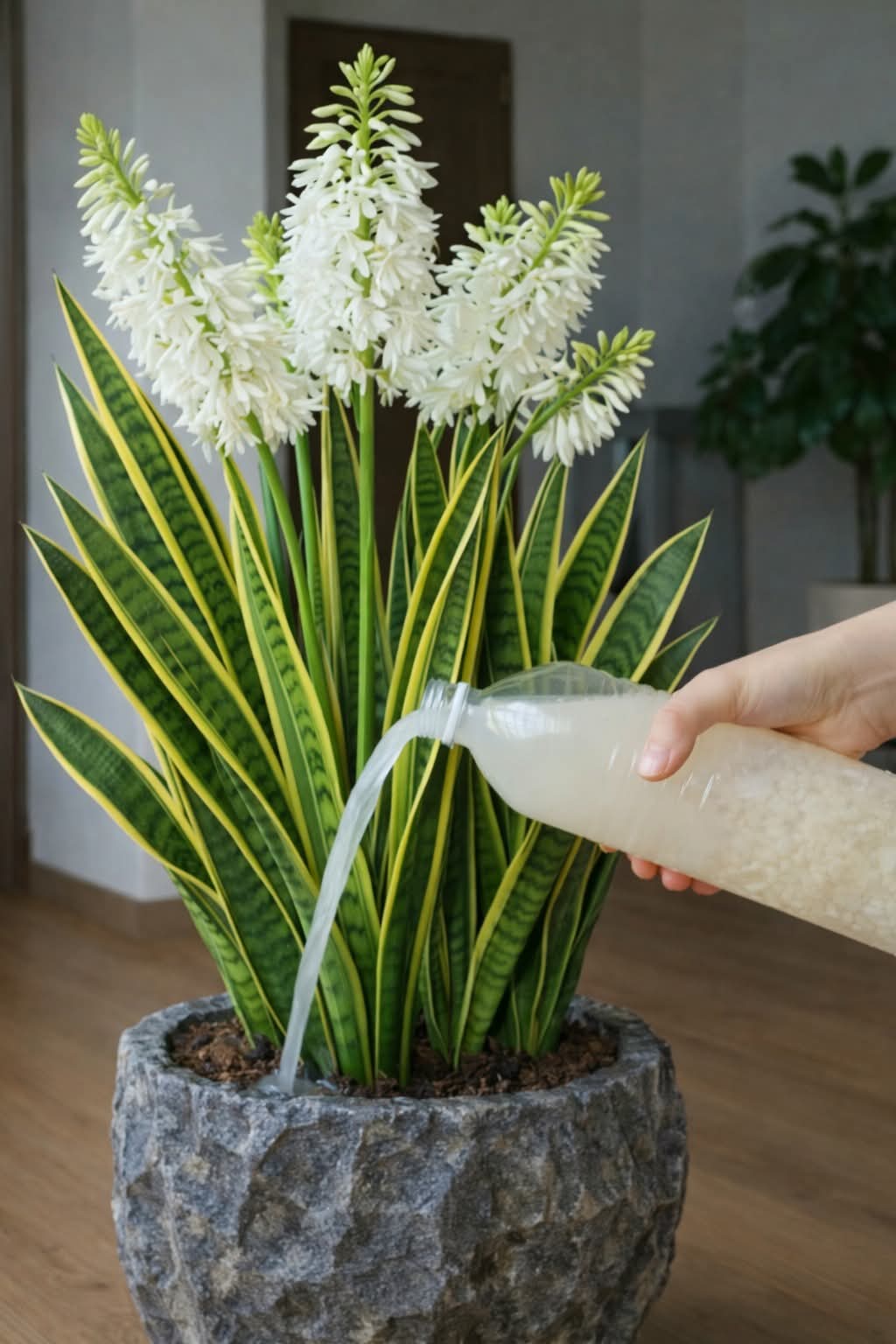
At the top of the stalk, clusters of small, tubular buds develop. They open into delicate, star-shaped flowers, usually white or cream-colored. The flowers produce a sweet, powerful fragrance that is most noticeable in the evening—because in nature they’re pollinated by night‑flying moths.
After Blooming
Once the flowers fade, you can cut the spent flower spike at the base. The plant will continue growing as usual. Sometimes the same spike can rebloom the following year.
Common Mistakes to Avoid
Mistake Why It’s a Problem Solution
Over‑fertilizing Causes brown leaf tips and salt buildup in soil Dilute fertilizer to half strength and use only once a month.
Fertilizing in winter Promotes weak, spindly growth Stop all fertilizer from October through February.
Using high‑nitrogen fertilizer Pushes leaf growth at the expense of flowers Choose a balanced or bloom‑focused natural fertilizer (higher P and K).
Keeping soil constantly moist Leads to root rot, which kills the plant Let soil dry out completely between waterings.
Insufficient light Prevents flowering even with proper feeding Move to a brighter spot with indirect sun.
Delicious Natural Fertilizer Variations
- Banana Peel Water (Quick Version)
Soak chopped banana peels in water for 24 hours, then strain and use the water to irrigate your plant. It’s a quick potassium boost.
- Rice Water
The starchy water left from rinsing rice contains B vitamins and trace minerals. Use it once a month as a gentle tonic.
- Epsom Salt Boost
Dissolve 1 teaspoon of Epsom salt in 1 gallon of water and use this to water your plant once every two months. Magnesium supports chlorophyll production and helps the plant use phosphorus.
- Green Tea Fertilizer
Steep a used green tea bag in 1 quart of water overnight. The water contains trace amounts of nitrogen and tannins. Use it occasionally.
Frequently Asked Questions
Q: How long does it take for a snake plant to bloom after using natural fertilizer?
A: With consistent feeding and proper conditions, you may see a flower spike within 6–8 weeks during the growing season. Some plants need a full year of care before blooming.
Q: Can I use these natural fertilizers on other succulents?
A: Yes, but adjust the frequency. Most succulents are even lighter feeders. Use diluted fertilizer only once every 2–3 months during active growth.
Q: My snake plant is producing pups but no flowers. Is that normal?
A: Absolutely. Pups are a form of vegetative reproduction. Flowering requires different conditions (more light, sometimes a cooler period, and balanced nutrition). Both are signs of a healthy plant.
Q: Should I repot my snake plant before trying to get it to bloom?
A: Only repot if it’s severely root‑bound or the soil is depleted. A slightly crowded pot is actually beneficial for flowering.
Q: Is fish emulsion safe for indoor use?
A: It has a strong odor when applied, but it dissipates quickly. If the smell bothers you, use compost tea or seaweed extract instead.
Q: Can I use these fertilizers on snake plant cuttings I’m propagating?
A: Wait until cuttings have established roots and you see new growth. Then use half‑strength fertilizer once a month.
Final Thoughts: The Joy of a Rare Bloom
Seeing a snake plant flower is one of the most rewarding experiences in houseplant care. It’s a sign that your plant is not just surviving, but truly thriving. With the gentle, natural boost from fish emulsion, compost tea, or banana‑peel water, combined with proper light and a touch of patience, you can coax those elusive blooms from your Sansevieria.
I hope this guide encourages you to try natural fertilizers and give your snake plant the care it needs to reveal its hidden floral side. When that first spike emerges, take a moment to enjoy the sweet evening fragrance—it’s a gift that plant parents treasure for years.
Have you ever had a snake plant bloom? What natural fertilizers have worked for you? Share your experiences in the comments below!
And if you’re looking for more natural plant care ideas, check out our guides on Reviving a Dying Snake Plant, How to Propagate Sansevieria, and The Best Homemade Orchid Fertilizer.
Here’s to happy, blooming snake plants! 🌿🌸
Did you use this natural fertilizer trick? Share your before-and-after photos with us on social media—we’d love to celebrate your success!
More Recipes You Might Like
-

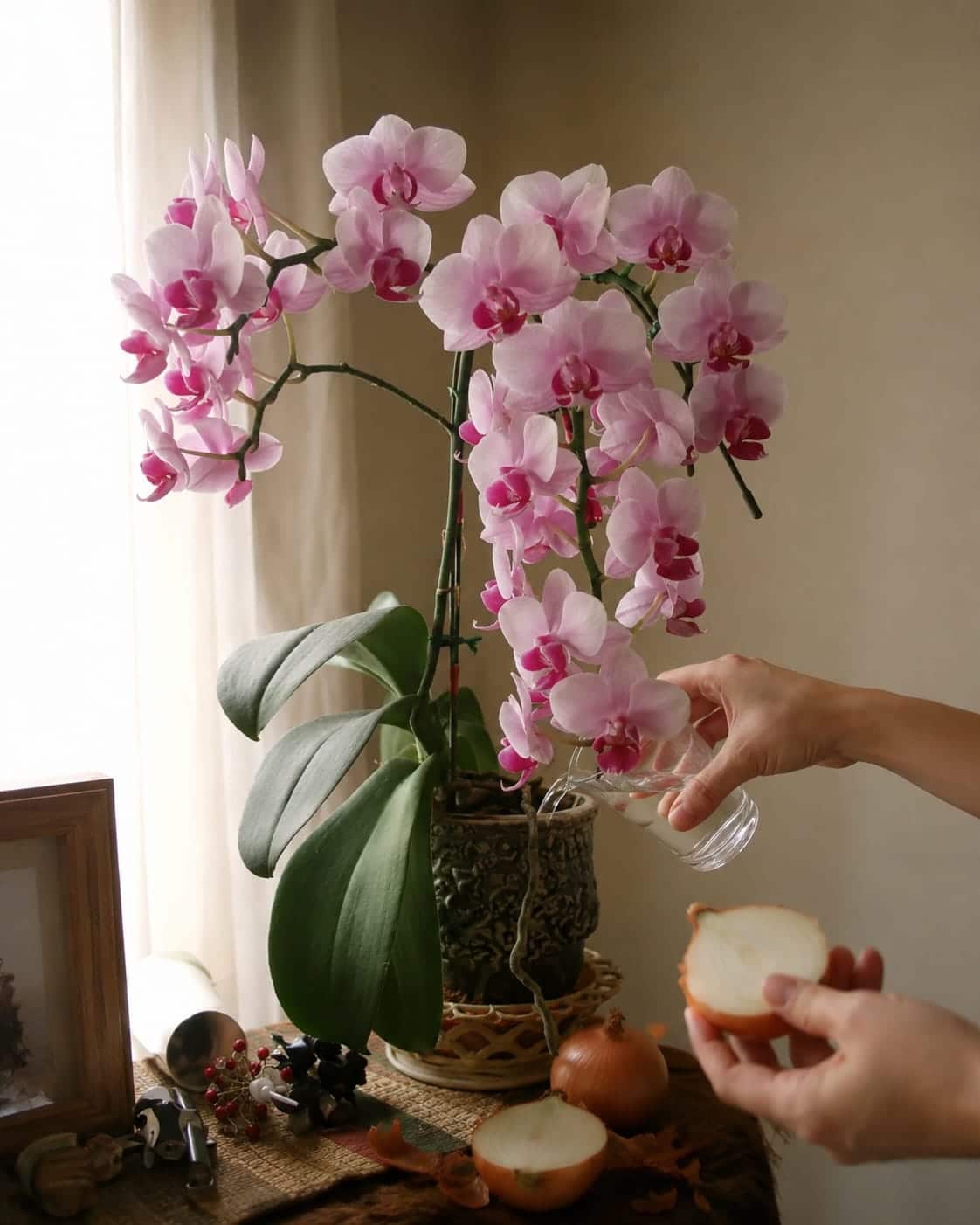
Why Some Homeowners Are Using Onion Water Around Orchids and What Usually Helps More for Strong Roots, Healthy Leaves, and Long-Lasting Blooms
Orchids are among the most elegant indoor flowering plants for homeowners who want graceful stems, glossy green leaves, long-lasting blooms, and a refined decorative display that fits beautifully in living rooms, bedrooms, apartments, home offices, bright kitchens, windowsills, covered patios, commercial interiors, luxury home staging, and premium indoor plant styling. A healthy orchid can turn…
-

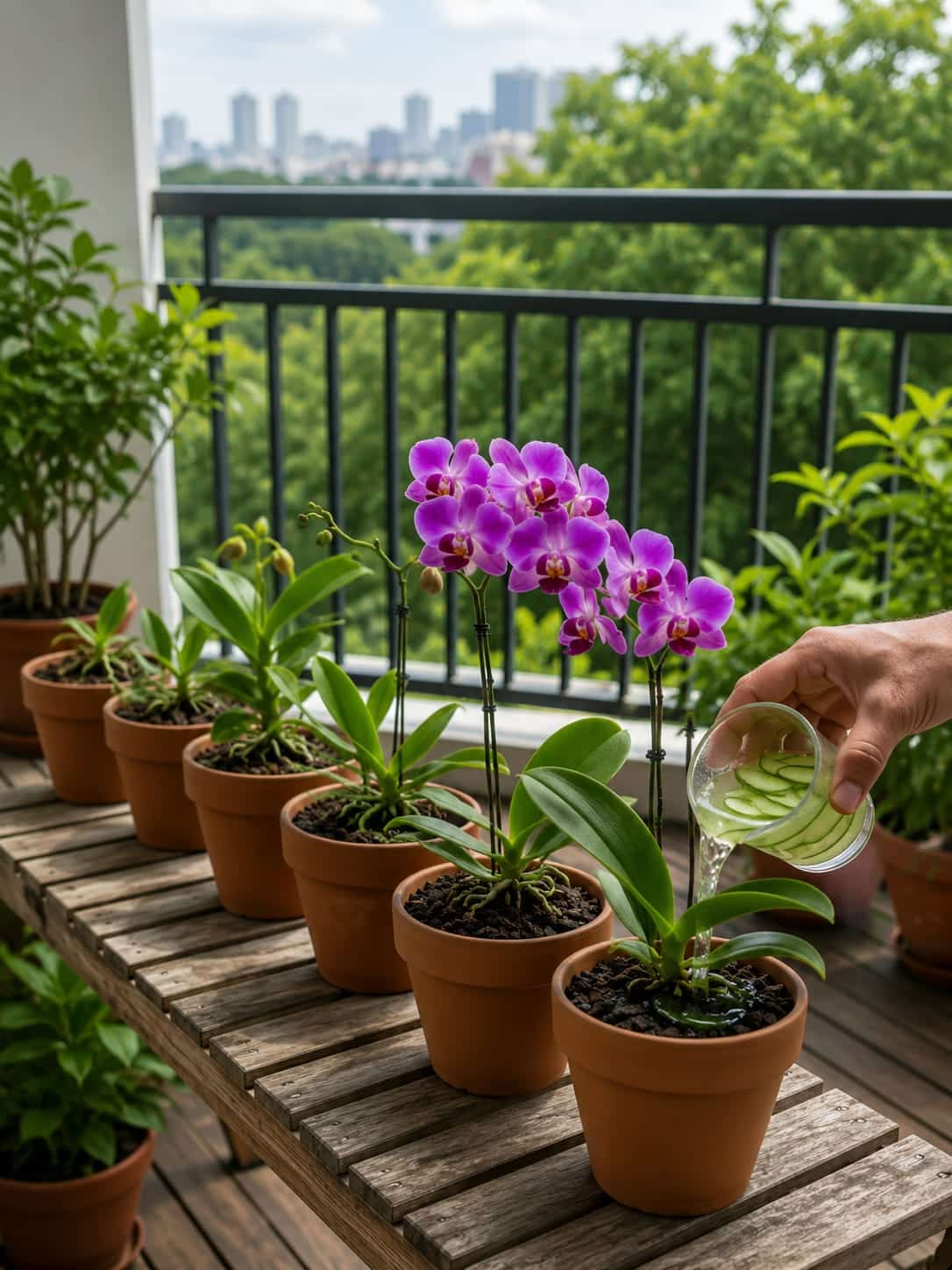
Why Some Homeowners Are Pouring Aloe Water Around Orchids and What Usually Helps More for Strong Roots, Healthy Leaves, and Long-Lasting Blooms
Orchids are among the most elegant indoor flowering plants for homeowners who want graceful blooms, sculptural roots, glossy leaves, and a premium decorative display that fits beautifully in living rooms, bedrooms, apartments, home offices, bright kitchens, balcony gardens, covered patios, commercial interiors, luxury home staging, and refined indoor plant styling. A healthy orchid can make…
-
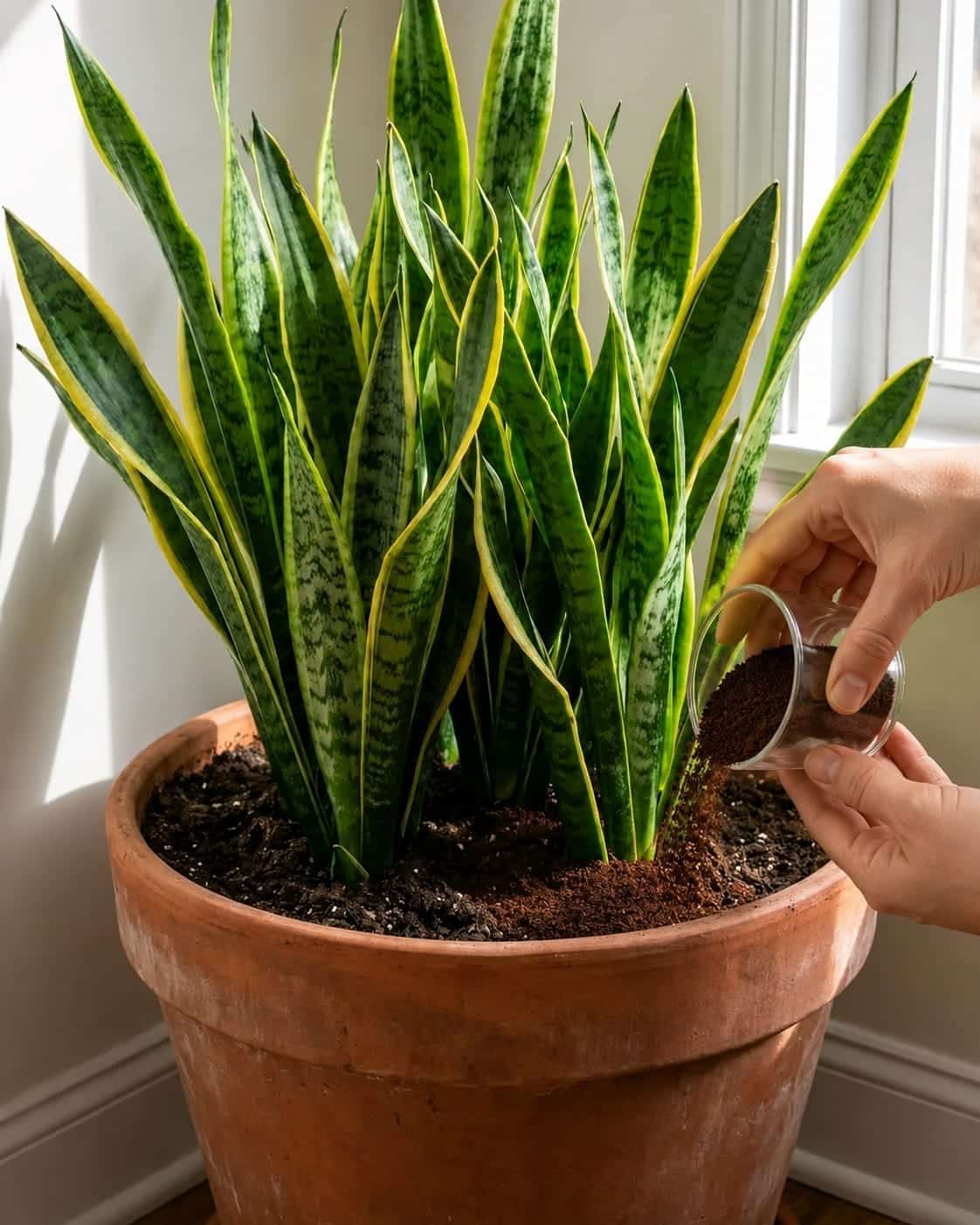
Why Some Homeowners Are Adding Brown Powder Around Snake Plants and What Usually Helps More for Strong Roots, Fuller Growth, and Healthy Indoor Leaves
Snake plant is one of the most dependable indoor plants for homeowners who want strong upright leaves, bold green patterning, yellow-edged variegation, easy maintenance, and a clean decorative display that fits beautifully in living rooms, bedrooms, apartments, home offices, bright kitchens, entry corners, sunny windowsills, plant shelves, commercial interiors, luxury home staging, and premium indoor…