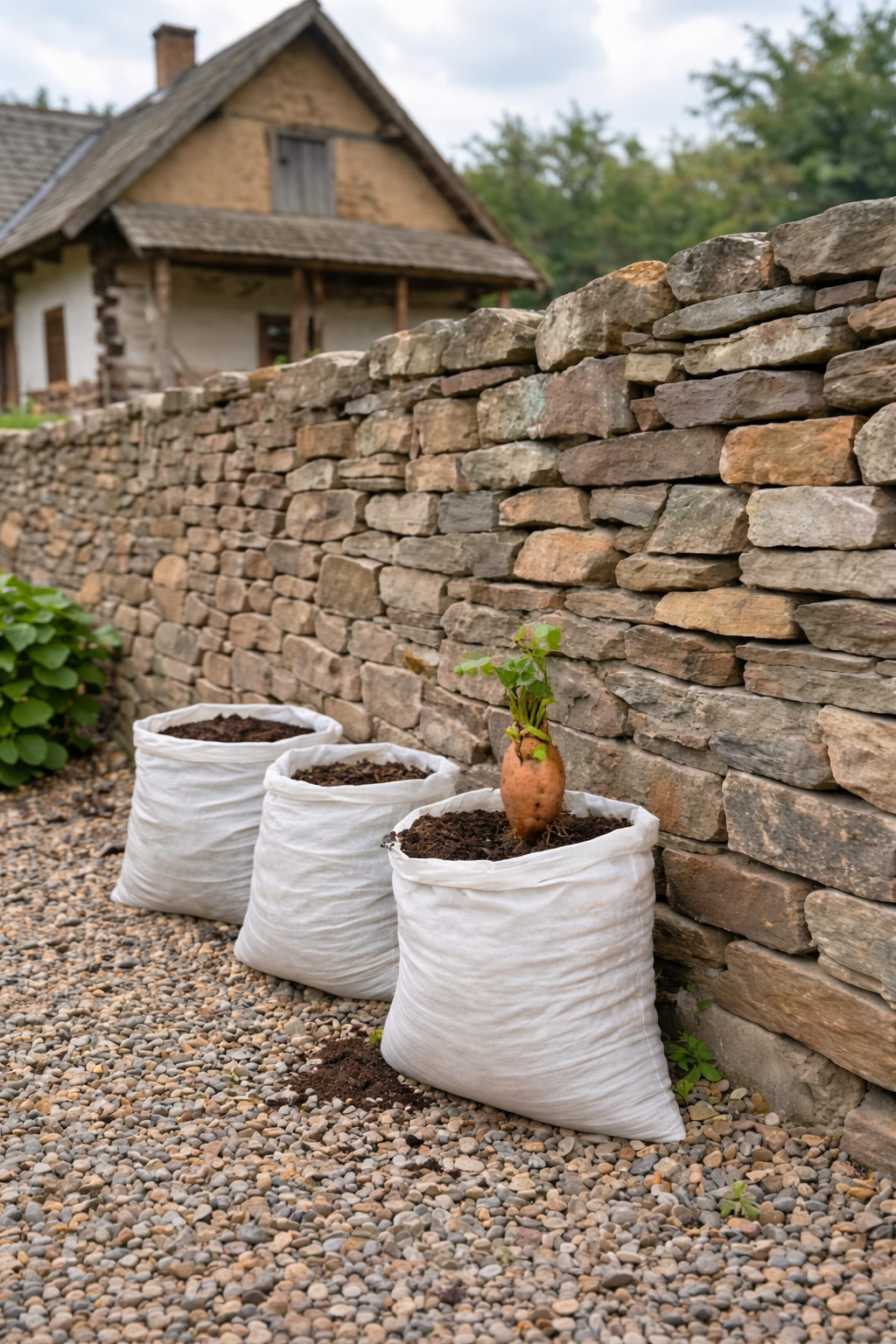
Want to grow 3 times more sweet potatoes in a small space? This clever soil bag trick is a game-changer. Learn how to plant sweet potatoes in bags for a massive harvest—perfect for small gardens and patios.
Let me tell you about the gardening trick that turned my tiny patio into a sweet potato factory.
I love sweet potatoes. Roasted, mashed, fried—I can’t get enough. But for years, I assumed I didn’t have enough space to grow them. Sweet potatoes need room to spread, and my little urban garden was already bursting with tomatoes and herbs.
Then a friend told me about the soil bag method. “You just grow them in a bag,” she said. “One bag, one slip, and you’ll get triple the harvest.” I was skeptical. How could a single bag produce more sweet potatoes than a whole garden bed?
I tried it anyway. I filled a sturdy grow bag with soil, planted a single sweet potato slip, and waited. When harvest time came, I pulled out not one or two, but nearly a dozen perfect sweet potatoes from that one bag. The roots had filled the bag with tubers, using every inch of space. I’ve been growing them this way ever since—and now I get three times the harvest I used to get from my in-ground patch.
In this guide, I’ll share this brilliant soil bag trick that can triple your sweet potato harvest, even in a small space. Whether you have a balcony, a patio, or a tiny backyard, you can grow a bumper crop of sweet potatoes with this method.
Why the Soil Bag Trick Works So Well
Sweet potatoes are sprawling vines that normally need a lot of room to send out runners and develop tubers. But they have a secret: they produce the most tubers when the roots are confined and forced to fill the available space.
When you grow sweet potatoes in a large, deep soil bag, you create a contained environment that encourages the plant to pack the entire container with tubers. The flexible fabric bag also allows for air pruning of roots, which stimulates even more branching and tuber formation.
The result? In a single 15-gallon bag, you can harvest up to 3 times more sweet potatoes than from a similarly sized patch of ground.
What You’ll Need for the Soil Bag Method
Supplies:
· Large fabric grow bag (15-20 gallons)
· High-quality potting mix (light and well-draining)
· Compost or aged manure
· Sweet potato slips (2-3 per bag, depending on size)
· Slow-release organic fertilizer (optional)
Sweet Potato Slips: The Starting Point
Sweet potatoes are not grown from seeds. You start with slips—small rooted shoots that sprout from a mature sweet potato. You can order slips online or grow your own by placing a sweet potato in water or soil to sprout.
Step-by-Step: How to Plant Sweet Potatoes in Soil Bags
Step 1: Choose the Right Bag
Select a 15-20 gallon fabric grow bag. These bags are perfect because they provide excellent drainage, air circulation, and are easy to move if needed.
Step 2: Prepare the Soil Mix
Fill the bag with a light, fluffy potting mix. Sweet potatoes need loose, well-draining soil to develop large, smooth tubers. A good mix:
· ⅔ high-quality potting soil
· ⅓ compost or aged manure
· Optional: a handful of slow-release organic fertilizer
Do not use garden soil—it’s too heavy and may compact.
Step 3: Create a Mound
Sweet potatoes love warmth. To give them a head start, create a slight mound in the center of the bag. This helps the soil warm up faster and improves drainage.
Step 4: Plant the Slips
Plant 2-3 slips in a 15-gallon bag, or 1-2 in a smaller bag. Space them evenly.
· Bury the slip deep enough so that the roots are covered and the leaves are above soil.
· Water well after planting.
Step 5: Provide Warmth and Light
Place the bag in a sunny spot that gets at least 6-8 hours of direct sunlight daily. Sweet potatoes love heat. If your area has cool nights, consider using a black bag to absorb more warmth.
Step 6: Water Consistently
Keep the soil evenly moist but not waterlogged. Sweet potatoes need consistent moisture, especially during tuber formation. Water when the top inch of soil feels dry.
Step 7: Let the Vines Grow
Sweet potato vines will spread and trail over the bag’s edges. That’s fine! The tubers are forming underground. You can let them sprawl or gently train them onto a trellis to save space.
Step 8: Harvest
Sweet potatoes are ready to harvest when the leaves begin to yellow and die back, typically 90-120 days after planting. Before the first frost, carefully dump the bag onto a tarp and sort through the soil for tubers.
Pro Tips for Maximizing Your Harvest
- Use Black Fabric Bags for Extra Warmth
Sweet potatoes are heat lovers. Black fabric bags absorb sunlight and keep the root zone warmer, which can boost growth.
- Don’t Overcrowd the Bag
One or two slips per 15-gallon bag is plenty. More slips will compete and produce smaller tubers.
- Fertilize Lightly
Too much nitrogen encourages leaves instead of tubers. Use a balanced fertilizer or one with slightly higher phosphorus and potassium (like a 5-10-10) at planting and again halfway through the season.
- Rotate the Bags
If you notice the vines leaning toward the sun, rotate the bag every week or two to encourage even growth.
- Cure for Sweetness
After harvest, cure sweet potatoes in a warm, humid place (80-85°F, high humidity) for 10-14 days. This converts starches to sugars and heals any skin damage. Store in a cool, dark place.
Delicious Variations and Companion Planting
- Grow in Stacked Bags
For even more production, try the “stacked bag” method: use a tall bag and plant slips at different heights as you fill soil. Each slip will root along the stem and produce tubers.
- Interplant with Bush Beans
Bush beans fix nitrogen in the soil and don’t compete heavily with sweet potatoes. They can be planted around the edge of the bag.
- Grow Ornamental Sweet Potatoes
Many sweet potato varieties have beautiful ornamental leaves. You can grow both for eating and for landscaping—the edible types have attractive foliage too.
- Use a Plastic Tote as a Container
If you don’t have fabric bags, you can use large plastic storage totes with drainage holes drilled in the bottom. The same method applies.
Frequently Asked Questions (FAQs)
Q: How many sweet potatoes will I get from one bag?
A: In a 15-gallon bag with one slip, you can expect 8-12 good-sized sweet potatoes. With two slips, you might get 12-18, though they may be slightly smaller.
Q: When should I plant sweet potatoes?
A: Plant after all danger of frost has passed and soil temperatures are consistently above 60°F (15°C). In most climates, that’s late spring to early summer.
Q: Can I grow sweet potatoes indoors?
A: Sweet potatoes need lots of sun and heat, so they’re best grown outdoors. However, you can start slips indoors and move the bags outside when weather warms.
Q: Do I need to hill the soil like with regular potatoes?
A: Not necessary. Sweet potatoes form tubers directly on the roots; they don’t need hilling. The bag already provides plenty of space.
Q: Can I reuse the soil after harvest?
A: It’s best to rotate crops. Use the old soil for other vegetables (like greens) or refresh with compost before planting sweet potatoes again next year.
Q: What are the best sweet potato varieties for container growing?
A: Beauregard, Georgia Jet, and Covington are popular, compact varieties that perform well in containers.
Nutritional Information (per medium sweet potato)
Nutrient Amount
Calories ~100-120
Carbohydrates 23-26g
Fiber 3-4g
Vitamin A 400% DV
Vitamin C 25% DV
Potassium 10% DV
Source: USDA
Conclusion
The soil bag trick is a total game-changer for sweet potato lovers with limited space. By using a large fabric bag and a few simple techniques, you can grow three times more sweet potatoes than in a traditional garden bed—all while keeping the plants contained and easy to manage.
I hope this guide has given you the confidence to try this method in your own small space. Whether you’re on a balcony, patio, or just want to maximize your harvest, the soil bag method delivers.
Now it’s your turn! Grab a bag, some slips, and start your own sweet potato factory. When you harvest your first massive haul, we’d love to hear about it. Leave a comment below and share your success!
And if you’re looking for more space-saving gardening ideas, check out our guides for Growing Potatoes in Bags, Container Tomatoes, and Vertical Vegetable Gardening.
Happy growing! 🍠🌱✨
Did you try the soil bag trick for sweet potatoes? We’d love to see your harvest! Leave a comment below and share your photos. Don’t forget to pin this guide for your spring planting plans!
More Recipes You Might Like
-

Why Some Homeowners Are Using Onion Water Around Orchids and What Usually Helps More for Strong Roots, Healthy Leaves, and Long-Lasting Blooms
Orchids are among the most elegant indoor flowering plants for homeowners who want graceful stems, glossy green leaves, long-lasting blooms, and a refined decorative display that fits beautifully in living rooms, bedrooms, apartments, home offices, bright kitchens, windowsills, covered patios, commercial interiors, luxury home staging, and premium indoor plant styling. A healthy orchid can turn…
-

Why Some Homeowners Are Pouring Aloe Water Around Orchids and What Usually Helps More for Strong Roots, Healthy Leaves, and Long-Lasting Blooms
Orchids are among the most elegant indoor flowering plants for homeowners who want graceful blooms, sculptural roots, glossy leaves, and a premium decorative display that fits beautifully in living rooms, bedrooms, apartments, home offices, bright kitchens, balcony gardens, covered patios, commercial interiors, luxury home staging, and refined indoor plant styling. A healthy orchid can make…
-
Why Some Homeowners Are Adding Brown Powder Around Snake Plants and What Usually Helps More for Strong Roots, Fuller Growth, and Healthy Indoor Leaves
Snake plant is one of the most dependable indoor plants for homeowners who want strong upright leaves, bold green patterning, yellow-edged variegation, easy maintenance, and a clean decorative display that fits beautifully in living rooms, bedrooms, apartments, home offices, bright kitchens, entry corners, sunny windowsills, plant shelves, commercial interiors, luxury home staging, and premium indoor…