Want your snake plant to grow faster? Discover the simple trick that combines bright light and natural feeding to boost growth dramatically. Proven tips for lush, thriving Sansevieria.
Let me tell you about the snake plant that finally decided to grow.
I’d owned my Sansevieria for nearly two years. It was healthy—green, upright, unbothered by my neglect—but it barely grew. In all that time, it produced maybe one new leaf. I assumed that was just how snake plants were: slow, steady, and unambitious.
Then I learned a simple trick that changed everything.
I moved the plant to a brighter spot and started giving it occasional, gentle feedings with homemade banana peel water. Within three months, it had produced four new leaves. Within six, it had outgrown its pot and needed dividing.
That’s when I realized: snake plants aren’t inherently slow growers. They’re just waiting for the right conditions. With a little knowledge and a few simple tweaks, you can speed up their growth dramatically.
In this guide, I’ll share the simple trick that made my snake plant take off—and show you exactly how to replicate it in your own home.
Why Snake Plants Are Often Slow Growers
Snake plants (Dracaena trifasciata, formerly Sansevieria) are famous for being indestructible. They tolerate low light, infrequent watering, and general neglect. But “tolerate” doesn’t mean “thrive.”
In their native West Africa, snake plants grow in bright, filtered light with regular rainfall and organic matter from the forest floor. In our homes, we often keep them in dim corners and rarely feed them. Under those conditions, they grow very slowly—sometimes only a few leaves a year.
The key to faster growth is simple: mimic their natural environment.
The Simple Trick: Bright Light + Gentle Feeding
The single most effective way to speed up snake plant growth is to give it bright, indirect light and occasional, gentle feeding.
Why Bright Light Matters
Snake plants are often labeled “low‑light plants,” but that’s misleading. They will survive in low light, but they won’t grow much. In bright, indirect light, they photosynthesize more efficiently, produce more energy, and push out new leaves much faster.
Why Feeding Matters
In their natural habitat, snake plants receive nutrients from decomposing leaves and organic matter. In a pot, the soil quickly becomes depleted. Occasional, gentle feeding provides the building blocks for new growth—especially nitrogen for leaf development and potassium for overall vigor.
Together, these two changes can transform a sluggish snake plant into a vigorous grower.
Step‑by‑Step: How to Apply This Trick
Step 1: Move to a Brighter Spot
Place your snake plant where it will receive bright, indirect light for at least 6–8 hours a day.
· Ideal locations: East‑facing window (gentle morning sun), a few feet back from a south‑ or west‑facing window, or under a grow light.
· What to avoid: Direct midday sun, which can scorch the leaves. A sheer curtain can filter harsh light.
· Signs of good light: New leaves emerge regularly, existing leaves remain upright and firm, colors are vibrant.
If you can’t provide enough natural light, consider a full‑spectrum LED grow light. Place it 12–18 inches above the plant and run it for 8–10 hours a day.
Step 2: Choose a Gentle Fertilizer
Snake plants are light feeders. Heavy chemical fertilizers can burn their roots. Instead, use a natural, gentle option:
· Diluted balanced liquid fertilizer (10‑10‑10 or 20‑20‑20) at half strength, applied once every 4–6 weeks during spring and summer.
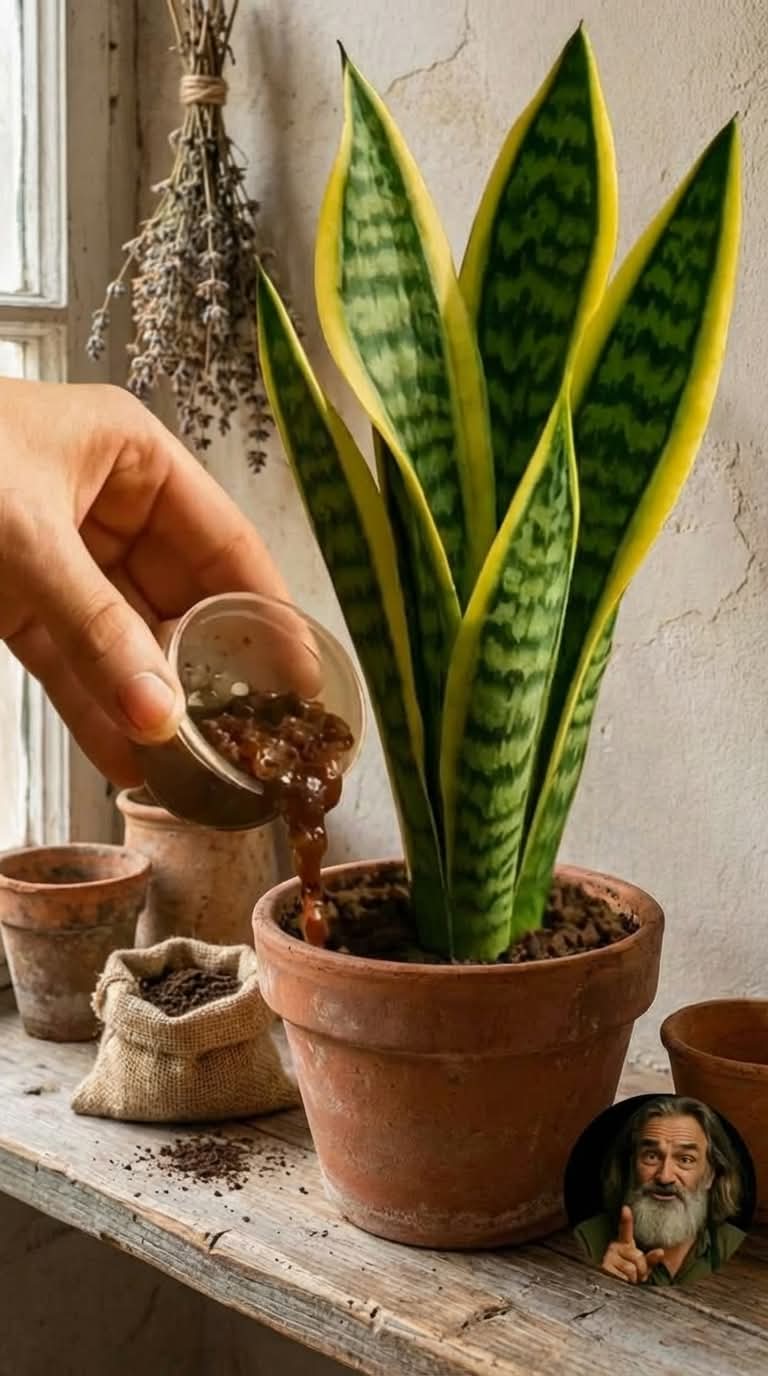
· Homemade banana peel water (see recipe below) for a gentle, potassium‑rich boost.
· Compost tea or worm castings for slow‑release nutrients.
Step 3: Feed During Active Growth
Feed only during the growing season (spring through early fall). In winter, the plant rests, and feeding can cause leggy growth or root issues.
Step 4: Water Properly
Feeding works best when combined with proper watering:
· Allow the soil to dry out completely between waterings.
· Water deeply until it runs out the drainage holes, then empty the saucer.
· Never let the plant sit in water.
Step 5: Be Patient
Even with optimal conditions, snake plants don’t grow as fast as pothos or philodendrons. But you should see noticeable new growth within 4–8 weeks.
Natural Fertilizer Recipe: Banana Peel Water
Banana peels are rich in potassium and also contain phosphorus, magnesium, and trace minerals—all of which support strong, healthy growth.
What You’ll Need
· 2–3 ripe banana peels (organic preferred)
· 1 liter (4 cups) water
· A jar with a lid
Instructions
- Cut the peels into small pieces (about 1‑inch squares).
- Place in a jar and cover with water.
- Cover loosely and let sit at room temperature for 2–3 days. Stir or shake once a day.
- Strain the liquid into a clean container.
- Dilute with an equal amount of plain water (1:1 ratio) before using.
- Apply to the soil around your snake plant once a month during the growing season.
Note: If the liquid smells unpleasant, it’s fermented too long; discard and start fresh.
Pro Tips for Maximum Growth
- Choose the Right Pot
Snake plants actually grow faster when slightly root‑bound. A pot that’s too large encourages root growth at the expense of leaves. Only repot when roots are visibly crowded, and go up just one pot size.
- Use Well‑Draining Soil
Heavy soil retains too much moisture, which can lead to root rot and slow growth. Use a cactus/succulent mix or add perlite to regular potting soil (about 1 part perlite to 2 parts soil).
- Provide Warmth
Snake plants love warmth. Keep them in temperatures between 65–85°F (18–29°C). Avoid cold drafts and temperatures below 50°F.
- Clean the Leaves
Dust accumulates on snake plant leaves, blocking light. Wipe them gently with a damp cloth every few weeks to maximize photosynthesis.
- Propagate for More Plants
If you want a fuller pot, you can propagate new plants from leaf cuttings. More plants in the same pot can create a lush look faster than waiting for one plant to fill out.
- Don’t Overfeed
More isn’t better. Over‑fertilizing can cause brown leaf tips, salt buildup, and even root damage. Stick to a gentle schedule.
Common Mistakes That Slow Growth
Mistake Why It’s a Problem Fix
Too little light Plant can’t produce enough energy to grow Move to brighter spot or add grow light
Overwatering Roots rot, growth stops Let soil dry completely between waterings
Underwatering Leaves wrinkle, plant stalls Water deeply when soil is dry
No fertilizer Soil is depleted Feed gently during growing season
Pot too large Energy goes to roots instead of leaves Keep pot snug; repot only when necessary
Cold drafts Slows metabolism, may cause leaf damage Keep away from doors, windows in winter
Delicious Variations: Other Natural Boosts
- Rice Water
The cloudy water from rinsing rice contains B vitamins and trace minerals. Use it undiluted once a month.
- Eggshell Water
Soak crushed eggshells in water for a few days to make a calcium‑rich supplement. Use diluted (1:1) occasionally.
- Compost Tea
Steep finished compost in water for 24 hours, strain, and use as a gentle all‑purpose feed.
- Epsom Salt Solution
Dissolve 1 teaspoon of Epsom salt in 1 gallon of water. Use once every 2 months to provide magnesium, which supports chlorophyll production.
- Molasses Water
Mix 1 tablespoon unsulfured blackstrap molasses with 1 gallon of water. The sugars feed beneficial soil microbes, improving nutrient availability.
Frequently Asked Questions (FAQs)
Q: How fast do snake plants grow with this trick?
A: With bright light and regular gentle feeding, you can expect a new leaf every 4–8 weeks during the growing season. This is about 3–4 times faster than under low‑light, no‑feed conditions.
Q: Can I use chemical fertilizer?
A: Yes, but use a balanced liquid fertilizer (like 10‑10‑10) diluted to half strength. Apply once a month in spring and summer. Avoid slow‑release granules that can build up over time.
Q: Will this trick work for all snake plant varieties?
A: Yes! All Sansevieria (now Dracaena) varieties respond to brighter light and gentle feeding. The taller varieties (like ‘Laurentii’) may show faster vertical growth, while compact forms (like ‘Hahnii’) will produce more offsets.
Q: Should I rotate my snake plant?
A: Rotating every few weeks ensures all sides receive equal light and prevents the plant from leaning. It’s especially helpful if your light source is directional.
Q: Can I use this trick on newly propagated cuttings?
A: Wait until cuttings have established roots and are actively growing (usually 2–3 months after potting). Then follow the same light and feeding routine.
Q: What if my snake plant still doesn’t grow?
A: Check for root rot, pests (mealybugs are common), or extreme pot‑binding. Sometimes a plant needs fresh soil and a slightly larger pot to restart growth.
Year‑Round Care Summary
Season Light Water Fertilizer Notes
Spring Bright, indirect When soil dry Gentle feed monthly Growth begins; repot if needed
Summer Bright, indirect When soil dry Gentle feed monthly Peak growing season
Fall Bright, indirect Reduce slightly Stop feeding Plant slows down
Winter Bright, indirect Infrequent None Rest period; water sparingly
Conclusion
The simple trick of giving your snake plant brighter light and occasional gentle feeding can transform it from a slow‑growing survivor into a lush, vigorous plant. It doesn’t require expensive products or complicated routines—just a better spot in your home and a little homemade banana water or diluted fertilizer.
I hope this guide has shown you how easy it is to speed up snake plant growth. Start with one change—move your plant to a brighter spot—and you’ll likely see the difference within a month. Add gentle feeding, and you’ll be rewarded with new leaves, stronger roots, and a fuller, happier plant.
Now it’s your turn! Have you tried any of these tricks? Share your experiences and questions in the comments below.
And if you’re looking for more plant care guides, check out our articles on How to Make a Snake Plant Bloom, The Best Soil Mix for Snake Plants, and Natural Fertilizers for Houseplants.
Happy growing! 🌿✨
Did this trick help your snake plant grow faster? We’d love to see your before and after photos! Leave a comment below and share your success. Don’t forget to pin this guide for future reference!
More Recipes You Might Like
-

Why Some Homeowners Are Using Onion Water Around Orchids and What Usually Helps More for Strong Roots, Healthy Leaves, and Long-Lasting Blooms
Orchids are among the most elegant indoor flowering plants for homeowners who want graceful stems, glossy green leaves, long-lasting blooms, and a refined decorative display that fits beautifully in living rooms, bedrooms, apartments, home offices, bright kitchens, windowsills, covered patios, commercial interiors, luxury home staging, and premium indoor plant styling. A healthy orchid can turn…
-

Why Some Homeowners Are Pouring Aloe Water Around Orchids and What Usually Helps More for Strong Roots, Healthy Leaves, and Long-Lasting Blooms
Orchids are among the most elegant indoor flowering plants for homeowners who want graceful blooms, sculptural roots, glossy leaves, and a premium decorative display that fits beautifully in living rooms, bedrooms, apartments, home offices, bright kitchens, balcony gardens, covered patios, commercial interiors, luxury home staging, and refined indoor plant styling. A healthy orchid can make…
-
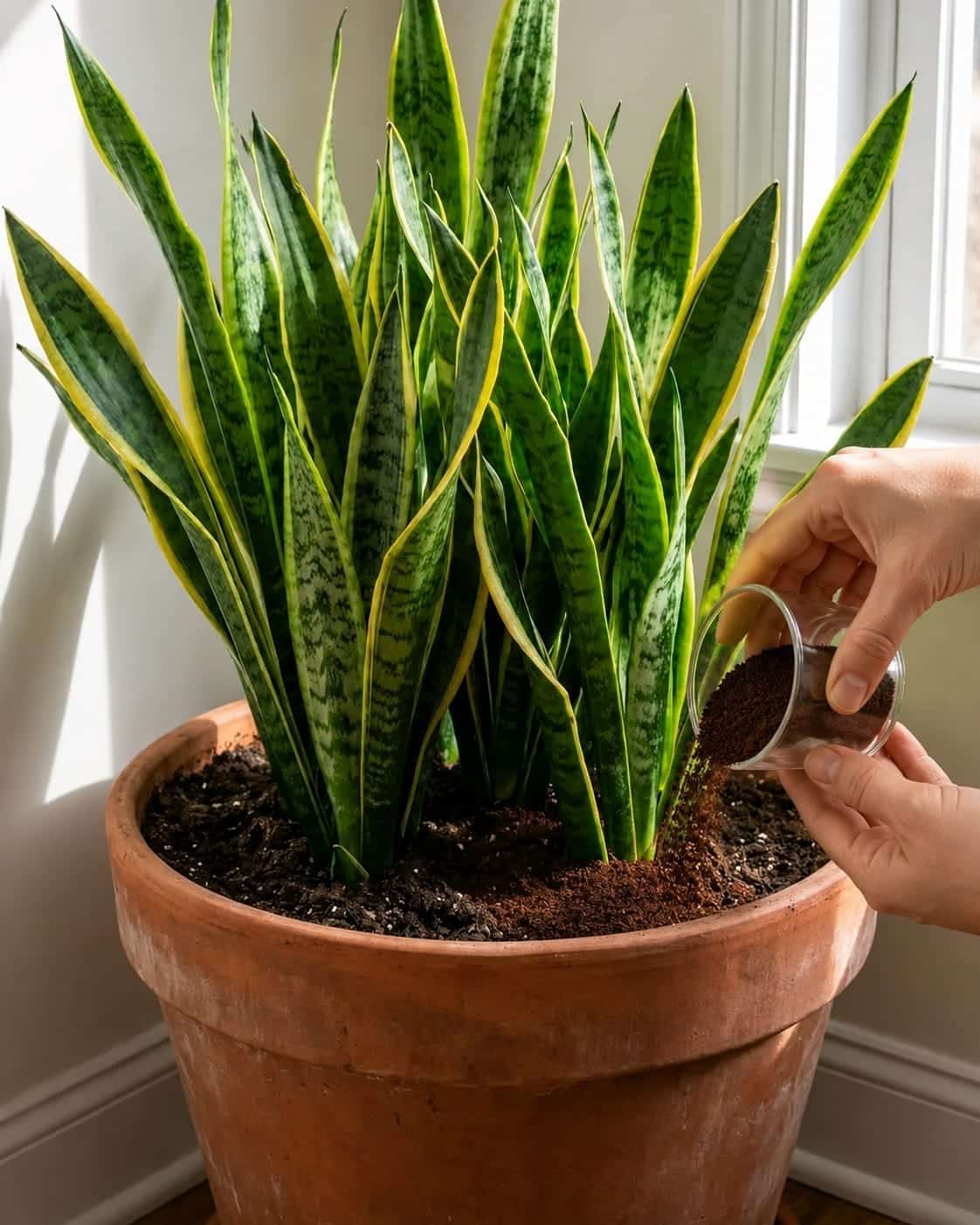
Why Some Homeowners Are Adding Brown Powder Around Snake Plants and What Usually Helps More for Strong Roots, Fuller Growth, and Healthy Indoor Leaves
Snake plant is one of the most dependable indoor plants for homeowners who want strong upright leaves, bold green patterning, yellow-edged variegation, easy maintenance, and a clean decorative display that fits beautifully in living rooms, bedrooms, apartments, home offices, bright kitchens, entry corners, sunny windowsills, plant shelves, commercial interiors, luxury home staging, and premium indoor…