Does your fragrant plant rarely bloom? Discover the simple trick to encourage flowers and enjoy their sweet scent for weeks longer. Natural, easy, and effective.
You bought it for the flowers. You were promised delicate petals and an intoxicating fragrance that would fill your home. And for a while, it delivered—or maybe it never bloomed at all. Now you’re left with lush green leaves and a growing sense of frustration.
If this sounds familiar, you’re not alone. Many of the most fragrant flowering plants—gardenias, jasmine, orchids, and stephanotis—can be notoriously reluctant to bloom indoors. They need just the right conditions to trigger flower production, and without them, they’ll happily stay green and silent.
But here’s the good news: with one simple, natural trick, you can encourage even the shyest plant to flower—and help those blooms last longer so you can savor their sweet scent.
In this guide, I’ll share the secret that turned my own jasmine from a leafy wallflower into a cascade of fragrant blooms, along with the care tips that keep it flowering for weeks.
Why Your Fragrant Plant Isn’t Blooming
Most flowering plants have one thing in common: they need a signal to switch from leaf‑growing mode to flower‑producing mode. In nature, that signal is often a change in light, temperature, or water. Indoors, we accidentally remove those signals, and the plant never gets the cue.
Common reasons for failure to bloom:
· Too little light – Many fragrant plants need bright, direct or indirect light to build energy for flowers.
· Inconsistent temperatures – Without a cool period or seasonal shift, some plants won’t form buds.
· Too much nitrogen – High‑nitrogen fertilizer pushes leaf growth at the expense of flowers.
· Pruning at the wrong time – Cutting off buds before they have a chance to form.
· The plant is still young – Some plants take a couple of years to mature enough to bloom.
The Simple Trick: A Cool Nighttime Dip
After years of trial and error, I discovered one trick that works for a surprising number of fragrant plants: give them a cooler night temperature.
Many flowering plants, especially those with strong fragrances, evolved in climates where nights are significantly cooler than days. When they feel that temperature drop, they interpret it as a seasonal change and respond by producing flowers.
How to Do It:
- During the day, keep your plant in its usual spot—preferably where it receives bright, indirect light. South‑ or east‑facing windows are ideal.
- At night, move the plant to a cooler location. Aim for a temperature 10–15°F (5–8°C) cooler than daytime. For many indoor plants, this means moving them to an unheated room, a cool hallway, or near a window that gets chilly at night. If you have a basement or a porch that stays above 50°F (10°C), that works perfectly.
- Repeat this daily for 2–4 weeks. Consistency is key. After a couple of weeks, you should see tiny buds forming.
- Once buds appear, you can stop moving the plant. Keep it in a stable spot with consistent light and water to let the buds develop.
Why This Works
The temperature drop mimics the arrival of spring or autumn in the plant’s native habitat. Many fragrant bloomers—like gardenias, jasmine, and certain orchids—are triggered by cooler nights. Once they sense the change, they shift energy from leaf growth to flower production.
Extending the Fragrance: How to Make Blooms Last
Getting flowers is half the battle; keeping them fragrant and fresh is the other. Once your plant blooms, follow these tips to enjoy the scent as long as possible.
- Avoid Overwatering
Soggy soil can cause buds to drop prematurely. Water only when the top inch of soil feels dry.
- Keep Temperatures Stable
Sudden temperature swings can cause flowers to wilt. Once buds appear, keep the plant in a spot where daytime and nighttime temperatures are consistent.
- Increase Humidity (for Many Fragrant Plants)
Jasmine, gardenias, and orchids love humidity. Mist leaves lightly in the morning, use a pebble tray, or run a humidifier nearby. Dry air can shorten flower life.
- Stop Fertilizing During Bloom
High nitrogen can shorten bloom time. If you must feed, use a low‑nitrogen, high‑phosphorus formula (like 10‑30‑20) once buds form, but many plants do best with no fertilizer while flowering.
- Pinch Spent Flowers
Remove faded blooms promptly. This prevents the plant from putting energy into seed production and encourages more flowers to open.
Additional Tips to Trigger Blooms
If the cool‑night trick alone doesn’t work, combine it with these extra steps.
- Give It Bright Light
During the day, your plant needs plenty of light to build energy. An east‑facing window (morning sun) or a spot near a south‑facing window with a sheer curtain is ideal. If natural light is limited, supplement with a full‑spectrum grow light for 10–12 hours a day.
- Use a Bloom‑Boosting Fertilizer
Switch from a balanced fertilizer to one with a higher middle number (phosphorus) in early spring. A ratio like 10‑30‑20 or 5‑10‑5 encourages flowers. Apply only during the growing season, and stop once buds appear.
- Prune at the Right Time
Pruning encourages branching, which means more potential flower sites. But pruning at the wrong time can cut off developing buds. For most spring‑blooming fragrant plants, prune immediately after they finish flowering. For summer bloomers, prune in early spring.
- Keep It Root‑Bound
Some plants—like jasmine and gardenias—actually bloom more when their roots are slightly crowded. If you’ve recently repotted into a much larger pot, you may have to wait until the plant fills the space.
- Be Patient
Young plants may not bloom for a year or two. Give them time to mature.
Natural Ways to Boost Fragrance
Once your plant blooms, you can enhance the scent naturally:
· Increase warmth during the day – A slightly warmer day temperature can intensify fragrance, especially in jasmine and gardenias.
· Open a window at night – A gentle breeze can carry the scent into the room. Many fragrant plants release more scent in the evening to attract night‑pollinating insects.
· Place the plant where you’ll enjoy it – Position it near seating areas, entryways, or your bedroom window to catch the breeze.
Delicious Variations: Which Plants Love This Trick?
This technique works especially well for these popular fragrant plants:
Plant Ideal Night Temp Bloom Time
Jasmine (Jasminum polyanthum) 50–55°F (10–13°C) Late winter to spring
Gardenia 60–65°F (15–18°C) Late spring to summer
Stephanotis 55–60°F (13–15°C) Summer
Night‑blooming Jasmine 55–60°F (13–15°C) Summer, blooms at night
Certain Orchids 55–60°F (13–15°C) Depends on variety
Honeysuckle (indoor) 50–55°F (10–13°C) Summer
If you’re growing a different fragrant plant, research its native climate—it likely has a similar need for a seasonal temperature shift.
What to Do If Your Plant Still Won’t Bloom
Sometimes, despite your best efforts, a plant just won’t flower. Before giving up, check:
· Is it getting enough light? Try moving it to a brighter spot or adding a grow light.
· Is it getting too much nitrogen? Switch to a bloom‑boosting fertilizer and stop using high‑nitrogen formulas.
· Is it the right age? Young plants often need a couple of years to mature.
· Are there hidden pests? Aphids, mealybugs, or spider mites can sap energy. Inspect leaves and stems closely.
· Is it the right season? Some plants only bloom at specific times of the year.
Frequently Asked Questions
Q: How long does it take to see buds after starting the cool‑night trick?
A: Typically 2–4 weeks. Some plants may respond faster, others may need a full month of consistent temperature changes.
Q: Can I use this trick on indoor plants that usually bloom in summer?
A: Yes. Many summer bloomers benefit from a period of cooler nights in early spring to trigger flower production.
Q: Do I need to move the plant every night?
A: Consistency helps, but if you can’t move it daily, keep it in a naturally cooler spot at night (like a hallway or near a window) and it will still respond.
Q: Will this trick work for orchids?
A: Yes, especially for Phalaenopsis and Cattleya orchids. Many orchids require a temperature drop to initiate flower spikes.
Q: My plant has buds but they drop before opening. What’s wrong?
A: Bud drop is often caused by dry air, overwatering, or sudden temperature changes. Keep conditions stable, increase humidity, and water consistently.
Q: Can I use this trick on a plant that bloomed last year but won’t this year?
A: Absolutely. The cool‑night technique can be repeated annually to encourage a reliable bloom cycle.
Final Thoughts: A Little Patience, a Lot of Scent
There’s something magical about walking into a room and being greeted by a sweet, natural fragrance. It’s the reward for a little extra effort—a cooler spot at night, a shift in care, a moment of patience.
The simple trick of giving your plant cooler nights is one of the most effective, natural ways to encourage it to bloom. Combined with bright light, proper feeding, and a little patience, you’ll soon be enjoying flowers that fill your home with their scent.
Now it’s your turn! Have you tried this trick? What’s your favorite fragrant plant? Share your experience in the comments below.
And if you’re looking for more plant care tips, check out our guides on Getting Orchids to Rebloom, Caring for Gardenias Indoors, and Natural Fertilizers for Flowering Plants.
Happy blooming! 🌸✨
Did this tip help your plant bloom? We’d love to see your flowers! Leave a comment below and share your photos. Don’t forget to pin this guide for next season.
More Ideas You Might Like
-

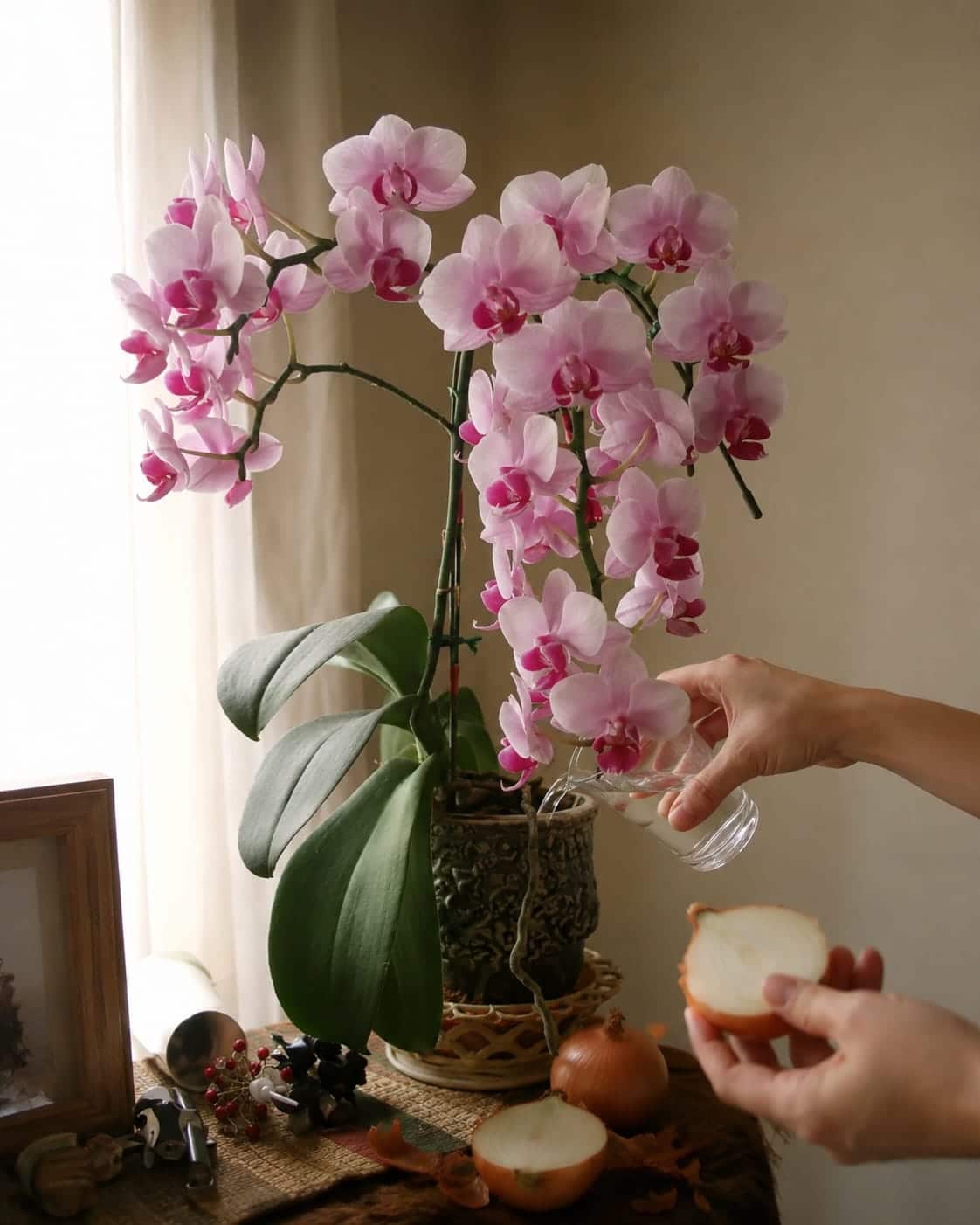
Why Some Homeowners Are Using Onion Water Around Orchids and What Usually Helps More for Strong Roots, Healthy Leaves, and Long-Lasting Blooms
Orchids are among the most elegant indoor flowering plants for homeowners who want graceful stems, glossy green leaves, long-lasting blooms, and a refined decorative display that fits beautifully in living rooms, bedrooms, apartments, home offices, bright kitchens, windowsills, covered patios, commercial interiors, luxury home staging, and premium indoor plant styling. A healthy orchid can turn…
-

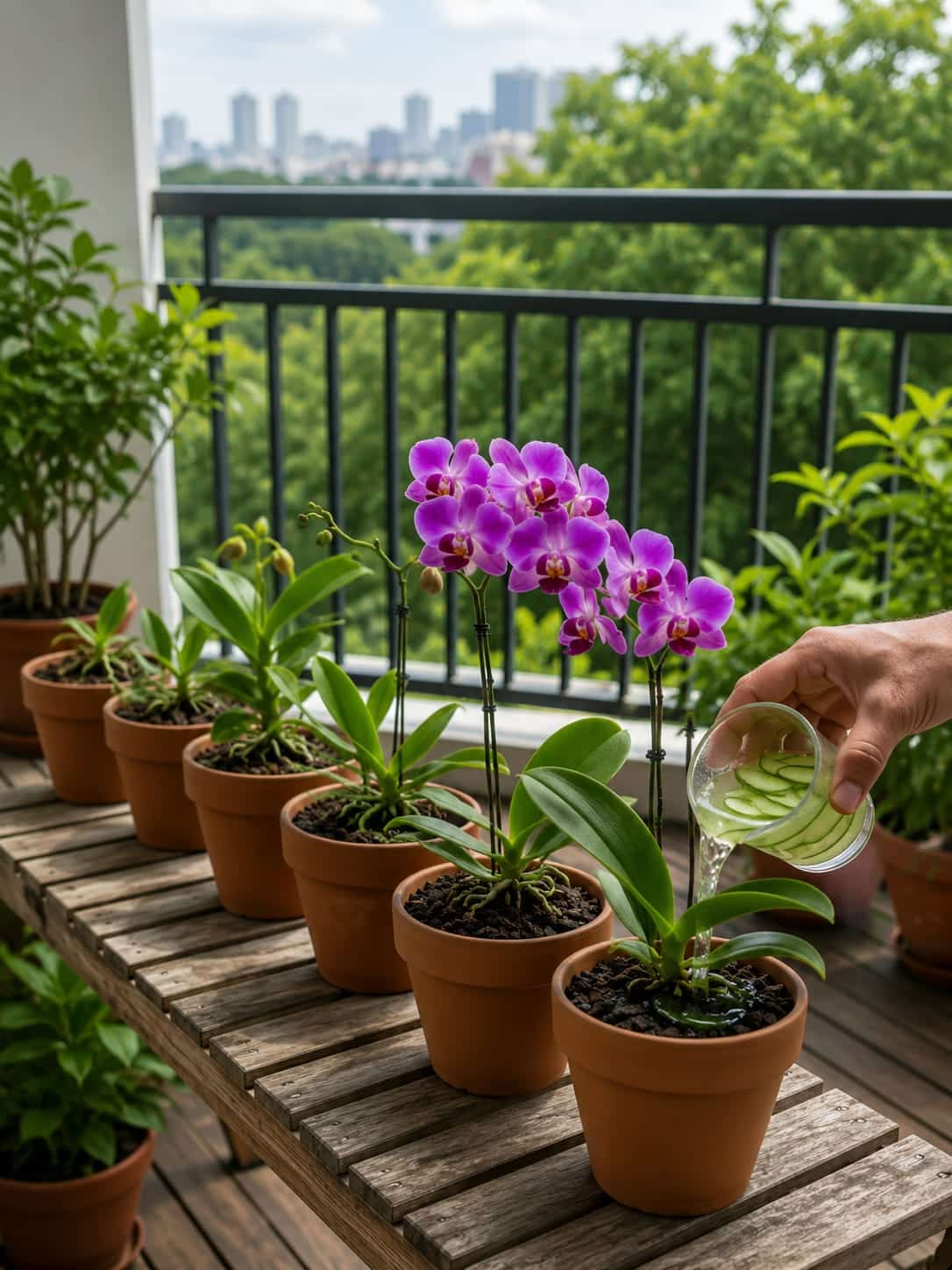
Why Some Homeowners Are Pouring Aloe Water Around Orchids and What Usually Helps More for Strong Roots, Healthy Leaves, and Long-Lasting Blooms
Orchids are among the most elegant indoor flowering plants for homeowners who want graceful blooms, sculptural roots, glossy leaves, and a premium decorative display that fits beautifully in living rooms, bedrooms, apartments, home offices, bright kitchens, balcony gardens, covered patios, commercial interiors, luxury home staging, and refined indoor plant styling. A healthy orchid can make…
-
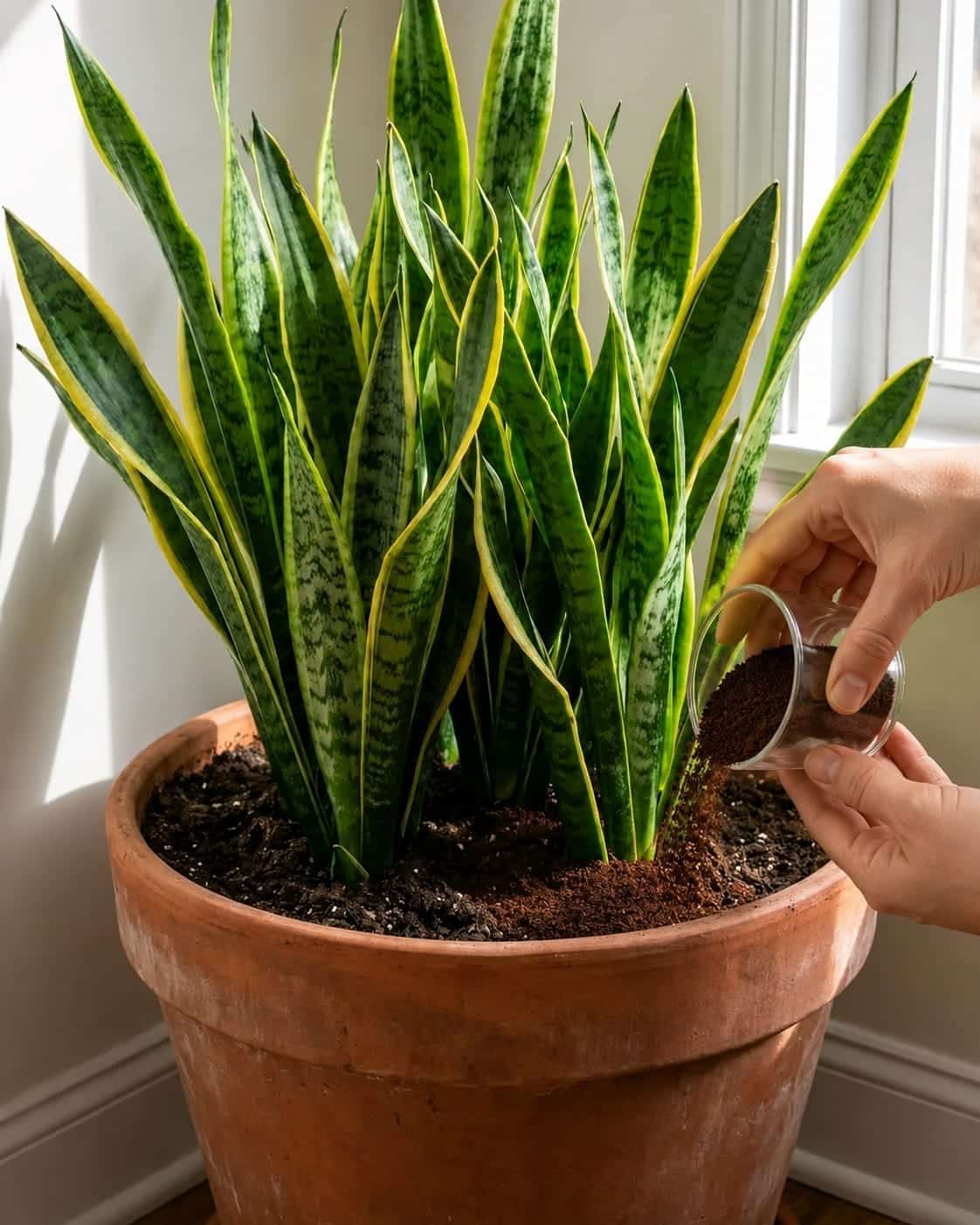
Why Some Homeowners Are Adding Brown Powder Around Snake Plants and What Usually Helps More for Strong Roots, Fuller Growth, and Healthy Indoor Leaves
Snake plant is one of the most dependable indoor plants for homeowners who want strong upright leaves, bold green patterning, yellow-edged variegation, easy maintenance, and a clean decorative display that fits beautifully in living rooms, bedrooms, apartments, home offices, bright kitchens, entry corners, sunny windowsills, plant shelves, commercial interiors, luxury home staging, and premium indoor…