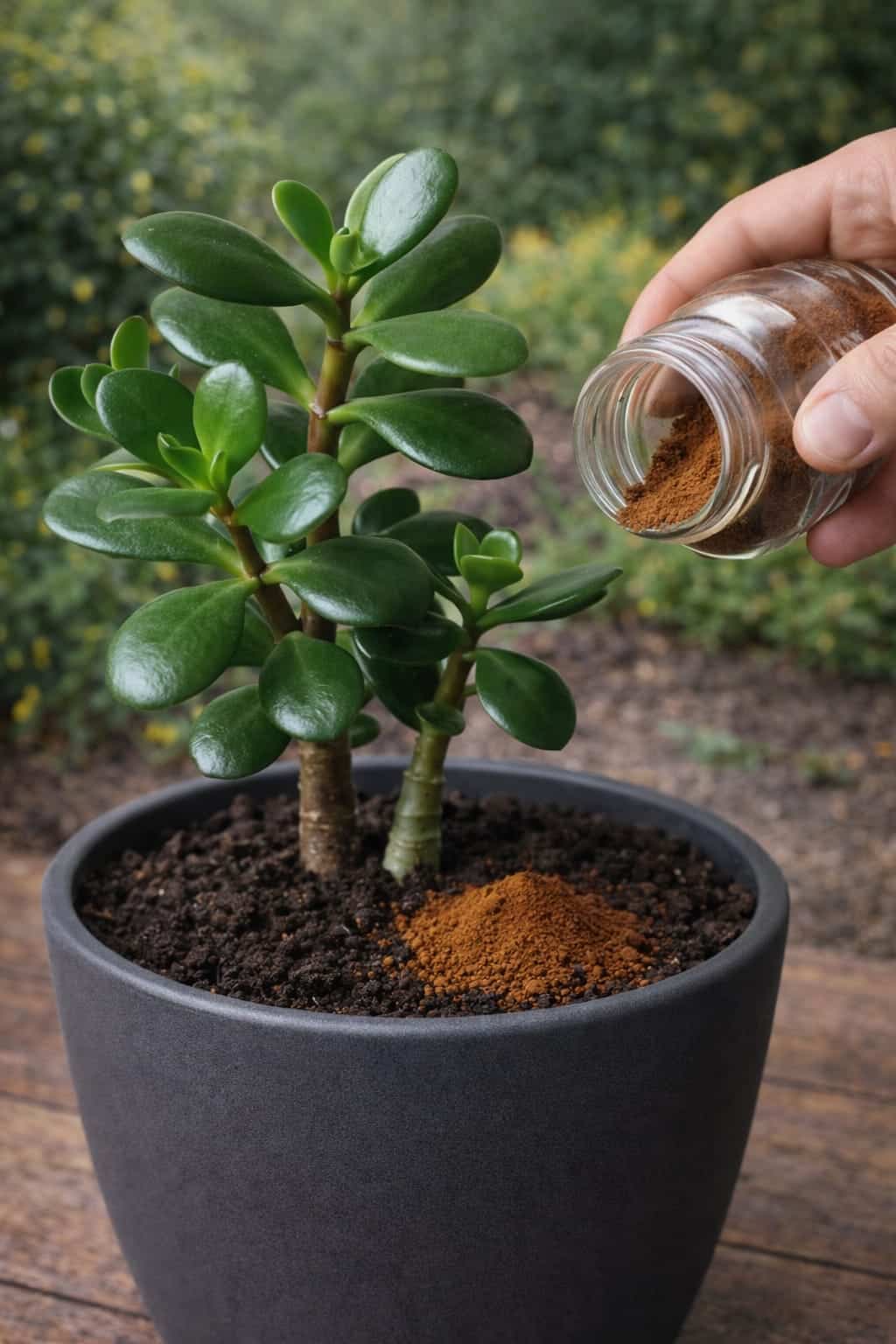
Is your jade plant looking leggy and sparse? Learn the art of pruning to transform it into a big, bushy, beautiful specimen. Timing, tools, techniques, and pro tips inside.
Let’s be honest: jade plants (Crassula ovata) are beloved for their thick, succulent leaves, sturdy stems, and remarkable resilience. They can live for decades, becoming treasured family heirlooms. But without proper pruning, they often become leggy, sparse, and top‑heavy – losing that lush, bushy form we all admire in photos.
The good news? With the art of pruning, you can unlock your jade plant’s full potential. By making strategic cuts at the right time, you encourage branching, stimulate new growth, and create a dense, compact, captivating display. In this comprehensive guide, we’ll explore the techniques and principles that will help you master the art of pruning your jade plant – from timing and tools to step‑by‑step instructions, recovery care, and troubleshooting.
Whether you’re a beginner or an experienced plant parent, this guide will give you the confidence to shape your jade plant into a big, bushy beauty.
Why Pruning Matters for Jade Plants
Jade plants naturally grow upright, but without intervention, they tend to stretch toward light, becoming leggy. The lower leaves may drop, leaving bare stems. Pruning solves this by:
· Encouraging branching – when you cut a stem, the plant produces two new branches from the nodes below the cut.
· Creating a fuller shape – more branches = more leaves = a bushier plant.
· Improving overall health – removing dead or damaged parts prevents disease.
· Controlling size – keep your jade plant manageable indoors.
· Stimulating new growth – pruning redirects energy to active growing points.
With patience and proper technique, you can transform a single, spindly stem into a lush, rounded shrub.
1. Timing – When to Prune Your Jade Plant
Source: The Pioneer Woman
Pruning is best done in spring or early summer when the jade plant is actively growing. During this period, the plant produces growth hormones that help wounds heal quickly and new buds emerge rapidly. Avoid pruning in fall and winter when the plant is semi‑dormant – cuts will heal slowly, and new growth may be weak.
Pro tip: If you live in a climate where your jade plant goes outdoors in summer, prune in early spring before moving it outside. This gives it time to recover and put on new growth during the warm season.
2. Choose the Right Tools
Source: Garden Design
Using the right tools is essential for clean cuts and plant health.
Tool Purpose Best Practice
Sharp pruning shears For thicker, woody stems Clean with rubbing alcohol before and after use.
Sharp scissors For small, soft stems and pinching Ensure they are sharp to avoid crushing tissue.
Rubbing alcohol (70% isopropyl) Sterilizing tools Wipe blades between cuts to prevent disease spread.
Pro tip: Dull tools crush stems, leaving ragged wounds that invite infection. Always use sharp, clean implements.
3. Select the Branches to Prune
Source: Better Homes and Gardens
Before you start cutting, take a good look at your jade plant. Identify:
· Long, leggy stems – those with long gaps between leaves.
· Branches that are top‑heavy – causing the plant to lean.
· Areas with sparse foliage – where branching would improve fullness.
· Crossing or inward‑growing branches – these can rub and cause damage.
· Dead, damaged, or diseased parts – remove these first.
Pro tip: Step back and view your plant from all angles. Visualize the shape you want – a rounded bush, a small tree, or a compact cluster
4. Determine the Desired Shape
Source: Positive Bloom
Decide on the shape you want your jade plant to take. Common forms include:
· Bushy, rounded shrub – perfect for tabletops and shelves.
· Small tree (bonsai‑like) – with a single trunk and branching canopy.
· Compact cluster – multiple stems close together.
· Natural, asymmetrical – follows the plant’s natural growth.
Your pruning cuts will guide the plant toward your chosen shape. For a bushy form, you’ll focus on cutting back long stems and pinching tips to encourage lateral growth.
5. Prune Selectively
Source: Gardener’s Path
Start by making strategic cuts on the selected branches. Follow these principles:
· Cut just above a leaf node – a node is where a leaf attaches to the stem. New branches will emerge from the node below the cut.
· Cut just above where a stem meets another stem – this encourages branching at that junction.
· Trim back the longest branches – remove about ⅓ to ½ of the stem length. Don’t remove more than ⅓ of the plant’s total foliage at once.
· Avoid cutting too close to the main trunk – leave a small stub (¼ inch) to prevent dieback.
Example: If a branch has 10 leaves, cut it back to 4–5 leaves. New growth will appear at the remaining nodes, creating a fuller cluster.
Pro tip: If you’re unsure, start conservatively. You can always cut more later, but you can’t reattach a removed branch.
6. Pinch or Prune the Tips
Source: All About Gardening
To further promote bushiness, pinch or prune the tips of the branches. This is a gentle technique that redirects the plant’s energy from upward growth to lateral (side) growth.
How to Pinch
· Using your fingernails or small scissors, remove the very tip of a branch – just the tiny new growth at the end.
· Pinch just above a leaf node.
· This encourages two new branches to grow from the node below the pinch.
Benefits of Pinching
· Creates a denser, more compact plant.
· Prevents leggy growth.
· Can be done anytime during the growing season.
Pro tip: Pinch regularly on young plants to establish a bushy form from the start. For mature plants, combine pinching with larger pruning cuts.
Continue to Page 2
Continue to page 2 for more details about this article and the key points many readers miss on the first page.