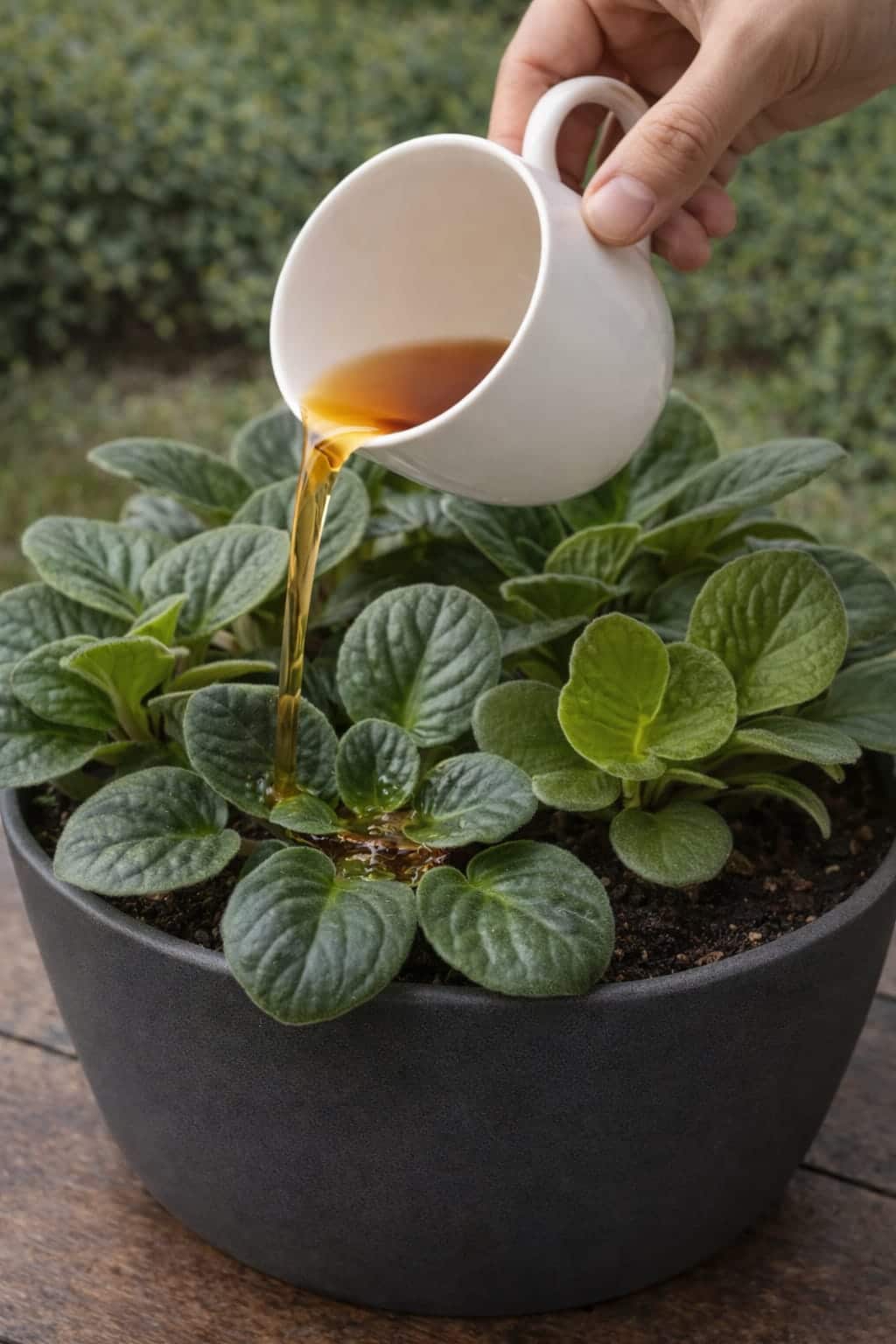
Discover the secrets to making African violets bloom abundantly – light, temperature, humidity, watering, fertilizer, potting mix, repotting, pruning, and patience. Expert tips for non‑stop flowers.
Let’s be honest: there’s something magical about African violets (Saintpaulia). Their delicate blooms in shades of purple, pink, white, and blue, paired with soft, velvety leaves, create an elegance that can brighten any space. I remember when I first brought a few of these beauties home, I struggled to get them to bloom. They looked healthy enough – green leaves, no pests – but the flowers were sparse or non‑existent. Through trial, error, and a lot of research, I discovered the secrets to unlocking their full potential.
Now, every windowsill in my home is adorned with vibrant blooms that bring me endless joy. If you’ve ever wondered how to make your African violets bloom abundantly – not just occasionally, but year after year – let me share everything I’ve learned. In this complete guide, you’ll learn about light, temperature, humidity, watering, fertilizer, potting mix, repotting, pruning, and the patience required to turn shy violets into non‑stop bloomers.
Let’s dive in.
Why African Violets Sometimes Refuse to Bloom
Before we fix the problem, it helps to understand why African violets stop blooming. These plants are not difficult, but they are very specific. Even a healthy‑looking plant may refuse to flower if one or two conditions are slightly off.
Common Reasons for No Blooms
Problem Effect
Not enough light Leaves stay dark green, but no flower buds form.
Inconsistent watering Stress causes bud drop or no blooms.
Oversized pot Plant focuses on root growth instead of flowers.
Dry air Buds fail to develop; leaf edges brown.
Too much nitrogen Leafy growth at the expense of flowers.
Old, compacted soil Roots struggle to absorb nutrients.
The key is not to look for one miracle trick. It is to create the kind of steady environment African violets love. Let’s tackle each factor one by one.
- Light: The Foundation of Healthy Blooms
African violets love bright, indirect sunlight. I keep mine on a windowsill that faces north or east, where they get plenty of filtered light without the harsh rays that can scorch their leaves.
Light Level Guide
Light Level Effect on African Violet
Low light (north window, dark corner) Leaves become dark green and thin; no blooms.
Bright, indirect light (east or north‑east window) Ideal – vibrant leaves, regular blooms.
Filtered south or west light (with sheer curtain) Good – but avoid harsh afternoon rays.
Direct sun Leaf scorch – brown patches, bleached spots.
Pro Tips for Light
· If you don’t have the perfect spot, grow lights can work wonders. I’ve had great success using LED or fluorescent grow lights for 12–14 hours a day to mimic their ideal environment.
· Rotate the pot a quarter turn every week so all sides receive light evenly. This prevents the plant from leaning and encourages symmetrical growth.
· Keep in mind: too much light can cause leaves to pale, while too little will limit blooming.
- Temperature: Consistent Warmth Is Key
Temperature plays a huge role in African violet health. These plants thrive in daytime temperatures of 70–80°F (21–27°C) and cooler nighttime temperatures around 65°F (18°C).
Temperature Guidelines
Condition Ideal Range Effect
Daytime 70–80°F (21–27°C) Active growth, energy for blooms
Nighttime 65°F (18°C) Natural rest period
Avoid Below 60°F or above 85°F Stress, no blooms
Pro Tips for Temperature
· I make sure to keep mine away from drafty windows or vents, as sudden temperature changes can stress them out.
· Maintaining consistency is key. If you live in a cooler climate, consider placing a small heater nearby or using an insulating curtain.
· A slight drop at night (5–10°F) can actually encourage blooming – it mimics natural seasonal changes.
- Humidity: Recreating a Tropical Paradise
African violets are native to the humid cloud forests of East Africa, so they thrive in humidity levels of 50–60%. In dry homes (especially during winter), the air can drop below 40%, causing brown leaf edges and reduced blooming.
How to Increase Humidity
Method Effectiveness
Pebble tray (pot sits on pebbles in water) Moderate – easy and cheap
Group plants together Good – creates a microclimate
Humidifier Excellent – best for very dry homes
Misting (light, in morning) Low – temporary effect
Pro Tips for Humidity
· If your home is on the drier side, group your violets together or place their pots on pebble trays filled with water.
· I’ve even added a small humidifier near my plants during winter months when indoor air tends to be especially dry.
· Avoid misting heavily – wet leaves can lead to fungal spots.
- Watering: Avoiding the Biggest Mistake
Watering African violets can be tricky. Overwatering is a common mistake, and one I made early on. These plants dislike both soggy roots and dry neglect.
Continue to Page 2
Continue to page 2 for more details about this article and the key points many readers miss on the first page.