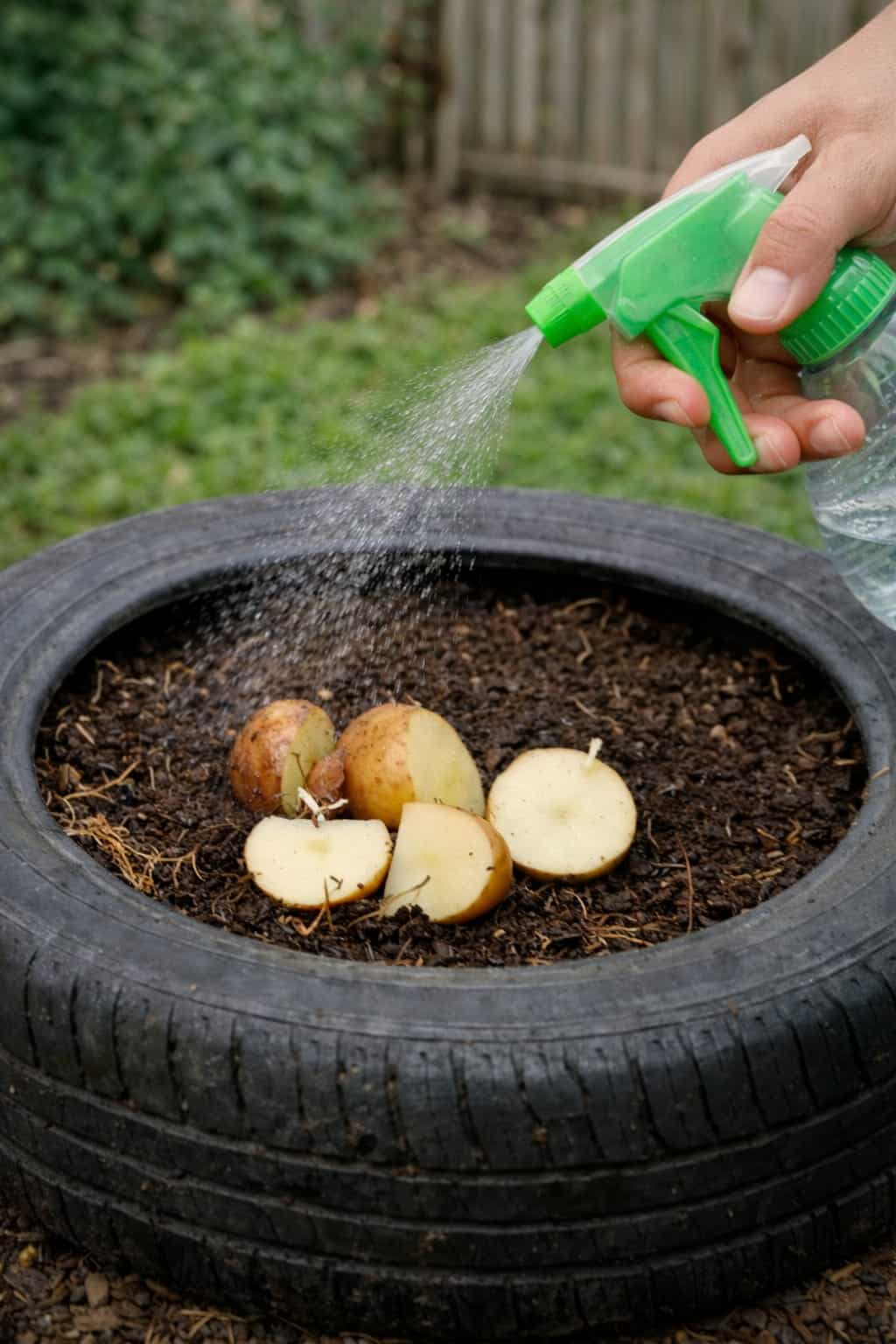
There is something endlessly satisfying about watching a potato go from a humble kitchen staple to a vigorous green plant. It feels simple, almost surprising, and yet it is one of the easiest ways to see how powerful plant life really is.
A small potato does not look like much at first. It sits quietly in the soil, almost invisible once planted. But given moisture, warmth, and time, it begins one of the most fascinating transformations in the garden. Tiny roots form. Shoots push upward. Leaves unfold. And before long, what looked like an ordinary potato becomes a thriving plant full of life.
That is part of what makes growing potatoes so rewarding. They remind us that even the most ordinary things can become extraordinary under the right conditions.
In this guide, you will learn exactly how to turn a small potato into a healthy, productive plant — whether you have a large garden, a small patio, or just a few containers. You will discover why potatoes are perfect for beginners, how to choose the right potatoes, step‑by‑step planting instructions, and the secrets to a generous harvest.
Why Potatoes Are So Satisfying to Grow
Potatoes are one of the most beginner‑friendly crops you can plant. They do not require fancy tools or expert gardening skills to get started. In fact, many gardeners first fall in love with growing food because of potatoes.
They Are Satisfying Because:
· Growth feels fast once the plant gets going – After the initial wait, potato vines can grow inches per day.
· The transformation is dramatic – From a small, wrinkled tuber to a lush, bushy plant.
· They grow well in containers, beds, and even unusual setups – No large garden required.
· The harvest feels like a treasure hunt beneath the soil – Digging up potatoes is genuinely exciting.
Unlike many crops, potatoes keep their biggest reward hidden underground. That makes the whole process feel even more magical. You care for the plant without seeing the full result until harvest day. Then, when you finally dig in, you uncover the fruits (or rather, tubers) of your labor.
How a Small Potato Becomes a Healthy Plant
A potato is more than just food. It is also a storage organ full of energy in the form of starches. When conditions are right, the potato uses that stored energy to begin growing new shoots and roots. This process is called “sprouting” or “chitting.”
The Process Usually Begins With:
· A seed potato or potato piece with at least one “eye” – The eyes are small indentations where sprouts emerge.
· Moist but not soggy soil – Potatoes rot in standing water.
· Warmth – Soil temperature should be at least 45°F (7°C), ideally 60–70°F (15–21°C).
· Enough light once shoots emerge – After sprouts break the surface, they need sunlight to photosynthesize.
At first, roots begin forming below the soil. Then the shoots push upward and reach for light. As the plant grows, it builds the strength it needs to produce more potatoes underground. That is what makes this transformation so amazing. One small starting piece can lead to a much larger harvest — often 5 to 10 times the weight of what you planted.
Why Container Growing Works So Well for Potatoes
One of the best parts of growing potatoes is how flexible they are. They do not need a huge traditional garden to succeed. Many people grow them beautifully in:
· Grow bags – Fabric bags allow air pruning of roots and excellent drainage.
· Buckets – 5‑gallon buckets with drainage holes are perfect for one or two plants.
· Raised beds – Give potatoes plenty of loose soil to expand.
· Barrels or large pots – Half‑barrels work wonderfully.
· Recycled containers – Plastic bins, old trash cans, even cardboard boxes (temporarily).
· Stacked or layered spaces – Some gardeners use vertical towers for even more yield.
Even creative setups can work, as long as the soil drains well and the plants get enough room to develop underground. This makes potatoes a great option for people with small gardens, patios, or even balconies. If you have a sunny spot and a container, you can grow potatoes.
Choosing the Right Potato to Plant
Not every potato from the kitchen is ideal, but many gardeners start with seed potatoes or sprouted potatoes that already show signs of growth. Seed potatoes are certified disease‑free potatoes sold specifically for planting. However, organic potatoes from the grocery store that have begun to sprout can also work.
Good Planting Pieces Usually Have:
· At least one healthy eye – The eye is the dimple where a sprout will emerge. More eyes are better.
· Firm texture – No soft or mushy spots.
· No obvious rot or mold – Discard any that smell bad or feel slimy.
If using larger potatoes, they can often be cut into pieces as long as each piece has a viable eye. Those pieces are usually allowed to dry for a day or two before planting so the cut surface forms a callus and is less likely to rot. This process is called “curing.”
How to Prepare Cut Potato Pieces:
- Use a clean, sharp knife.
- Cut the potato into pieces about 1.5–2 inches wide, each with at least one eye.
- Let the pieces sit at room temperature on a paper towel for 24–48 hours.
- Plant only when the cut surfaces are dry and slightly hardened.
This simple step dramatically reduces the risk of rot.
How to Plant Potatoes (Step‑by‑Step)
The process is simple, which is part of the appeal. Follow these steps for success.
Step 1 – Prepare Your Container or Bed
Choose a container that is at least 12 inches deep and has drainage holes. Fill it with loose, well‑draining potting mix. Do not use heavy garden soil alone — it compacts and holds too much water. A mix of potting soil, compost, and perlite or sand is ideal.
Step 2 – Place the Potato Pieces
Place the potato pieces on top of the soil, with the eyes facing upward. Space them about 8–12 inches apart. For a 5‑gallon bucket, one or two pieces is plenty. For a larger container or raised bed, give each piece room to grow.
Step 3 – Cover with Soil
Cover the potato pieces with 3–4 inches of soil. Do not bury them too deep. The soil should be loose, not packed.
Step 4 – Water Lightly
Water gently so the soil is evenly moist but not soaked. Potatoes need consistent moisture, but soggy soil leads to rot.
Step 5 – Place in a Sunny Spot
Potatoes need at least 6 hours of direct sunlight daily. A south‑facing patio or garden bed is ideal.
Step 6 – Wait for Shoots
Shoots (sprouts) typically appear in 2–4 weeks, depending on temperature. Keep the soil lightly moist during this time.
Once shoots begin to appear, the plant starts its visible growth stage.
Why Soil Matters So Much (And How to Get It Right)
Potatoes grow underground, so soil quality plays a huge role in success. They do best in:
· Loose soil – Roots and tubers can expand easily.
· Well‑draining soil – No standing water.
· Rich but not overly compacted soil – Add compost for nutrients.
DIY Potato Soil Mix:
· 1 part high‑quality potting soil
· 1 part compost (well‑rotted)
· 1 part perlite or coarse sand
Heavy, wet soil can cause rot and poor development. Loose soil allows the new potatoes to expand more easily. This is one reason container potato growing is so popular. It gives gardeners more control over the soil environment.
Soil pH for Potatoes:
Potatoes prefer slightly acidic soil, with a pH between 5.0 and 6.5. This helps prevent scab disease. If your soil is alkaline, you can lower pH by adding elemental sulfur or using an acidifying fertilizer.
The Exciting Part: Watching the Shoots Emerge
Few gardening moments are as satisfying as seeing the first green shoots break through the soil. That is the moment the process starts feeling real.
At that stage, the plant begins to transform quickly:
· Stems rise – They grow straight up, reaching for light.
· Leaves open – First small, then larger compound leaves.
· The plant becomes fuller and greener – More leaves mean more photosynthesis.
· Growth starts to feel dramatic – Some potato varieties can grow inches per day.
What seemed like a buried scrap now looks like a living, vigorous plant. That visible change is why so many people love potato timelapse videos. The progress is easy to see and deeply rewarding.
Continue to Page 2
Continue to page 2 for more details about this article and the key points many readers miss on the first page.