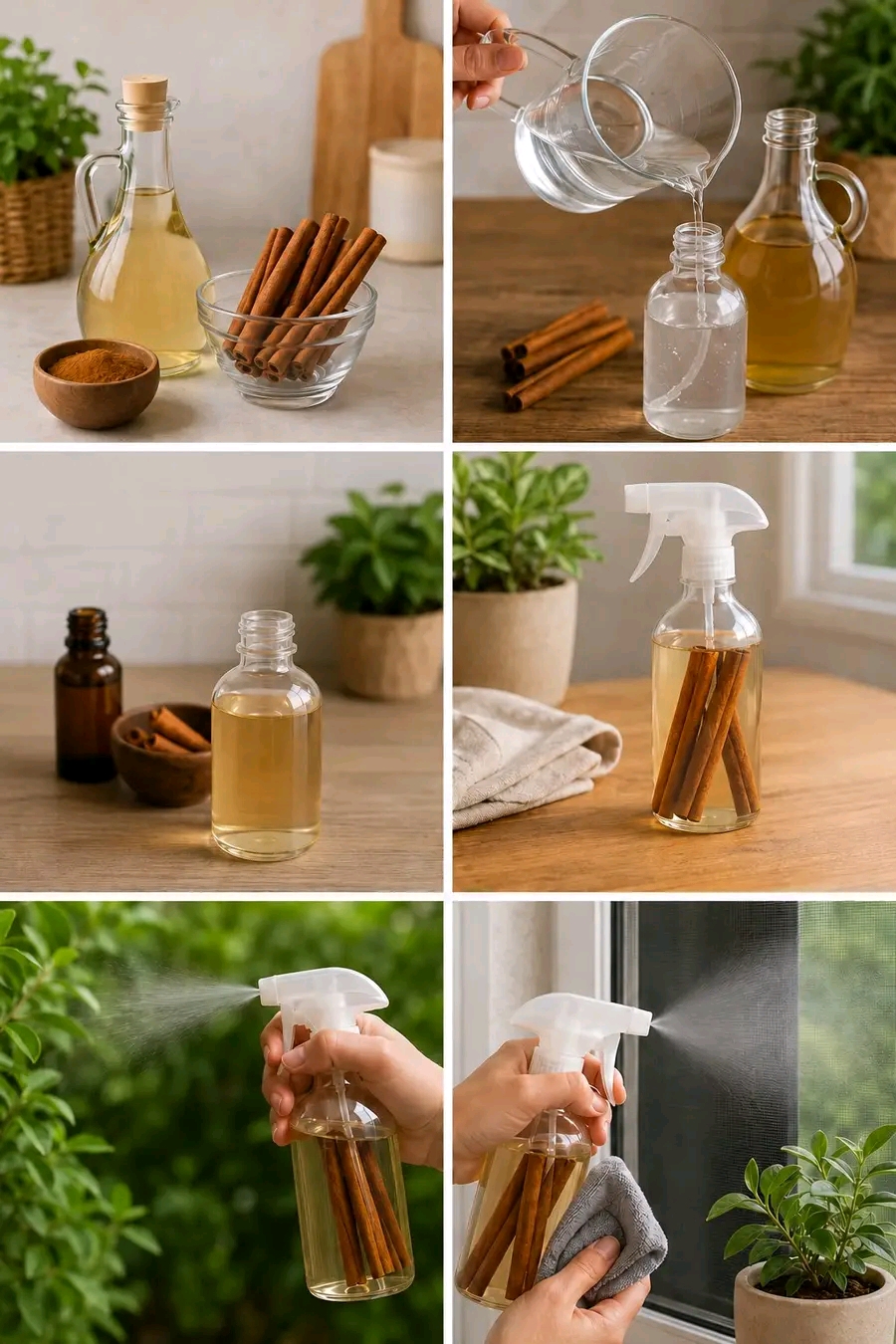
Best Plant-Care Routine With Cinnamon Spray
A good plant-care routine begins with observation. Check soil moisture before watering. Look at leaf color and texture. Rotate plants when needed. Wipe dust from leaves. Remove dead leaves from the soil surface. Empty saucers after watering. Keep plant shelves and windowsills clean.
Cinnamon spray can fit into this routine as a gentle freshness step. It is not the main care method. Think of it like tidying the plant area, not feeding the plant. It can make the space feel cleaner, but the plant still depends on light, water, soil, and drainage.
When a plant is healthy, small styling details can improve the display. When a plant is sick, diagnosis comes first. This balanced mindset prevents overuse of home remedies.
Indoor Decor and Styling Ideas
Cinnamon spray pairs naturally with warm indoor plant styling. A clean wooden shelf, cream ceramic pots, terracotta planters, woven baskets, soft curtains, and bright windows create a cozy plant corner. The cinnamon scent can make the area feel fresh and inviting when used lightly on nearby surfaces.
For kitchens, keep herbs and leafy plants near bright light and wipe the windowsill regularly. For living rooms, use cinnamon spray on a cloth to clean plant trays and outer pots. For bathrooms, focus on airflow because humidity can already be high. For home offices, keep the spray away from electronics and use it only on safe surfaces.
A premium plant display looks clean, intentional, and healthy. The leaves should be dust-free, the pots should be wiped, the soil should be tidy, and the watering routine should be controlled. Cinnamon spray can support this atmosphere, but it should never create wet leaves, sticky surfaces, or strong odors.
Common Mistakes With Cinnamon Spray
One common mistake is making the mixture too strong. A dark concentrated cinnamon liquid may leave residue and irritate leaves. Another mistake is using cinnamon powder without straining it well. Powder can clog spray bottles and leave grit on plants.
A third mistake is spraying flowers directly. Delicate blooms can spot or fade. A fourth mistake is spraying the crown of plants where water can collect. A fifth mistake is using cinnamon spray to cover up sour soil instead of fixing overwatering.
A sixth mistake is adding too many extra ingredients. Vinegar, alcohol, essential oils, soap, sugar, and strong spices can make the spray harsher and more unpredictable. Simple is safer.
What to Do If a Plant Reacts Badly
If leaves develop spots after cinnamon spray, stop using it immediately. Wipe the leaves gently with plain water if residue is visible. Move the plant out of harsh direct sun while it recovers, because wet or irritated leaves can burn more easily.
If the soil smells odd after spraying, allow the surface to dry and improve airflow. Remove any visible residue or moldy top layer. If the smell continues, repotting may be needed, especially if the soil is old or compacted.
If pests appear, do not keep spraying cinnamon as the only response. Identify the pest and treat properly. Fungus gnats, spider mites, mealybugs, scale, and aphids each require different care steps.
Final Thoughts
A gentle cinnamon spray can be a useful freshness tool around houseplants when it is made weak, strained well, used lightly, and kept away from sensitive crowns and delicate flowers. It can help clean plant areas, refresh windowsills, and support a tidy indoor garden atmosphere. However, it should not be treated as a miracle antifungal cure, fertilizer, pest treatment, or root rescue.
The real foundation of healthy houseplants is bright appropriate light, correct watering, drainage holes, airy potting mix, clean leaves, moderate humidity, airflow, and careful observation. If the soil is sour, fix watering and drainage. If pests are present, treat them specifically. If roots are rotting, repot and remove damaged roots. Cinnamon spray can support cleanliness, but it cannot replace real plant care.
With patient care and clean styling, houseplants can remain beautiful in living rooms, bedrooms, kitchens, bathrooms, home offices, apartments, bright windowsills, commercial interiors, luxury home staging, and premium plant displays. Fresh leaves, tidy pots, clean shelves, balanced moisture, and gentle maintenance will always create a safer and more elegant result than relying on strong or overused homemade sprays.