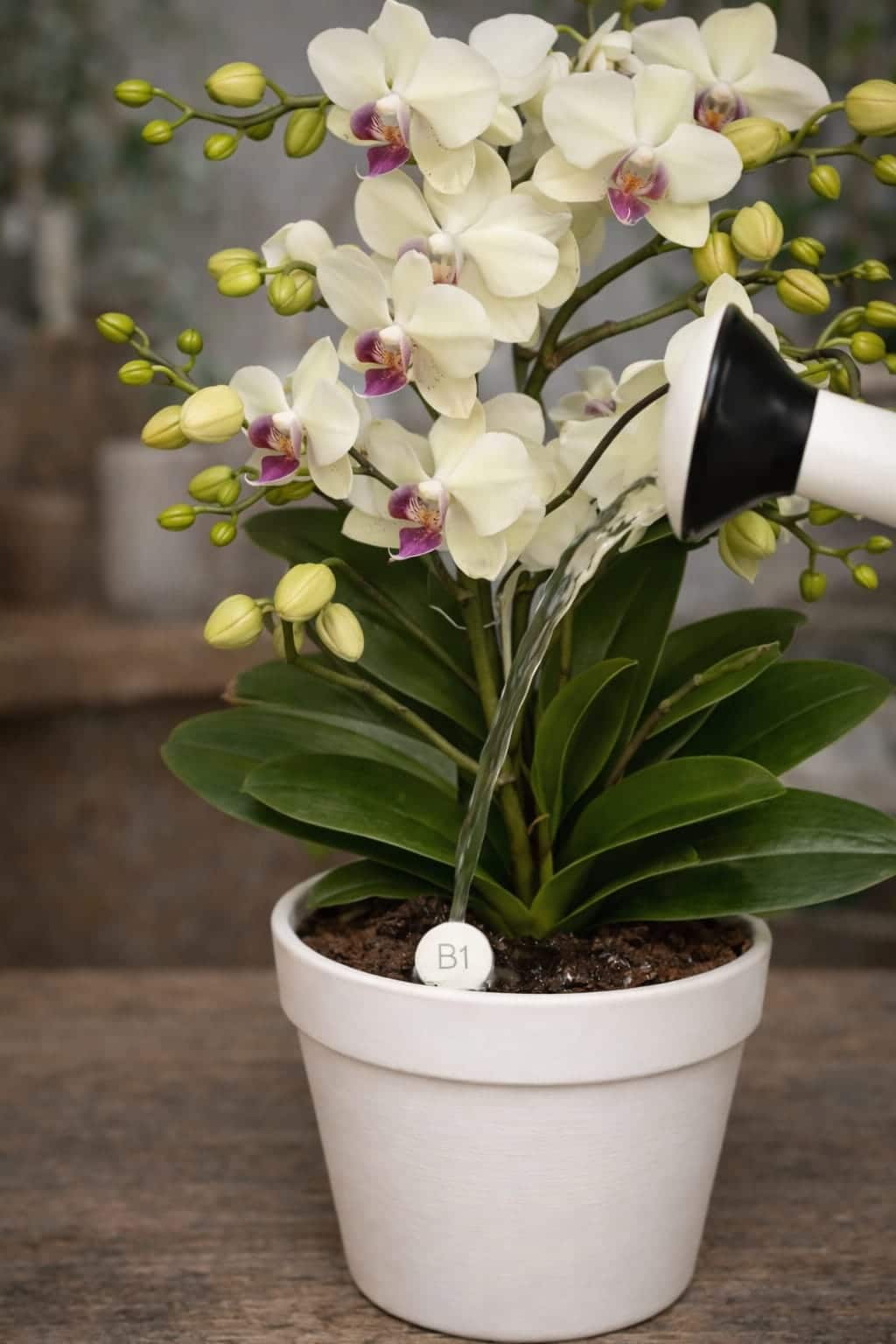
Orchid videos love dramatic promises.
You have probably seen one that says: “Pour this under your orchid and watch the roots multiply like crazy.” Then comes the perfect before‑and‑after shot — fuller roots, glossy leaves, and flowers that seem to last forever.
It is tempting to believe there is one secret liquid that changes everything.
But the truth is much more useful than that.
Orchid roots do not explode with growth because of one miracle ingredient. They grow when the plant has the right balance of air, moisture, light, and gentle feeding. A helpful liquid can support that process, but the real magic is in the care routine around it.
In this guide, you will learn exactly what helps orchid roots multiply, which liquids are safe and effective, and how to build a routine that leads to stronger roots, healthier leaves, and longer‑lasting blooms.
Why Orchid Roots Matter So Much
If you want an orchid to bloom well, start with the roots.
Healthy orchid roots do far more than anchor the plant. They absorb moisture, collect nutrients, store energy, and keep the entire orchid stable. When roots are strong, the leaves usually look firmer, the plant handles stress better, and blooming becomes much more likely.
When roots are weak, everything slows down.
Signs of Weak Orchid Roots:
· Limp or wrinkled leaves (even after watering)
· Fewer flowers or no blooms for over a year
· Buds dropping before they open
· Stalled growth (no new leaves or roots)
· Bark that stays wet but the plant still looks thirsty
· Mushy, brown, or hollow roots when you unpot
That is why root care is the real foundation of a beautiful orchid. No amount of fancy liquid will fix root rot or suffocated roots.
The Biggest Myth: One Liquid Changes Everything
Most viral orchid claims are built around a simple idea: pour one homemade mixture under the plant and let the results happen.
The problem is that orchids are not ordinary houseplants in ordinary soil. Their roots need air just as much as they need water. If the potting medium is wrong, the watering is off, or the light is weak, even a “good” liquid will not fix the real issue.
In some cases, random liquids can actually make things worse by:
· souring the bark (from fermenting sugars)
· attracting mold and fungus gnats
· leaving sticky residue around the roots
· increasing rot risk by keeping the medium too wet
· encouraging overwatering (because people pour liquid more often)
So if your goal is more roots and longer blooming, the safest approach is not chasing miracle recipes. It is building a routine that supports root health first.
What Actually Helps Orchid Roots Multiply
There are a few reasons an orchid starts growing more roots. None of them are dramatic, but they work. Let us break them down.
- Bright, Indirect Light
Orchids need enough light to build energy through photosynthesis. Without that energy, the plant cannot produce strong roots or maintain flowers well. Bright filtered light near a window is one of the best conditions you can provide.
· Ideal spot: East‑facing window, or south/west window with a sheer curtain.
· How much: 10–12 hours of bright indirect light daily.
· Signs of too little light: Dark green leaves, slow growth, no blooms.
- Airy Orchid Bark or Medium
Roots need oxygen. If the bark is old, compacted, or staying wet too long, root growth slows down. Fresh, airy orchid mix often makes a bigger difference than any additive.
· Best mix: Medium‑grade fir bark with perlite and charcoal.
· Repot every 1–2 years to prevent bark breakdown.
· Avoid: Regular potting soil, dense moss (for beginners), or old bark that smells sour.
- Correct Watering
This is huge. Orchids do not want to stay dry forever, but they also hate sitting in soggy medium. Water thoroughly, then let the roots breathe and the bark approach dryness before watering again.
· For bark‑grown orchids: Water every 7–10 days, depending on humidity.
· For moss‑grown orchids: Water less often (every 10–14 days).
· Always water in the morning so the crown dries by evening.
· Never let the pot sit in standing water.
- Mild Feeding (Not Heavy Fertilizing)
Light feeding during active growth can support both roots and future blooms. Orchids respond better to gentle, diluted nutrition than to strong treatments.
· Use a balanced orchid fertilizer (20‑20‑20 or similar) diluted to quarter strength.
· Feed every other week during spring and summer.
· Do not fertilize a weak or newly repotted orchid for 4–6 weeks.
· Flush with plain water once a month to prevent salt buildup.
- Stable Conditions
Orchids love consistency. When temperature, light, and watering stay balanced, roots grow more confidently. Avoid moving the plant from room to room, exposing it to cold drafts, or placing it near heat vents.
Can a Liquid Still Help? (Yes — When Used Correctly)
A gentle, diluted support liquid can help as part of a good routine. Growers sometimes use very mild options that provide trace nutrients or natural growth stimulants.
Safe, Effective Liquids to Pour Under Your Orchid
Liquid What It Does How to Use
Diluted orchid fertilizer Provides balanced nutrients Quarter strength, every other week in spring/summer
Weak aloe water Mild growth stimulant, enzymes Mix 1 part aloe gel with 10 parts water, use monthly
Diluted rice water Trace minerals, mild tonic Dilute 1:1 with water, use every 2–3 weeks
Seaweed or kelp extract Natural growth hormones, root stimulant Follow label for dilution (usually 1 tsp per gallon), use monthly
Very weak compost tea Beneficial microbes Steep compost in water, dilute until pale yellow, use occasionally
These may support overall vigor when used carefully.
They Work Best When:
· the roots are already alive (some firm, green or silvery roots remain)
· the bark drains well (fresh, not compacted)
· the plant is not being overwatered
· the light is good (bright indirect)
· the treatment is mild, not heavy (dilute more than you think you need)
That is the difference between a supportive routine and a risky hack.
The Safest Thing to Pour Under an Orchid
If you want the most reliable option, use a very diluted orchid fertilizer during active growth.
That is not as flashy as a viral kitchen ingredient, but it is far more dependable. Orchids do not need a lot. In fact, they usually prefer weak feeding rather than strong doses.
A Simple, Safe Routine:
- Water your orchid with plain water (to moisten the bark).
- Wait 10–15 minutes.
- Pour a small amount of diluted orchid fertilizer through the pot (about ¼ cup for a 4‑inch pot).
- Let the pot drain fully.
- Do not pour liquid into the crown (center of leaves).
This gives the plant nutrition without overwhelming the roots. Alternate fertilizer with plain water — never fertilize at every watering.
Continue to Page 2
Continue to page 2 for more details about this article and the key points many readers miss on the first page.