There’s something special about the aroma of gingerbread cookies wafting through the kitchen during the holiday season. These little treats, with their warm spices and delightful crunch, bring a sense of nostalgia and holiday cheer to every bite. This particular gingerbread cookie recipe is extra special—it comes from a historic bakery in Illinois, a place that’s no longer operating, but continues to share these beloved cookies with every tour of the site.
The recipe has stood the test of time, and although it originally called for lard, I’ve made a small adjustment by using butter instead. These cookies are incredibly simple, but they’re full of flavor, and the icing provides the perfect finishing touch. And while I make my gingerbread cookies itty bitty, you can adjust the size to fit your own preferences.
In this blog post, I’ll share the details of this cherished recipe, provide tips for making perfect gingerbread cookies, and explain how you can recreate this historic treat at home.
1. A Historic Bakery and Its Legendary Gingerbread Cookies
This gingerbread recipe comes from a now-closed bakery in Illinois that once welcomed visitors with the most aromatic and flavorful gingerbread cookies. Though the bakery is no longer open, the recipe has been passed down, and it’s still offered to guests during tours of the historic site. The recipe is treasured for its simplicity and the wonderful flavors that come from just a few key ingredients.
The fact that this recipe has endured over the years speaks to its perfection. Generations of visitors and locals have enjoyed these cookies, making them a beloved part of the region’s history.
2. Why This Gingerbread Cookie Recipe is So Special
What makes these gingerbread cookies stand out is their perfect balance of flavors. The rich, warming spices—cinnamon, ginger, and cloves—come together in every bite, while the soft, slightly chewy texture of the cookies makes them irresistible.
The icing, which is lightly brushed on the top and scraped off with a butter knife, provides just the right amount of sweetness without overpowering the spices in the cookie itself. The result is a cookie that’s perfect for snacking, gifting, or sharing with friends and family during the holiday season.
3. The Ingredients You’ll Need for These Gingerbread Cookies
To make these historic gingerbread cookies, you don’t need a long list of complicated ingredients. Here’s what you’ll need:
Butter – 100g (Note: The original recipe calls for lard, but butter works just as well. It adds richness and flavor to the dough.)
Molasses – 1/2 cup: This is what gives the cookies their deep flavor and characteristic dark color.
Brown Sugar – 1/2 cup: Adds sweetness and enhances the caramel-like flavor of the molasses.
Egg – 1: Helps bind the dough and gives it structure.
Flour – 2 1/2 cups: The base of the dough, providing structure to the cookies.
Baking Soda – 1 teaspoon: Helps the dough rise slightly and adds a light texture to the cookies.
Ginger – 1 tablespoon: This is the star spice, lending a deep, warm flavor to the dough.
Cinnamon – 1 teaspoon: Adds a touch of warmth and sweetness to the cookies.
Cloves – 1/4 teaspoon: A small amount of clove adds complexity and a bit of earthiness to the cookies.
Salt – 1/2 teaspoon: Balances the sweetness and spices.
Icing – for decorating: A simple powdered sugar icing is perfect for dipping the cookies.
4. How to Make These Gingerbread Cookies
Making these gingerbread cookies is simple and fun. Here’s how to do it:
Step 1: Mix the Wet Ingredients
In a large bowl, cream the butter and brown sugar until light and fluffy. Add the molasses and egg, then beat the mixture until smooth.
Step 2: Combine the Dry Ingredients
In a separate bowl, sift together the flour, baking soda, ginger, cinnamon, cloves, and salt. Gradually add the dry ingredients into the wet mixture, mixing until everything is combined and a dough forms.
Step 3: Chill the Dough
Wrap the dough in plastic wrap and refrigerate for at least 1 hour. This will help the dough firm up, making it easier to roll out.
Step 4: Roll Out the Dough
Once the dough is chilled, dust your work surface with a little flour and roll out the dough to about 1/8 inch thick. Use your favorite cookie cutters to cut out shapes—gingerbread men are the classic choice, but you can get creative with different shapes!
Step 5: Bake the Cookies
Place the cookies on a baking sheet lined with parchment paper. Bake in a preheated oven at 350°F (175°C) for about 8–10 minutes, or until the edges are golden brown. Keep an eye on them to avoid overbaking, as you want them to remain soft with a slight crispness around the edges.
Step 6: Cool and Ice the Cookies
Once baked, let the cookies cool completely on a wire rack. Then, dip the tops of the cookies into a simple icing made from powdered sugar and a small amount of water or milk. Scrape off the excess icing with a butter knife for a light, smooth coating. The icing will dry quickly and form a glossy finish.
5. Tips for Perfect Gingerbread Cookies
While this recipe is easy, here are a few tips to make sure your gingerbread cookies turn out perfect every time:
Chill the Dough: Don’t skip the chilling step. This helps the dough firm up, making it easier to handle and less sticky when rolling out.
Use Fresh Spices: Ground spices can lose their potency over time. For the best flavor, use fresh ginger, cinnamon, and cloves.
Thin Dough for Crunchy Cookies: For crispy gingerbread cookies, roll the dough out thinner. If you prefer a chewy texture, keep it slightly thicker.
Don’t Overbake: Keep an eye on your cookies while they bake. Overbaking can make them too hard, while slightly underbaking them will keep them soft and chewy.
Customize Your Icing: You can make the icing thicker or thinner depending on your preference. If you want a more intricate design, use a piping bag.
6. Why These Gingerbread Cookies Are Perfect for the Holidays
Gingerbread cookies have always been a holiday favorite, and for good reason. The combination of warm spices, sweet molasses, and that perfectly light icing makes them a treat everyone loves. Whether you’re baking for a Christmas gathering, a family party, or just because, these cookies are always a hit.
They’re also a wonderful activity to do with kids or loved ones—rolling out the dough, cutting out shapes, and decorating them with icing is a fun and festive way to spend time together.
7. Final Thoughts: A Historic Recipe with a Modern Twist
This gingerbread cookie recipe, passed down from a historic bakery in Illinois, brings together tradition and flavor in every bite. Whether you’re making these cookies for a special occasion or simply to enjoy with a cup of tea, their warm, spicy flavor and delicate icing are sure to bring joy to anyone who tries them.
So next time you’re in the mood to bake something nostalgic and delicious, give these gingerbread cookies a try! With just a few simple ingredients and a little love, you’ll be able to recreate this historic treat in your own kitchen.
More Recipes You Might Like
-

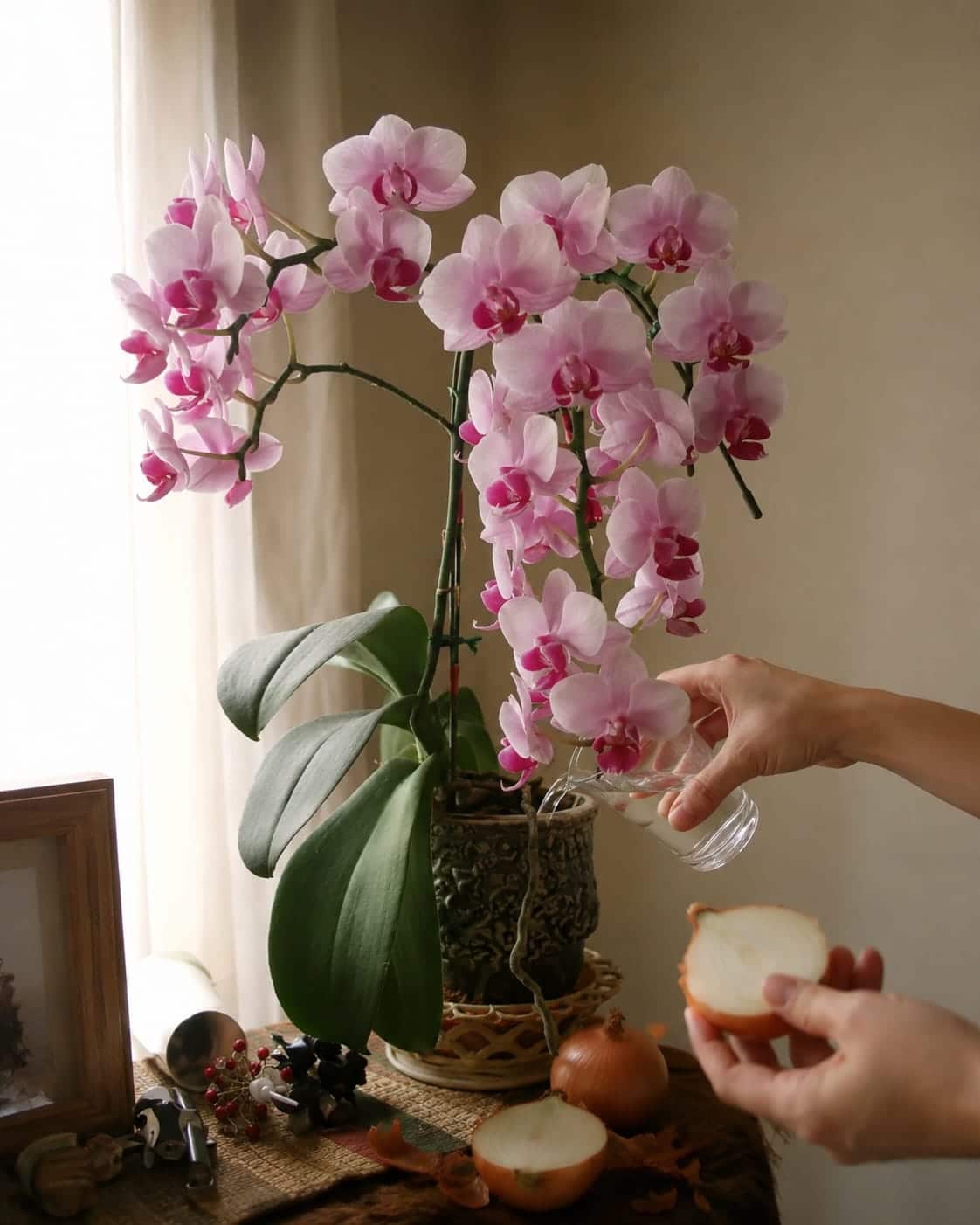
Why Some Homeowners Are Using Onion Water Around Orchids and What Usually Helps More for Strong Roots, Healthy Leaves, and Long-Lasting Blooms
Orchids are among the most elegant indoor flowering plants for homeowners who want graceful stems, glossy green leaves, long-lasting blooms, and a refined decorative display that fits beautifully in living rooms, bedrooms, apartments, home offices, bright kitchens, windowsills, covered patios, commercial interiors, luxury home staging, and premium indoor plant styling. A healthy orchid can turn…
-

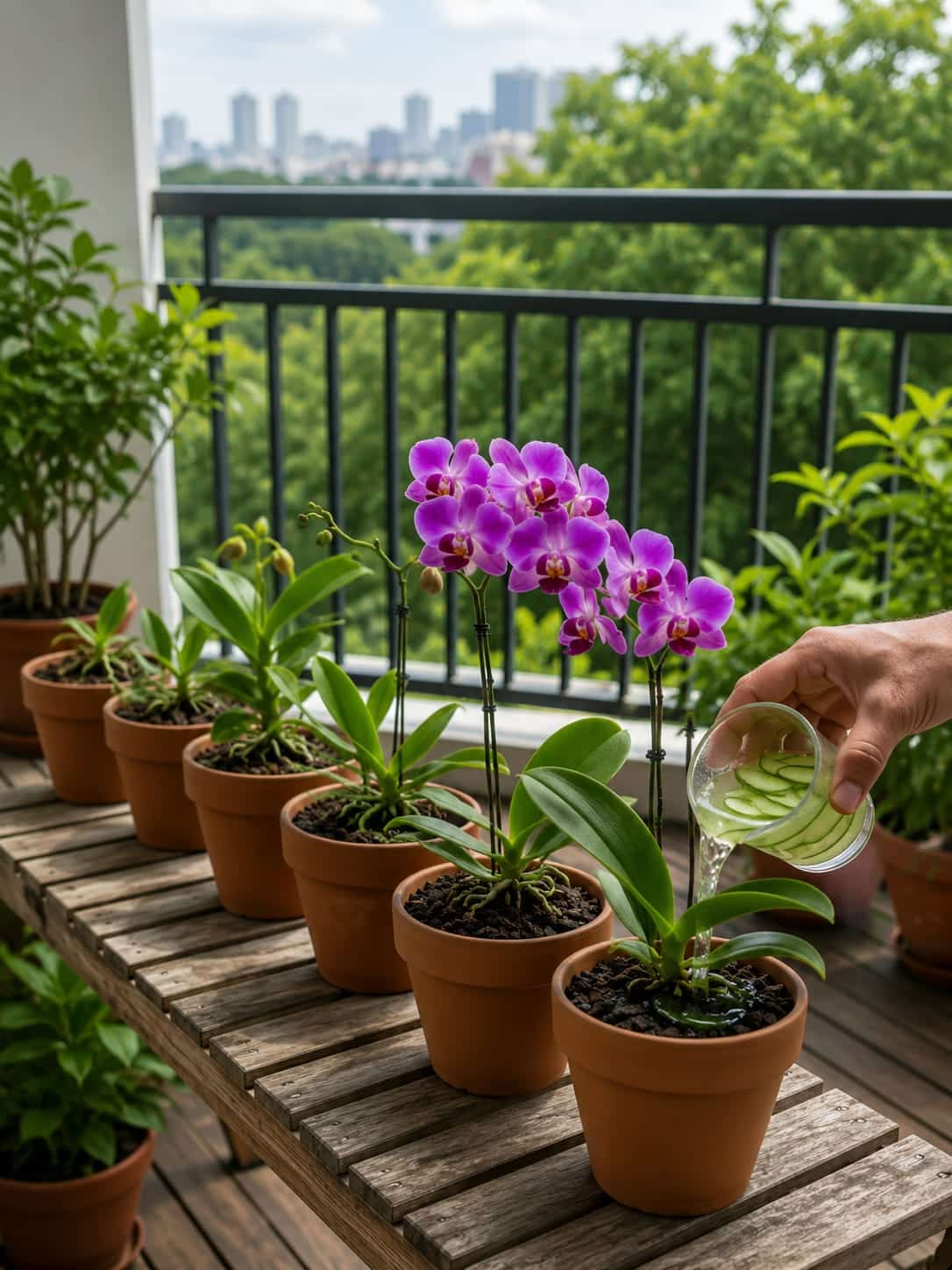
Why Some Homeowners Are Pouring Aloe Water Around Orchids and What Usually Helps More for Strong Roots, Healthy Leaves, and Long-Lasting Blooms
Orchids are among the most elegant indoor flowering plants for homeowners who want graceful blooms, sculptural roots, glossy leaves, and a premium decorative display that fits beautifully in living rooms, bedrooms, apartments, home offices, bright kitchens, balcony gardens, covered patios, commercial interiors, luxury home staging, and refined indoor plant styling. A healthy orchid can make…
-
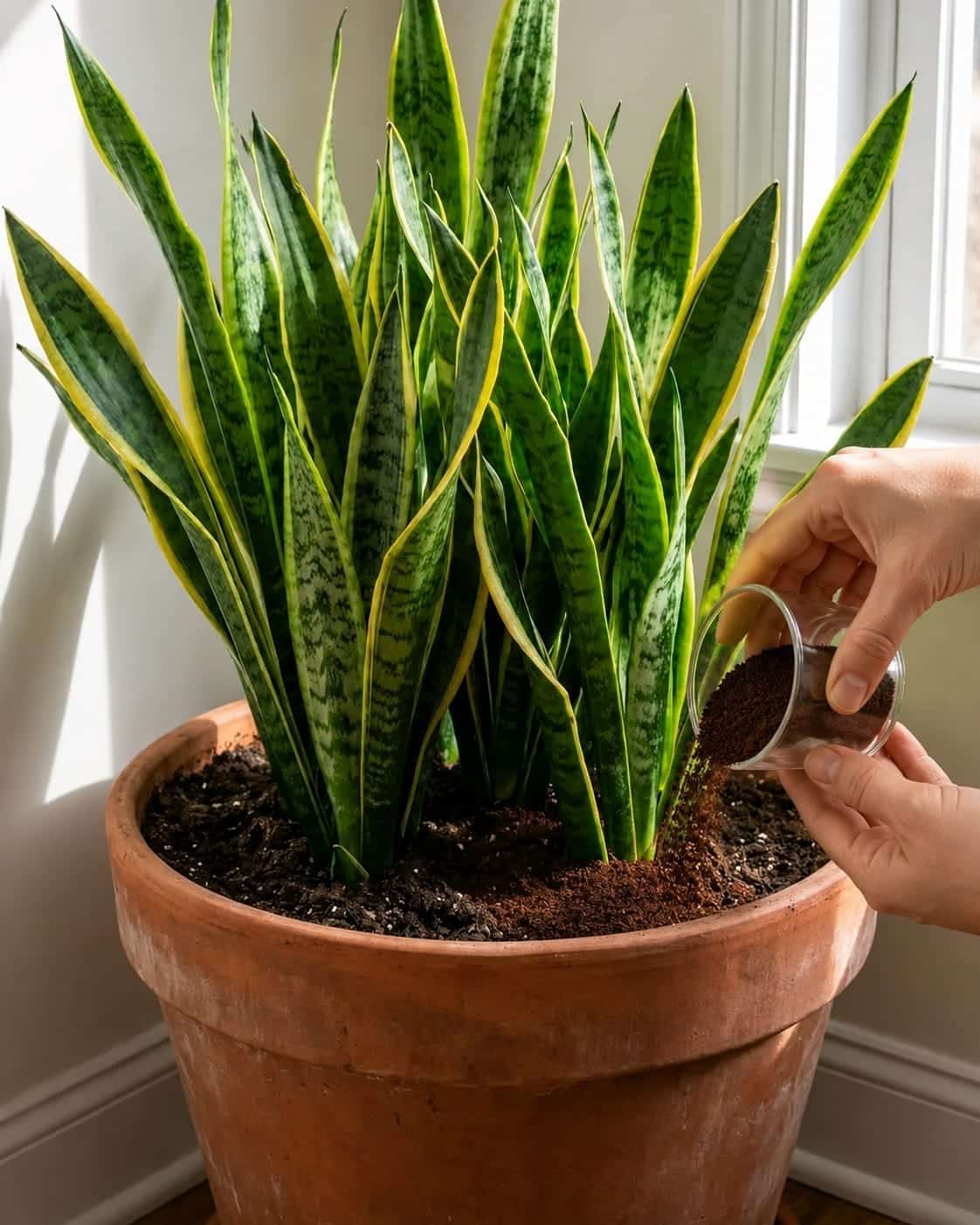
Why Some Homeowners Are Adding Brown Powder Around Snake Plants and What Usually Helps More for Strong Roots, Fuller Growth, and Healthy Indoor Leaves
Snake plant is one of the most dependable indoor plants for homeowners who want strong upright leaves, bold green patterning, yellow-edged variegation, easy maintenance, and a clean decorative display that fits beautifully in living rooms, bedrooms, apartments, home offices, bright kitchens, entry corners, sunny windowsills, plant shelves, commercial interiors, luxury home staging, and premium indoor…