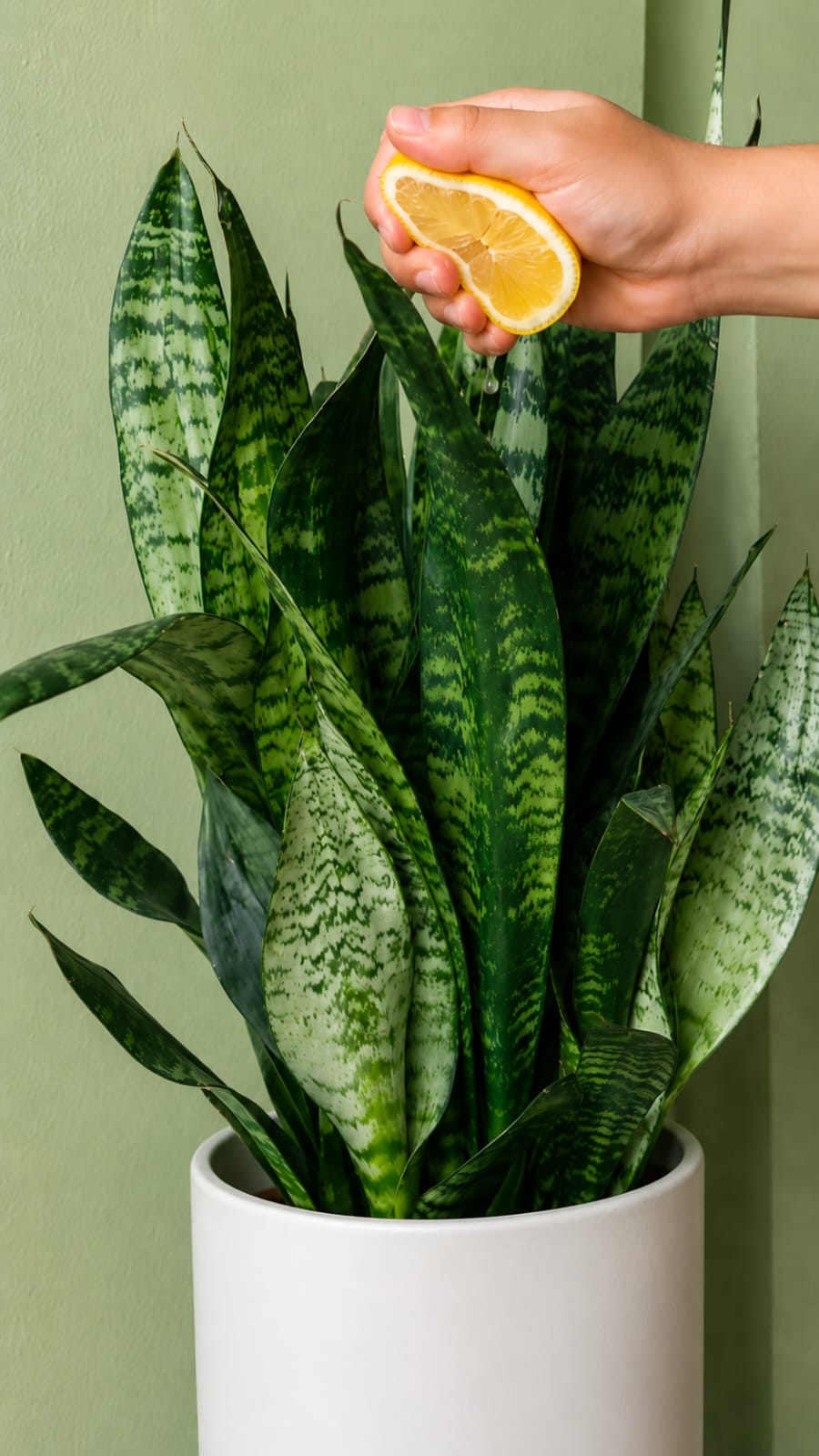
Best Pot Choice for Snake Plants
The pot is both a care choice and a design choice. A snake plant looks best when the pot matches the upright structure of the leaves, but the roots also need a practical growing setup. Decorative ceramic pots, terracotta planters, nursery pots, self-watering pots, and cachepots can all work differently depending on drainage, light, and watering habits.
Decorative ceramic pots can create a refined, premium home decor look, especially in living rooms, offices, bedrooms, and entryways. A clean white ceramic planter can make green patterned leaves look more modern and expensive. Terracotta pots can help moisture dry more naturally, which may be useful for people who tend to overwater. Plastic nursery pots are practical because they are lightweight and usually drain well.
Self-watering pots should be used carefully with snake plants. They can be helpful for some indoor plants, but if the reservoir keeps the soil too moist, the risk of root rot can increase. A self-watering pot works best only when the soil mix is airy, the light is strong enough, and the grower understands how slowly snake plants use water indoors.
Pot and Planter Comparison Table
| Pot Type | Best Feature | What to Watch For |
|---|---|---|
| Decorative ceramic pot | Creates a clean, refined indoor plant styling look | Needs drainage holes or a removable inner pot |
| White ceramic planter | Makes variegated snake plant leaves look more modern and premium | Should not trap water at the bottom |
| Terracotta pot | Allows moisture to dry more naturally | May dry faster in hot or sunny rooms |
| Plastic nursery pot | Practical, lightweight, and usually drains well | May need an outer pot for a more polished decor look |
| Self-watering pot | Can support watering consistency for some plants | May keep snake plant soil too wet if not managed carefully |
| Cachepot setup | Hides a practical pot inside a decorative container | Extra water should be emptied after watering |
Indoor Lighting and Plant Grow Lights for Cleaner Snake Plant Growth
Snake plants can tolerate lower light, but they often look cleaner, stronger, and more decorative in brighter indoor positions. Bright indirect light helps the plant use water more efficiently, maintain stronger leaf color, and support a more upright shape. A snake plant kept in very low light may survive, but it may grow more slowly and use water less quickly.
For homes without strong natural light, plant grow lights can be useful. This is especially helpful in apartments, offices, shaded rooms, and winter conditions. A plant grow light should be used as support, not as harsh exposure. It should not be placed so close that it overheats the leaves. The goal is to help the plant receive consistent light so it can use water and nutrients more effectively.
Good lighting also makes the plant look better as decor. The patterned leaves appear clearer, the shape feels stronger, and the plant becomes a more confident design feature in the room.
Lighting Support Table for Snake Plants
| Lighting Option | How It Helps | Best Use |
|---|---|---|
| Bright indirect window light | Supports stronger growth and cleaner leaf color | Best everyday placement for a refined snake plant display |
| Morning sun | Provides gentle brightness without excessive heat | Good for east-facing windows in many homes |
| Filtered afternoon light | Gives brightness while reducing leaf stress | Useful near sheer curtains or bright rooms |
| Plant grow lights | Can support growth when natural light is weak | Helpful for winter, apartments, offices, and darker rooms |
| Low-light corner | May keep the plant alive but can slow growth | Better for short display periods than long-term growth goals |
| Harsh direct sun | Can stress leaves in hot window conditions | Use caution, especially in strong afternoon sun |
Indoor Plant Care Tools That Make Snake Plant Care Easier
A snake plant is simple to care for, but the right indoor plant care tools can make the routine more controlled. A moisture meter can help homeowners avoid watering when the lower soil is still damp. A narrow-spout watering can can direct water into the soil without splashing the leaves. Clean pruning scissors can remove damaged leaves when needed. A potting mat can make repotting less messy indoors.
These tools do not need to make the routine complicated. Their value is that they help prevent common mistakes. Many snake plant problems come from guessing. People water because the calendar says so, not because the plant needs it. They keep the plant in a pot without drainage because the pot looks good. They add homemade treatments without checking the root conditions first.
A cleaner routine supports a cleaner plant. That is the real lesson behind the lemon-based trick. The lemon may create interest, but control, drainage, and stable care create long-term results.
Indoor Plant Care Supplies Table
| Supply | Why It Helps | How It Supports Snake Plant Care |
|---|---|---|
| Moisture meter | Helps check moisture below the surface | Reduces the risk of overwatering and root rot |
| Narrow-spout watering can | Allows controlled watering near the soil | Helps avoid splashing water into the crown or over leaves |
| Well-draining cactus mix | Improves airflow and drainage around roots | Supports stronger root health over time |
| Indoor plant fertilizer | May support growth when used correctly | Useful during active growth as part of a balanced routine |
| Plant grow light | Supplements light in darker homes | Can support better indoor growth and leaf strength |
| Decorative ceramic pot | Improves the final room display | Creates a more premium home decor look when drainage is handled well |
Product-Support Choices Without Making the Routine Complicated
Many homeowners want to know what to buy for a better snake plant, but the goal should not be to collect too many products. The better approach is to choose a few items that solve real problems. A well-draining cactus mix helps prevent soggy roots. A decorative ceramic pot improves indoor styling. A moisture meter helps avoid overwatering. A plant grow light may help in darker rooms. A gentle indoor plant fertilizer may support active growth when the plant is healthy.
None of these items guarantees a perfect plant. They simply help create better conditions. That is the right way to think about plant-care products. They are not miracle solutions. They are support tools that help the plant stay stable, clean, and attractive.
The same is true for the lemon-based idea. It may be interesting, and it may fit into a cautious homemade routine if used in a very diluted way, but it should not replace the basics. Better soil, better drainage, better light, and better watering habits matter more than any single ingredient.
Commercial Care Support Table for Higher-Quality Indoor Growth
| Care Category | Helpful Option | Why Homeowners Consider It |
|---|---|---|
| Soil | Best soil for snake plants or well-draining cactus mix | Supports root health, drainage, and long-term plant stability |
| Fertilizer | Gentle indoor plant fertilizer or succulent fertilizer | May support active growth and stronger leaf structure |
| Lighting | Plant grow lights for indoor plants | Helpful when natural light is weak, especially in apartments or offices |
| Pot choice | Decorative ceramic pots with drainage or inner nursery pots | Combines healthier roots with a more refined room display |
| Watering | Moisture meter and narrow-spout watering can | Helps prevent overwatering and keeps the routine controlled |
| Drainage | Houseplant drainage mix with perlite, pumice, or bark | Helps reduce soggy soil and supports cleaner root conditions |
Premium Home Decor Placement for a Snake Plant
A full snake plant looks best when it is treated like a structured decor piece. It does not need many accessories around it. In fact, it often looks more expensive when it has breathing room. A clean corner, a bright entryway, a bedroom floor space, a home office wall, or a living room side area can all make the plant feel intentional.
A white ceramic pot gives a snake plant a modern base and allows the patterned leaves to stand out. This type of styling works especially well in homes that use neutral colors, natural textures, clean furniture, soft green walls, and calm decorative accents.
The goal is not to overstyle the snake plant. The goal is to let its vertical shape do the work. When the plant is healthy, full, and placed in a clean pot, it becomes a natural design feature that makes the room feel calmer and more polished.
Design and Placement Table
| Styling Element | Better Choice | Why It Adds More Value |
|---|---|---|
| Pot | White ceramic planter, neutral decorative pot, or clean cachepot | Makes the snake plant look more intentional and premium |
| Placement | Bright corner, entryway, bedroom, office, or living room wall | Supports growth while making the plant visually important |
| Surface or base | Clean floor space, plant stand, console, or wide shelf | Turns the plant into a decorative focal point |
| Room type | Living room, bedroom, home office, apartment corner, or entryway | Works well in calm, structured, and modern indoor spaces |
| Decor pairing | Neutral ceramics, wood tones, soft green walls, simple art, or woven baskets | Helps the patterned leaves stand out without clutter |
| Final effect | Full upright greenery in a clean ceramic pot | Makes the room feel cleaner, calmer, and more beautifully maintained |
Why Better Drainage Creates Cleaner Leaves
Cleaner leaves often start with healthier roots. When a snake plant sits in a mix that drains well, the roots can breathe more easily. This supports firmer leaves, steadier growth, and a more attractive upright shape. When the mix is heavy and wet, the plant may eventually show stress through yellowing, soft leaves, or poor structure.
Better drainage does not mean the plant should be ignored or kept dry forever. It means water should move through the pot instead of sitting around the roots. A houseplant drainage mix with the right texture can help create that balance. This is especially important when any liquid support method is used, including a lemon-based tonic.
If the potting mix is already draining properly, a very modest diluted liquid application is less risky. If the mix is dense and slow to dry, even a small amount of extra liquid can become part of a bigger moisture problem. The plant’s root environment should always come first.
Why This Lemon Trick Is Not a Miracle Shortcut
This point should stay clear. A lemon-based tonic does not guarantee a stronger snake plant by itself. It may help only if it is extremely diluted, used carefully, and included as part of a balanced care routine. It cannot replace healthy roots, bright indirect light, a well-draining cactus mix, proper watering, and a suitable pot.
If the plant is sitting in poor soil, a pot without drainage, or a dark corner, lemon will not solve the main problem. If the plant has root rot, the priority should be root rot treatment and better drainage, not repeated homemade liquid treatments. If the leaves are soft or yellowing, the grower should check the root system and watering routine before adding anything new.
The strongest results usually come from the full system. A lemon-based idea may create interest, but the whole environment determines how well the snake plant responds.
Frequently Asked Questions
Is lemon juice safe for snake plants?
Concentrated lemon juice should be used with caution because it is acidic and may be too harsh for leaves or roots. If a lemon-based tonic is used at all, the safer approach is a very diluted, occasional support mixture rather than direct heavy lemon juice application.
Should lemon juice be squeezed directly onto snake plant leaves?
The safest approach is not to apply concentrated lemon juice directly onto the leaves. Snake plant leaves can be cleaned with a soft damp cloth and plain water. Acidic liquid sitting on the surface may cause stress, spotting, or residue.
What is the best soil for snake plants?
The best soil for snake plants is usually a loose, fast-draining mix. A well-draining cactus mix or houseplant drainage mix with perlite, pumice, coarse sand, or bark can help reduce soggy root conditions and support healthier growth.
Can indoor plant fertilizer help a snake plant grow fuller?
A gentle indoor plant fertilizer may support fuller growth during the active growing season when the plant is healthy and receiving enough light. It should be used lightly because snake plants do not usually need heavy feeding.
How can I prevent root rot in a snake plant?
Root rot prevention begins with drainage and watering control. Use a pot with drainage holes, avoid dense soil, let the mix dry appropriately between waterings, and do not let the plant sit in standing water.
Are decorative ceramic pots good for snake plants?
Decorative ceramic pots can be excellent for indoor plant styling, but they need drainage or a removable inner pot. A beautiful ceramic pot should improve the display without trapping water around the roots.
Can plant grow lights help snake plants indoors?
Plant grow lights may help when natural light is weak, especially in apartments, offices, or darker rooms. They can support better growth and stronger leaf structure when used gently and placed at a safe distance.
How often should a lemon-based tonic be used?
If used at all, a lemon-based tonic should be rare and very diluted. It should not become a weekly routine. Snake plants usually do better with stable watering, good drainage, and proper light than with frequent homemade treatments.
Final Thoughts
The light lemon-based snake plant trick is best understood as a cautious support idea, not a miracle solution. Lemon may feel fresh and natural, but it should never be used heavily or directly in concentrated form. If it is included in snake plant care, it should be highly diluted, used rarely, and applied only when the plant is healthy, the soil drains well, and the care routine is already stable.
The best result does not come from lemon alone. It comes from the full care system around the plant. That includes the best soil for snake plants, a well-draining cactus mix, proper watering, a pot with drainage, bright indirect light, careful use of indoor plant fertilizer, and a calm indoor placement. Product-support choices such as decorative ceramic pots, plant grow lights, moisture meters, self-watering pots used carefully, and houseplant drainage mix can all help when they solve real care problems without overwhelming the plant.
When those parts work together, a snake plant becomes more than a low-maintenance houseplant. It becomes a strong, refined indoor design feature. The leaves look cleaner, the shape feels more architectural, and the room can feel calmer, fresher, and more beautifully maintained.