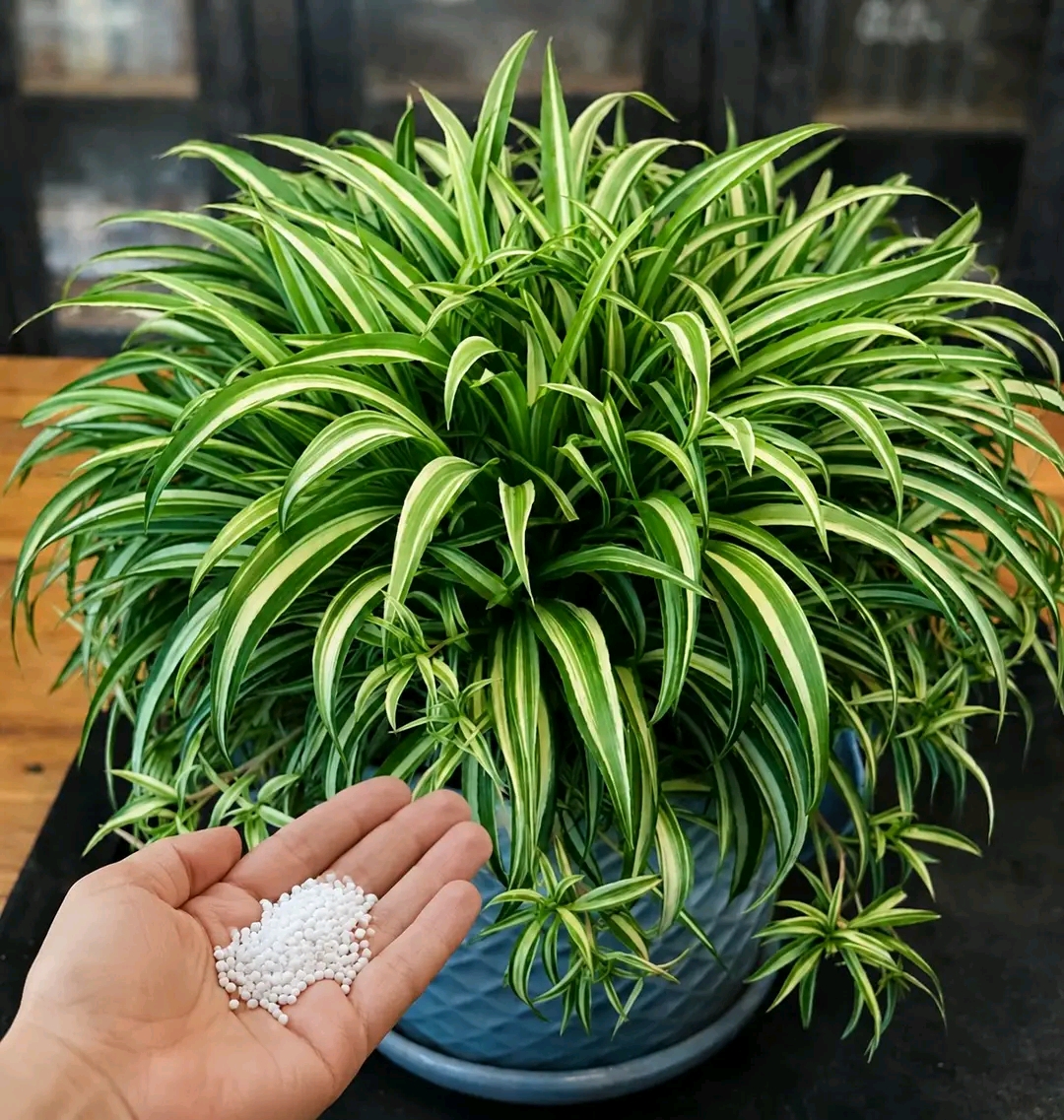
How to Encourage More Baby Spider Plants
Spider plants produce baby plantlets when they are mature, healthy, and receiving good light. A slightly snug pot, bright indirect light, balanced watering, and gentle feeding during active growth can encourage more plantlets.
Do not overfeed to force babies. Too much fertilizer can actually reduce plant quality and increase brown tips. A mild steady approach is better.
If the plant is not producing babies, check light and maturity first. Young plants or plants in low light may need more time. Patience is important.
Pruning and Propagation
Remove yellow or dead leaves at the base with clean scissors. Brown tips can be trimmed for appearance. Avoid cutting healthy leaves too aggressively because the plant uses them for energy.
Baby spider plants can be rooted in water or directly in soil. Once rooted, they can be potted separately or added back to the mother plant’s pot for a fuller display.
Propagation is easiest when the mother plant is healthy. A stressed plant should recover before many plantlets are removed.
Cleaning the Leaves
Spider plant leaves can collect dust, especially indoors near windows, shelves, and kitchens. Wipe the leaves gently with a damp cloth or rinse lightly if the pot drains well.
Clean leaves look brighter and help the plant absorb light better. This supports growth naturally. A full spider plant with clean striped leaves looks much more polished.
Avoid oily leaf shine products. They can leave residue and make the leaves look unnatural. Plain water and gentle wiping are enough.
Indoor Decor Value
A full spider plant has strong indoor decor value because it creates a soft, lively, cascading look. The striped leaves brighten dark furniture, shelves, windowsills, and neutral rooms. Baby plantlets add movement and texture.
Spider plants work beautifully in hanging baskets, terracotta pots, blue ceramic planters, white containers, woven baskets, and modern plant stands. They suit boho interiors, minimalist rooms, cozy kitchens, office shelves, and luxury home staging.
The decorative value depends on clean care. A plant with brown tips, fertilizer crust, or soggy soil will not look premium. A healthy plant with controlled feeding looks fresh, full, and elegant.
Room-by-Room Styling
In the living room, spider plant can sit on a shelf, side table, plant stand, or hanging basket. Its arching leaves soften furniture and add movement to the room.
In the kitchen, spider plant looks bright near a filtered window. It pairs well with terracotta, ceramic, and natural wood. Keep fertilizer pellets measured carefully so they do not spill or create residue.
In the bedroom, spider plant brings a calm green accent. Use a simple pot and avoid overfeeding so the plant stays clean and natural.
In a home office, spider plant adds freshness without looking heavy. A full plant with plantlets can make a desk area or shelf look more alive and polished.
Office and Commercial Styling
Spider plants are useful in commercial interior landscaping because they are adaptable, attractive, and easy to propagate. They can work in reception areas, wellness rooms, office shelves, waiting rooms, boutique displays, rental staging, and property presentation setups.
For professional spaces, slow-release pellets can be convenient because they reduce frequent feeding. However, they must be used carefully and documented so the plant is not accidentally fed again too soon.
A premium commercial spider plant should have clean leaves, no brown-tip overload, no fertilizer crust, no standing water, no fungus gnats, and a planter that fits the interior design.
Product and Tool Guide
Helpful materials include a healthy spider plant, a pot with drainage holes, light indoor potting mix, perlite, clean scissors, a soft cloth, filtered water, a narrow-spout watering can, and a mild slow-release fertilizer labeled safe for indoor houseplants.
If using white pellets, helpful tools include a measuring spoon and the product label. Guessing by handful is not safe. The amount should match the pot size and plant needs.
The best setup is balanced. Fertilizer pellets can support growth, but they should be part of a simple routine built on light, drainage, fresh soil, and careful watering.
Care Timeline
During the first day after adding pellets, water normally only if the soil needs it. Make sure pellets are not piled against the crown. Remove any excess from the pot surface.
During the first week, watch for leaf tip changes, yellowing, or signs that the soil is staying too wet. Do not add liquid fertilizer at the same time.
After two to four weeks, a healthy plant may continue producing fuller leaves if light and watering are correct. After several months, the fertilizer may be depleted depending on the product. Reapply only according to label directions, not by habit.
Professional Styling Note
In high-end indoor horticulture, spider plant is valued for its graceful arching shape, bright variegation, easy propagation, and soft movement. A full spider plant with baby plantlets can look beautiful in modern apartment decor, kitchen windowsill styling, bedroom greenery, home office displays, commercial plant design, luxury home staging, and polished property presentation.
However, the premium look depends on restraint. Fertilizer pellets should not be overused, the soil should not show heavy crust, and the leaves should not develop widespread brown tips. A refined spider plant display should look fresh, clean, and naturally full.
A beautiful spider plant depends on bright indirect light, healthy roots, drainage holes, breathable soil, balanced watering, and gentle feeding. White pellets may help when used correctly, but stable care creates the strongest long-term display.
Final Thoughts
Small white pellets can help support spider plant growth if they are a measured slow-release fertilizer used correctly. They may provide steady nutrition during active growth, but they should never be applied heavily or used as a shortcut for poor light, soggy soil, or root stress.
The safest routine is to use a light amount, keep pellets away from the crown, water properly, avoid combining with extra fertilizer, and watch for brown tips or salt buildup. If the plant reacts badly, remove excess pellets, flush the soil if drainage is good, or repot into fresh mix.
With clean care and the right presentation, spider plant can remain a lush decorative accent for kitchens, living rooms, bedrooms, home offices, bright windowsills, plant shelves, hanging baskets, modern apartments, commercial interior landscaping, luxury home staging, and polished property presentation. Healthy roots, clean striped leaves, controlled feeding, and patient maintenance will always create a stronger display than overfeeding with too many pellets.