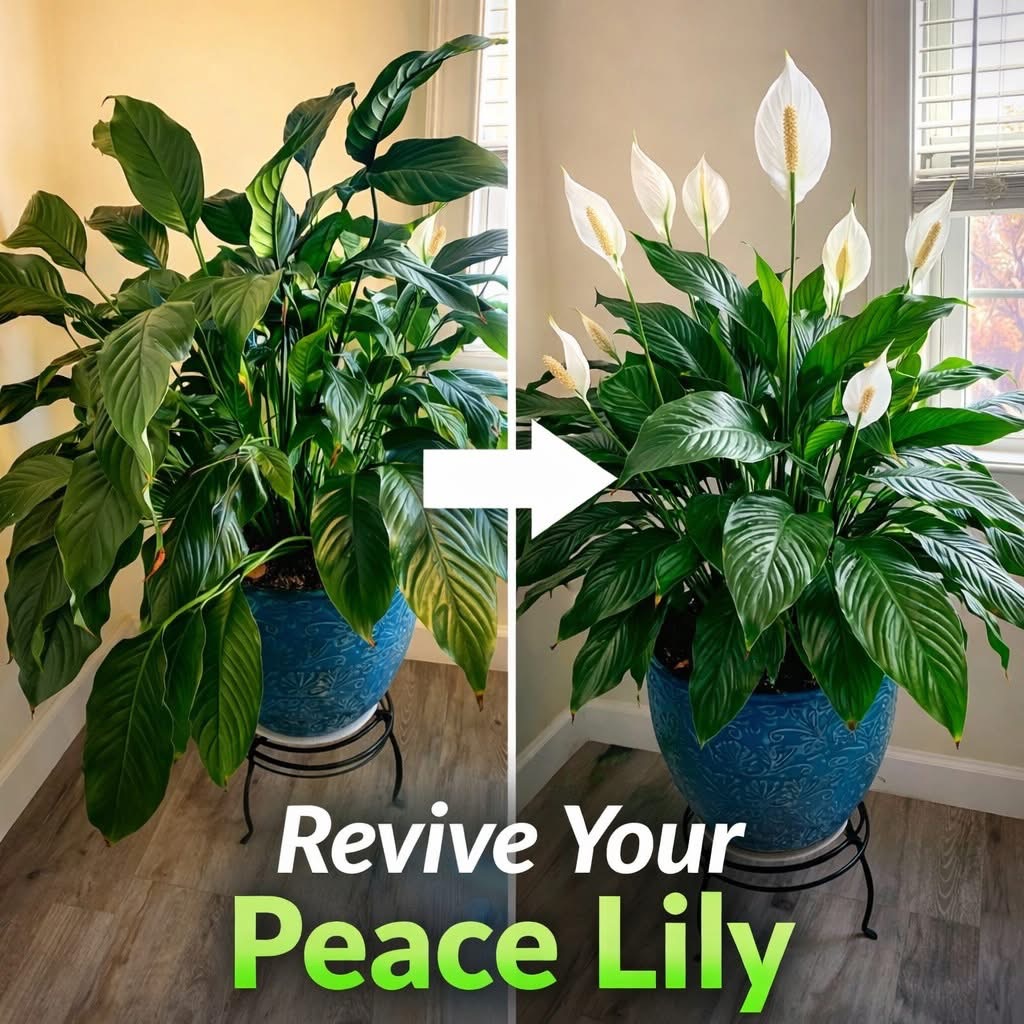
Revive Your Peace Lily with These Care Tips That Actually Work! 🌿✨
If your Peace Lily is looking sad, droopy, or refusing to bloom, don’t panic — you’re not alone. One of the most common houseplants in the world, the Peace Lily is loved for its elegant white flowers and lush green leaves. But even though it’s considered low-maintenance, it can quickly show signs of stress when something isn’t right.
The good news? You can revive your Peace Lily and bring it back to life faster than you think — with the right care techniques that actually work.
In this complete guide, you’ll learn proven tips to restore your plant’s health, encourage blooming, and keep it thriving all year round.
Why Your Peace Lily Is Drooping or Not Blooming
Before fixing the problem, it’s important to understand what’s going wrong.
Peace Lilies are very expressive plants — they show clear signs when they’re unhappy. The most common issues include:
Drooping leaves
Yellowing foliage
Brown tips
No flowers
Slow growth
These symptoms are usually caused by a few key factors: improper watering, poor lighting, low humidity, or lack of nutrients.
1. Fix Your Watering Routine (The #1 Secret)
Watering is the most important factor in reviving a Peace Lily.
How to Water Properly:
Water only when the top 2–3 cm of soil feels dry
Use room temperature water
Ensure proper drainage (no standing water!)
💡 Pro Tip: Peace Lilies will droop dramatically when thirsty — but they bounce back quickly after watering. This makes them easy to “read.”
Common Mistakes:
Overwatering (causes root rot)
Letting the plant sit in water
Using cold or chlorinated water
Switching to filtered or distilled water can make a huge difference, especially if your tap water is harsh.
2. Give It the Right Light (Bright but Indirect)
Peace Lilies don’t like direct sunlight — it can burn their leaves.
Best Lighting Conditions:
Bright, indirect light
Near a window with filtered sunlight
Avoid dark corners
If your plant isn’t blooming, lack of light is often the reason.
💡 Blooming Tip: Move your plant closer to a bright window — this alone can trigger new flowers.
3. Increase Humidity for Healthier Leaves
Peace Lilies are tropical plants, which means they love humidity.
Easy Ways to Boost Humidity:
Mist the leaves 2–3 times per week
Place a tray of water with pebbles under the pot
Keep it near other plants
Use a humidifier
Low humidity often causes brown leaf tips — a very common issue.
4. Feed Your Peace Lily (But Don’t Overdo It)
If your plant isn’t blooming, it might be lacking nutrients.
Best Fertilizing Routine:
- Use a balanced liquid fertilizer (10-10-10 or 20-20-20)
- Feed once every 4–6 weeks during growing season
- Reduce feeding in winter
💡 High RPM Tip: Organic fertilizers like compost tea or diluted banana peel water can also boost growth naturally.
Warning:
Too much fertilizer can burn the roots and stop blooming completely.
5. Repot When Necessary
Sometimes, your Peace Lily just needs more space.
Signs It Needs Repotting:
Roots growing out of drainage holes
Soil drying too quickly
Stunted growth
How to Repot:
Choose a pot 2–5 cm larger
Use well-draining soil
Water lightly after repotting
Repotting refreshes the soil and gives roots room to grow — which can lead to more blooms.
6. Clean the Leaves (Yes, It Matters!)
Dust can block sunlight and reduce photosynthesis.
How to Clean:
Wipe leaves gently with a damp cloth
Do this every 2–3 weeks
Cleaner leaves = better light absorption = healthier plant 🌿
7. Trim Dead or Yellow Leaves
Pruning helps your plant focus energy on new growth.
What to Remove:
Yellow leaves
Brown tips
Dead flowers
Use clean scissors and cut at the base.
8. Maintain the Right Temperature
Peace Lilies prefer stable indoor temperatures.
Ideal Range:
- 18°C to 27°C
Avoid:
Cold drafts
Air conditioners
Sudden temperature changes
9. Encourage Blooming Naturally
If your Peace Lily hasn’t bloomed in a while, try this:
Bloom Boosting Tips:
Increase light exposure
Feed regularly (but lightly)
Keep humidity high
Be patient
Healthy plants bloom — stressed plants survive.
10. Check for Hidden Problems
If your plant still struggles, inspect for:
Root rot (black, mushy roots)
Pests (spider mites, aphids)
Fungal issues
Treat early to prevent serious damage.
Bonus: Quick Revival Routine (Step-by-Step)
If your Peace Lily looks like it’s dying, follow this:
Check soil moisture
Water if dry (but don’t flood)
Move to bright, indirect light
Trim dead leaves
Increase humidity
Wait 24–48 hours
In many cases, you’ll see improvement within a day!
Final Thoughts
Reviving a Peace Lily doesn’t require expensive products or complicated techniques. With proper watering, good lighting, and a little attention, your plant can bounce back quickly and even bloom again.
Remember — consistency is key. Small changes in your care routine can make a huge difference over time.
FAQ: Peace Lily Care
Why is my Peace Lily drooping even after watering?
It could be overwatering or root rot. Check the roots and soil condition.
How often should I water my Peace Lily?
Usually once a week, but always check the soil first.
Why are the tips turning brown?
Low humidity or chemicals in tap water are common causes.
How do I make my Peace Lily bloom again?
Provide more light, feed lightly, and maintain stable conditions.
If you want, I can also:
✅ Add Pinterest title + description
✅ Create Facebook viral caption
✅ Or turn this into a high-converting landing page
Just tell me 👍
-

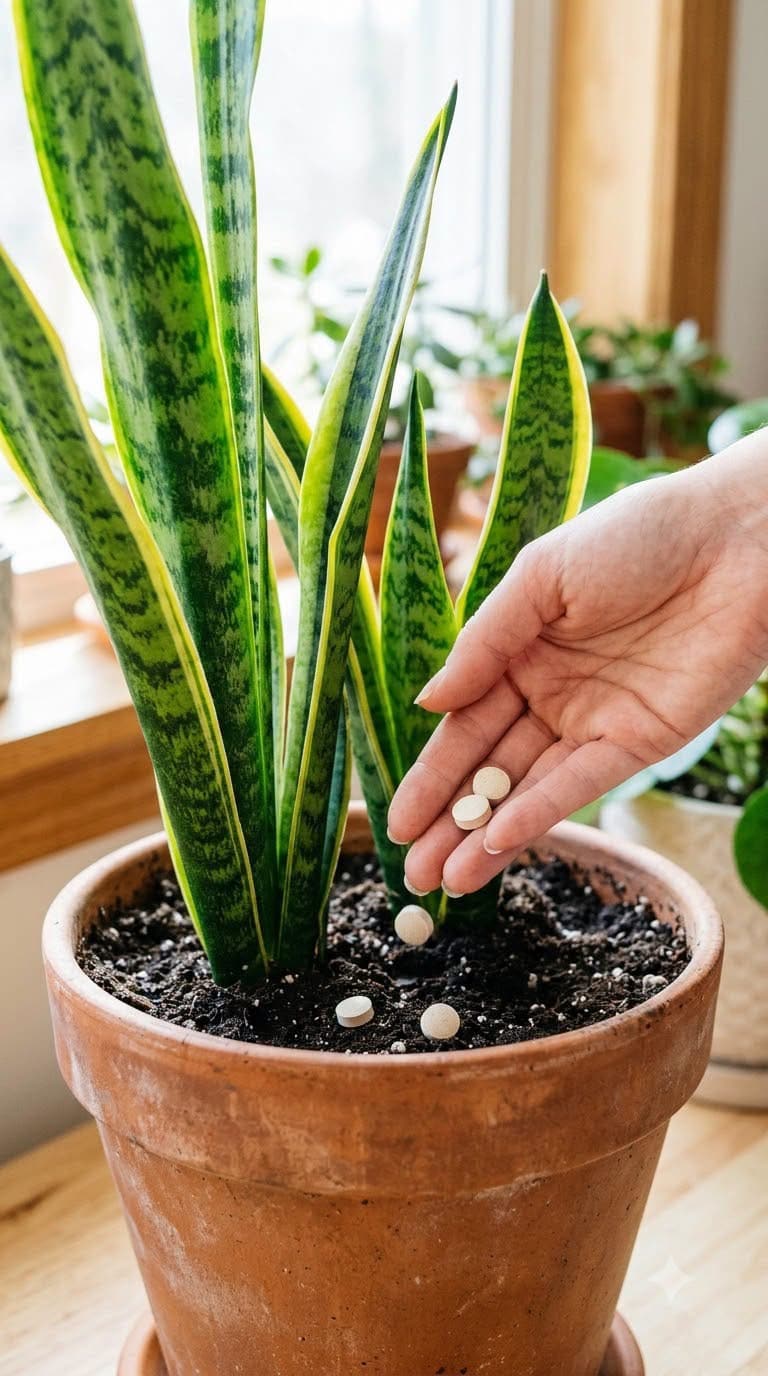
How to Use Slow-Release Fertilizer Tablets for Snake Plants Without Overfeeding
Snake plants are known for being low-maintenance houseplants, but that does not mean they never need nutrients. A small amount of fertilizer during their active growing season can support steady new growth and help leaves keep their deep green color and strong upright form. The image shows small fertilizer tablets being placed on the soil…
-
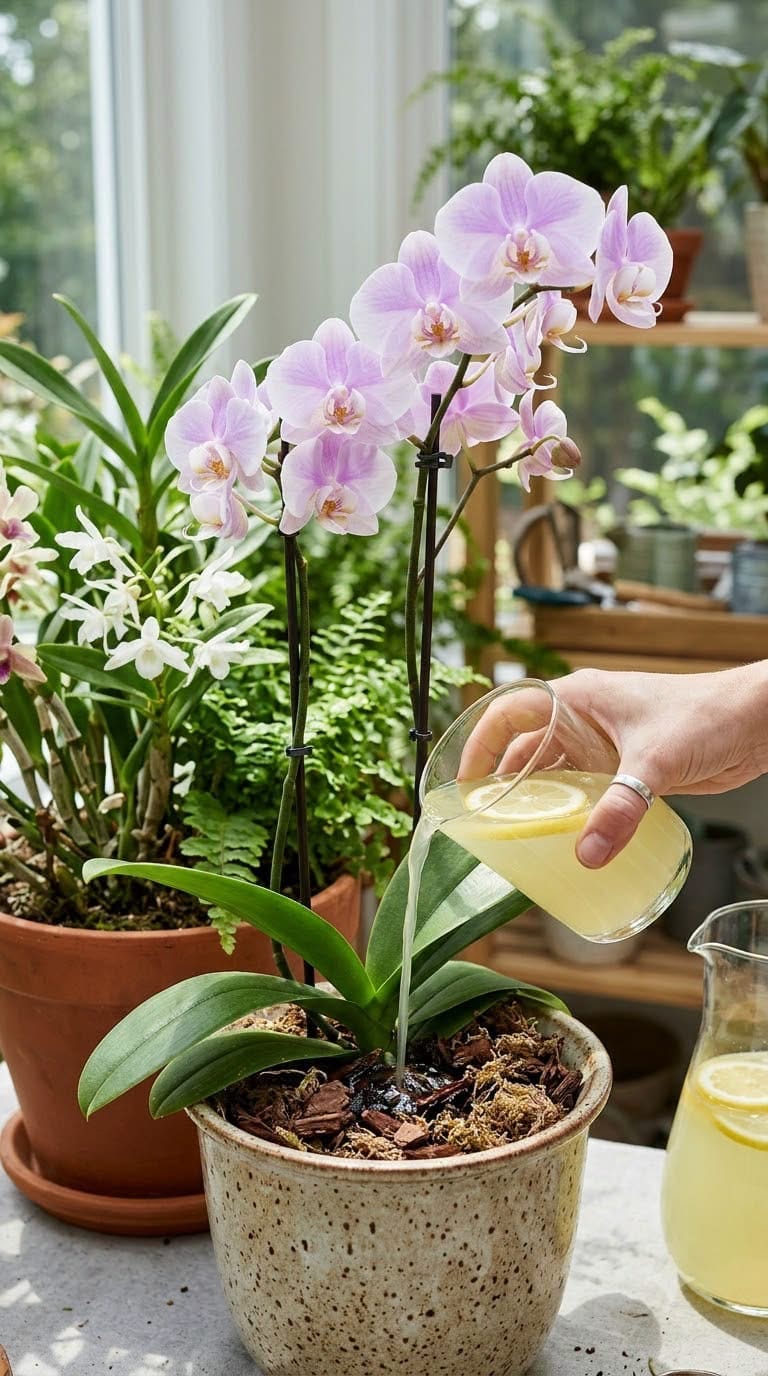
Orchid Care for Healthy Roots, Lasting Blooms, and Beautiful Indoor Displays
Orchids are elegant houseplants that can bring a refined, peaceful look to almost any room. Their long-lasting flowers, glossy leaves, and sculptural stems make them especially beautiful on bright tables, windowsills, kitchen counters, and living-room shelves. A healthy orchid does not need lemon water, sugary drinks, or homemade kitchen mixtures to bloom. Although lemon water…
-

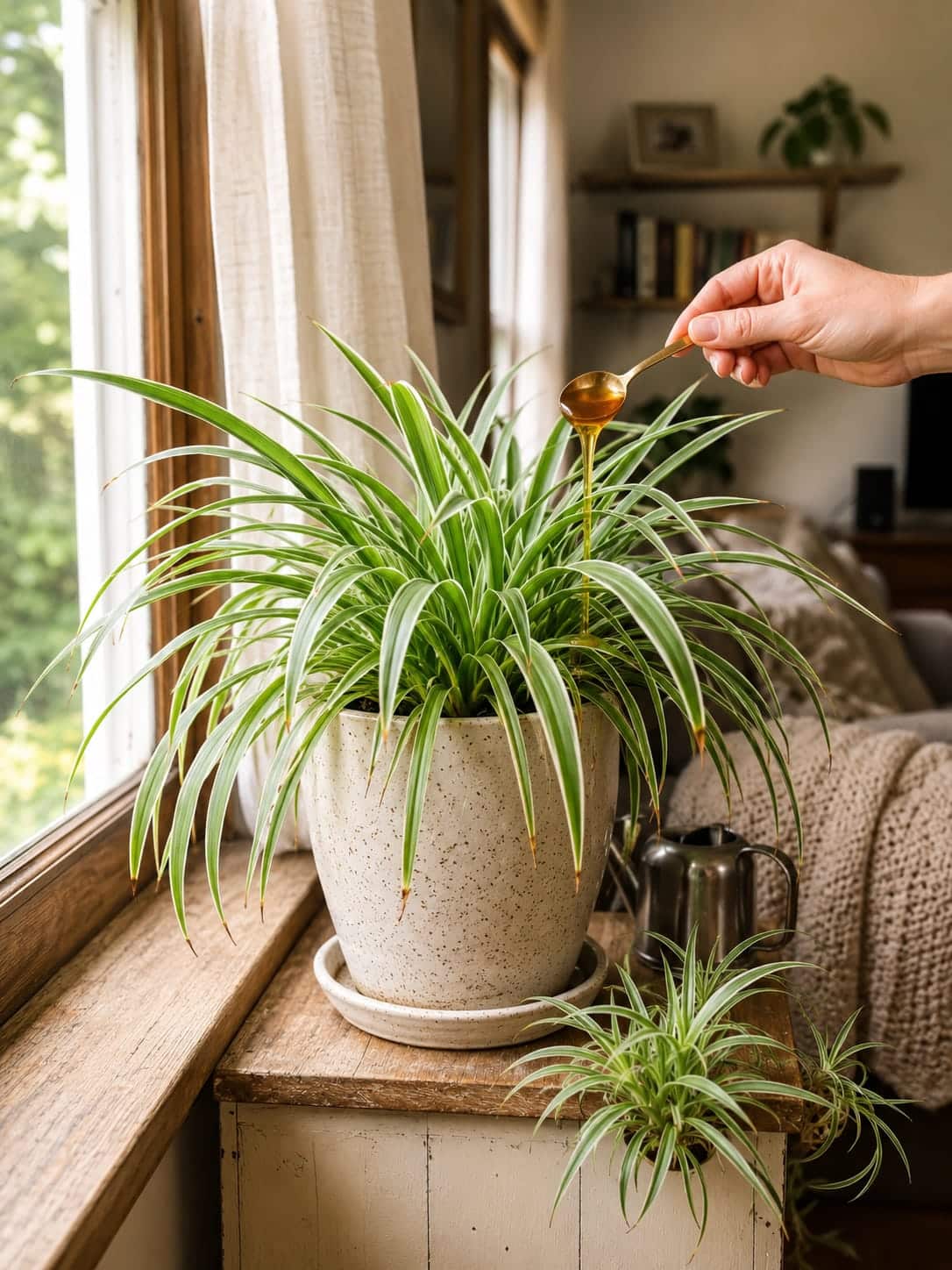
Spider Plant Care: The Safe Way to Grow a Fuller, Healthier Houseplant
Spider plants are loved for their long striped leaves, easy-going nature, and charming baby plants that spill over the sides of the pot. They look beautiful on a bright windowsill, shelf, hanging basket, or small table, and they can quickly make a room feel fresher and more inviting. The image may suggest adding honey to…