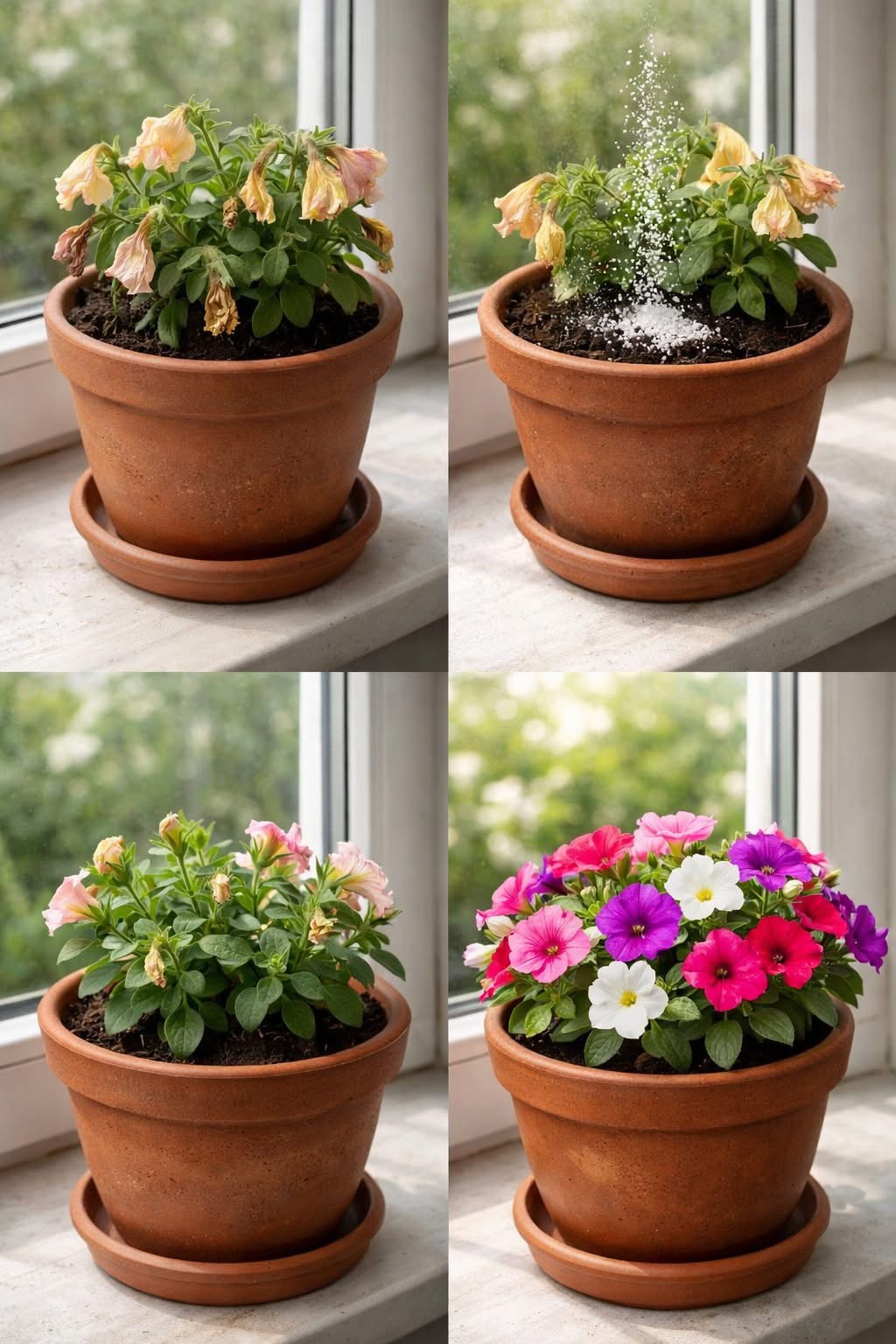
Have you ever looked at your plants and wondered why they are not as green, vibrant, or full of blooms as you expected? You water them, give them sunlight, and maybe even talk to them — but still, something feels missing. The leaves look dull, growth is slow, and flowers are rare or non‑existent.
What if the secret to healthier, greener, and blooming plants was already sitting in your kitchen cupboard?
It may sound surprising, but one simple teaspoon of a natural ingredient can completely transform your indoor and outdoor plants. This easy, low‑cost gardening trick is becoming popular among plant lovers — and for good reason. It is natural, safe, and incredibly effective.
In this article, you will discover how using cinnamon powder can improve plant health, boost growth, prevent common problems, and even encourage more blooms — all without expensive fertilizers or harsh chemicals.
What Is the 1‑Teaspoon Plant Trick?
The method is beautifully simple:
👉 Just 1 teaspoon of cinnamon powder directly on your plant’s soil.
That is it. No complicated mixing. No expensive products. No dangerous chemicals. Just a common kitchen spice that has been used for centuries in traditional gardening.
When applied correctly, cinnamon works as a natural antifungal, a gentle pest deterrent, and a root stimulant. It does not replace a complete fertilizer, but it creates the kind of healthy, balanced soil environment that allows your plants to thrive, grow greener leaves, and produce more blooms.
Why Cinnamon Is So Powerful for Plants
Cinnamon is not just a spice for your morning oatmeal or apple pie. It is a natural plant booster packed with beneficial properties. Gardeners around the world use it as an organic solution for common plant problems. Here is why it works.
- Natural Antifungal Protection (Stop Root Rot)
One of the biggest threats to houseplants and garden plants is fungal disease. Overwatering, high humidity, and poor drainage can lead to root rot, mold on the soil surface, and damping‑off disease in seedlings.
Cinnamon acts as a powerful natural antifungal agent. It helps:
· Prevent root rot – By suppressing the fungi that cause decay.
· Stop mold from forming on soil – A light dusting keeps the surface clean.
· Protect young seedlings – Sprinkling cinnamon on seed starting mix can save delicate sprouts from fungal attack.
This alone can make a huge difference in your plant’s overall health. Healthy roots = healthy plants.
- Pest Prevention Without Chemicals
Many common houseplant pests, like fungus gnats, thrive in moist soil. The tiny flies lay eggs in the potting mix, and their larvae feed on organic matter and tender roots. This weakens plants and slows growth.
Cinnamon helps by:
· Creating an environment pests do not like – The strong scent and compounds repel many insects.
· Reducing larvae in the soil – It disrupts their life cycle when applied to the top layer.
· Acting as a gentle, natural repellent – Safe for use around children and pets.
This makes cinnamon an excellent alternative to chemical pesticides, especially for indoor plants.
- Supports Strong Root Development
Healthy roots are the foundation of every thriving plant. When the soil is free from harmful fungi and pests, and the root zone is balanced, plants can focus on growing strong, resilient root systems.
Cinnamon helps by:
· Keeping the soil clean and balanced – Reducing microbial imbalances.
· Protecting roots from disease – Especially after repotting or when taking cuttings.
· Encouraging stronger, more resilient root systems – This leads to better nutrient uptake and faster growth.
It is especially useful when propagating plants or repotting them. Dusting the cut ends of stems or roots with cinnamon can prevent rot and speed up healing.
- Encourages Greener Leaves and Blooming
When your plant is free from disease, pest stress, and root problems, it can put all its energy into growth and flowering. That is why gardeners often report that cinnamon helps their plants become lusher, greener, and more floriferous.
Using cinnamon regularly can lead to:
· Rich, deep green leaves – No more yellowing or pale foliage.
· Strong stems – Sturdy, upright growth that supports flowers.
· Increased chances of flowering – More blooms, more often.
For flowering plants like orchids, African violets, peace lilies, and garden roses, this simple trick can be the difference between a plant that just exists and one that truly thrives.
How to Use Cinnamon on Your Plants (Step‑by‑Step)
This method is beginner‑friendly and takes less than a minute. There are two main ways to apply cinnamon.
🌱 Method 1: Direct Soil Application (Easiest)
- Take 1 teaspoon of cinnamon powder – Use pure, organic Ceylon or cassia cinnamon (both work).
- Sprinkle it evenly on top of the soil – Cover the entire surface lightly; do not pile it up.
- Lightly mix it into the top layer – Use your fingers or a small trowel to work it into the top ½ inch.
- Water your plant as usual – The cinnamon will settle in and start working immediately.
Best for: Preventing mold, deterring fungus gnats, and maintaining healthy soil between waterings.
🌿 Method 2: Cinnamon Water (Optional Boost)
For an extra, more evenly distributed boost, you can create a mild cinnamon solution.
- Mix 1 teaspoon of cinnamon powder in 1 liter of warm water.
- Let it sit for a few hours (or overnight) to allow the compounds to infuse.
- Strain the liquid through a fine mesh strainer or coffee filter to remove solids.
- Use it to water your plants as you normally would.
Best for: When you want the benefits to reach deeper into the root zone, or when treating a larger number of plants.
How Often Should You Use It?
Less is more. Cinnamon is potent, and too much can temporarily alter soil structure.
👉 Apply cinnamon once every 2 to 3 weeks. For most houseplants, once a month is plenty. Using it more often will not speed up results and may cause the soil surface to dry out excessively.
Continue to Page 2
Continue to page 2 for more details about this article and the key points many readers miss on the first page.