Discover the one surprising feed trick that forces Christmas cactus to bloom like crazy! This natural, homemade fertilizer stimulates nonstop flowers all season long. Perfect for holiday decorations!
There’s nothing quite like a Christmas cactus in full bloom during the holiday season. Those cascading layers of vibrant pink, red, white, or fuchsia flowers transform an ordinary houseplant into a spectacular living decoration. But if you’ve ever struggled to get your Christmas cactus to bloom—or watched helplessly as flower buds dropped before opening—you know the frustration.
You’ve tried the darkness treatment. You’ve moved it to a cool room. You’ve carefully controlled water. Still, your plant refuses to cooperate, producing nothing but green segments while your neighbor’s cactus looks like a floral fireworks display.
Here’s the secret that changes everything: It’s not just about what you withhold from your cactus—it’s about what you give it. While everyone talks about darkness and cool temperatures (and those matter), the real key to spectacular, nonstop blooms lies in a surprising feeding strategy that most growers completely overlook.
The Christmas cactus isn’t like desert cacti. It’s a tropical epiphyte that grows in trees in the Brazilian rainforest, where it has access to constant organic matter and nutrients. To bloom its heart out, it needs specific nutrition at the right times. Get this right, and you’ll be rewarded with so many flowers you’ll barely see the green stems underneath.
In this comprehensive guide, we’ll reveal the one surprising feed trick that professional growers use to force Christmas cacti into blooming nonstop. We’ll explain the science behind it, provide step-by-step instructions, and share pro tips for adapting it to your own plant. Whether you’re a seasoned plant parent or a beginner, this technique will transform your Christmas cactus into a blooming machine.
Why Your Christmas Cactus Needs This Feed Trick
Before we dive into the “how,” let’s understand the “why.” Most Christmas cactus care advice focuses on environmental triggers: long nights, cool temperatures, and reduced water . These are essential, but they’re only half the story.
The Nutrient Connection
Plants need energy to bloom. Those spectacular flowers don’t appear by magic—they’re fueled by nutrients the plant has stored during the growing season. If your cactus is nutrient-deficient, it simply won’t have the resources to produce flowers, no matter how perfect your darkness treatment is .
What Most People Get Wrong
The common advice is to stop fertilizing completely in fall and winter. While this is partially correct (you don’t want to push leafy growth during bloom season), it misses a crucial point: the plant needs to build up nutrient reserves before the blooming period begins .
Think of it this way: You can’t starve a plant into blooming. You need to feed it well during spring and summer so it has energy to store, then trigger blooming with environmental cues. The surprising trick we’re about to share focuses on the feeding phase—and the specific nutrient balance that makes Christmas cacti go absolutely crazy with flowers.
The Surprising Feed Trick: High-Phosphorus Bloom Booster
Here it is, the secret that makes Christmas cacti bloom nonstop: Feed your cactus a high-phosphorus fertilizer every two weeks from late spring through late summer, then stop abruptly in early fall.
The “surprising” part isn’t just the feeding—it’s the specific nutrient ratio. While balanced fertilizers (like 20-20-20) are fine for general growth, Christmas cacti respond dramatically to extra phosphorus, the middle number in fertilizer ratios .
Why Phosphorus Matters
Phosphorus is the nutrient responsible for:
· Flower bud formation
· Root development
· Energy transfer within the plant
· Overall bloom production
When you load your Christmas cactus with phosphorus during its active growing season, you’re essentially filling its energy bank account. By the time fall arrives and you trigger blooming with darkness and cool temps, the plant has all the resources it needs to produce an explosion of flowers .
The Best Fertilizer for Nonstop Blooms
Look for a fertilizer labeled as “bloom booster” with a ratio like 10-52-10 or 15-30-15. The middle number (phosphorus) should be significantly higher than the nitrogen and potassium numbers .
If you prefer organic options, you can create your own high-phosphorus fertilizer using:
· Bone meal (sprinkle on soil and water in)
· Banana peel water (soak peels in water for 48 hours, then use to water)
· Compost tea enriched with phosphorus sources
Step-by-Step: The Complete Feeding Protocol
Follow this timeline for Christmas cactus blooms that won’t quit.
Spring (March-May): The Rebound Period
After winter dormancy, your Christmas cactus is ready to grow.
- Start with Balanced Fertilizer: Begin feeding with a balanced fertilizer (like 20-20-20) diluted to half strength once a month. This supports overall growth after the plant’s rest period .
- Look for New Growth: When you see tiny new leaf segments forming at the stem tips, it’s time to transition to your bloom-boosting strategy.
Summer (June-August): The Building Phase
This is where the magic happens. During summer, your cactus is storing energy for winter blooms.
- Switch to High-Phosphorus Fertilizer: Beginning in June, switch to your bloom booster fertilizer (10-52-10 or similar). Dilute to half strength to prevent fertilizer burn .
- Feed Every Two Weeks: Consistency matters. Mark your calendar and feed every 14 days throughout the summer .
- Water Before Feeding: Always water your cactus thoroughly before applying fertilizer. Applying fertilizer to dry soil can damage roots.
- Continue Bright Light: Keep your cactus in bright, indirect light during this period. It needs light to photosynthesize and convert those nutrients into stored energy.
Early Fall (September): The Transition
As days shorten, it’s time to shift strategies.
- Stop Fertilizing Completely: By mid-September (around September 19th, according to some experts), stop all fertilization . This abrupt stop, combined with reducing water, sends a signal to the plant that it’s time to prepare for blooming .
- Begin Darkness Treatment: Now you can start the traditional darkness treatment—12-14 hours of complete darkness each night, combined with cooler temperatures (50-60°F) .
- Reduce Water: Allow the soil to dry out more between waterings during this period .
Late Fall/Winter (November-December): The Bloom Show
- Watch for Buds: After 6-8 weeks of darkness treatment, you should see tiny buds forming at stem tips .
- Resume Normal Watering: Once buds appear, keep soil evenly moist but never soggy .
- No Fertilizer During Bloom: Do not fertilize while the plant is flowering. This can cause bud drop .
- Don’t Move the Plant: Once buds form, do not move or even rotate the pot. Christmas cacti are extremely sensitive to environmental changes during budding and will drop their flowers if disturbed .
Post-Bloom (January-February): The Rest Period
After flowering, your cactus needs a rest.
- Allow Dormancy: Reduce watering and stop fertilizing completely for 4-6 weeks .
- Prune if Desired: After the rest period, you can prune your cactus to encourage branching, which leads to more flowers next year .
- Resume Balanced Feeding: When new growth appears in spring, return to balanced fertilizer and begin the cycle again.
The Complete Christmas Cactus Care Guide
While the feed trick is your secret weapon, overall care matters too. Here’s everything your Christmas cactus needs to thrive.
Light Requirements
Christmas cacti need bright, indirect light year-round . During the growing season (spring-summer), place them in an east or north-facing window where they receive gentle morning sun. Too much direct sun will turn the stems yellow or red . During the fall blooming prep period, they need bright days but complete darkness at night .
Watering Wisdom
· Growing season: Water when the top inch of soil feels dry .
· Fall prep period: Reduce watering to encourage bud formation .
· During bloom: Keep soil evenly moist but never soggy .
· After bloom: Allow soil to dry more between waterings during dormancy .
Always use room-temperature water and ensure your pot has drainage holes. These plants hate “wet feet” and will develop root rot if left sitting in water .
Temperature Requirements
· Growing season: 70-80°F during day, 60-70°F at night
· Fall bud formation: 50-60°F at night is ideal
· During bloom: 65-70°F to prolong flower life
· Avoid: Drafts, heating vents, and sudden temperature swings
Humidity Needs
As tropical plants, Christmas cacti love humidity. Aim for 50-60% humidity, especially during winter when indoor air is dry . Increase humidity by:
· Using a pebble tray with water
· Grouping plants together
· Running a small humidifier nearby
· Misting occasionally (but not heavily)
Soil and Potting
Christmas cacti need light, well-draining soil. A mix designed for cacti and succulents works well, or you can make your own by combining :
· 2 parts regular potting soil
· 1 part perlite
· 1 part orchid bark or coarse sand
Repot only every 3-4 years, and only go up one pot size. These plants actually bloom better when slightly root-bound . The best time to repot is after flowering in late winter or early spring .
Pruning for More Blooms
Pruning encourages branching, and more branches mean more flower sites. After the blooming period ends, simply twist off 1-2 segments from the end of each stem . You can root these cuttings in soil to create new plants!
Pro Tips for Maximum Blooms
Want to take your Christmas cactus to the next level? Here are expert tips from seasoned growers:
- The Banana Peel Trick
For an organic phosphorus boost, soak banana peels in water for 48 hours, then use the water to irrigate your cactus during summer. Banana peels are rich in potassium and phosphorus, making them an excellent natural bloom booster.
- Epsom Salt for Magnesium
Once during the growing season, water with a solution of 1 teaspoon Epsom salts dissolved in 1 gallon of water. Magnesium supports chlorophyll production and overall plant health, which indirectly supports blooming .
- Never Move a Budding Plant
This bears repeating: once you see tiny buds forming, do not move, rotate, or even bump your plant unnecessarily. Christmas cacti are notorious for dropping buds when disturbed .
- Watch for Pests
Mealybugs, aphids, and spider mites can drain your plant’s energy and prevent blooming. Inspect regularly, especially in the joints between stem segments . Treat immediately with rubbing alcohol on a cotton swab or insecticidal soap.
- Let It Spend Summer Outdoors
If you have a shaded porch or patio, move your Christmas cactus outdoors for the summer. The increased light (still indirect), fresh air, and natural temperature drops at night create ideal conditions for building bloom energy . Just bring it back inside before temperatures drop below 50°F.
Frequently Asked Questions (FAQs)
Q: Can I use this feed trick on Thanksgiving or Easter cacti?
A: Absolutely! Thanksgiving cactus (Schlumbergera truncata) and Easter cactus (Rhipsalidopsis gaertneri) respond to the same feeding protocol. Just adjust your timing based on when they naturally bloom .
Q: How do I tell the difference between Christmas, Thanksgiving, and Easter cacti?
A: Look at the stem segments :
· Thanksgiving cactus: Pointed, claw-like projections on stem edges
· Christmas cactus: Rounded, scalloped edges
· Easter cactus: Smooth, rounded edges with bristles at tips
Q: My Christmas cactus has buds, but they keep falling off. Why?
A: Bud drop is usually caused by one of these issues :
· Moving or rotating the plant
· Sudden temperature changes
· Drafts from windows or doors
· Overwatering or underwatering
· Low humidity
Once buds form, keep conditions as stable as possible.
Q: Can I use this fertilizer on other flowering houseplants?
A: Yes! The high-phosphorus bloom booster strategy works for many flowering plants, including African violets, peace lilies, and orchids. Always adjust for each plant’s specific needs.
Q: How long will my Christmas cactus live?
A: With proper care, Christmas cacti can live for decades—some have been passed down for over 100 years as family heirlooms! .
Q: Why are my cactus stems turning purple or reddish?
A: This usually indicates stress—either too much direct sunlight, cold damage, or phosphorus deficiency. If you’re feeding properly and providing bright indirect light, check for cold drafts .
Q: Can I use regular houseplant fertilizer instead of bloom booster?
A: Regular balanced fertilizer is fine during spring growth, but switching to high-phosphorus bloom booster in summer will dramatically increase flower production .
Q: What if I forgot to start the darkness treatment in October?
A: You can still try! Christmas cacti can bloom later in winter if you provide 12-14 hours of darkness and cool temps consistently. You might get Valentine’s Day blooms instead of Christmas blooms .
Troubleshooting: Why Won’t My Christmas Cactus Bloom?
If you’ve followed the feed trick and still aren’t seeing flowers, check for these common issues:
Problem Possible Cause Solution
No buds after 8 weeks of darkness Too much light at night Ensure complete darkness—even streetlights or indoor lamps can disrupt
Temperatures too warm Night temps must be 50-60°F during bud formation
Plant too young Young plants may need a few years to mature before blooming
Buds form but drop Plant moved or rotated Once buds appear, do not move!
Overwatering Keep soil moist but not soggy
Low humidity Increase humidity around plant
Drafts or temperature swings Move away from doors, windows, vents
Few blooms, mostly leaves Too much nitrogen Switch to high-phosphorus fertilizer
Not enough light during day Provide bright indirect light
Plant too large/pot-bound May need repotting (but only after bloom)
Stems yellow and soft Root rot from overwatering Check roots, repot in fresh soil, reduce watering
The Science Behind the Trick
For those who love details, here’s what’s happening inside your Christmas cactus.
Christmas cacti are short-day plants, meaning they initiate flowering when nights are long and days are short . But flowering is energetically expensive. Before a plant can produce flowers, it needs to build up reserves of carbohydrates and nutrients.
Phosphorus plays a critical role in adenosine triphosphate (ATP) production—the energy currency of plant cells. Without adequate phosphorus, the plant simply can’t generate enough energy to produce flowers, regardless of environmental triggers .
By feeding high-phosphorus fertilizer during the growing season, you’re ensuring that when the plant receives the “bloom signal” from shorter days and cooler nights, it has the energy reserves to respond dramatically. The abrupt stop in fertilization in early fall mimics the natural decrease in nutrient availability as the plant enters its reproductive phase, further encouraging it to shift energy from growth to flowering .
Conclusion
The surprising feed trick—consistent high-phosphorus feeding during summer, followed by an abrupt stop in early fall—is the secret weapon of growers whose Christmas cacti bloom so spectacularly they look almost unreal. Combined with proper darkness, cool temperatures, and attentive care, this strategy will transform your Christmas cactus into a nonstop flowering machine.
Remember the key timeline:
· Spring: Balanced fertilizer as growth begins
· Summer: High-phosphorus bloom booster every two weeks
· Early fall: Stop fertilizing, begin darkness and cool temps
· Late fall: Watch for buds, maintain stable conditions
· Winter: Enjoy the show, no fertilizer during bloom
· Post-bloom: Rest period, then prune and restart the cycle
Your Christmas cactus has the potential to bloom for weeks on end, producing so many flowers that the green stems almost disappear beneath a cascade of color. With this feeding strategy, you’re giving your plant exactly what it needs to fulfill that potential.
Have you tried this feed trick? Do you have your own secrets for spectacular Christmas cactus blooms? We’d love to hear about your experiences in the comments below! And if you’re looking for more holiday plant care guides, be sure to check out our articles on Poinsettia Care After Christmas and How to Make an Orchid Rebloom.
Happy growing, and may your holidays be filled with flowers! 🎄🌸
Did this guide help you get more blooms? Share your before-and-after photos with us on social media—we’d love to see your Christmas cactus success stories!
More Recipes You Might Like
-

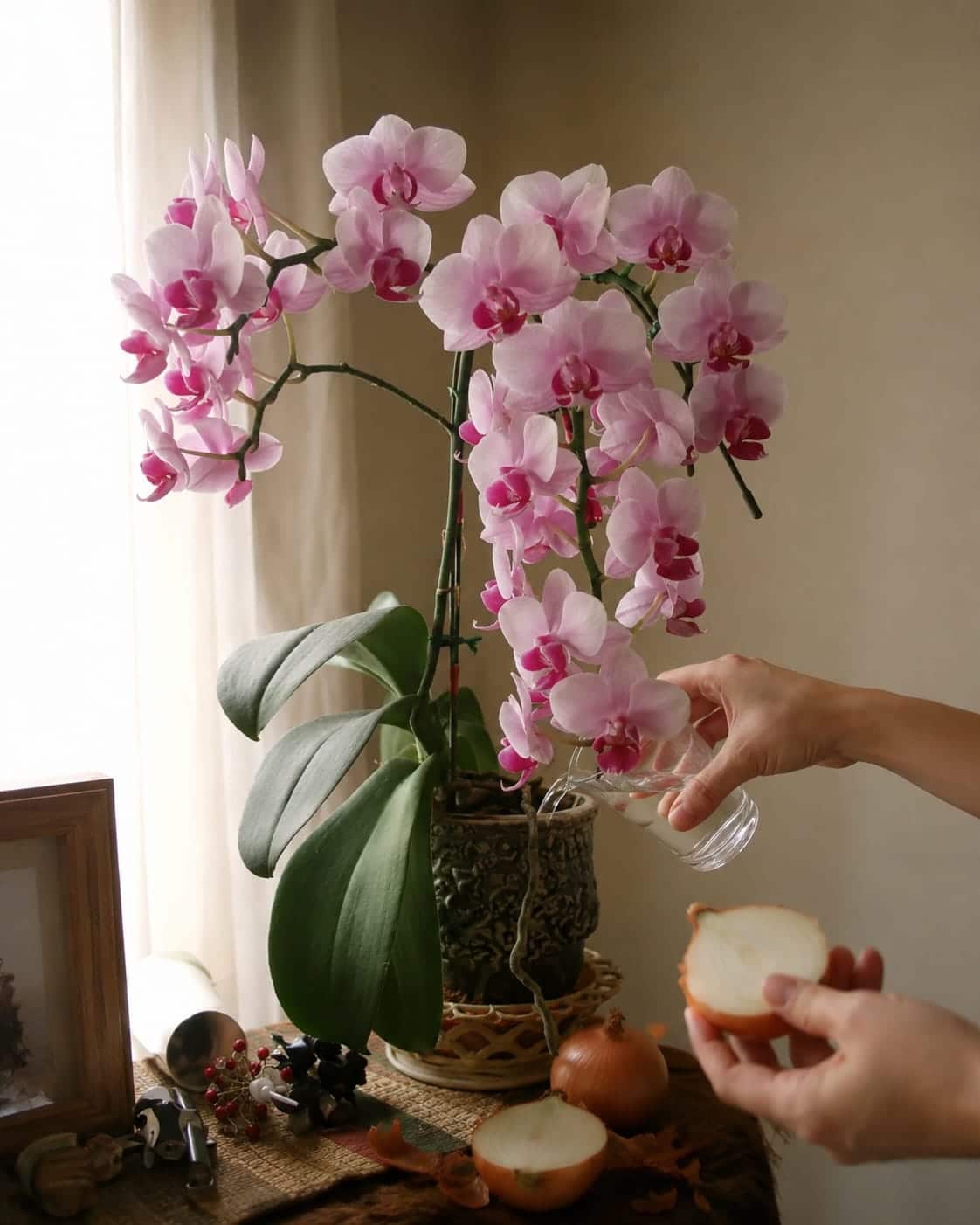
Why Some Homeowners Are Using Onion Water Around Orchids and What Usually Helps More for Strong Roots, Healthy Leaves, and Long-Lasting Blooms
Orchids are among the most elegant indoor flowering plants for homeowners who want graceful stems, glossy green leaves, long-lasting blooms, and a refined decorative display that fits beautifully in living rooms, bedrooms, apartments, home offices, bright kitchens, windowsills, covered patios, commercial interiors, luxury home staging, and premium indoor plant styling. A healthy orchid can turn…
-

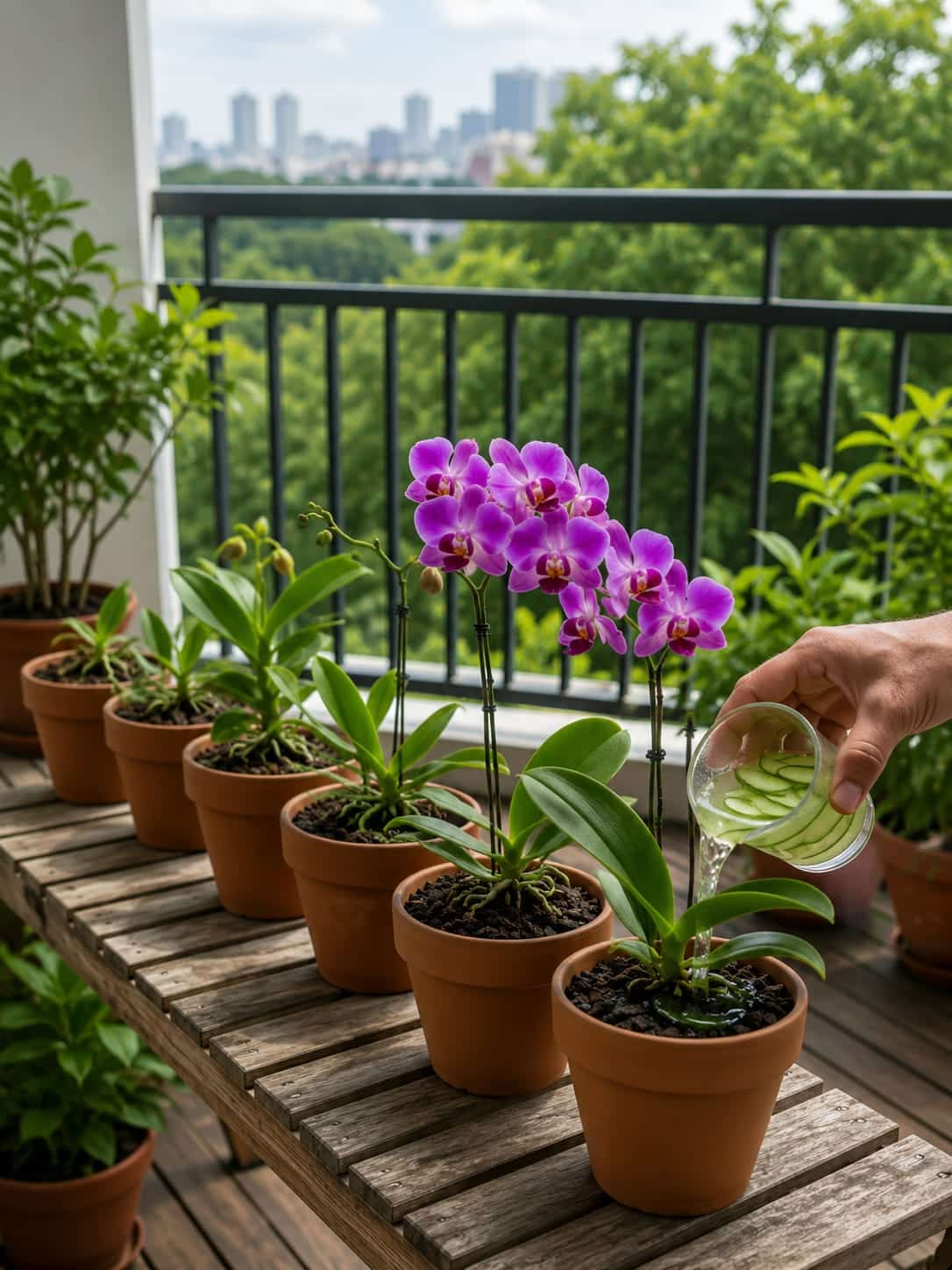
Why Some Homeowners Are Pouring Aloe Water Around Orchids and What Usually Helps More for Strong Roots, Healthy Leaves, and Long-Lasting Blooms
Orchids are among the most elegant indoor flowering plants for homeowners who want graceful blooms, sculptural roots, glossy leaves, and a premium decorative display that fits beautifully in living rooms, bedrooms, apartments, home offices, bright kitchens, balcony gardens, covered patios, commercial interiors, luxury home staging, and refined indoor plant styling. A healthy orchid can make…
-
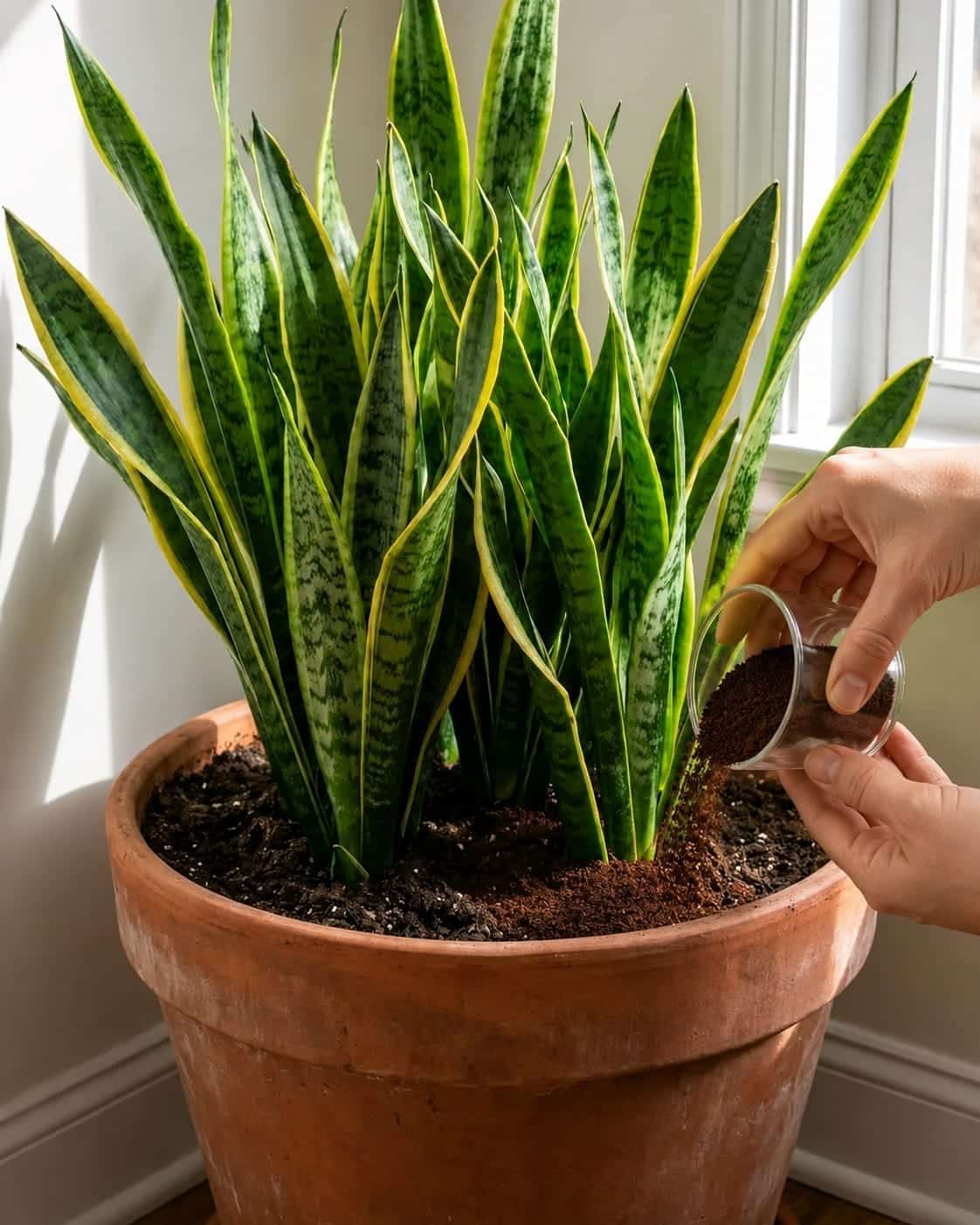
Why Some Homeowners Are Adding Brown Powder Around Snake Plants and What Usually Helps More for Strong Roots, Fuller Growth, and Healthy Indoor Leaves
Snake plant is one of the most dependable indoor plants for homeowners who want strong upright leaves, bold green patterning, yellow-edged variegation, easy maintenance, and a clean decorative display that fits beautifully in living rooms, bedrooms, apartments, home offices, bright kitchens, entry corners, sunny windowsills, plant shelves, commercial interiors, luxury home staging, and premium indoor…