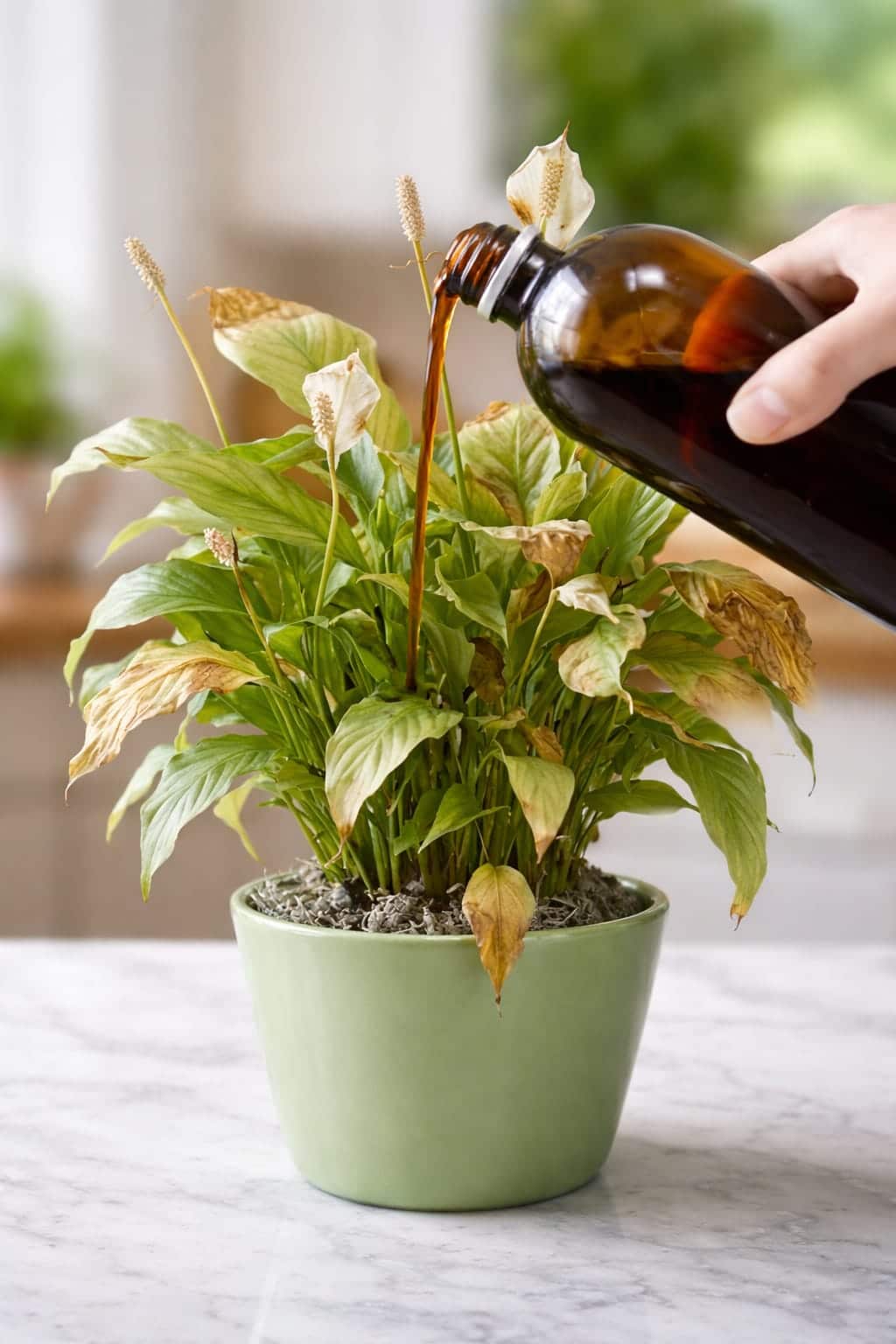
Is your peace lily all leaves and no flowers? Discover 10 proven ways to encourage abundant blooms – from light and watering to humidity, fertilizer, and pot size. Transform your plant today.
Let’s be honest: peace lilies (Spathiphyllum) are beloved for their glossy, deep green leaves and their elegant white blooms. But those iconic white “flowers” (actually modified leaves called spathes) don’t always appear as often as we’d like. You may have a lush, healthy‑looking plant that refuses to produce a single bloom for months – or even years.
The good news? Getting a peace lily to flower isn’t about luck or magic. It’s about understanding what this tropical plant needs and providing the right conditions. With a few simple adjustments, you can encourage your peace lily to bloom more often and more abundantly.
In this guide, I’ll share 10 proven ways to get your peace lily to bloom – from light and watering to humidity, fertilizer, pot size, pruning, and more. Plus, I’ll answer common questions about why peace lilies don’t bloom and whether they can flower all year round.
Let’s turn your green peace lily into a blooming masterpiece.
Understanding Peace Lily Blooms
Before we dive into the tips, it helps to understand what you’re looking for. Peace lilies produce small, unassuming flowers on spikes (spadices), but what we admire are the large, white, flag‑like bracts (spathes) that surround them. These bracts are what give the plant its elegant, classic look. When a peace lily is happy and mature, it can produce multiple blooms throughout the year.
Now, let’s get to the 10 ways to make that happen.
- Optimal Light Conditions – The #1 Factor
Light is the single most important factor for peace lily blooming. While these plants are famous for tolerating low light, they will not bloom in dark corners.
What to Do:
· Place your peace lily in bright, indirect light. An east‑ or north‑facing window is ideal.
· Avoid direct afternoon sun – it scorches the leaves.
· If your home is dark, use a full‑spectrum LED grow light for 10–12 hours per day.
Why It Works:
Light provides the energy (photosynthesis) needed for flower production. Without enough light, the plant focuses on leaves and survival – not blooms.
Pro tip: If your peace lily has dark green leaves but no flowers, it’s not getting enough light. Move it closer to a window.
- Appropriate Watering – Balance Is Key
Peace lilies are dramatic when thirsty – they droop noticeably. But overwatering is just as harmful. Both extremes can prevent blooming.
What to Do:
· Keep the soil consistently moist but not soggy.
· Allow the top inch of soil to dry out before watering again.
· Water thoroughly, then empty the saucer – never let the plant sit in standing water.
· Use room‑temperature, filtered water if possible (see tip #10).
Why It Works:
Consistent moisture supports healthy roots, which are essential for energy uptake and flower production. Stress from erratic watering diverts energy away from blooming.
Pro tip: Stick your finger into the soil. If the top inch feels dry, water. If damp, wait a day or two.
- Humidity Boost – Mimic the Tropics
Peace lilies are native to tropical rainforests, where humidity is high. Dry indoor air (especially in winter) can cause brown tips and discourage blooming.
What to Do:
· Mist the leaves every few days (avoid spraying the flowers).
· Place a tray of water with pebbles under the pot (pot sits on pebbles, not in water).
· Use a humidifier in the room.
· Group plants together to create a humid microclimate.
Why It Works:
High humidity reduces stress on the leaves and encourages the plant to put energy into blooming rather than compensating for dry air.
Pro tip: If you see brown, crispy leaf edges, low humidity is likely the culprit.
- Proper Fertilization – Feed, But Don’t Overfeed
Peace lilies are not heavy feeders, but they do need nutrients to produce flowers. However, too much fertilizer – especially high‑nitrogen formulas – can lead to lush leaves and no blooms.
Continue to Page 2
Continue to page 2 for more details about this article and the key points many readers miss on the first page.