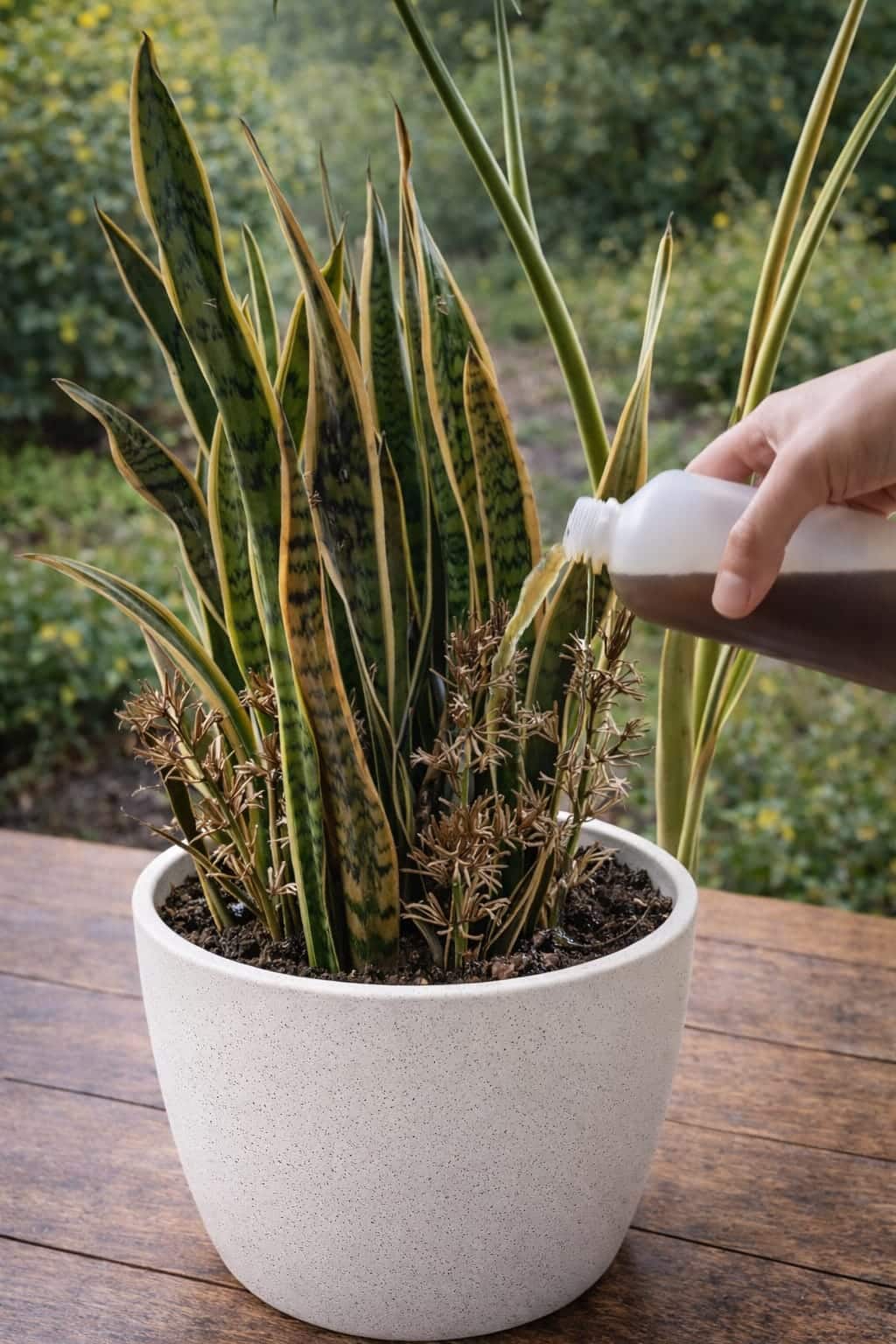
Snake plant blooms are rare and beautiful. Learn the key secrets to encourage your Sansevieria to flower – light, watering, soil, fertilizer, temperature, and patience. Expert tips inside.
Let’s be honest: snake plants (Sansevieria, now Dracaena) are famous for their striking, sword‑shaped leaves and their ability to survive almost anything – low light, irregular watering, and general neglect. Most people grow them for their architectural foliage, and that’s perfectly fine. But did you know that with the right conditions, your snake plant can reward you with something truly special?
Snake plant blooms are one of the most surprising and delightful sights in houseplant care. Clusters of small, fragrant, greenish‑white flowers emerge on a tall stalk, often with a sweet, jasmine‑like scent that’s strongest at night. Seeing a snake plant bloom is rare – many go decades without flowering indoors. But by creating the right balance of light, soil, water, temperature, and a little patience, you can gently encourage it to produce these elegant blooms.
In this guide, I’ll share the key secrets to help your snake plant move beyond leaves and into a new phase of beauty. You’ll learn about watering, light, soil, fertilizer, temperature, pot size, and the importance of patience. Plus, I’ll answer common questions about why snake plants bloom and what to do when they do.
Let’s unlock the secret to those rare, fragrant flowers.
Why Snake Plants Bloom – The Science Behind the Surprise
Before we dive into the “how,” it helps to understand the “why.” Snake plants bloom as a survival response. In their native habitat of West Africa, they flower when conditions are slightly stressful – but not dangerously so. This signals the plant to reproduce before resources become scarce.
Indoors, the right combination of bright light, slight drought stress, root‑bound conditions, and maturity can trigger this response. Unlike many houseplants that bloom on a schedule, snake plants bloom unpredictably, which makes it even more special when it happens.
Now, let’s explore the key secrets.
1 Watering – The Art of Neglect
Snake plants thrive on neglect when it comes to water. Overwatering can quickly cause root rot, which not only kills the plant but also prevents any chance of blooming.
The Right Watering Routine
· Let the soil dry out completely before watering again. Use your finger to check the top inch of soil; if it feels dry, it’s time to water.
· Water deeply – pour until it runs out the drainage holes, then empty the saucer. This encourages deep root growth.
· Frequency: In bright light, every 2–3 weeks. In lower light, every 4–6 weeks. Reduce watering in winter.
Why This Encourages Blooms
Slight drought stress (not severe) signals to the plant that conditions are becoming unfavorable, prompting it to reproduce (bloom) before it’s too late. However, avoid letting the plant wilt or the leaves shrivel – that’s too much stress.
Pro tip: Consistency in this routine helps the plant stay stress‑free (in a good way), which in turn makes it more likely to flower.
Continue to Page 2
Continue to page 2 for more details about this article and the key points many readers miss on the first page.