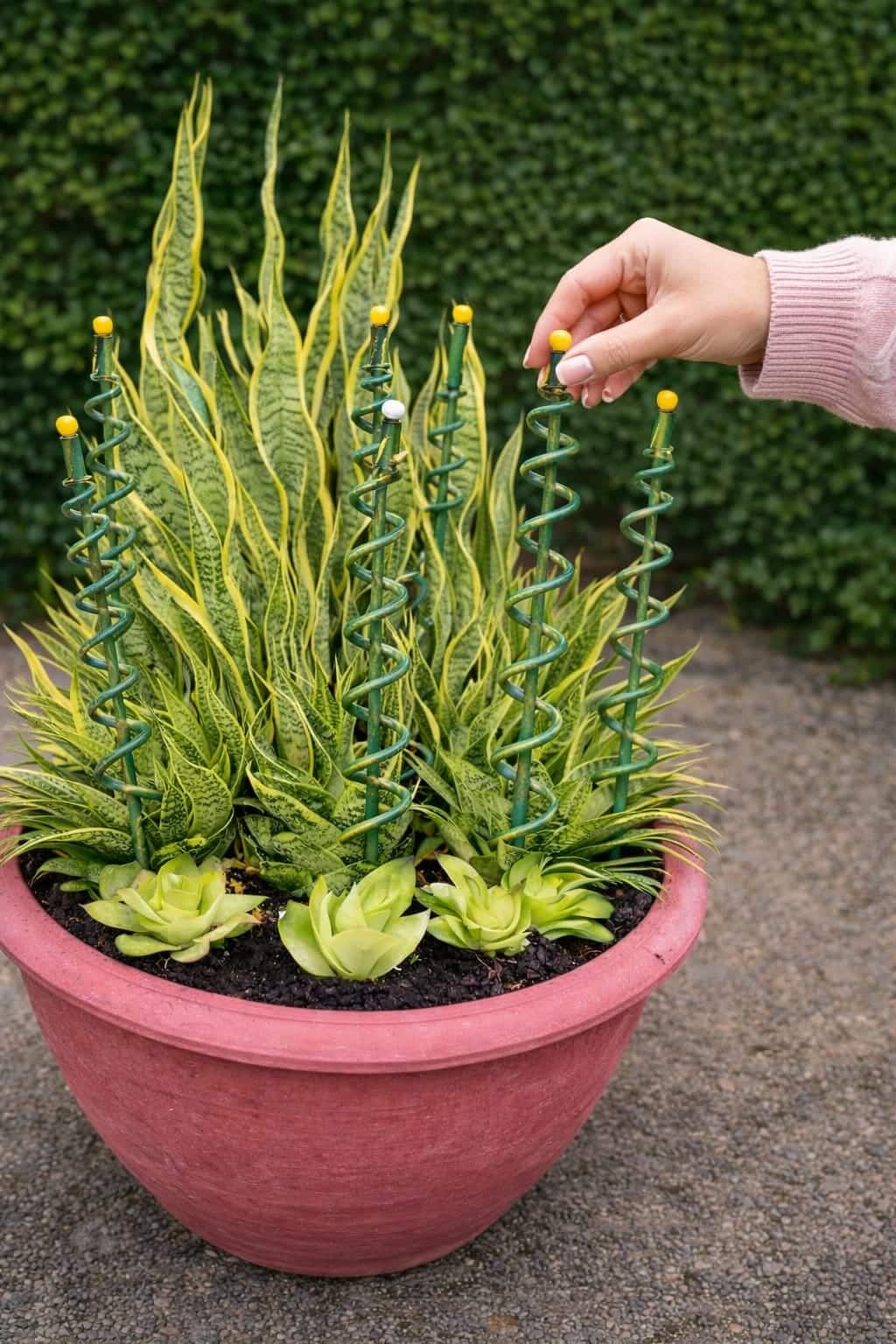
Want a snake plant with tall, structured, wavy leaves? Learn the secrets – bright indirect light, fast‑draining soil, sparse watering, and the right pot. Grow a stunning, sculptural Sansevieria.
Let’s be honest: snake plants (Sansevieria, now Dracaena) are already one of the easiest houseplants to grow. But when you see one with tall, structured leaves and that decorative wavy look, it feels like a completely different plant. It looks more styled, more sculptural, and far more eye‑catching than the usual upright pot in the corner.
The good news is that growing a healthy snake plant is simple. The even better news is that getting it to look fuller, stronger, and more dramatic is not about complicated tricks. It comes down to the right mix of light, watering, soil, and support.
If you want your snake plant to thrive and develop a bold, beautiful look, here is what actually works.
Why Snake Plants Are So Popular
Snake plants are loved because they are tough. They tolerate neglect, dry indoor air, and inconsistent watering better than most houseplants. Their upright leaves make them look clean and modern, and they work well both indoors and outdoors in warm climates.
But while they are easy to keep alive, there is a difference between a snake plant that survives and one that truly thrives.
A Thriving Snake Plant Has:
· Firm, upright leaves.
· Strong color and pattern.
· Healthy pups (baby plants) at the base.
· Balanced, attractive growth.
· No soft or floppy sections.
And if you want a more decorative look, like gently trained or styled leaves, the plant has to be healthy first.
Start with the Right Light
Snake plants can survive in low light, but they grow best in bright, indirect light. This is one of the most important things to understand.
If the plant is kept in a very dark corner, it may stay alive for a long time, but growth often becomes slower and weaker. The leaves may lose some of their vibrancy, and the plant will not fill out as well.
For the Best Results:
· Place it near a bright window.
· Give it filtered or indirect sunlight.
· Avoid harsh, burning afternoon sun for long periods.
A brighter spot usually means stronger, more upright growth.
Use Fast‑Draining Soil
This is where many people go wrong.
Snake plants hate heavy, soggy soil. Their roots need air, and they do best in a mix that drains quickly. A cactus or succulent mix works well, especially if you add extra perlite or coarse material to keep the soil loose.
The Goal Is Simple:
· Water should pass through easily.
· Roots should not stay wet for too long.
· The base of the plant should stay firm and dry.
If the soil stays wet constantly, the plant may begin to rot from below, even if the leaves still look fine at first.
Water Less Than You Think
One of the biggest secrets to growing a strong snake plant is not overwatering it.
Snake plants store moisture in their tissues, so they do not need constant watering. In fact, too much water is one of the fastest ways to ruin them.
A Good Rule:
· Let the soil dry well between waterings.
· Water deeply, then wait again.
· Reduce watering even more in cooler weather.
If you are unsure, it is usually safer to wait a little longer than to water too soon.
Healthy snake plants prefer a drier rhythm.
Choose the Right Pot
A pot with drainage holes is essential. No matter how pretty the container is, if water gets trapped at the bottom, the roots are at risk.
Snake plants also like being a little snug in their pots. They do not need a huge container. In fact, slightly crowded roots can help the plant stay sturdy and sometimes even encourage stronger overall growth.
If the Pot Is Too Large:
· The soil may stay wet too long.
· The roots may sit in excess moisture.
· Growth can become less controlled.
A modest‑sized pot is often the better choice.
Feed Lightly
Snake plants do not need heavy feeding, but a light fertilizer during active growth can help them look fuller and healthier.
· Use a mild balanced houseplant fertilizer during spring and summer only.
· Do not overdo it. A small amount once in a while is enough.
· Too much fertilizer can stress the plant and damage the roots.
Think of feeding as support, not a shortcut.
How to Encourage a Fuller Look
If you want a snake plant arrangement to look fuller and more dramatic, there are a few easy ways to do it.
Let the Pups Grow
Snake plants naturally produce baby shoots (pups) at the base. These help the pot look more full and lush over time.
Group Healthy Divisions Together
If you divide a mature snake plant, you can replant several healthy sections into one wide pot for a fuller display.
Keep the Light Even
Rotate the pot occasionally so the growth stays balanced rather than leaning too much in one direction.
Continue to Page 2
Continue to page 2 for more details about this article and the key points many readers miss on the first page.