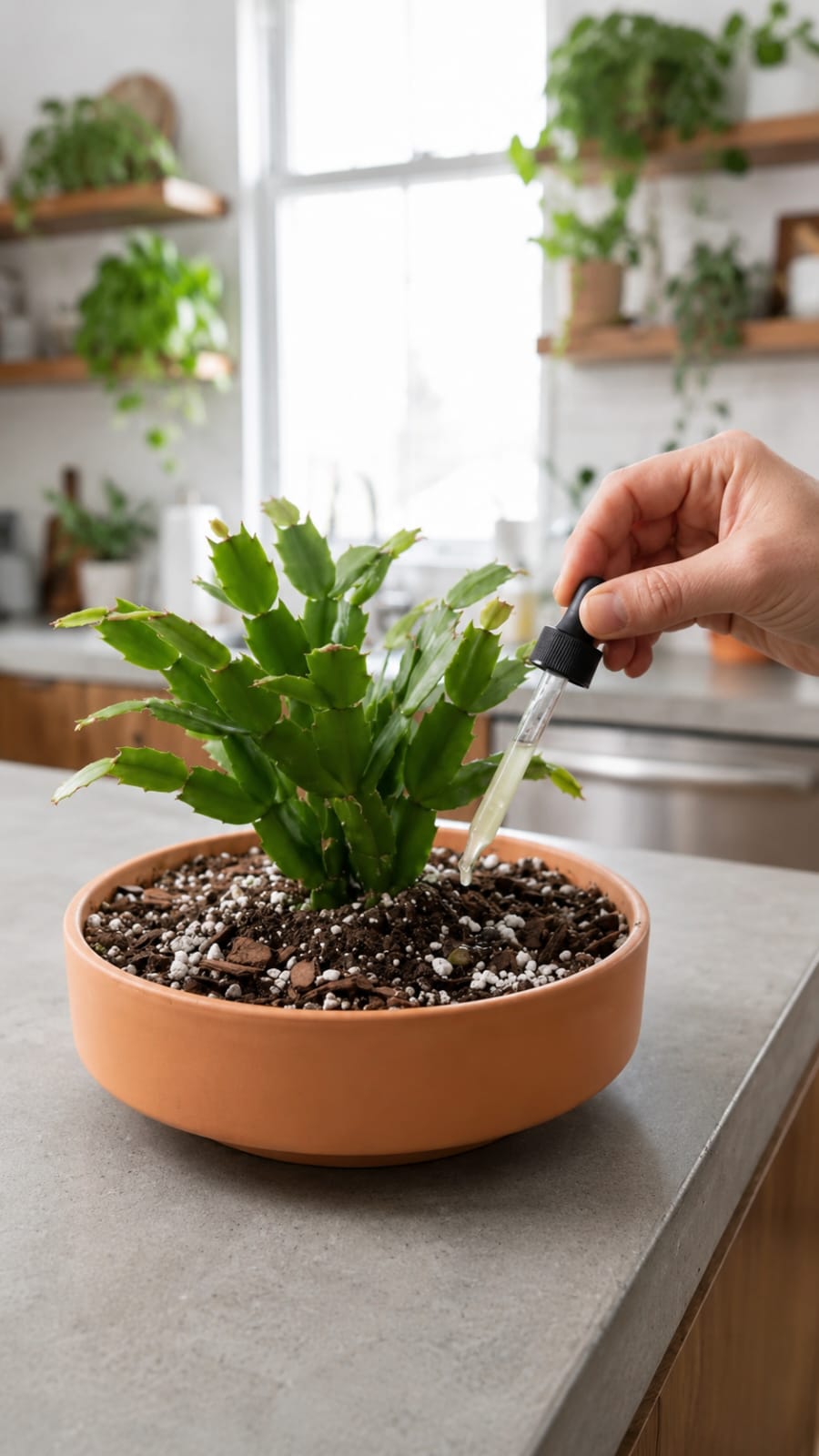
Christmas cactus is one of the most beautiful indoor flowering plants for people who want soft cascading stems, colorful seasonal blooms, easy indoor care, and a decorative plant that looks elegant on windowsills, side tables, shelves, plant stands, and holiday displays. Its flat segmented stems, graceful arching shape, and bright flowers make it a favorite for indoor plant styling, modern apartment decor, holiday houseplant care, premium indoor plant displays, commercial interior landscaping, and cozy home decor during the colder months.
Many homeowners become curious when they hear about a lemon-based plant tonic for Christmas cactus. Lemon is often connected with freshness, acidity, natural cleaning, and homemade plant-care ideas. Because Christmas cactus prefers a slightly acidic growing environment, some people believe that a tiny amount of lemon juice in water can support cleaner soil conditions and healthier growth. However, this method needs to be explained very carefully because lemon juice is acidic and can damage roots if it is used too strong, too often, or poured into a pot that already has weak roots or wet soil.
A Christmas cactus does not need strong lemon juice, sour liquid, or repeated acidic watering to grow well. It needs bright indirect light, a breathable potting mix, drainage holes, moderate watering, stable humidity, and gentle feeding during active growth. A light lemon root tonic may be used only as a very diluted occasional soil adjustment, not as a miracle growth hack. If used incorrectly, it can burn tender roots, disturb the soil balance, cause yellowing, weaken buds, and make the plant decline instead of grow.
This guide explains what a lemon root tonic may do, how it may be used safely, when it should be avoided, what damage can happen if it is misused, and what usually helps Christmas cactus grow stronger, bloom better, and stay clean enough for indoor plant styling, holiday decor, modern home interiors, and premium flowering houseplant presentation.
Quick Answer
A light lemon root tonic should be used on Christmas cactus only with caution. Lemon juice is acidic, so it must be heavily diluted before it touches the soil. It should never be poured directly from a lemon, used every watering, or applied to dry stressed roots. If used at all, only a few drops of lemon juice should be mixed into a large amount of water and used rarely on moist, well-draining soil. Christmas cactus usually grows and blooms better with bright indirect light, a loose cactus-orchid style potting mix, proper drainage, careful watering, and a diluted balanced fertilizer during active growth. Lemon water is optional and should never replace correct plant care.
What Plant This Is
The plant is a holiday cactus, commonly called Christmas cactus, Thanksgiving cactus, or Schlumbergera. These plants are known for their flat segmented stems and colorful blooms that often appear during the cooler months. They are different from desert cacti because they naturally prefer more moisture and humidity than dry desert cactus plants.
Holiday cactus plants grow as epiphytes in their native environments, meaning they often grow in airy organic material rather than heavy compacted soil. This is why they prefer a loose potting mix with good drainage and oxygen around the roots. They should not be treated like a dry-loving snake plant or a thick desert cactus.
A healthy Christmas cactus usually has firm green segments, flexible arching stems, clean roots, and seasonal blooms. A weak plant may show limp segments, shriveled growth, yellowing, bud drop, root rot, or soil that smells sour. Before using any lemon tonic, the plant’s real condition should be checked.
What the Lemon Tonic Might Be
The lemon tonic is usually a mixture of water with a very small amount of lemon juice. Some people use it because lemon is acidic and they believe it may help slightly lower the pH of water or soil. Christmas cactus can prefer a mildly acidic environment, so the idea is not completely random, but the risk comes from using lemon juice too strongly.
Lemon juice contains citric acid. In small diluted amounts, it may slightly acidify water. In strong amounts, it can irritate or burn roots. It can also disturb the microbial balance in the potting mix and stress the plant. This is why the mixture must be very weak if used at all.
The safest explanation is that lemon water is not a fertilizer and not a bloom booster by itself. It is only a possible mild pH-support idea when used very carefully. The main care routine still matters much more.
Why Some Homeowners Use Lemon Water
Some homeowners use lemon water because they want the plant to grow faster, produce more buds, or look fresher. Lemon is also a common household ingredient, so it feels natural and easy. The phrase “lemon secret” can make the method sound powerful, but Christmas cactus care should stay gentle and realistic.
Some tap water is alkaline or high in minerals. Over time, this may contribute to soil buildup and plant stress for some houseplants. A tiny amount of acidity in water may help in certain situations, but this does not mean lemon juice should be used often. There are safer ways to manage water quality, such as using rainwater, filtered water, distilled water, or properly diluted houseplant fertilizer.
Lemon water may be considered only as a rare support method. It should not be the main reason a Christmas cactus grows. Good light, correct watering, fresh soil, and healthy roots create better results.
What This Method Should Not Be Misunderstood As
This method should not be misunderstood as a one-feed massive growth trick. Christmas cactus does not suddenly double in size because of one lemon watering. Growth depends on root health, light, temperature, watering rhythm, and seasonal growth cycles.
It should not be misunderstood as a bloom-forcing method. Christmas cactus blooms are influenced by maturity, shorter daylight periods, cooler nights, healthy roots, and consistent care. Lemon juice does not replace those bloom triggers.
It should also not be misunderstood as safe just because lemon is natural. Natural ingredients can still harm plants. Strong lemon juice can be too acidic for roots. A plant-safe method must be diluted, rare, and used only on a healthy plant with good drainage.
When Lemon Water Should Be Avoided
Lemon water should be avoided if the Christmas cactus has root rot, soggy soil, yellowing stems, fungus gnats, sour smell, soft segments, or a pot with no drainage holes. These signs suggest the root zone is already stressed. Adding acidic liquid can make the problem worse.
It should also be avoided when the plant is in bloom and dropping buds. Bud drop is usually caused by sudden changes in light, temperature, moisture, or stress. Adding a lemon tonic during bud drop may increase stress rather than solve it.
Lemon water should also be avoided if the plant has recently been repotted, divided, or heavily pruned. Freshly disturbed roots need stability. Plain water and gentle conditions are safer during recovery.
How to Use Lemon Water More Safely
If lemon water is used, it should be extremely diluted. Only a few drops of fresh lemon juice should be mixed into a large amount of clean water. The water should taste and smell almost plain, not strongly sour. It should never be applied as concentrated lemon juice.
Apply the diluted mixture only to the soil, not the stems, buds, or flowers. Pour slowly around the outer root zone and allow the pot to drain completely. Do not leave lemon water sitting in the saucer or decorative outer pot.
Use it rarely. Once in a while is safer than weekly use. After using it, watch the plant carefully. If the stems look limp, yellow, or stressed, stop immediately and return to plain water.
What Usually Helps More Than Lemon Water
Bright indirect light usually helps more than lemon water. Christmas cactus needs enough light to build energy for growth and blooms. A bright window with filtered light is ideal. Harsh direct sun can burn the segments, while a dark corner can reduce growth and flowering.
Correct watering also helps more. Christmas cactus likes more moisture than desert cactus, but it still needs drainage. The soil should not stay soggy. Water when the upper part of the mix begins to dry, then let excess water drain fully.
Fresh airy potting mix is another major factor. A loose mix with potting soil, orchid bark, perlite, and a little coco coir can support root oxygen and moisture balance. If the soil is old, compacted, or sour-smelling, repotting is more useful than lemon tonic.
Best Soil for Christmas Cactus
Christmas cactus grows best in a light, airy, moisture-balanced potting mix. It should hold some moisture but drain quickly. A good mix can include indoor potting soil, orchid bark, perlite, pumice, coco coir, or fine bark. The goal is a breathable root zone.
Heavy garden soil should not be used indoors. It can compact and stay wet too long. When roots lose oxygen, the plant may become limp even if the soil is wet. Many people mistake this limpness for thirst and water more, which worsens root rot.
If a lemon tonic is used in heavy soil, the risk increases. Acidic liquid sitting in dense wet soil can stress roots. Good soil should always come before any homemade treatment.
Choosing the Right Pot
The pot should have drainage holes. Christmas cactus roots need moisture, but they also need air. A pot with no drainage can trap water, fertilizer salts, lemon residue, and organic buildup around the roots.
A decorative ceramic pot can look beautiful, but it should either have drainage or hold a draining inner pot. After watering, the inner pot should be allowed to drain fully before being placed back inside the decorative cover.
A slightly snug pot can encourage blooming for holiday cactus, but it should not be so crowded that the soil cannot absorb water evenly. If the plant is severely root-bound or drying out too fast, repotting into a slightly larger pot may help.
Watering Christmas Cactus Correctly
Christmas cactus should be watered when the top layer of the potting mix begins to dry. It should not be treated like a desert cactus that stays dry for long periods, and it should not be treated like a swamp plant that sits wet all the time.
Water thoroughly and let excess drain. Empty the saucer afterward. If the potting mix dries out completely for too long, the segments may shrivel. If the mix stays wet too long, roots may rot and the stems may become limp.
If diluted lemon water is used, it should count as a normal watering, not an extra watering. Do not add lemon water when the soil is already wet. Moisture control is more important than the tonic itself.
Best Light for Growth and Blooms
Bright indirect light is ideal for Christmas cactus. A window with filtered morning light or bright indirect afternoon light can support healthy green segments and future blooms. Too much harsh sun can cause pale, reddish, or scorched segments.
Low light can reduce growth and flowering. A plant may survive in a dim room, but it may not produce many buds. If the plant is not blooming, light is often one of the first things to improve.
During the bud-setting period, stable conditions matter. Sudden changes in location, light, temperature, or watering can cause buds to drop. Keep the plant consistent once buds form.
Feeding for Stronger Growth
Christmas cactus can be fed lightly during active growth. A diluted balanced houseplant fertilizer or cactus fertilizer can support new segments and root strength. Feeding should be gentle, usually at reduced strength.
Fertilizer should not be applied to a stressed plant with root rot or soggy soil. Damaged roots cannot use nutrients well. First fix the root zone, then feed only after the plant shows stable growth.
Lemon water should not be combined with strong fertilizer in the same routine. Too many treatments can create chemical stress in the soil. A simple feeding plan is safer.
How to Encourage More Blooms
More blooms usually come from healthy roots, bright indirect light, and seasonal cues. Christmas cactus often needs shorter days and cooler nights to set buds. A period of darkness at night and slightly cooler temperatures can help encourage flowering.
Once buds appear, avoid moving the plant around too much. Keep watering consistent and avoid sudden drought or soggy soil. Do not experiment with strong lemon water during bud formation because stress can cause bud drop.
After blooming, allow the plant to rest lightly. Continue gentle care, but do not force heavy feeding immediately. New growth usually becomes more active later in the growing season.
Possible Damage From Too Much Lemon
Too much lemon juice can make the root zone too acidic. This may irritate roots, reduce nutrient balance, and cause yellowing, limp segments, or poor growth. Roots are delicate, and they do not need strong acid.
Strong lemon water can also damage beneficial soil life. A potting mix is a small environment. Sudden acidity changes can shock the system. This is why dilution and rarity are essential.
If lemon water is used repeatedly, salts and residues may build up depending on the water and soil. If the plant begins to decline, stop using lemon and flush the pot with clean water if drainage is good.
Warning Signs to Watch For
After using any lemon tonic, watch for limp segments, yellowing, brown patches, bud drop, sour soil smell, fungus gnats, mold, or soil that stays wet too long. These signs mean the plant may be stressed.
If the plant reacts badly, stop using lemon immediately. Use plain water only and let the potting mix return to a normal dry-down rhythm. Check that the pot drains properly and the soil is not compacted.
If roots smell rotten or the base becomes soft, remove the plant from the pot and inspect the roots. Trim damaged roots with clean scissors and repot into fresh airy mix.
Common Mistakes
One common mistake is using pure lemon juice directly on the soil. This is too strong and can burn roots. Lemon must be heavily diluted if used at all.
Another mistake is using lemon water every week. Repeated acidity changes can stress the plant. Christmas cactus does not need constant lemon feeding.
A third mistake is using lemon water on a plant with root rot. If the roots are already damaged, acidic liquid will not fix them. Fresh soil, drainage, and root recovery are needed first.
What to Do If Too Much Lemon Was Added
If too much lemon water was added, flush the pot with clean room-temperature water if the pot has drainage holes. Let water run through the mix and out the bottom. Empty the saucer afterward and allow the plant to dry normally.
If the pot has no drainage, remove the plant and repot it into a draining container. No-drainage pots make it difficult to remove excess acidity, fertilizer, or water. Fresh mix may be the safest solution.
After flushing or repotting, avoid fertilizer and homemade tonics for a while. Keep the plant in bright indirect light and water only when needed. Let the roots stabilize.
Indoor Decor Value
Christmas cactus has strong indoor decor value because it offers soft cascading stems and colorful blooms during a season when many other houseplants are not flowering. It looks beautiful in ceramic pots, terracotta planters, woven baskets, hanging displays, and bright windowsill arrangements.
A healthy plant can soften a room and add color without looking messy. It works well in cozy living rooms, bedrooms, kitchens, offices, and holiday displays. When the blooms appear, the plant can become a natural centerpiece.
The decorative value depends on clean care. Sour soil, residue, mold, or damaged stems can make the plant look neglected. A premium display should have firm green segments, clean soil, and a pot that fits the room.
Room-by-Room Styling
In the living room, Christmas cactus can sit on a side table, shelf, console, or plant stand. Its arching stems look beautiful near soft curtains, warm wood, and neutral decor. Bright indirect light helps it stay full.
In the bedroom, Christmas cactus creates a calm seasonal accent. Avoid strong-smelling homemade liquids. Plain water, fresh soil, and gentle feeding are better for a restful space.
In a home office, Christmas cactus can brighten a desk or shelf without taking up much room. Keep the plant near filtered light and rotate gently when it is not budding to maintain an even shape.
In a kitchen, the plant can thrive near a bright window. However, avoid using kitchen ingredients too freely. Lemon, milk, rice water, and other household mixtures can create problems if used without control.
Continue to Page 2
Continue to page 2 for more details about this article and the key points many readers miss on the first page.