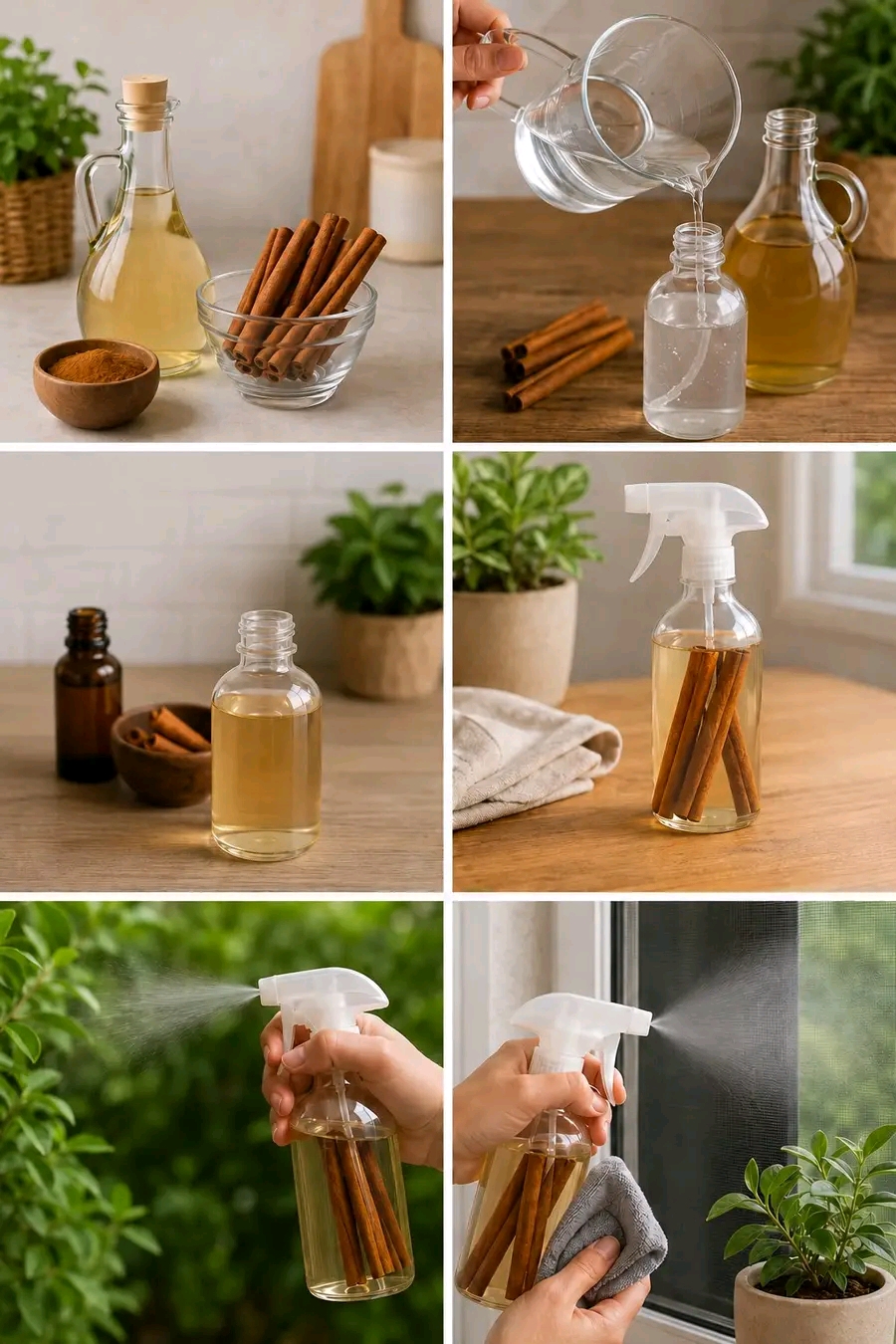
Cinnamon is one of the most familiar kitchen ingredients, but many homeowners also become curious about using it around indoor plants because it looks simple, natural, and inexpensive. A bottle filled with pale cinnamon water beside a bright windowsill can feel like an easy home-care upgrade for people who want cleaner foliage, fewer musty odors, fresher pot surfaces, and a more polished indoor plant display. Houseplants such as pothos, peace lily, spider plant, snake plant, jade plant, rubber plant, anthurium, orchid, and small indoor herbs can all look more beautiful when their leaves are clean, their soil surface is tidy, and their growing area feels fresh.
Many plant lovers see cinnamon sticks soaked in water or cinnamon powder mixed into a spray bottle and wonder whether this simple mixture can protect plants from fungus, pests, stale soil, or dirty window areas. Cinnamon is often described online as a natural antifungal helper, a pest-deterring scent, or a gentle cleaning spray. The idea is appealing, especially for homeowners who prefer natural home garden care, indoor plant maintenance, non-toxic plant routines, organic houseplant care, and low-cost plant styling solutions. However, cinnamon spray must be used carefully. A kitchen ingredient can still irritate leaves, dry delicate tissue, leave residue, or disturb the soil if it is made too strong or used too often.
The safest way to understand cinnamon spray is to treat it as a light cleaning and freshness support method, not a miracle plant cure. Cinnamon water will not rescue rotten roots, fix compacted soil, heal severely diseased leaves, or replace proper watering, light, drainage, airflow, and plant hygiene. It can be useful as part of a clean plant-care routine when it is diluted, strained, used lightly, and kept away from sensitive crowns, flowers, and wet soil problems. The real foundation of healthy houseplants is still bright appropriate light, correct watering, drainage holes, airy potting mix, clean leaves, moderate humidity, and careful observation.
What Cinnamon Spray Is Usually Made From
A simple cinnamon spray is usually made by steeping cinnamon sticks in warm water, allowing the liquid to cool, straining it, and placing it in a clean spray bottle. Some people use cinnamon powder instead, but powder can be harder to strain and may clog the spray nozzle. It can also leave more visible residue on leaves, windows, and pot surfaces. Cinnamon sticks usually create a cleaner, lighter infusion with less grit.
Some versions include essential oil, vinegar, alcohol, soap, or other ingredients, but these additions can be risky for plants. Cinnamon essential oil is concentrated and can burn or irritate foliage if used incorrectly. Vinegar can damage leaves and change soil conditions. Alcohol can dry plant tissue. Soap can be useful in specific pest situations when properly diluted, but it should not be added casually to every cinnamon spray. For general houseplant freshness, plain cinnamon-infused water is the safer version.
The mixture should smell gently like cinnamon, not harsh or overpowering. If it smells sour, fermented, moldy, or unpleasant, it should be discarded. A plant spray should never become a spoiled kitchen mixture. Indoor plants grow in small pots, and anything sprayed or poured around them can create residue if the mixture is old or too strong.
Why Homeowners Use Cinnamon Around Plants
Homeowners often use cinnamon because it has a warm scent and a clean, natural image. It is commonly associated with freshness, comfort, and home care. Around houseplants, cinnamon is often used for three main purposes: to keep the plant area smelling fresh, to lightly discourage surface mold, and to support a cleaner-looking plant display. These uses are mild and cosmetic compared with serious plant disease treatment.
Cinnamon powder is sometimes sprinkled lightly on cut stems or soil surfaces because many gardeners believe it can help keep the area cleaner. However, heavy powder use can create crust, trap moisture, or make the soil surface look messy. A very light spray may feel cleaner, but it should still be used with restraint.
The biggest mistake is expecting cinnamon to solve every plant problem. If a plant has root rot, fungus gnats, yellow leaves, sticky pests, black spots, or collapsing stems, cinnamon spray alone is not enough. The problem must be identified correctly. Cinnamon may support cleanliness, but diagnosis and proper care matter more.
How Cinnamon Spray Can Help With Plant Cleanliness
A very light cinnamon spray can be used around plant areas to refresh surfaces, especially near windowsills, plant shelves, and outer pot surfaces. It can help make the plant corner feel cleaner and more pleasant. This is especially useful for homeowners who keep several plants together and want a gentle natural scent without using strong chemical fragrances near foliage.
When used carefully, cinnamon water can also be lightly misted on the soil surface of some plants if there is a mild musty smell or light surface fuzz. However, this should be done sparingly and only when the soil is not already soaked. If the soil is wet, musty, and moldy, the better solution is improved airflow, less frequent watering, and possibly replacing the top layer of soil.
For leaves, cinnamon spray should be used with caution. Some leaves tolerate a light mist better than others. Thick leaves such as rubber plant, snake plant, ZZ plant, jade plant, and pothos may be less sensitive than soft or fuzzy leaves. Even then, it is better to spray a cloth and wipe around the plant area rather than heavily spraying foliage.
Why Cinnamon Spray Should Not Replace Proper Plant Care
Healthy plants begin with correct growing conditions. A plant in poor light, wet soil, or a pot without drainage will not become healthy because of cinnamon spray. If the roots are suffocating, the plant needs better soil and drainage. If leaves are yellowing from overwatering, the watering routine must change. If pests are spreading, a targeted pest treatment is needed. Cinnamon spray is not a complete plant-care system.
Indoor plants need balance. They need enough light to produce energy, enough water to stay hydrated, enough oxygen around the roots, and enough airflow to prevent stale damp conditions. Cinnamon can add a pleasant scent and may lightly support cleanliness, but it does not provide balanced nutrition or structural root health.
If a plant is struggling, always check the basics first. Feel the soil, inspect the roots if needed, look under the leaves for pests, check the pot drainage, and review the light level. These steps provide real answers. A spray bottle is not a substitute for observation.
Best Way to Make a Gentle Cinnamon Spray
The safest cinnamon spray begins with clean water and cinnamon sticks. Place a few cinnamon sticks in warm water and let them steep until the water takes on a light golden color. Allow it to cool completely before using. Strain the liquid through a fine cloth or coffee filter so no particles enter the spray bottle. A clean mixture reduces nozzle clogging and prevents gritty residue on leaves.
The spray should be weak, not dark and concentrated. Stronger is not better. A light infusion is enough for freshness. If the liquid becomes very dark or sticky, dilute it with more water. The goal is a gentle aromatic rinse, not a thick plant treatment.
Use a clean spray bottle and label it clearly. Store the mixture in a cool place and use it within a short time. If it changes smell, becomes cloudy in an unpleasant way, or shows any signs of spoilage, discard it and make a fresh batch.
How to Use Cinnamon Spray Around Houseplants Safely
Use cinnamon spray lightly. Mist the air around the plant area, the outer pot, or a cleaning cloth rather than soaking the plant. If using it on leaves, test one small leaf area first and wait a day to see if any spotting or irritation appears. This is especially important for delicate plants.
Do not spray flowers heavily. Orchid blooms, peace lily spathes, anthurium spathes, African violet flowers, and other delicate blooms can spot or age faster when sprayed. Decorative flowers are best kept dry and clean. If dust collects, use gentle airflow or a dry soft brush rather than wet aromatic sprays.
Do not spray into plant crowns. Plants such as orchids, peace lilies, snake plants, and many rosette-forming plants can suffer if liquid collects in the center. Moisture trapped in a crown can encourage rot. Aim around the soil surface or wipe leaves carefully instead of flooding the center.
Using Cinnamon Spray on Soil Surfaces
A light spray on the soil surface may be used occasionally when the top looks stale or slightly musty. However, it should never be used to hide a serious watering problem. If soil repeatedly grows mold, the plant is likely staying too wet, receiving poor airflow, or sitting in an overly organic mix. The real solution is adjusting care.
Do not drench the soil with cinnamon water. A few light sprays are different from pouring the liquid into the pot. Many houseplants, especially succulents such as snake plants and jade plants, do not want extra moisture. Too much cinnamon water can keep the soil damp and increase root risk.
If the soil surface has heavy mold, remove the affected top layer gently and replace it with fresh mix. Improve airflow and reduce watering frequency. Cinnamon spray can be a light finishing touch afterward, but it should not be the main treatment.
Using Cinnamon Spray Near Windows and Plant Shelves
Cinnamon spray can be especially useful as a gentle plant-area freshener for windowsills, shelves, and outer pots. Spray a cloth lightly and wipe the windowsill, tray, or outside of the planter. This keeps the display clean without wetting the plant unnecessarily. It also helps remove dust, water marks, and light soil smudges from the plant station.
Window areas often collect moisture, dust, and small soil particles from watering. A clean windowsill improves the whole plant display. It also helps prevent stale smells and keeps the indoor garden feeling intentional. This is where cinnamon spray is often most practical.
Do not spray wood surfaces heavily without testing first. Cinnamon water may leave marks on unfinished wood. Use a lightly damp cloth and dry the surface afterward. A plant-care routine should protect furniture as well as plants.
Plants That Need Extra Caution
Some plants are more sensitive to sprays than others. African violets, begonias with fuzzy leaves, calatheas, marantas, orchids in bloom, ferns, and thin-leaved tropical plants may react poorly to repeated wetting or residue. For these plants, avoid spraying leaves directly. Use cinnamon spray only around the plant area or on the outer pot.
Succulents also need caution, but for a different reason. Snake plants, jade plants, echeverias, haworthias, and aloe plants prefer dry leaf centers and fast-drying soil. Spraying too often can leave moisture where it should not stay. For succulents, cinnamon spray is better used on nearby surfaces, not directly into the plant crown.
Thicker glossy leaves such as pothos, rubber plant, ZZ plant, and some philodendrons may tolerate light wiping better. Even then, plain water is usually enough for leaf cleaning. Cinnamon spray is optional, not necessary.
Why Cinnamon Essential Oil Is Different
Cinnamon essential oil is much stronger than cinnamon-stick water. It is concentrated and can irritate plant leaves, skin, pets, and indoor airways if used carelessly. A few drops may seem harmless, but essential oils are potent. They do not behave the same way as a mild infusion.
For houseplant use, it is safer to avoid cinnamon essential oil on foliage and soil. If used for home fragrance, keep it away from leaves, pets, and plant roots. Do not add strong oil directly into a spray bottle for plants unless you fully understand safe dilution and plant sensitivity.
A mild cinnamon-stick infusion is the gentler option. It is still not risk-free, but it is much less harsh than essential oil.
Can Cinnamon Spray Help With Fungus Gnats?
Fungus gnats are usually caused by damp soil and decaying organic material. Cinnamon spray may make the soil surface smell fresher, but it will not solve a serious gnat infestation by itself. The real solution is moisture control. Let the top of the soil dry more between waterings when the plant allows it, improve drainage, remove decaying material, and use sticky traps to monitor adults.
If gnats continue, consider a targeted treatment such as beneficial mosquito bits or another plant-safe gnat control method. Cinnamon spray should not be used as the only solution. Over-spraying the soil can actually keep the surface damp, which gnats like.
For gnat prevention, clean habits matter most. Avoid overwatering, empty saucers, remove fallen leaves, and keep pot surfaces tidy. Cinnamon spray can be a light support, but dry surface management is more important.
Can Cinnamon Spray Help With Leaf Problems?
Leaf spots, yellowing, curling, browning, and wilting can have many causes. They may come from overwatering, underwatering, low humidity, sunburn, cold drafts, pests, fertilizer burn, or disease. Cinnamon spray should not be applied as a blind cure. Spraying damaged leaves can sometimes make spotting worse, especially if the plant is sensitive.
If leaves are dusty, clean them gently with plain water first. If leaves have pests, identify the pest and treat specifically. If leaves have fungal spots, remove severely affected leaves and improve airflow. Cinnamon spray may be too mild for serious problems and too irritating for delicate foliage.
The best leaf-care routine is simple. Provide proper light, avoid wet leaves overnight, keep air moving gently, and remove dead plant material. Healthy leaves come from healthy roots and stable care.
How Often to Use Cinnamon Spray
Cinnamon spray should not be used every day. Occasional use is enough. For most indoor plant areas, using it once every few weeks as a light surface freshener is more reasonable than daily spraying. Plants do not need constant aromatic mist.
If using it on the soil surface, use it even less often. Repeated spraying can add moisture and residue. If you feel the need to spray the soil constantly because it smells bad, the plant likely has a soil or watering problem that needs correction.
If using it to wipe outer pots and windowsills, it can be used more freely as long as the surface tolerates it. Keep the actual plant drier and cleaner.
Continue to Page 2
Continue to page 2 for more details about this article and the key points many readers miss on the first page.