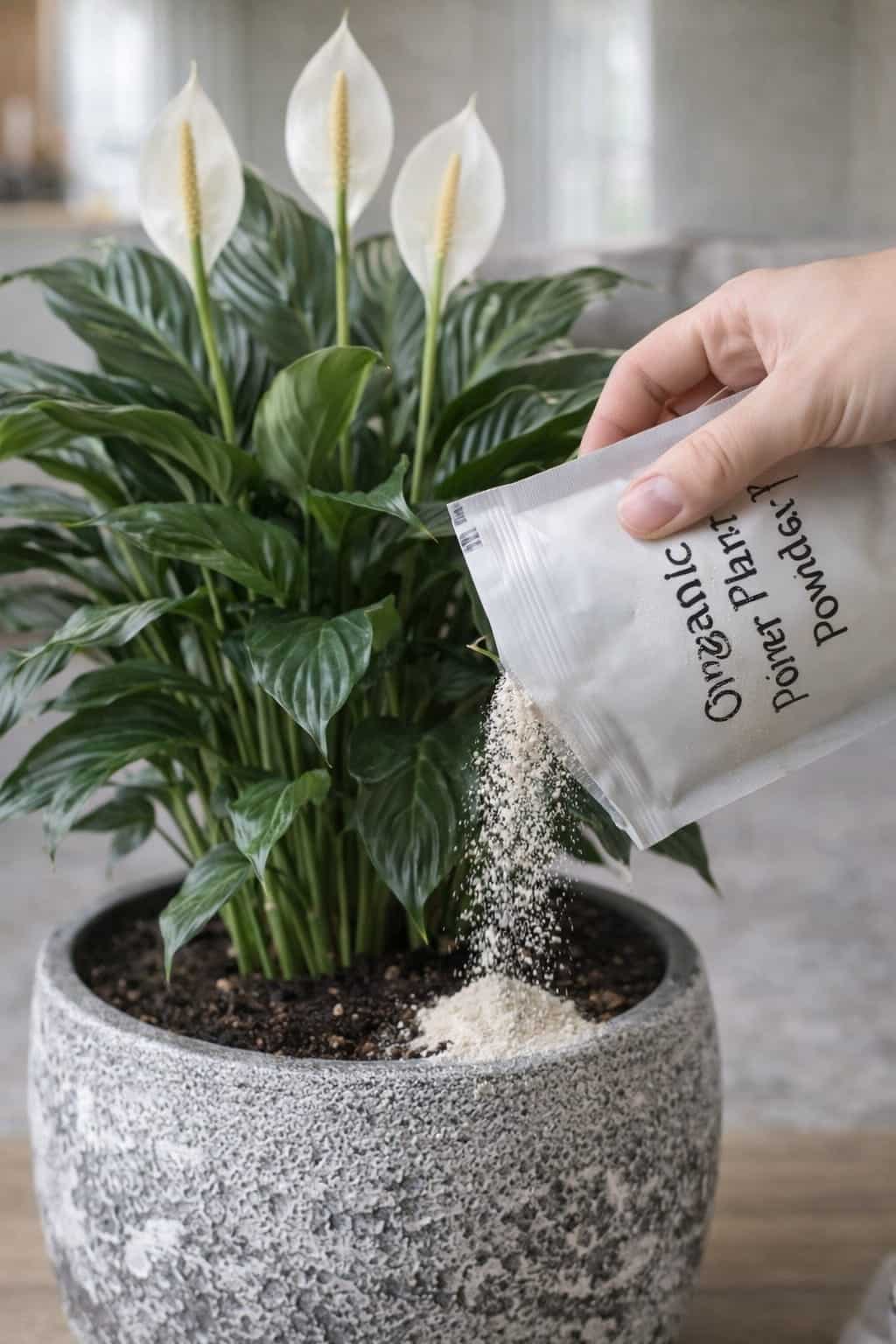
Peace lilies are one of the most beautiful houseplants you can own. Their rich green leaves and elegant white blooms make any room feel brighter, calmer, and more alive. But when a peace lily starts drooping, yellowing, or looking tired, a lot of people assume it is finished.
That is usually when the panic starts.
The leaves lose their shine. The flowers fade. The plant looks weaker every day. And before long, many people think the only option is to throw it away and buy a new one.
But here is the good news:
👉 A struggling peace lily can often recover beautifully if you catch the problem early and give it the right support.
That is why so many “easy trick” videos go viral. People love the idea that one simple step can help revive a plant that looks like it is on its last chance. And while there is no true miracle cure, there are absolutely a few simple changes that can make a huge difference.
In this guide, you will learn exactly how to diagnose what is wrong with your peace lily, the one easy trick that actually works, and a step‑by‑step rescue plan that can bring it back from the brink.
Why Peace Lilies Suddenly Start Looking Unhealthy
Peace lilies are dramatic plants. They show stress fast, which is actually useful because it tells you something is wrong before the damage becomes permanent.
A peace lily usually declines because of one or more of these problems:
· overwatering
· poor drainage
· exhausted soil
· low light
· inconsistent watering
· root stress
· lack of nutrients
· buildup in old compact soil
The tricky part is that the symptoms can look confusing. A peace lily that droops may be thirsty, but it may also have stressed roots from staying too wet too long. That is why pouring more water into the pot is not always the answer.
Understanding the real cause is the first step toward a successful peace lily rescue.
The “Easy Trick” People Talk About
In many plant videos, you will see someone sprinkling a powder or plant food onto the soil and claiming it instantly revives the plant. The truth is more realistic.
What usually helps is not the powder alone.
What helps is the combination of:
· refreshing the soil environment
· giving the plant a light nutrient boost
· correcting watering habits
· improving light conditions
· letting the roots recover
So yes, a simple plant‑support product or organic potting amendment may help. But the real transformation happens because the plant finally gets what it has been missing.
The easiest trick of all? Stop guessing and start checking the roots.
Step One: Check the Roots Before Anything Else
If your peace lily looks weak, the first thing to think about is the root zone.
Healthy Roots Mean:
· better water absorption
· stronger leaves
· more energy for blooms
· faster recovery
How to Check:
- Gently remove the plant from its pot.
- Look at the root color and texture.
- Healthy roots are firm, white or tan, and smell like earth.
- Unhealthy roots are brown, mushy, black, or smell rotten.
If the soil smells sour, stays wet forever, or feels compact and heavy, the roots may already be under stress.
That is why the easiest “trick” is often not dramatic at all:
👉 Refresh the soil, improve drainage, and stop stressing the roots.
Sometimes that one change does more than any homemade hack ever could.
Give It Better Soil Support
A tired peace lily often needs a fresher growing environment. Old potting mix loses structure over time. It can become compacted, hold too much water, and leave the roots struggling.
A gentle plant food or organic amendment can help support recovery, especially if the plant has been sitting in depleted soil for a long time.
What to Use:
· Fresh, high‑quality potting mix (look for one with perlite or orchid bark for drainage)
· A mild, balanced houseplant fertilizer (diluted to half strength)
· Optional: worm castings or compost for gentle organic nutrition
What to Avoid:
· Heavy synthetic fertilizers
· Unproven kitchen hacks (milk, vinegar, sugar)
· Adding too much at once
The goal is not to overload the plant. The goal is to give it:
· lighter, healthier soil
· better airflow around roots
· mild nutrient support
· a cleaner base for new growth
When that happens, the whole plant often starts looking better within days or weeks.
Light Matters More Than Most People Realize
Peace lilies can survive in lower light, but they thrive much better in bright, indirect light.
If your plant is in a very dim corner, it may remain alive but stop looking strong. Leaves may become tired and blooms may become rare.
A Better Spot Is:
· near a bright window (east or north facing is ideal)
· out of strong direct afternoon sun (which burns leaves)
· somewhere with filtered daylight (a sheer curtain works wonders)
This gives the plant more energy to rebuild.
A weak peace lily in better light often begins to look more upright, greener, and fuller surprisingly fast — sometimes in as little as one to two weeks.
Water Correctly, Not Constantly
This is one of the biggest recovery steps.
Peace lilies like evenly moist soil, but they hate sitting in soggy roots. If the pot does not drain well or the soil stays wet too long, the plant slowly weakens.
A Better Method Is:
· water when the top inch of soil begins to dry slightly
· water thoroughly until water runs from the drainage holes
· let all excess water drain away completely
· never leave the roots standing in water (empty the saucer)
How to Tell If You Are Overwatering:
· leaves turn yellow, especially lower ones
· the plant feels heavy and the soil is constantly wet
· you see fungus gnats flying around the pot
How to Tell If You Are Underwatering:
· leaves droop dramatically
· the pot feels very light
· the soil pulls away from the sides of the pot
This one change alone — learning to water correctly — can save a plant people were ready to throw away.
Remove the Tired Parts
If your peace lily has:
· yellow leaves
· brown crispy edges
· faded blooms
· damaged stems
remove them cleanly.
How to Do It:
· Use clean, sharp scissors or pruning shears.
· Cut yellow or brown leaves at the base of the stem.
· Cut spent flower stalks as close to the soil as possible.
· Do not pull; always cut.
This does two useful things:
- It makes the plant look better immediately.
- It helps the plant redirect energy into healthy new growth instead of maintaining dying tissue.
A cleaned‑up peace lily often looks less “finished” right away, and once fresh growth starts, the recovery feels much more obvious.
A Light Feeding Routine Can Help
A struggling peace lily should not be blasted with heavy fertilizer. But once the roots are in better condition and the light is improved, a mild feeding routine can help.
This Supports:
· greener foliage
· stronger stems
· healthier overall growth
· better future blooming
A Safe Feeding Schedule:
· Wait at least 2–3 weeks after repotting or root treatment.
· Use a balanced liquid fertilizer (like 10‑10‑10 or 20‑20‑20) diluted to half or quarter strength.
· Feed once every 4–6 weeks during spring and summer.
· Do not fertilize in fall and winter when growth slows.
The important thing is moderation.
Too much fertilizer can burn the roots and make a stressed plant even worse. Gentle support works much better than aggressive feeding.
Signs Your Peace Lily Is Recovering
Once your plant starts responding, you may notice:
· leaves standing more upright (less droop)
· deeper, richer green color
· new leaf growth emerging from the center
· stronger, firmer stems that do not flop
· a fuller overall shape
· fresh white blooms appearing later on (sometimes 2–3 months after recovery)
These are the real signs that the rescue is working.
Not overnight magic. Not fake instant change. Just a healthier plant rebuilding itself.
Step‑by‑Step Peace Lily Rescue Plan
Here is a simple, repeatable plan for any peace lily that looks like it is failing.
Day 1 – Assessment
· Remove the plant from its pot.
· Inspect roots. Trim away any black, mushy, or smelly roots.
· If more than 50% of roots are rotten, consider propagating healthy cuttings (see FAQ).
Day 2 – Repotting
· Choose a pot with drainage holes, only 1–2 inches larger than the remaining root ball.
· Use fresh potting mix with perlite.
· Repot at the same depth as before.
· Water lightly once.
Week 1 – Rest
· Place in bright indirect light.
· Do not water again until the top inch of soil is dry.
· Do not fertilize.
· Remove any additional yellow leaves as they appear.
Week 2 – Observation
· Check soil moisture every few days.
· Look for signs of new growth.
· If the plant is stable, you can water normally (when top inch is dry).
Week 3 – Light Feeding (Optional)
· If new growth appears, give a very diluted fertilizer.
· Continue monitoring light and water.
Month 2 and Beyond
· Resume normal peace lily care.
· Expect new blooms within 2–4 months if light is adequate.
Common Peace Lily Problems and Quick Fixes
Problem Likely Cause Quick Fix
Leaves drooping but soil is wet Root rot or overwatering Check roots, repot in dry mix
Leaves drooping, soil is dry Underwatering Water thoroughly, then establish routine
Yellow leaves Overwatering or old age Adjust watering, remove yellow leaves
Brown leaf tips Dry air, fluoride, or fertilizer burn Increase humidity, use filtered water
No blooms Low light Move to brighter location
Small green blooms Too much nitrogen or immature plant Switch to bloom fertilizer, be patient
White fuzzy spots on leaves Mealybugs Wipe with alcohol, treat with neem oil
Frequently Asked Questions (Peace Lily Rescue)
Can a peace lily come back from root rot?
Yes, if caught early. Remove all rotten roots, repot in fresh dry mix, and water sparingly for several weeks. If the rot has reached the crown, you may need to propagate leaf cuttings in water.
How long does it take to revive a peace lily?
Minor recovery (less drooping) can happen in a few days. Full recovery with new leaves and blooms usually takes 4–8 weeks.
Should I cut off all the leaves if they look bad?
No. Leave any green, healthy leaves. They provide energy for recovery. Only remove leaves that are fully yellow or brown.
Can I use Epsom salt on a struggling peace lily?
Epsom salt provides magnesium. If your plant shows signs of magnesium deficiency (yellowing between leaf veins), a very diluted solution (1 teaspoon per gallon) once a month may help. It is not an emergency rescue treatment.
Is coffee good for a dying peace lily?
Diluted black coffee (1 part coffee to 3 parts water) can provide a tiny nitrogen boost, but it will not fix root problems or overwatering. Fix the basics first.
Why does my peace lily look fine but never bloom?
This is almost always a light issue. Move it closer to a bright window. Also, make sure you are not over‑fertilizing with high‑nitrogen plant food.
Can I save a peace lily with no roots?
If the crown (base) is still firm and green, you can try placing it in water with a rooting hormone. Change the water weekly. New roots may take 4–6 weeks. It is not guaranteed, but it is worth a try.
How do I prevent this from happening again?
· Use a pot with drainage holes.
· Water only when the top inch of soil is dry.
· Provide bright indirect light.
· Repot every 1–2 years with fresh soil.
· Fertilize lightly during growing season.
Don’t Toss It Too Soon
This is probably the most important message of all.
A peace lily can look terrible and still recover.
As long as the plant still has some healthy root system and living growth points, it often has a real chance. That is why throwing it away too early is such a common mistake.
Many peace lilies that look “done” are actually just:
· root‑stressed
· underlit
· sitting in bad soil
· watered the wrong way
Once those things are corrected, the plant can surprise you.
I have seen peace lilies come back from a single green leaf and a handful of healthy roots. I have seen them bloom again after months of looking like nothing more than a pot of sad, drooping foliage.
So before you toss yours, give it a real chance.
Check the roots. Change the soil. Move it to better light. Water it correctly. Remove the dead parts.
Then wait.
You might be amazed at what a little patience and the right care can do.
Final Thoughts
If your peace lily looks tired, droopy, or close to finished, do not rush to toss it.
The easiest trick is not really one magic ingredient. It is giving the plant the basic reset it has been needing all along:
· healthier soil
· better drainage
· bright indirect light
· smarter watering
· light support, not overcare
That is what brings a peace lily back.
And when it finally starts pushing out fresh green leaves and those elegant white blooms again, it feels even more satisfying — because instead of replacing it, you actually saved it.
So go ahead. Pull that sad peace lily out of the corner. Check its roots. Give it a fresh start. And watch what happens.
You might just become a plant rescuer.
Have you successfully revived a peace lily? Share your story in the comments below. And if you found this guide helpful, save it for later or send it to a friend who is about to give up on their plant.