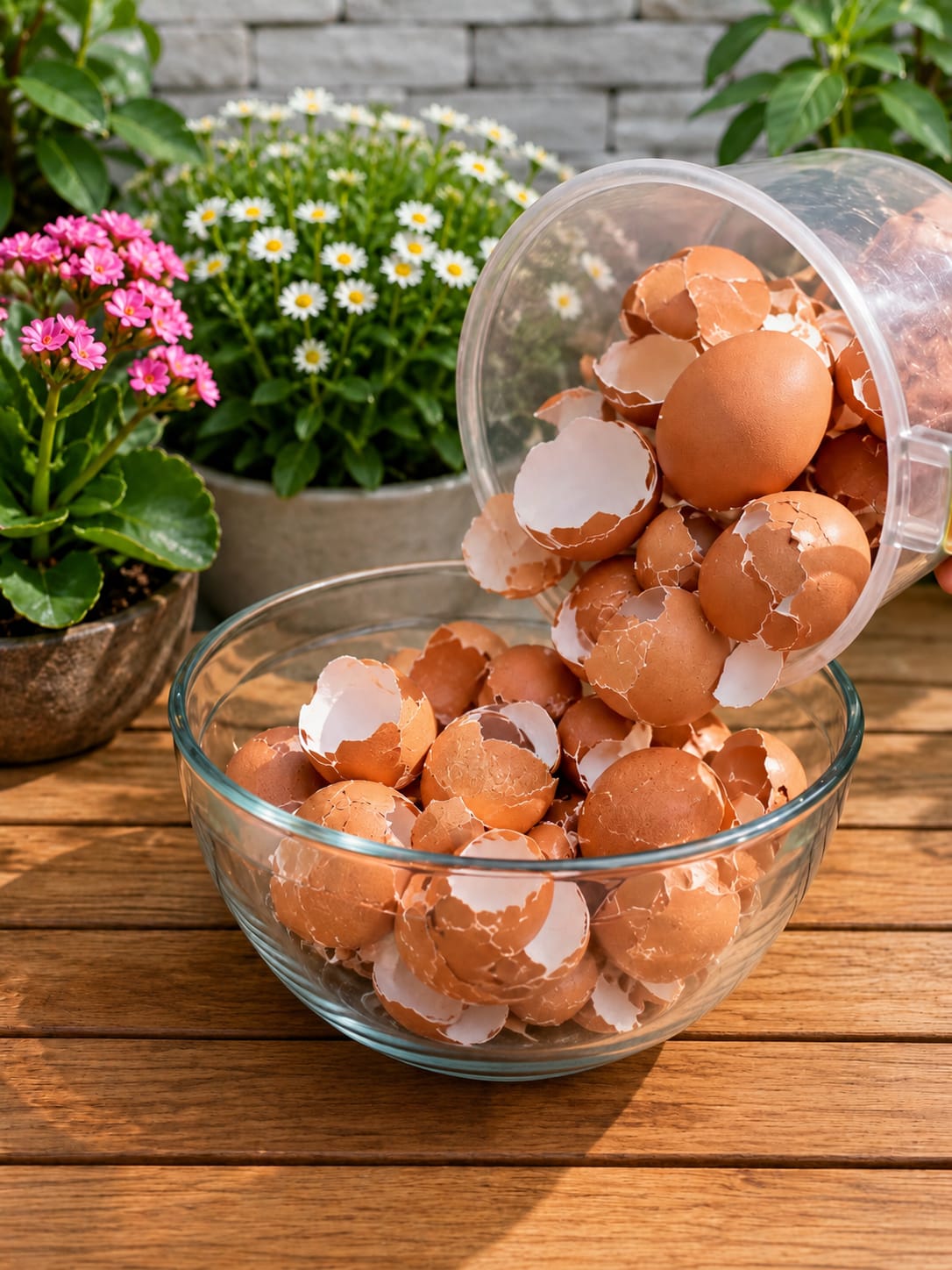
How to Style Flowering Plants After Feeding
After using a gentle plant support routine, the next step is presentation. Flowering plants look best when they are clean, balanced, and placed where their colors can shine.
For a more elegant display:
- Remove faded flowers.
- Trim yellow leaves.
- Wipe dusty foliage.
- Use matching pots for a calm look.
- Place bright blooms near neutral walls.
- Use plant stands to create height.
- Group plants in odd numbers, such as three or five.
Pink, purple, red, and yellow flowers look especially beautiful near wood, terracotta, white ceramic, and natural baskets. A small flowering corner can make a balcony or window area feel full of life.
Simple Care Routine for Tired Plants
If a plant looks weak, do not immediately reach for fertilizer. First, check the roots, soil, light, and watering. A tired plant often needs correction, not extra feeding.
Use this checklist:
- Check if the soil is too wet or too dry.
- Make sure the pot has drainage holes.
- Remove yellow or dead leaves.
- Look for pests under the leaves.
- Move the plant to brighter indirect light if needed.
- Water correctly for the plant type.
- Use diluted eggshell calcium water only after the plant is stable.
This approach is safer than spraying or feeding a stressed plant immediately.
Can Eggshell Vinegar Water Save a Dead Plant?
No homemade calcium water can truly revive a dead plant. If roots are dead, stems are dry, or the plant has completely collapsed, fertilizer will not bring it back. But if the plant is only weak, yellowing, or slightly stressed, better care may help it recover.
For weak plants, focus on:
- Correct watering
- Good light
- Healthy roots
- Clean leaves
- Fresh airy soil
- Gentle feeding only when needed
The eggshell trick is a support method. It works best as part of a full care routine.
Eggshell Vinegar Water Care Table
| Step | Best Method | Why It Matters |
|---|---|---|
| Eggshells | Wash, dry, and crush | Clean shells reduce smell and pests |
| Vinegar | Use plain white vinegar | Helps break down calcium carbonate |
| Resting time | About 3 days | Allows the reaction to develop |
| Jar cover | Cover loosely | Prevents pressure buildup |
| Dilution | 1 tablespoon per 1 liter water | Protects roots and leaves from stress |
| Use | Apply occasionally | Avoids mineral buildup |
| Best plants | Flowering and container plants | Supports calcium needs gently |
Frequently Asked Questions
Can I use eggshells directly in soil?
Yes, but they break down slowly. Crushed eggshells can improve soil over time, but they do not release calcium quickly. The vinegar method is used to create a faster liquid form.
Is vinegar safe for plants?
Pure vinegar is not safe for plants and can damage roots or leaves. In this trick, vinegar must be reacted with eggshells and then diluted heavily before use.
How much should I use?
Start with about 1 tablespoon of the finished liquid mixed into 1 liter of water. For sensitive plants, make it even weaker.
Can I spray it on yellow leaves?
You can test a very diluted spray on a small area, but soil application is usually safer. Yellow leaves can have many causes, so always check watering, roots, and light first.
How often should I apply it?
Use it occasionally, about once every month during active growth. Do not use it daily or weekly unless you know the plant specifically needs it.
Can this replace fertilizer?
No. Eggshell calcium water is not a complete fertilizer. It mainly supports calcium. Plants also need other nutrients, good soil, proper watering, and enough light.
Can I use it for indoor plants?
Yes, but use a very weak dilution and apply only occasionally. Indoor pots are smaller and can build up minerals faster than outdoor soil.
Final Thoughts
The eggshell and vinegar trick is a smart way to reuse kitchen waste and turn it into a gentle plant-care support. Eggshells contain calcium, and vinegar helps break them down into a liquid form that can be diluted and used around plants. When prepared carefully, this homemade calcium water can support flowering plants, balcony gardens, and tired container plants.
The most important rule is to use it safely. Never pour pure vinegar on plants. Never use the mixture without dilution. Do not overuse it. A small amount used occasionally is much better than a strong solution used too often.
This trick works best when combined with the basics: healthy soil, proper drainage, correct watering, enough light, and regular cleaning. For a beautiful garden display, remove old leaves, trim faded flowers, group plants in attractive pots, and keep your plant-care tools organized. The result is not only healthier growth, but also a fresher and more elegant plant corner.
With patience and careful use, leftover eggshells can become more than kitchen waste. They can become a simple homemade garden helper that supports stronger plants, brighter flowers, and a cleaner, more beautiful indoor or balcony garden.