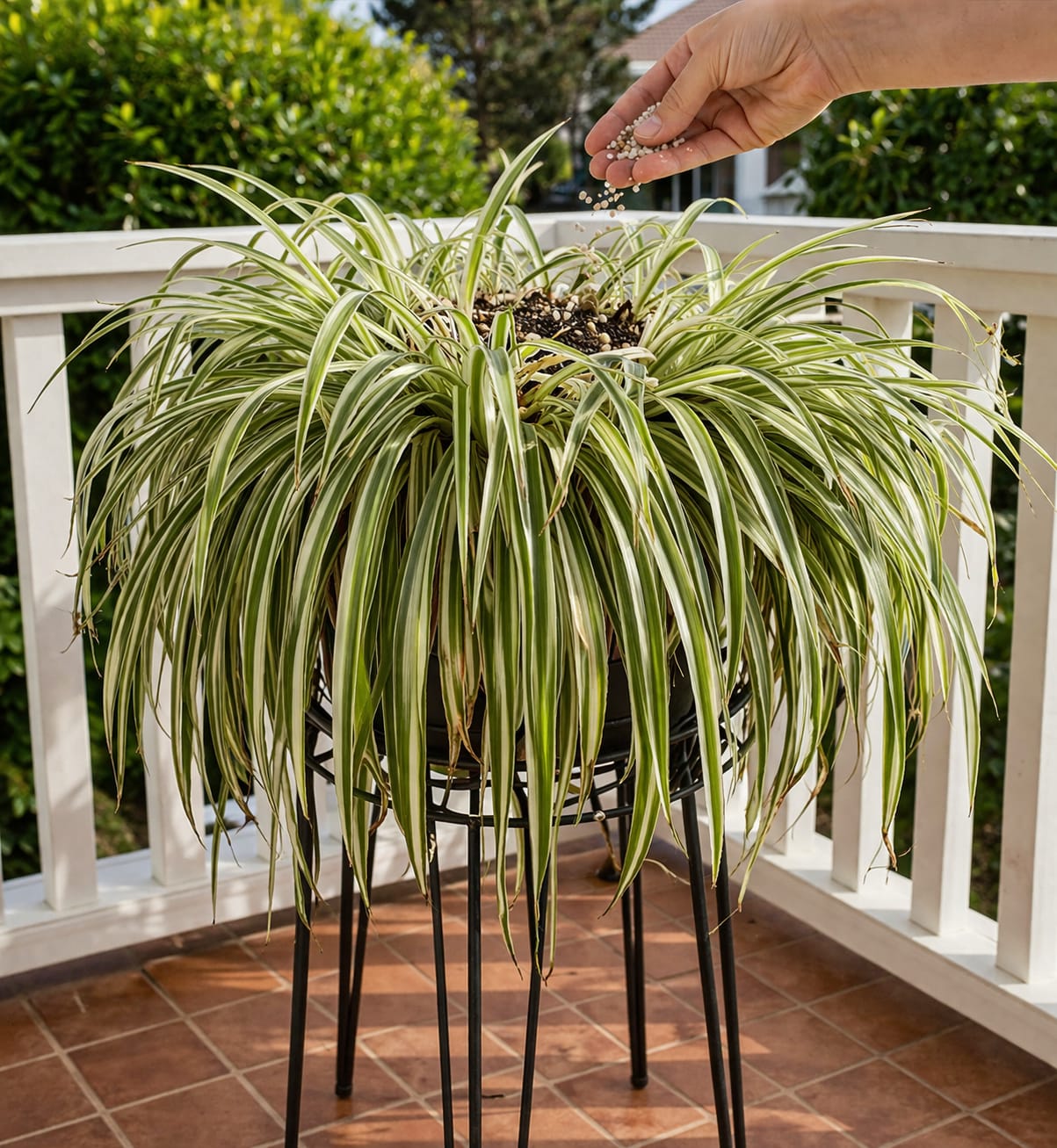
🌱 6. Feed Occasionally – Nutrients Matter
Spider plants are not heavy feeders, but they do need nutrients to produce lush, bushy growth.
Fertilizer Schedule:
Season Frequency Type
Spring & Summer Once every 4–6 weeks Balanced liquid houseplant fertilizer (10-10-10) diluted to half strength
Fall & Winter Do not fertilize Plant is resting
Signs Your Plant Needs Fertilizer:
· Pale, yellow-green leaves
· Very slow growth despite good light
· No spiderettes for over a year
Pro tip: Never fertilize a dry plant – water first to prevent root burn. If you see salt buildup (white crust on soil surface), flush the soil with clean water.
⚠️ Common Mistakes to Avoid
Mistake Why It’s Harmful Correct Approach
Too little light Leads to leggy, thin growth Place in bright, indirect light
Overwatering Causes root rot, yellow leaves Let soil dry between waterings
Never pruning Old leaves block light and drain energy Prune annually in spring
Cutting off spiderettes too early Makes plant look smaller Leave them attached for fullness
Ignoring root crowding Stunts growth Repot every 2–3 years
Using tap water with fluoride Causes brown leaf tips Use filtered or distilled water
🌿 What You’ll Notice After Applying These Tips
Once you start implementing these changes, the transformation happens faster than you’d think.
Timeframe What to Expect
1–2 weeks New leaves begin emerging from the center. Leaves look greener and perkier.
3–4 weeks The plant looks noticeably fuller. Spiderettes may appear.
2–3 months A dramatic transformation – cascading leaves, abundant babies, rich green color.
Consistency is key. Stick with the routine, and your spider plant will reward you.
Frequently Asked Questions (FAQs)
Q: How do I make my spider plant grow more babies (spiderettes)?
Spiderettes are triggered by a combination of bright light, being slightly root‑bound, and maturity. If your plant is mature (over a year old) and getting bright indirect light but still no babies, try moving it to a brighter spot or giving it a little stress (slightly less water). Sometimes a period of cooler nights (55–60°F) also triggers blooming and babies.
Q: Can I put multiple spider plants in one pot to make it look fuller?
Yes! This is an excellent trick. Plant 3–4 small spider plants (or rooted spiderettes) together in a single pot. They’ll grow into a lush, dense cluster much faster than waiting for one plant to fill out.
Q: Why are the tips of my spider plant leaves turning brown?
Most common causes: fluoride in tap water, low humidity, or inconsistent watering. Use filtered or distilled water. Increase humidity with a pebble tray or misting. Trim brown tips with clean scissors.
Q: Should I cut off the brown tips?
Yes – for aesthetics. Snip just the brown part, following the natural point of the leaf. Avoid cutting into the green tissue, which will leave a brown edge.
Q: How often should I water my spider plant in winter?
Much less often – about once every 2–3 weeks, or when the soil is completely dry. Overwatering in winter is a common cause of root rot.
Q: Can I grow spider plants in water?
Yes, spider plants root easily in water. However, they won’t grow as large or produce spiderettes in water long‑term. Water‑grown plants are best for propagation, not permanent growing.
Q: Is my spider plant getting too much sun?
If the leaves are pale, bleached, or have brown, crispy patches, it’s getting too much direct sun. Move it back from the window or use sheer curtains. Bright indirect light is best.
Q: How do I make my spider plant grow faster?
More light, proper watering, and occasional fertilizer are the three keys. A grow light can dramatically speed up growth, especially in winter.
Final Thoughts – A Bushy Spider Plant Is Within Reach
A bushy, full, cascading spider plant isn’t about a secret trick or a magic potion. It’s about consistent care and small adjustments:
· Bright, indirect light – the #1 factor
· Regular pruning – remove old leaves to encourage new growth
· Let spiderettes grow – they add visual volume
· Repot when root‑bound – but not too often
· Proper watering – not too much, not too little
· Occasional feeding – during growing season
Once you apply these tips, the difference is noticeable in just a few weeks. The leaves become greener, fuller, and more numerous. The plant spreads outward. Spiderettes appear, cascading over the sides of the pot. And suddenly, your spider plant transforms into one of the most beautiful, eye‑catching houseplants in your home.
So don’t give up on that thin, stringy spider plant. Give it the light it craves, a little trim, and some patience. It will reward you.
Now it’s your turn! Have you struggled with a thin spider plant? What tip made the biggest difference for you? Drop a comment below – I’d love to hear your experience.
And if you found this guide helpful, share it with a friend who has a sad, leggy spider plant. Pin it for later, and subscribe to our newsletter for more plant care tips and tricks.
Stay green, stay patient, and watch your spider plant thrive. 🌿✨
More Ideas You Might Like
-
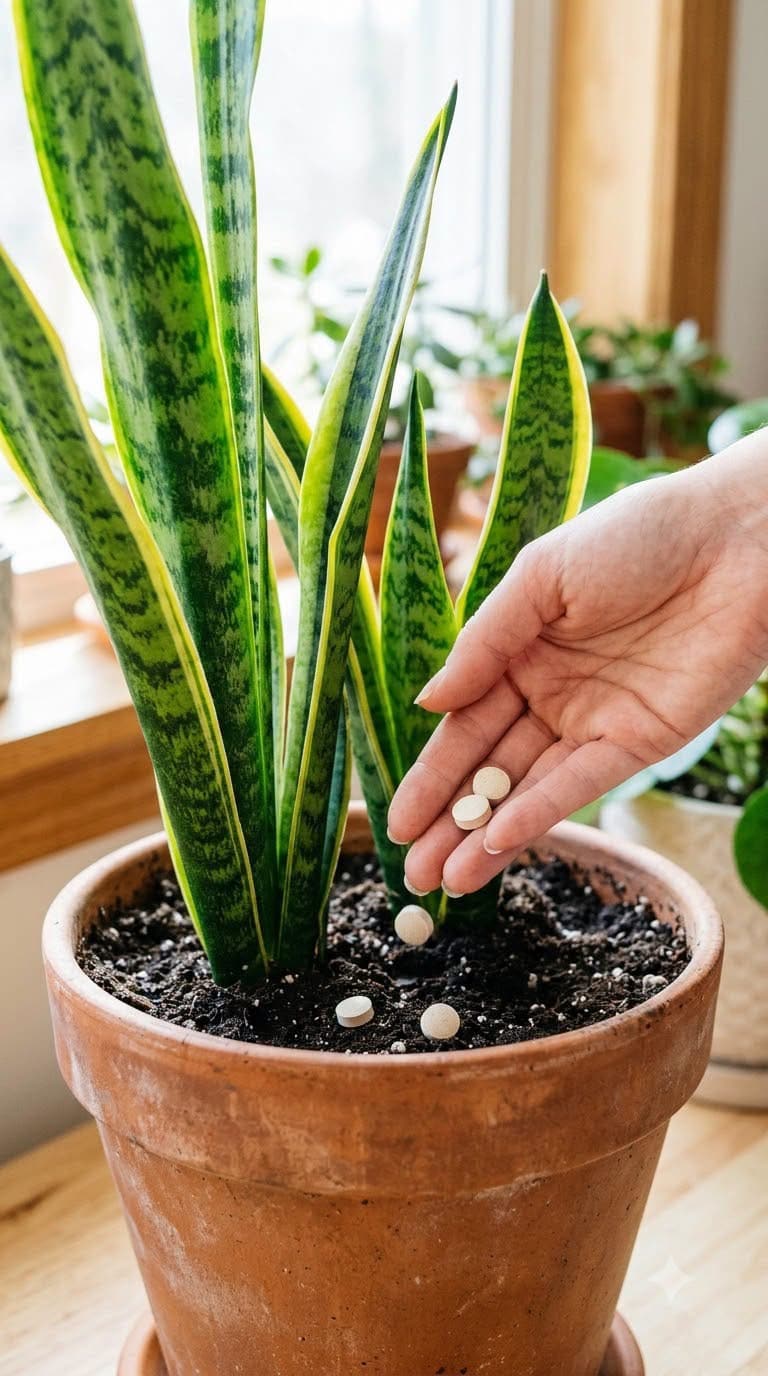
How to Use Slow-Release Fertilizer Tablets for Snake Plants Without Overfeeding
Snake plants are known for being low-maintenance houseplants, but that does not mean they never need nutrients. A small amount of fertilizer during their active growing season can support steady new growth and help leaves keep their deep green color and strong upright form. The image shows small fertilizer tablets being placed on the soil…
-
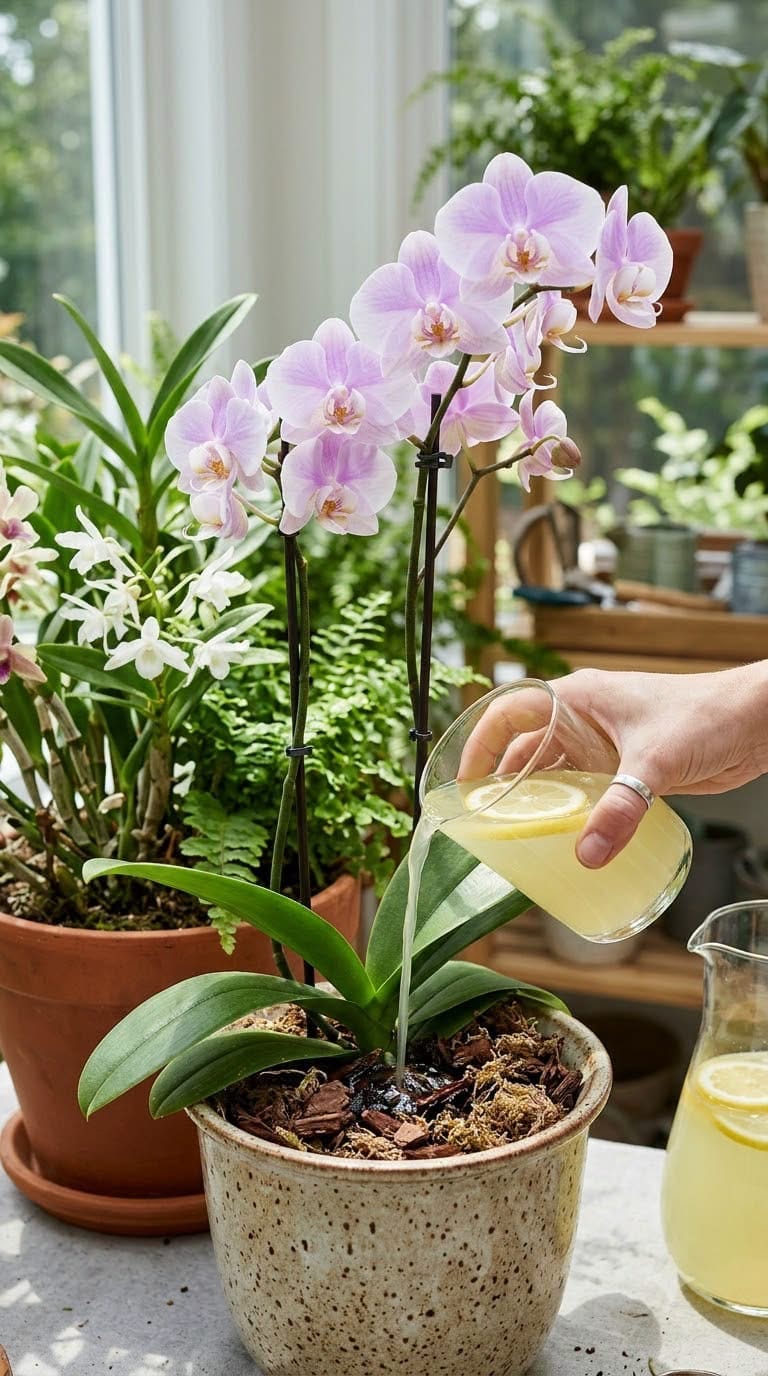
Orchid Care for Healthy Roots, Lasting Blooms, and Beautiful Indoor Displays
Orchids are elegant houseplants that can bring a refined, peaceful look to almost any room. Their long-lasting flowers, glossy leaves, and sculptural stems make them especially beautiful on bright tables, windowsills, kitchen counters, and living-room shelves. A healthy orchid does not need lemon water, sugary drinks, or homemade kitchen mixtures to bloom. Although lemon water…
-
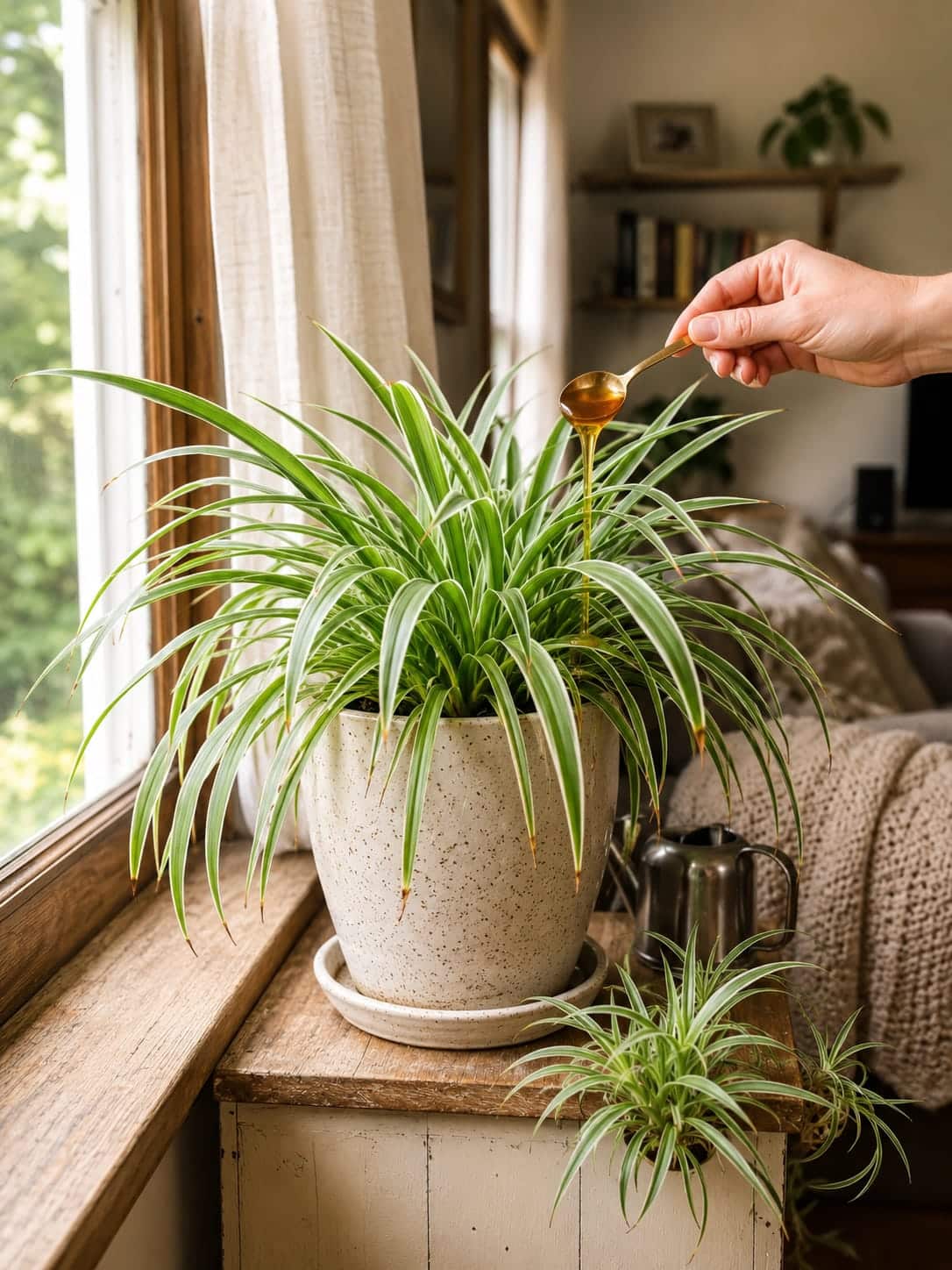
Spider Plant Care: The Safe Way to Grow a Fuller, Healthier Houseplant
Spider plants are loved for their long striped leaves, easy-going nature, and charming baby plants that spill over the sides of the pot. They look beautiful on a bright windowsill, shelf, hanging basket, or small table, and they can quickly make a room feel fresher and more inviting. The image may suggest adding honey to…