Common Mistakes
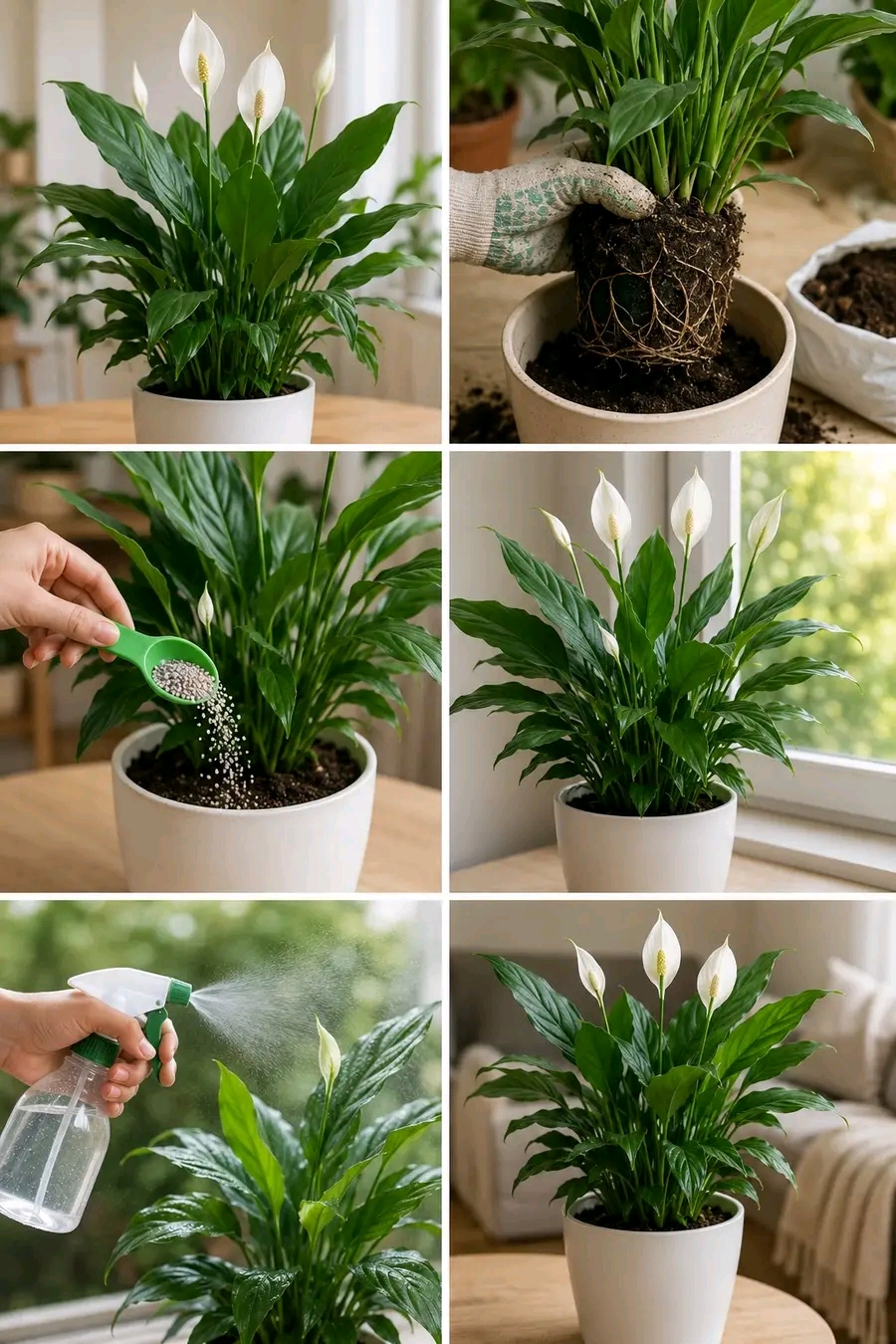
One common mistake is placing granules directly against the crown. The center of the peace lily should remain clear. Another mistake is using too much fertilizer because the plant has flowers. Peace lily blooms do not mean the plant needs heavy feeding. Gentle feeding is better.
Another mistake is misting too often. Repeated misting can leave leaves wet, create mineral spots, and encourage fungal problems if airflow is poor. Peace lily likes humidity, but that does not mean the leaves should stay wet all day. A humidifier or balanced room humidity is safer than constant spraying.
Using a pot without drainage is also a serious mistake. Peace lily likes moisture, but standing water damages roots. A decorative pot must be managed carefully. If water cannot escape, the plant may decline even if the top looks beautiful.
What to Do If Too Many Granules Were Added
If too many granules were added, the excess should be removed from the soil surface. A small spoon or hand trowel can help lift them away. Granules should not be watered heavily into the root zone if the amount is already too high. The plant should be protected from fertilizer burn.
If the granules were fertilizer and the plant begins showing brown tips, yellowing, or stress, the soil may need to be flushed with clean water if the pot drains well. Extra water should drain completely. If the pot does not drain, the plant may need to be repotted into a safer container.
If the granules are unknown, removing them is the safest option. Unknown amendments should not remain around a peace lily crown. The top layer of soil can be refreshed if needed. A clean, known potting mix is safer than guessing.
Repotting After Problems
Repotting may be needed if the plant develops sour soil, root rot, heavy fertilizer buildup, or a wet crown. The plant should be removed carefully, and the roots should be inspected. Rotten roots should be trimmed with clean scissors. Old soil that smells bad or contains too much fertilizer should be discarded.
The plant should be placed into a fresh, breathable potting mix with improved drainage. The crown should sit above the soil surface. The plant should be watered carefully and allowed to drain. Fertilizer should be paused until the plant stabilizes. A stressed plant needs recovery time before feeding.
After repotting again, the peace lily should be kept in bright indirect light with moderate humidity. It may droop for a short period, but it should begin to recover when the roots are healthy. Avoid repeated treatments while it adjusts. Simple care is best.
How to Keep Peace Lily Blooming
Peace lily blooms best when the plant receives bright indirect light, stable moisture, healthy roots, and gentle feeding. If the plant is mature and healthy but not blooming, light should be improved before increasing fertilizer. A bright window with filtered light or a grow light can make a major difference.
Old flowers should be removed when they fade, turn green, brown, or dry. The flower stem can be cut near the base with clean scissors. This keeps the plant looking fresh and allows energy to support new growth. Removing old blooms does not force instant new flowers, but it improves the display.
Blooms may come and go naturally. A peace lily does not need to be in flower every week to be healthy. Glossy leaves and strong roots are also signs of success. The goal is a healthy plant that can bloom repeatedly over time, not a plant pushed too hard with fertilizer.
Leaf Cleaning and Presentation
Peace lily leaves should be kept clean because dust can dull their natural shine. A soft damp cloth can be used to wipe the leaves gently. This keeps the plant looking polished and helps it receive light more efficiently. White spathes should be handled carefully because they can bruise or mark more easily than leaves.
If misting leaves water spots, wiping may be a better option. Hard water can leave mineral marks on glossy foliage. Filtered water may reduce spots if misting is used. However, the plant does not need to look wet to be healthy. Clean, dry, glossy leaves usually look more premium.
A peace lily displayed in a white planter should have a tidy soil surface. Granules should be neat and not piled heavily. Fallen leaves and faded blooms should be removed. A clean display makes the plant suitable for living rooms, bedrooms, offices, and property staging.
Indoor Decor Value
Peace lily has strong indoor decor value because it combines lush green foliage with soft white blooms. The plant can make a space feel calm, fresh, and refined. It works well with neutral decor, wood furniture, light curtains, stone surfaces, and minimalist interiors. A white pot enhances the clean look and makes the white spathes feel more intentional.
The plant can be placed on tables, plant stands, near windows, beside sofas, or in bright bedroom corners. It adds softness without looking wild or messy. Its upright blooms and broad leaves create a balanced shape that suits both modern and classic rooms.
The decorative value depends on health and cleanliness. Drooping leaves, brown tips, moldy soil, or fertilizer granules piled around the crown reduce the premium effect. A beautiful peace lily display needs healthy roots, clean leaves, and a tidy pot surface.
Room-by-Room Styling
In the living room, peace lily can sit on a side table, console, plant stand, or near a bright window. Its white blooms can soften the room and make the space feel more polished. A white or stone-effect planter works especially well with neutral furniture and natural textures.
In the bedroom, peace lily creates a peaceful green accent. It should receive enough indirect light if blooms are desired. The pot should remain clean and odor-free. Misting should be light or avoided if the room has poor airflow. A bedroom plant should look calm, not damp or messy.
In a home office, peace lily can improve the background and make the workspace feel fresher. It should be placed where it receives bright indirect light and where watering can be done safely without damaging furniture. Clean leaves are especially important for a professional-looking workspace.
In an entryway, peace lily can create a welcoming first impression if the space is bright enough. If the entryway is too dark, the plant may survive but bloom less. A grow light or rotation to a brighter room can help maintain the display.
Office and Commercial Styling
Peace lily is widely used in commercial interior landscaping because it offers both foliage and white blooms. It works well in reception areas, office corners, waiting rooms, wellness spaces, hotel-style interiors, boutique displays, and property presentation setups. Its calm appearance makes it suitable for professional environments.
For commercial spaces, care methods should be clean and predictable. Fertilizer granules should not be visible in messy piles. Misting should not leave water on floors, furniture, or windows. The plant should look polished and easy to maintain. A clean white pot can create a premium look when the plant is healthy.
A peace lily display in a professional space should be checked regularly for faded blooms, dust, brown tips, and soil moisture. The goal is quiet elegance. Simple, consistent care creates a better impression than dramatic treatments or overfeeding.
Product and Tool Guide
Helpful materials for peace lily care include a pot with drainage holes, high-quality indoor potting mix, perlite, orchid bark, a small hand trowel, clean pruning scissors, a narrow-spout watering can, a soft cloth for leaf cleaning, a moisture meter, a diluted balanced houseplant fertilizer, and a decorative ceramic planter. A humidifier can help in dry rooms, and a grow light can support blooming in darker spaces.
If granules are used, a measuring spoon helps control the amount. The product should be clearly identified before application. If it is fertilizer, label directions should be followed. If it is a soil amendment, it should be used lightly and should not block drainage. Unknown granules should not be added to the plant.
A spray bottle can be used for light misting, but it should not become the main care tool. Proper watering, root health, and humidity control matter more. A soft cloth may be better for keeping leaves clean. The best tools are the ones that keep the plant healthy and the display tidy.
Care Timeline After Repotting
During the first 24 hours after repotting, the plant should be placed in bright indirect light and watered only if needed. The crown should be checked to make sure it is not buried. Any granules should be away from the base of the stems. The plant should not be fertilized heavily during this adjustment period.
During the first week, the plant should be watched for drooping, yellow leaves, sour smell, mold, or soil that stays wet too long. Some mild drooping can happen after repotting, but it should not worsen. The plant should not be moved repeatedly. Stability helps recovery.
After two to four weeks, a healthy peace lily should begin settling into the new pot. Leaves should look firm and glossy. Old blooms may fade naturally, but new growth should remain healthy. After one to two months, improved light and gentle care may support stronger blooming. Long-term success comes from balanced moisture, healthy roots, and steady light.
Professional Styling Note
In high-end indoor horticulture, peace lily is valued because it offers lush foliage and soft white blooms in a calm, elegant form. It works well in luxury interior styling, modern apartment decor, premium office design, wellness spaces, hotel-style rooms, and polished property presentation. Its simple green and white color palette makes it easy to style.
However, the plant only looks premium when it is clean and healthy. Wet leaves, crowded crowns, fertilizer piles, brown tips, and messy soil reduce the refined effect. Repotting, granules, and misting should all support the display without creating visible clutter or plant stress.
A beautiful peace lily display depends on healthy roots, clean leaves, bright indirect light, controlled moisture, and a planter that matches the room. Simple care creates a more luxurious result than overcomplicated treatments. The best plant styling is always built on plant health.
Final Thoughts
Repotting a peace lily can support stronger roots, cleaner leaves, and better blooming when it is done carefully. The plant should be placed in a pot with drainage holes, a breathable moisture-retentive soil mix, and bright indirect light. The crown should stay clean and above the soil surface. Watering should be steady but not excessive.
Soil granules can be useful only when they are known, safe, and applied in the right amount. Fertilizer granules should be used lightly and according to label directions. Unknown granules should be avoided. Misting can help in dry conditions, but it should be light, controlled, and paired with good airflow. A humidifier or leaf wiping may be safer than frequent spraying.
With clean care and the right presentation, peace lily can remain a beautiful accent for living rooms, bedrooms, home offices, entryways, modern apartments, commercial interior landscaping, luxury home staging, premium ceramic planters, and polished property presentation. Healthy roots, glossy leaves, white blooms, and a tidy pot will always create a stronger display than heavy fertilizer, wet crowns, or overcomplicated plant-care tricks.