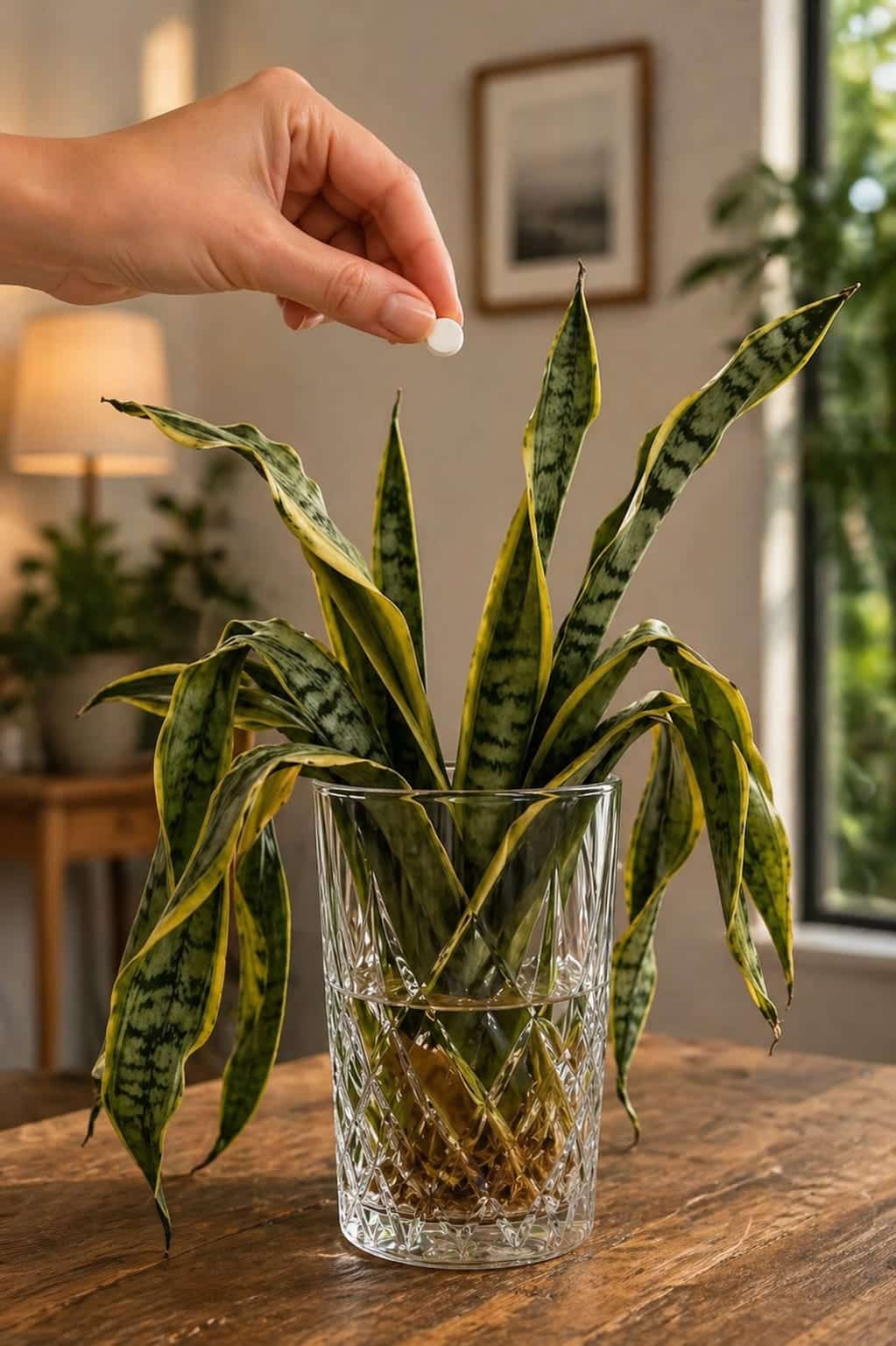
Can Snake Plants Grow in Water? (And Should You Try It?)
Yes, snake plants can be grown in water, but it requires care. This method is often called “water culture” or “hydroponic” growing. It is not the plant’s natural preference, but it can work if you follow these guidelines.
Pros of water culture:
· You can see the roots.
· Less risk of soil‑borne pests.
· Easy to monitor moisture.
Cons of water culture:
· Roots need oxygen; stagnant water causes rot.
· Nutrient levels must be carefully managed.
· The plant grows more slowly than in soil.
· Winter temperatures can chill the roots.
How to grow a snake plant in water correctly:
- Use a clean glass or jar.
- Cut away any rotten roots before placing in water.
- Use filtered or distilled water (tap water may contain chlorine or fluoride).
- Change the water every 3–5 days to prevent stagnation.
- Add a very diluted liquid fertilizer (quarter strength) once a month during spring and summer.
- Place in bright indirect light.
Do not drop random tablets into the water. Use a proper hydroponic fertilizer if you want to feed the plant. Even then, snake plants in water need very few nutrients.
If you prefer a low‑maintenance approach, stick with well‑draining soil. It is much more forgiving.
What Actually Works Better Than Any Tablet (Real Snake Plant Care)
If you want a healthy, strong snake plant, focus on these fundamentals. They are the real “secret trick” that experienced growers use.
🌿 Use Well‑Draining Soil
Snake plants cannot tolerate soggy soil. Use a cactus or succulent potting mix. If you only have regular potting soil, mix it with 30% perlite or coarse sand.
💧 Water Less, Not More
Let the soil dry completely between waterings. In most homes, this means watering every 2–4 weeks in spring/summer, and once a month or less in winter. When you water, do it thoroughly until it runs from the drainage holes. Empty the saucer.
☀️ Give Bright Indirect Light
Snake plants survive in low light, but they thrive in bright indirect light. An east‑facing window or a south/west window with a sheer curtain is ideal. More light = stronger growth and more pups (babies).
🪴 Choose the Right Pot Size
A pot that is too large holds excess moisture, leading to rot. Choose a pot only 1–2 inches larger than the root ball. Terra cotta pots are excellent because they wick away moisture.
🌱 Feed Lightly (Only During Active Growth)
Snake plants are not heavy feeders. Use a balanced, water‑soluble fertilizer (like 10‑10‑10) diluted to half strength. Apply once in spring and once in summer. Do not fertilize in fall and winter.
🧼 Keep Leaves Clean
Dust on leaves blocks light. Wipe them gently with a damp cloth every few weeks.
The Real “Secret Trick” (No Gimmicks)
Here it is — the truth that viral videos rarely share:
👉 Snake plants recover when roots are healthy.
👉 Roots are healthy when water and soil are controlled.
That is it. No tablet required.
If your snake plant looks weak:
- Check the roots. Trim any brown, mushy, or hollow roots.
- Repot in fresh, well‑draining soil.
- Water correctly (dry between waterings).
- Move to a brighter spot.
- Be patient.
Within a few weeks, you will see new growth. No mystery pills, no expensive products. Just good care.
Frequently Asked Questions (Snake Plant Tablets and Water Culture)
Can I use aspirin in snake plant water?
Aspirin is not recommended. It can lower water pH and may harm roots. There is no evidence it benefits snake plants.
What is the best fertilizer for snake plants in water?
Use a diluted liquid fertilizer formulated for hydroponics or a balanced houseplant fertilizer at quarter strength. Apply once a month during spring and summer.
How do I know if my snake plant has root rot?
Signs: soft, mushy leaves; a foul smell from the soil or water; roots that are brown, black, or hollow. If you see these, remove the plant, trim all rotten roots, and repot in fresh, dry soil.
Can I save a snake plant that has been overwatered?
Yes, if caught early. Remove the plant from its pot, trim rotten roots, and let the remaining roots dry for 1–2 days. Repot in fresh, dry cactus mix. Do not water for a week.
Is it safe to put vitamins in plant water?
No. Human vitamins are not formulated for plants and can cause root burn or bacterial growth. Use plant‑specific products.
How often should I change the water if I grow my snake plant in water?
Every 3–5 days. Stagnant water lacks oxygen and promotes rot. Use filtered or distilled water.
Why are my snake plant leaves turning yellow?
Usually overwatering. Check the soil. If it is wet, let it dry out completely. Also, too much direct sun can cause yellowing; move to bright indirect light.
Can I use a fish tank tablet or water conditioner?
No. Those are designed for aquariums, not plants. They may contain chemicals that harm roots.
A Simple Snake Plant Care Routine for Long‑Term Health
Use this weekly and seasonal plan to keep your snake plant thriving without any gimmicks.
Weekly
· Check soil moisture. Water only if completely dry.
· Wipe leaves with a damp cloth.
· Rotate the pot for even light.
Monthly
· Inspect for pests (mealybugs, spider mites).
· Remove any dead or yellow leaves.
· Flush the soil with plain water (if in soil) to prevent salt buildup.
Spring & Summer (Active Growth)
· Bright indirect light (10–12 hours).
· Water every 2–4 weeks (when dry).
· Feed once in spring and once in summer with half‑strength succulent fertilizer.
· Watch for new pups.
Fall & Winter (Resting Period)
· Still bright light, but days are shorter – consider a grow light.
· Water once a month or less.
· Stop fertilizing.
· Keep away from cold drafts (below 50°F / 10°C).
Annually
· Refresh the top inch of soil with fresh cactus mix.
· Repot every 2–3 years if roots are crowded or soil is compacted.
· When repotting, check rhizomes for rot.
The Bottom Line: Tablets Are a Distraction, Not a Solution
That viral line is catchy: “99% of snake plant owners haven’t seen this trick.” But the truth is: 99% of snake plant problems come from overwatering and poor soil, not lack of tablets.
If your snake plant looks weak, do not reach for a pill. Fix the roots, fix the watering, fix the environment. That is the real secret to a strong, healthy, long‑lived snake plant. No magic tablets, no risky hacks — just good, consistent care.
So the next time you see a video of someone dropping a tablet into a snake plant’s water, remember: the plant likely just needed water and clean conditions. Give your plant what it actually needs, and it will reward you with years of upright, glossy, architectural beauty — no drops or pills required.
Have you ever tried a tablet in your snake plant’s water? Share your experience in the comments below. And if you found this guide helpful, save it for later or send it to a friend who needs real snake plant care advice.
This article is for informational purposes only. Always research any product before applying it to your plants. When in doubt, stick to proven care methods: light, water, and soil.