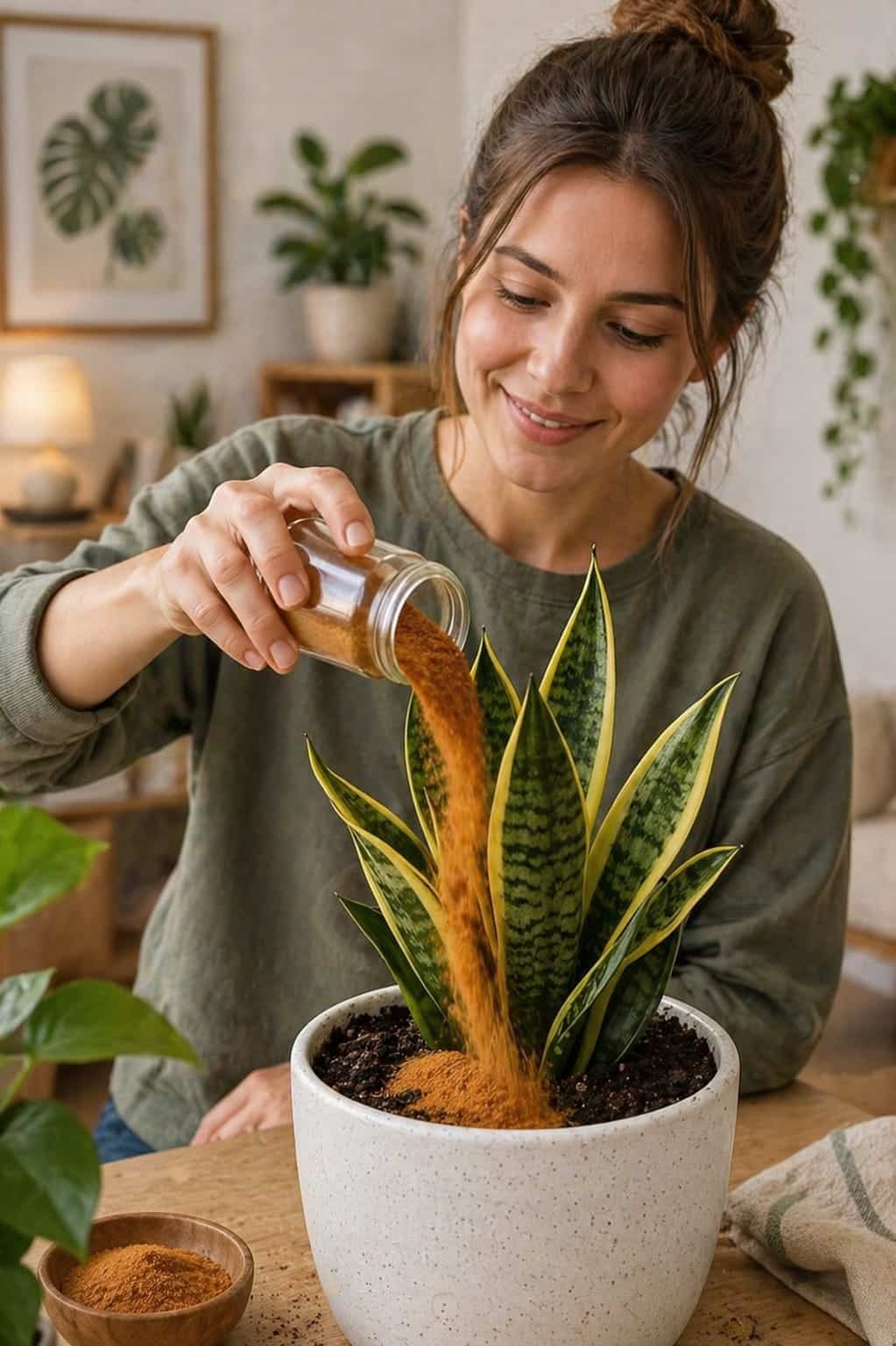
Snake plants are some of the most popular indoor plants in the world, and it is easy to understand why. They are bold, stylish, low-maintenance, and almost impossible not to notice. Their upright sword-shaped leaves bring structure to a room, their patterns look modern and decorative, and their ability to survive in different indoor conditions makes them a favorite for beginners and experienced plant lovers alike.
But there is one thing many snake plant owners secretly want.
They do not just want one plant sitting quietly in a pot.
They want babies.
Those small new shoots, often called pups, are what make a snake plant look fuller, more expensive, and more impressive over time. When a snake plant starts producing babies, it feels like proof that the plant is happy. The pot begins to fill out, the leaves multiply, and the plant slowly transforms from a simple houseplant into a striking showpiece.
But what happens when your snake plant refuses to make babies?
You water it carefully. You place it near a window. You wait for weeks, then months. The main leaves stay alive, but nothing new appears from the soil. No pups. No fresh shoots. No signs of the plant expanding.
This is where many plant owners start looking for gentle tricks that may encourage growth. Recently, one method has been getting attention online: adding a small amount of cinnamon powder around the soil of a snake plant.
The idea is simple. A little cinnamon. A careful sprinkle. A healthier-looking plant. And, according to many plant lovers, a better chance of seeing new baby shoots appear.
This method looks simple, natural, and easy enough for anyone to try. But the reason it has become popular is deeper than the powder itself. It speaks to a common plant owner frustration: a snake plant that survives but does not multiply.
If your snake plant is not making babies, this guide will walk you through the gentle cinnamon method, why people use it, how it fits into a better care routine, and what else your snake plant needs if you want it to become fuller, stronger, and more beautiful.
Why Snake Plants Are Loved So Much
Snake plants, also known as Sansevieria or Dracaena trifasciata, are famous for their upright leaves and easy care. They are often recommended to beginners because they can tolerate neglect better than many other houseplants.
They do not need constant watering.
They can handle average indoor humidity.
They can survive in lower light.
They do not need frequent repotting.
They look stylish in almost any room.
This combination makes them perfect for modern homes, apartments, offices, bedrooms, hallways, and minimalist interiors.
Snake plants also have a strong architectural look. Unlike trailing plants or soft leafy plants, snake plants stand tall and vertical. This makes them ideal for corners, entryways, desks, plant stands, and decorative pots. Their leaf patterns add texture without looking messy.
But while snake plants are easy to keep alive, getting them to grow quickly or produce pups can be a different story.
Many people own snake plants that stay almost exactly the same for months. The plant does not die, but it also does not seem to grow. This slow behavior is normal, but it can feel frustrating when you are hoping for a fuller pot.
What Are Snake Plant Babies?
Snake plant babies are small new shoots that grow from the underground root system, usually from rhizomes. These shoots push up through the soil near the mother plant and eventually grow into full leaves.
Plant owners often call them:
Pups
Babies
Offsets
New shoots
Side growth
When a snake plant makes babies, it is expanding naturally. Over time, these pups can fill the pot and create a dense, dramatic plant.
A snake plant with several pups looks much fuller than a single lonely cluster of leaves. This is why so many people want to encourage pup growth.
Baby snake plants are also useful because they can be separated and propagated. Once a pup has its own roots, it can be removed and planted in another pot. This gives you new plants for free.
But before a snake plant produces babies, it needs the right conditions.
Why Your Snake Plant Is Not Making Babies
A snake plant that is not producing pups is not necessarily unhealthy. Sometimes it is simply growing slowly. Snake plants are naturally slower than many tropical houseplants.
However, certain conditions can stop or delay baby production.
Common reasons include:
Not enough bright light
Too much water
Poor drainage
A pot that is too large
A pot that is too small and stressed
Weak roots
Cold temperatures
Low nutrients
Recent repotting shock
The plant is still young
The plant is focusing on root growth first
Many people think snake plants can grow anywhere because they tolerate low light. But tolerating low light is not the same as thriving in low light. A snake plant in a dark corner may survive for a long time, but it may not produce many babies.
If you want pups, the plant needs enough energy to grow.
This is where a better routine matters.
Why Cinnamon Became a Popular Snake Plant Trick
Cinnamon has become popular in plant care because it is easy to find, inexpensive, natural-looking, and visually satisfying to apply. It also has a long reputation in gardening videos as a gentle powder used around soil, cuttings, and plant bases.
In reels and short videos, cinnamon is often shown being sprinkled around the base of a plant with captions such as:
“Snake plant not making babies?”
“Try this gentle cinnamon method.”
“Watch what happens next.”
“New shoots are coming.”
The visual is powerful. A warm brown powder falls around the bold green leaves, creating a natural, earthy look. It feels like an old gardener’s secret, something simple that experienced plant lovers know but beginners have not discovered yet.
That is why people stop watching. The method looks easy, and the promise is exciting.
A snake plant that refuses to multiply is a common problem. A simple sprinkle of cinnamon feels like a possible solution.
What the Cinnamon Method Is Supposed to Do
The cinnamon method is usually presented as a gentle support routine for snake plants that are slow to produce pups. People use it because they believe it helps create a cleaner soil surface and supports the plant’s overall growing environment.
In short-form plant videos, cinnamon is often associated with:
Protecting the plant base
Supporting healthier soil conditions
Helping prevent unwanted fungal issues
Keeping the surface fresh
Encouraging stronger growth indirectly
Helping the plant focus on producing new shoots
The method is usually not shown as a heavy fertilizer. Instead, it is presented as a natural support step, something used lightly around the soil to help the plant feel more stable.
For people who prefer simple home-style plant routines, this makes cinnamon feel appealing. It is not a complicated chemical product. It is not expensive. It is not intimidating.
It is a familiar powder used in a new way.
The Gentle Cinnamon Method for Snake Plants
The method shown in plant videos is simple, but it should be done carefully.
Here is the basic routine:
Step 1: Check the soil first.
The soil should not be soaking wet. It is better if the top layer is slightly dry before applying anything.
Step 2: Take a small amount of cinnamon powder.
You only need a light sprinkle. A large amount is not necessary.
Step 3: Sprinkle around the soil surface.
Apply it around the base area, but avoid piling it directly against the leaves.
Step 4: Keep it light and even.
The goal is not to cover the entire pot with a thick layer. A gentle dusting is enough.
Step 5: Water carefully later if needed.
Do not immediately flood the pot. Snake plants prefer dry conditions between waterings.
Step 6: Place the plant in bright indirect light.
This is one of the most important steps if you want pups.
This method becomes most useful when it is part of a complete care routine. Cinnamon alone will not force a plant to make babies overnight, but it can become part of a gentle system that helps the plant look and grow better.
Why Small Amounts Matter
One of the biggest mistakes people make with viral plant tricks is using too much.
They see a dramatic video and assume that more powder means better results. But plants do not work that way.
With snake plants, less is usually better.
A small amount of cinnamon looks clean and controlled. A heavy layer can create buildup on the soil surface and may interfere with normal watering or airflow. Snake plants already prefer soil that breathes well, so the surface should not be clogged with too much powder.
The best approach is a light sprinkle, used occasionally, not daily.
Think of it as a gentle touch, not a main treatment.
The Real Key to Getting Snake Plant Babies
If your main goal is to get your snake plant to produce babies, the cinnamon method should be combined with the conditions that actually encourage growth.
The most important factors are:
Bright indirect light
Proper watering
A well-draining pot
A slightly snug pot
Warm temperatures
Healthy roots
Patience
Snake plants produce pups when they have enough energy and stability. A plant that is stressed, overwatered, or sitting in low light may stay alive, but it may not multiply.
That is why the best results come when you improve the whole setup.
Secret 1: Give Your Snake Plant More Light
This is one of the most overlooked secrets.
Snake plants are famous for surviving in low light, but if you want babies, give them brighter light.
A snake plant in a dim corner may remain unchanged for months. Move it to a brighter spot, and the plant may begin pushing new shoots once it has enough energy.
The best light is bright indirect light.
Good locations include:
Near an east-facing window
A few feet from a bright south-facing window
Near a balcony door with filtered light
In a bright room with natural daylight
Near a west-facing window with protection from harsh sun
Some gentle morning sun can be helpful. Harsh afternoon sun may burn leaves, especially if the plant is not used to it.
If your snake plant has not grown in a long time, improving light is often the first step.
Secret 2: Stop Watering Too Often
Snake plants store water in their thick leaves and underground structures. They do not need frequent watering. In fact, overwatering is one of the fastest ways to stop growth and damage the roots.
A snake plant that sits in wet soil may not produce babies because the roots are stressed.
The best watering rule is simple:
Let the soil dry out before watering again.
Depending on your home, this could mean watering every two weeks, every three weeks, or even less often in winter. The schedule depends on pot size, soil type, temperature, and light.
Before watering, check the soil. If it still feels damp, wait. If it feels dry several inches down, water thoroughly and let excess water drain.
A healthy dry-wet cycle supports stronger roots.
Secret 3: Use a Pot With Drainage
Drainage is essential for snake plants. A pot without drainage holes can trap water at the bottom, even if the surface looks dry.
This can quietly damage roots and prevent new pups from forming.
Always use a pot with drainage holes. If you love decorative pots, keep the snake plant in a plastic nursery pot inside the decorative container. After watering, let it drain fully before placing it back.
This one habit can prevent many snake plant problems.
A plant cannot focus on making babies if its roots are sitting in trapped water.
Continue to Page 2
Continue to page 2 for more details about this article and the key points many readers miss on the first page.