Can Anthuriums Grow Outdoors?
Anthuriums can grow outdoors in warm, humid, shaded climates. They need protection from direct harsh sun, cold weather, and heavy wind.
On patios or balconies, place them in bright shade or filtered light. Outdoor plants may dry faster, so check soil moisture more often.
Bring the plant indoors before cool temperatures arrive.
Indoor Decor Ideas
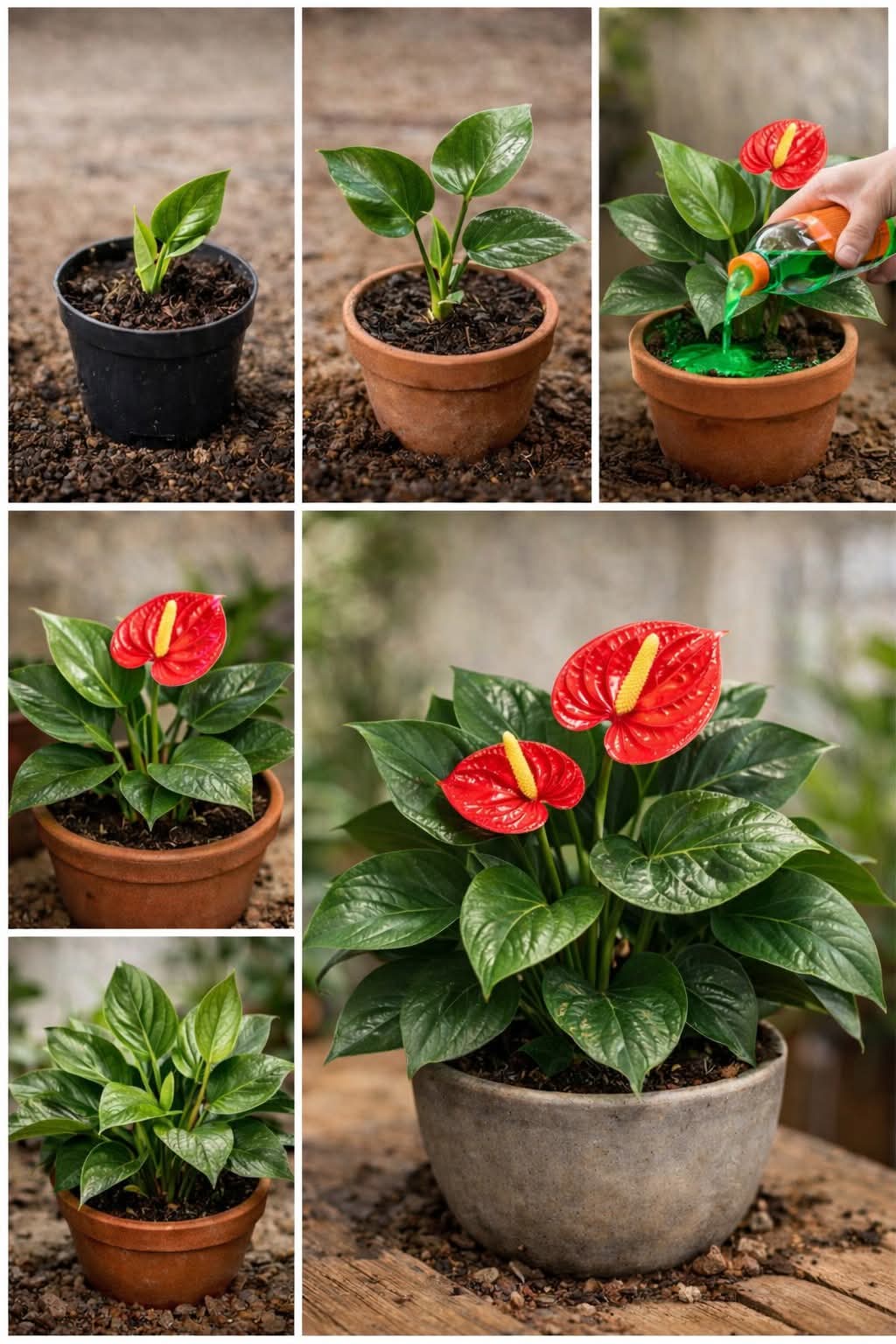
Anthuriums are excellent decor plants because their flowers are bold and long-lasting. The red blooms pair beautifully with green leaves, terracotta pots, stone planters, white ceramic containers, and natural wood furniture.
Try these styling ideas:
- Place a red anthurium in a neutral ceramic pot for a modern look.
- Use terracotta for a warm tropical style.
- Display it on a wooden side table near a bright window.
- Group it with peace lilies and pothos for a lush corner.
- Use a stone-textured pot for a luxury indoor garden feel.
- Place it in an entryway for a bright welcome display.
The red spathes create instant color, so simple decor works best.
Best Places to Display Anthuriums
Good indoor locations include bright living rooms, filtered windowsills, plant shelves, home offices, kitchens with natural light, and warm bathrooms with windows.
Avoid dark corners, cold drafts, and harsh direct sun. Anthuriums need brightness and stability to keep blooming well.
Place the plant where it can be seen easily. The glossy leaves and red blooms make it a natural focal point.
How to Style a Young Anthurium
A young anthurium may not bloom heavily at first. Use a simple pot and focus on leaf health. A terracotta or matte white pot can make even a small plant look polished.
As the plant grows, move it to a slightly larger pot and let it become fuller. Do not rush it with strong fertilizer. Young roots need gentle care.
With time, the plant can develop into a lush flowering display.
How to Style a Mature Anthurium
A mature anthurium with multiple blooms looks beautiful as a centerpiece. Place it in a sturdy decorative pot and surround it with simple textures like wood, stone, linen, or woven baskets.
Because the red flowers are bold, avoid overly busy decor around the plant. Let the plant be the main color.
A mature anthurium can transform a quiet corner into a tropical feature.
Common Mistakes With Green Liquid Tonics
Avoid these mistakes:
- Using strong fertilizer concentration
- Feeding every week
- Applying tonic to wet soil
- Using unknown green liquids
- Ignoring drainage
- Feeding a stressed plant
- Letting the plant sit in runoff
- Using sticky homemade mixtures
- Expecting fertilizer to replace light
A tonic should support good care, not replace it.
A Simple Anthurium Green Liquid Routine
Follow this safe routine:
- Keep the plant in bright indirect light.
- Use a chunky airy potting mix.
- Water when the top inch begins to dry.
- Use a pot with drainage holes.
- Apply diluted green liquid fertilizer once every 4 to 6 weeks during active growth.
- Use plain water between feedings.
- Stop feeding if leaves yellow or soil smells sour.
- Wipe leaves regularly.
- Remove old faded blooms.
This routine supports healthy roots, glossy leaves, and better flowering without overwhelming the plant.
Final Thoughts
The gentle green liquid trick for anthuriums can be useful when it is done safely. The liquid should be plant-safe, diluted, and used only occasionally during active growth. It should never be thick, sticky, sugary, or concentrated.
The real secret to a blooming anthurium is not the color of the liquid. It is the full care routine: bright indirect light, airy soil, careful watering, warmth, humidity, drainage, and gentle feeding. When those basics are right, the plant can grow glossy leaves and produce beautiful red blooms more reliably.
With patience and balanced care, an anthurium can become a long-lasting indoor showpiece that brings tropical color, elegance, and fresh green beauty into your home.