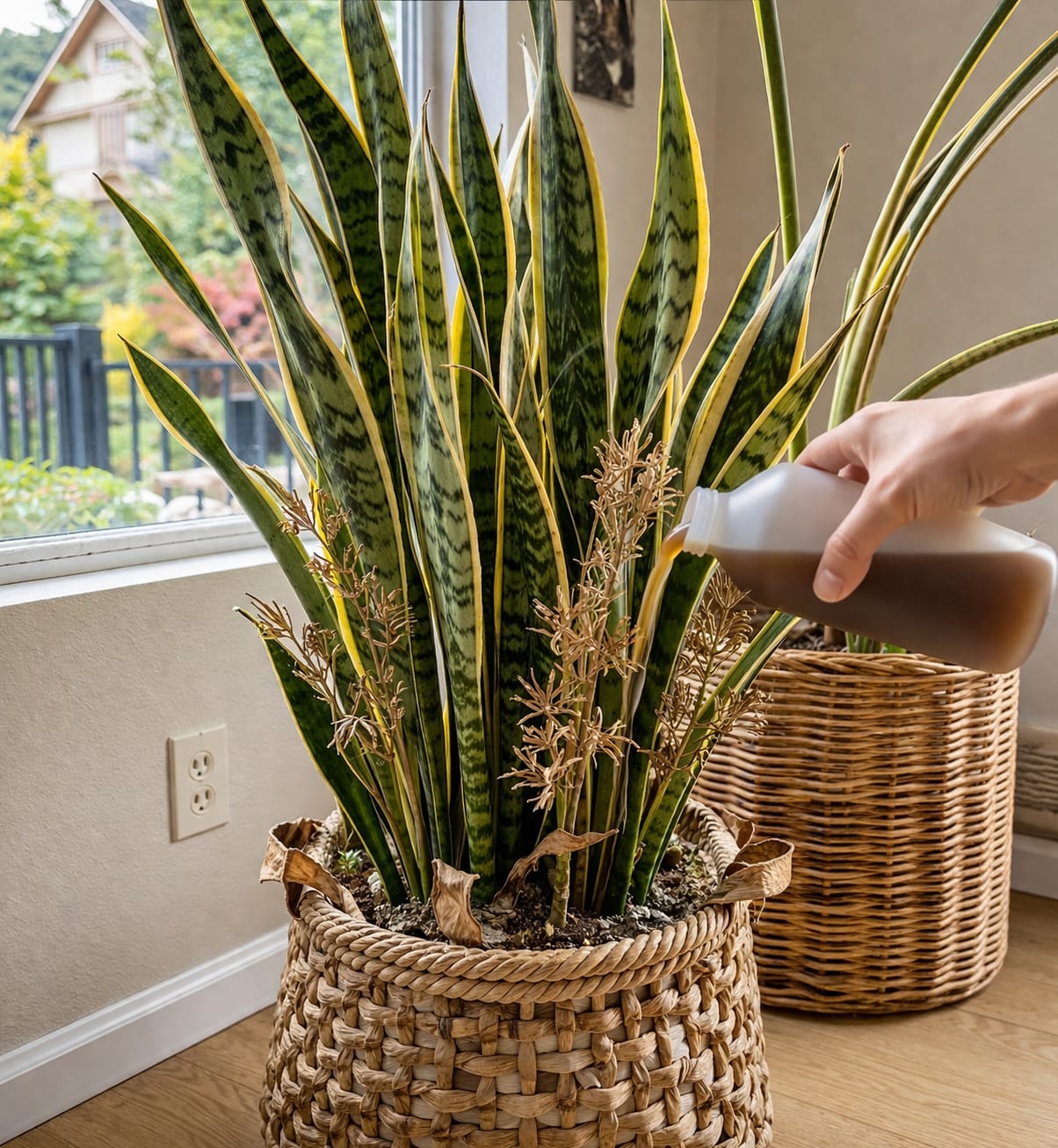
How to Use “The Secret Ingredient” Safely – Step by Step
If you want to try using a mild organic fertilizer to support blooming, follow this safe protocol.
Option 1: Diluted Compost Tea (Best)
Ingredients:
· 1 cup finished compost (or 2 tbsp compost tea concentrate)
· 1 gallon water (chlorine‑free, let tap water sit out overnight)
Instructions:
- Place compost in a cloth bag or old pillowcase.
- Steep in the water for 24–48 hours, stirring occasionally.
- Remove the bag. Dilute the tea further with water until it looks like weak iced tea (light brown).
- Use within 24 hours.
Option 2: Rice Water (Simple)
Ingredients:
· 1 cup uncooked rice
· 2 cups water
Instructions:
- Rinse the rice in the water. Swirl vigorously.
- Strain out the rice. Keep the cloudy white water.
- Dilute with 4 parts fresh water (1 part rice water + 4 parts water).
- Use immediately. Do not store – it ferments and becomes acidic.
Option 3: Weak Synthetic Fertilizer (Most Reliable)
Ingredients:
· Balanced liquid fertilizer (10-10-10)
· Water
Instructions:
- Mix according to label directions, then dilute further to ¼ strength.
- Water your snake plant first (with plain water) to prevent root burn.
- Apply the diluted fertilizer to the soil – not the leaves.
How to Apply
Step Action
1 Water your snake plant with plain water (to saturate the soil).
2 Wait 1 hour.
3 Apply the diluted fertilizer solution in place of a regular watering.
4 Do not fertilize again for 4–6 weeks.
Remember: Less is more. Snake plants are light feeders. Over‑fertilizing can cause brown leaf tips, salt buildup, and root damage.
What to Expect – The Timeline of Snake Plant Blooms
If all conditions align, here’s what you might see:
Timeframe Observation
Late summer – early fall Flower stalk begins to emerge from the center of a leaf cluster. It looks like a thin, green asparagus spear.
2–4 weeks later Stalk grows taller (up to 3 feet). Small buds appear along the stalk.
2–3 weeks later Buds open into creamy white, fragrant flowers, usually in the evening.
2–4 weeks later Flowers fade and drop. The stalk will dry and turn brown.
Note: The stalk will not bloom again. After the flowers fade, you can cut the stalk off at the base.
Common Myths About Snake Plant Blooms – Debunked
Myth Truth
“Adding sugar water makes snake plants bloom” Sugar water feeds harmful bacteria and can cause root rot. Never use.
“You need a special fertilizer” Any mild, balanced fertilizer works. The key is dilution (¼ strength).
“Blooms mean the plant is dying” No – they mean the plant is mature and slightly stressed, but healthy.
“All snake plants bloom” Only mature plants (usually over 3–5 years old) have the energy to bloom.
“Snake plants only bloom outdoors” They can bloom indoors with proper light, watering, and root‑bound stress.
What to Do After Blooming – Post‑Flower Care
After the flowers fade, the plant will return to its normal growth pattern. Here’s how to care for it:
· Cut the stalk: Trim the dry stalk at the base with clean scissors.
· Resume normal watering: No need to keep the plant stressed. Water when the top 2 inches of soil are dry.
· Hold off on fertilizer: Do not fertilize for at least 2 months after blooming. The plant needs a rest.
· Enjoy the memory: It may be years before it blooms again – or it might bloom next season if conditions remain ideal.
Frequently Asked Questions (FAQs)
Q: Can I make my snake plant bloom every year?
Not reliably. Snake plants bloom sporadically indoors. With perfect conditions (bright light, mild stress, root‑bound pot, gentle feeding), you might get blooms every 2–3 years. Some plants never bloom indoors – and that’s okay.
Q: My snake plant is blooming! Is it healthy?
Yes – if the leaves are firm, green, and upright, and the flowers look healthy, your plant is doing well. The bloom is a sign of maturity, not distress.
Q: The flowers smell amazing – why are they fragrant at night?
Snake plant flowers are pollinated by night‑flying insects (like moths) in their native habitat. The night fragrance attracts pollinators. Enjoy the sweet scent!
Q: Should I fertilize while the plant is blooming?
No. Fertilizing during blooming can shorten the flower life or cause bud drop. Fertilize before the bloom stalk appears, then stop until after flowers fade.
Q: Can I use eggshell water or coffee grounds to encourage blooms?
Not recommended. Eggshells break down too slowly to provide immediate calcium. Coffee grounds are acidic and can compact soil. Stick to diluted, balanced fertilizers.
Q: My snake plant has a flower stalk, but the buds are drying up – why?
Bud drop is usually caused by inconsistent watering, low humidity, or moving the plant during bud formation. Keep conditions stable.
Q: How long do snake plant flowers last?
Individual flowers last 1–2 days, but the stalk produces new blooms over 2–4 weeks, so the overall display can last a month.
Final Thoughts – Patience and Consistency Win
There’s no single “magic” ingredient that guarantees snake plant blooms. The viral posts showing a brown liquid being poured are often misleading – they imply that one simple addition will do the trick. In reality, blooming is the result of a combination of factors: bright indirect light, slight drought stress, a root‑bound pot, a stable environment, and gentle, infrequent feeding.
If you provide these conditions and wait patiently, you may be rewarded with one of the most delightful surprises in indoor gardening: a tall, fragrant flower spike emerging from your humble snake plant.
And if you never see a bloom? That’s fine too. Snake plants are beautiful, air‑purifying, and resilient – with or without flowers.
Now it’s your turn! Have you ever had a snake plant bloom indoors? What conditions seemed to trigger it? Drop a comment below – I’d love to hear your experience.
And if you found this guide helpful, share it with a fellow snake plant owner who’s hoping for flowers. Pin it for later, and subscribe to our newsletter for more honest, evidence‑based plant care.
Stay patient, stay consistent, and let nature do its work. 🌿✨
More Recipes You Might Like
-
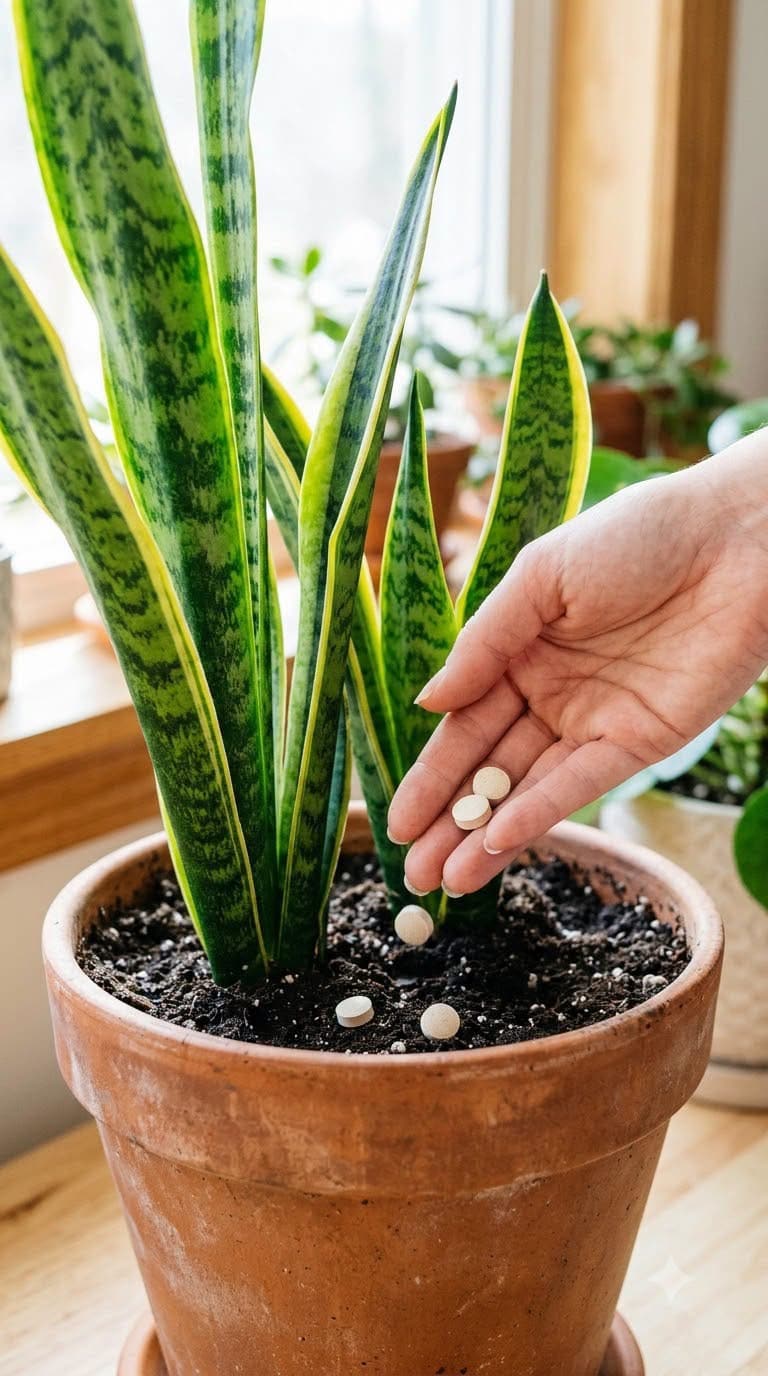
How to Use Slow-Release Fertilizer Tablets for Snake Plants Without Overfeeding
Snake plants are known for being low-maintenance houseplants, but that does not mean they never need nutrients. A small amount of fertilizer during their active growing season can support steady new growth and help leaves keep their deep green color and strong upright form. The image shows small fertilizer tablets being placed on the soil…
-
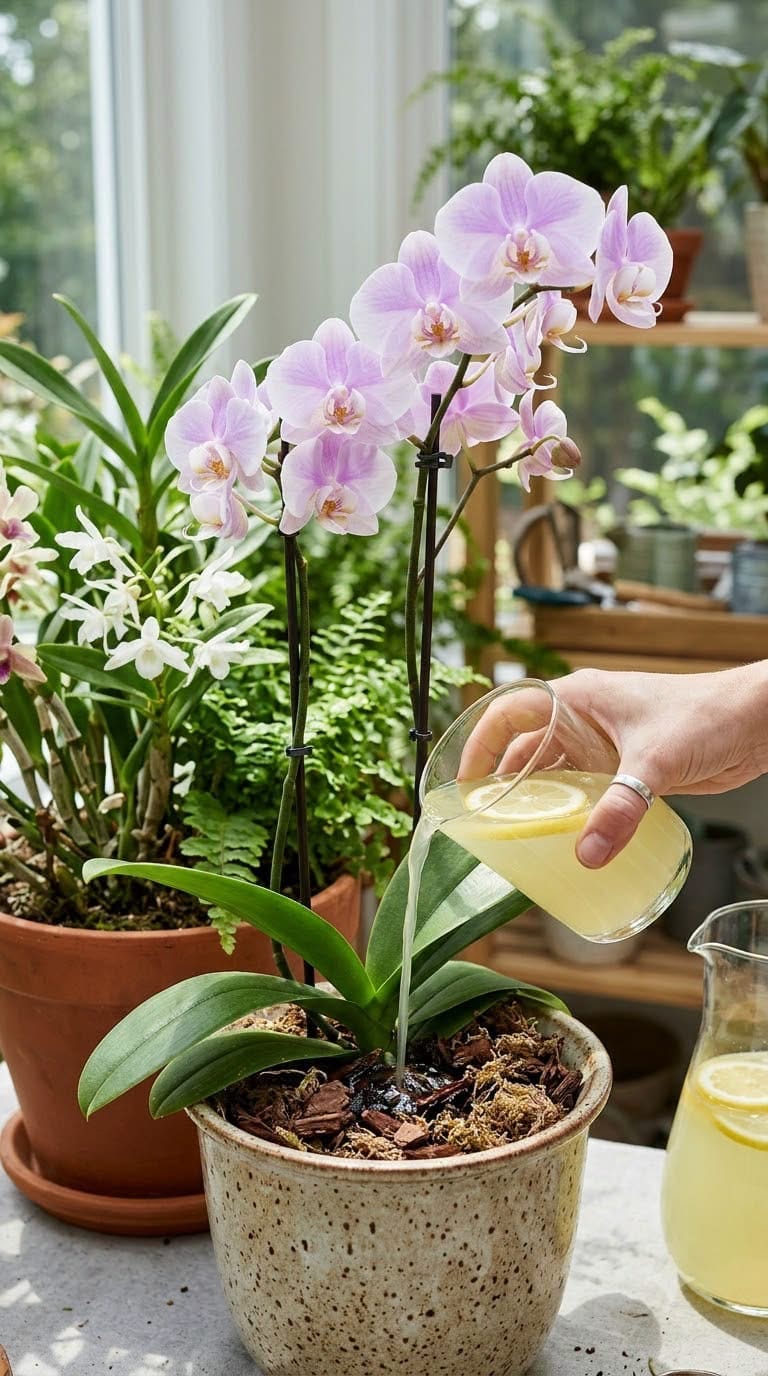
Orchid Care for Healthy Roots, Lasting Blooms, and Beautiful Indoor Displays
Orchids are elegant houseplants that can bring a refined, peaceful look to almost any room. Their long-lasting flowers, glossy leaves, and sculptural stems make them especially beautiful on bright tables, windowsills, kitchen counters, and living-room shelves. A healthy orchid does not need lemon water, sugary drinks, or homemade kitchen mixtures to bloom. Although lemon water…
-
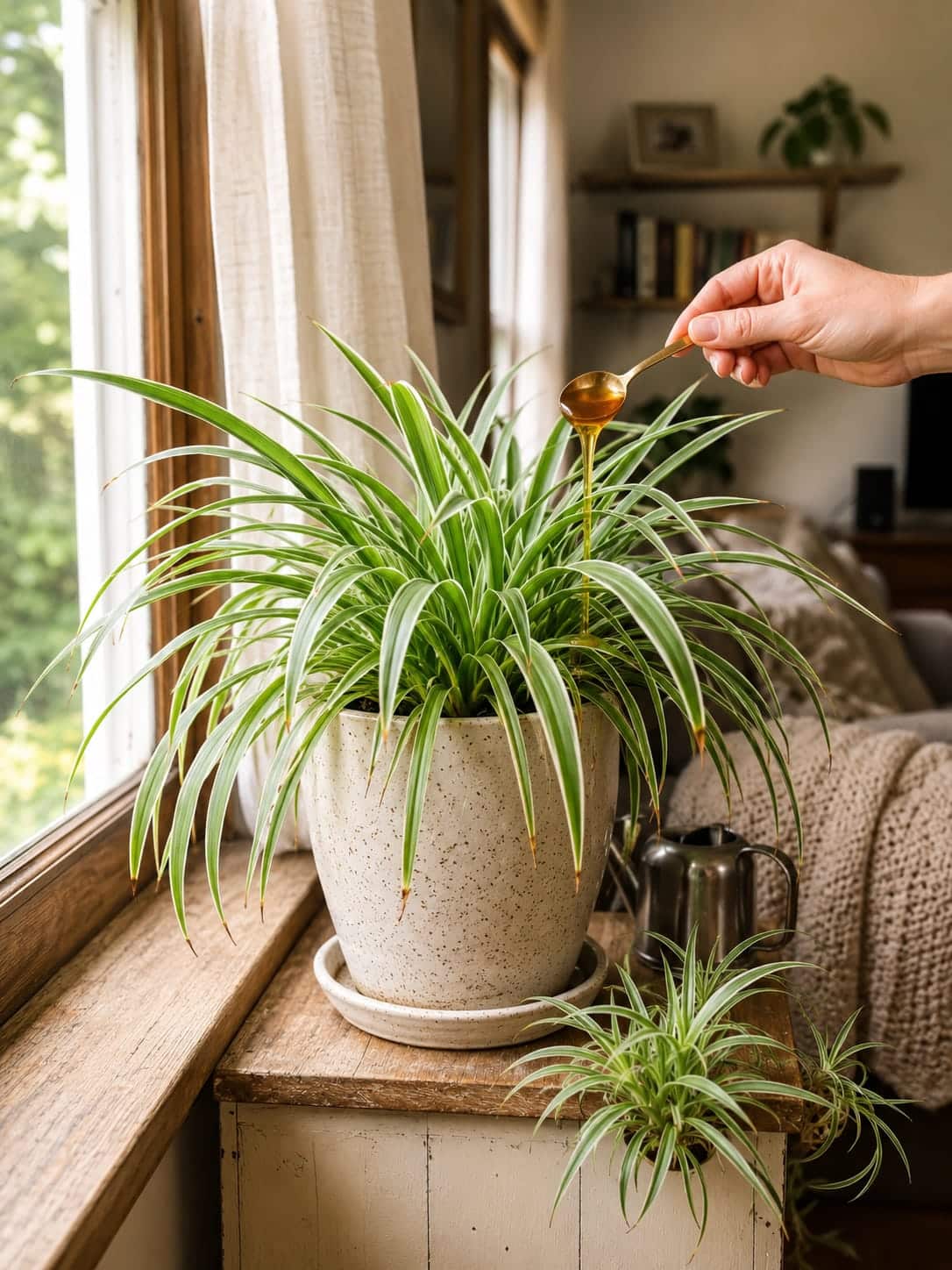
Spider Plant Care: The Safe Way to Grow a Fuller, Healthier Houseplant
Spider plants are loved for their long striped leaves, easy-going nature, and charming baby plants that spill over the sides of the pot. They look beautiful on a bright windowsill, shelf, hanging basket, or small table, and they can quickly make a room feel fresher and more inviting. The image may suggest adding honey to…