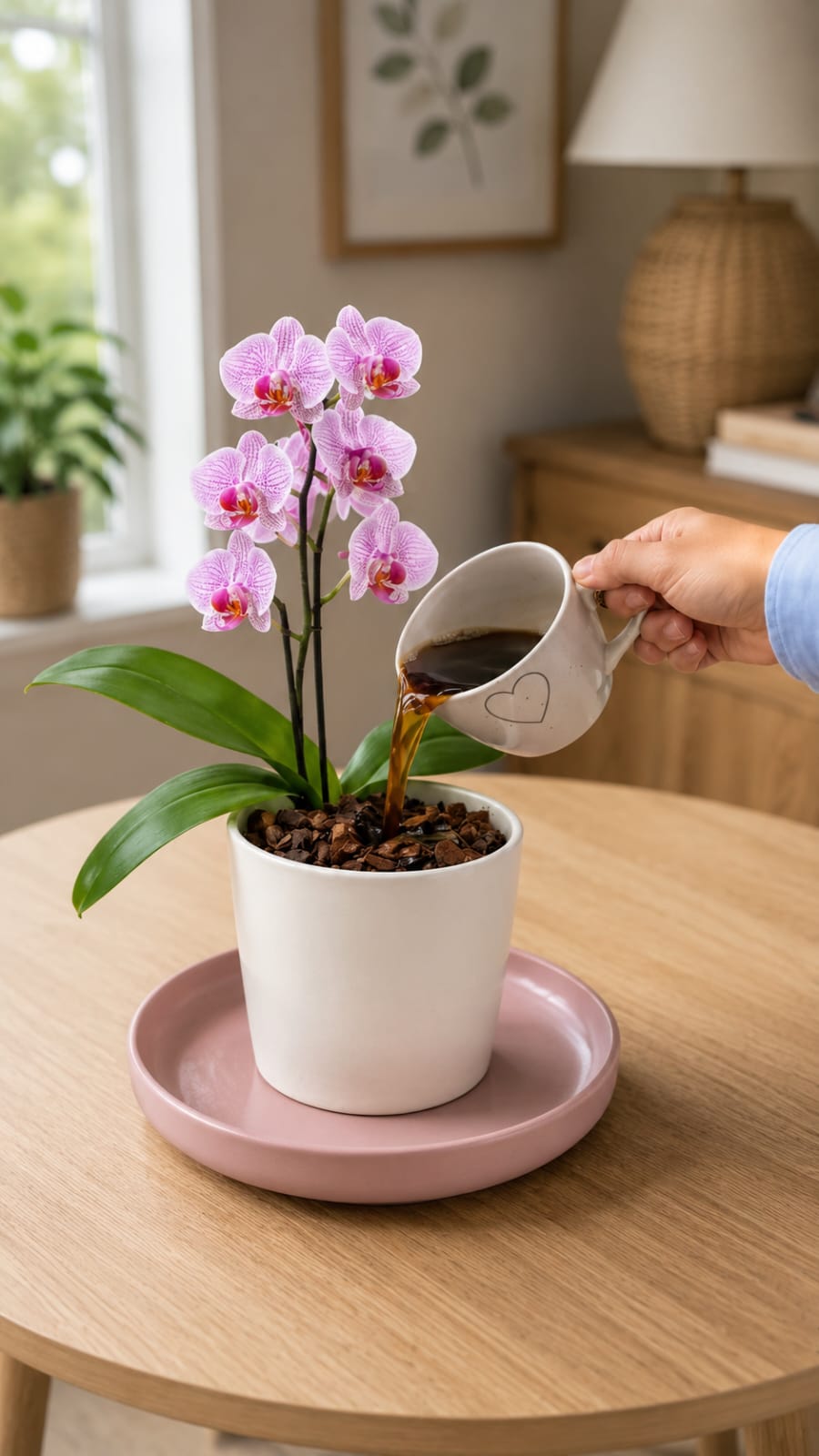
Recognizing Signs of Good Health
A thriving orchid typically displays firm leaves, healthy roots, and steady growth.
New roots often emerge with bright green tips. New leaves appear from the center of the plant. Healthy flower spikes develop gradually and remain upright.
The plant should look balanced and vibrant even when it is not actively blooming.
Strong foliage often predicts future blooming success.
Common Orchid Mistakes
One of the most common mistakes is overwatering. Because orchids are often grown indoors for decoration, owners sometimes water them far more frequently than necessary.
Another mistake involves using ordinary potting soil. Standard soil retains far too much moisture for most orchids.
Some plant owners also place orchids in dark corners, expecting them to bloom continuously despite insufficient light.
Finally, excessive experimentation with household ingredients can create unnecessary stress for the plant.
Simple, consistent care is usually more effective than complicated remedies.
Decorating With Orchids Indoors
Beyond plant health, orchids offer tremendous decorative value. A single flowering orchid can transform the appearance of an entire room.
White ceramic pots create a modern and sophisticated look. Soft pink accents add elegance and warmth. Natural wood surfaces complement the tropical character of orchid blooms.
Orchids pair beautifully with neutral interiors, minimalist kitchens, contemporary living rooms, and cozy reading spaces.
Their flowers bring color without overwhelming the surrounding decor.
Creating an Elegant Kitchen Display
The kitchen is often one of the best places to display orchids because it frequently offers bright filtered light and comfortable indoor temperatures.
A flowering orchid placed on a clean countertop can instantly create a refined appearance. Pairing the plant with simple ceramics, natural textures, and uncluttered surfaces enhances its visual impact.
Regularly wiping dust from leaves helps maintain a polished presentation while allowing the plant to photosynthesize efficiently.
Healthy orchids naturally become living centerpieces.
Encouraging Repeat Blooms
Many people mistakenly discard orchids after flowering ends. In reality, healthy orchids can bloom repeatedly for years.
After blooms fade, continue caring for the plant. Maintain proper watering, lighting, and feeding routines.
Many orchids enter a resting period before producing new spikes. Patience is often rewarded with another spectacular flowering display.
Repeat blooming depends more on overall plant health than on any single treatment.
Final Thoughts
Orchids thrive when their natural needs are respected. While gentle organic rinses can occasionally be part of a broader care routine, they should never replace the fundamentals that truly matter.
Healthy roots, airy bark, proper drainage, bright indirect light, moderate humidity, and careful watering remain the foundation of successful orchid growing.
When these essentials are provided consistently, orchids reward their caretakers with glossy leaves, vigorous growth, and breathtaking blooms that can last for months.
The most successful orchid growers understand that there are no shortcuts. Simple, patient, and attentive care will always outperform miracle ingredients. By focusing on root health and creating the right environment, anyone can enjoy beautiful orchids that continue to thrive and bloom year after year.