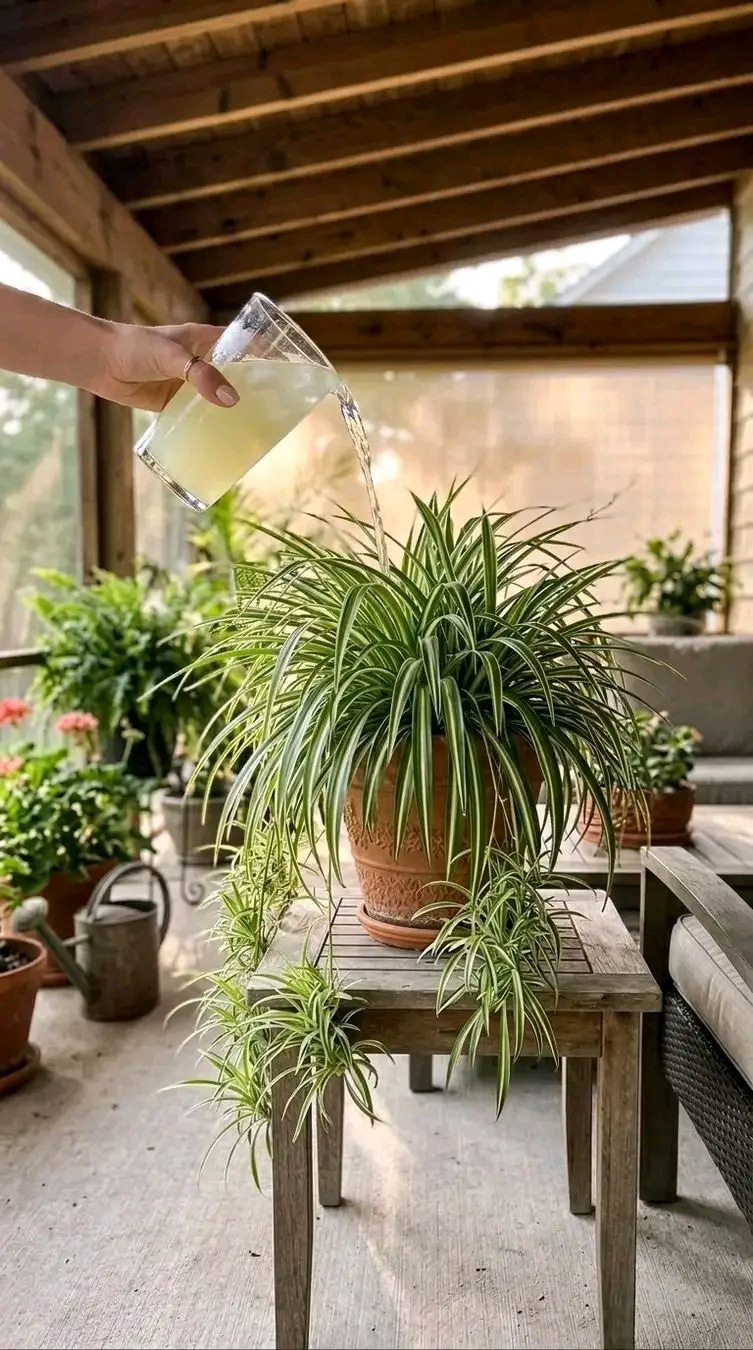
How to Use a Homemade Liquid More Safely
If a homemade liquid is used, it should be mild, fresh, strained, and diluted. It should not contain chunks, pulp, grains, dairy thickness, sugar, oil, or strong odor. It should be used only when the plant already needs water, not on wet soil.
Use a small amount and observe the plant. Do not repeat the treatment often. If the soil smells sour, fungus gnats appear, mold forms, or leaves yellow, stop immediately. Return to plain water and let the soil dry to a normal level.
Never pour homemade liquid directly into the crown of the plant. Apply it to the soil around the root zone. Keep leaves and the center of the plant clean.
When Homemade Liquids Should Be Avoided Completely
Homemade liquids should be avoided if the soil is already wet, the pot has no drainage, fungus gnats are present, the soil smells sour, mold is visible, the plant is yellowing, or the room is cool and dark. These conditions increase the risk of root and soil problems.
They should also be avoided on newly repotted plants, stressed plants, or plants with root rot. A stressed root system needs clean conditions, not extra organic material. Plain water and correct soil are safer.
Do not use milk, sugar water, honey water, salty water, vinegar, lemon juice, oil, spoiled kitchen water, thick rice water, or fermented liquids on spider plants. If the liquid smells like something that should not be in a clean room, it should not be in an indoor plant pot.
What to Do If Too Much Liquid Was Added
If too much homemade liquid was poured into the pot, first check drainage. Let excess liquid drain out completely. Empty the saucer. Do not add more water immediately unless the liquid was sticky, salty, or spoiled and must be flushed from a draining pot.
If the soil begins to smell sour or fungus gnats appear, remove the top layer of soil and replace it with fresh mix. Let the plant dry to a normal level before watering again. Use plain water only until the plant stabilizes.
If the plant declines, repotting may be needed. Remove old contaminated soil, inspect the roots, trim rotten sections, and repot into fresh airy soil. Keep the routine simple afterward.
Cleaning Spider Plant Leaves
Spider plant leaves are long and narrow, so they can collect dust along the stripes. Dust can make the plant look dull and reduce light absorption. Wipe leaves gently when possible or rinse the plant lightly if the pot drains well. Let it dry in bright indirect light afterward.
If homemade liquid splashes onto the leaves, wipe it away. Milk, rice water, or banana liquid can leave residue and attract dust. A clean spider plant should look fresh, bright, and naturally glossy.
Avoid oily leaf shine products. Spider plant leaves do not need coatings. Plain water and gentle cleaning are enough.
Pruning and Grooming for a Fuller Look
Grooming helps a spider plant look fuller and healthier. Remove fully dead leaves from the base. Trim brown tips if needed. Cut away broken, yellow, or weak leaves with clean scissors. This allows the healthy green-and-white growth to stand out.
Do not remove too many healthy leaves at once. The plant needs foliage to produce energy. Groom gradually and keep the overall shape balanced. If runners become too long or tangled, decide whether to keep them for a cascading display or root the babies for new plants.
A clean spider plant often looks better immediately, even before new growth appears. Styling and grooming are part of plant care.
Indoor and Patio Styling Ideas
Spider plants are perfect for relaxed natural styling. They look beautiful in terracotta pots, hanging baskets, speckled ceramic planters, white pots, woven baskets, macrame hangers, and raised plant stands. A covered patio or sunroom can make the leaves cascade beautifully when the plant receives soft light.
Place the plant where its leaves and baby plantlets can hang freely. If the leaves rub against walls, furniture, or curtains, the tips may brown or bend. A raised table, plant stool, or hanging basket gives the plant space to show its shape.
For a premium display, keep the pot clean, remove old plantlets if they become messy, wipe the table, and avoid sour-smelling homemade residues. A clean, full spider plant looks more elegant than a plant with sticky soil and gnats.
Common Mistakes With Spider Plant Liquid Tricks
One common mistake is using homemade liquid too often. Even gentle mixtures can create buildup if repeated constantly. Another mistake is using fermented liquids. A sour smell is not a sign of powerful plant food. It is a warning sign.
A third mistake is pouring liquid into wet soil. This can lead to soggy roots. A fourth mistake is trying to fix low light with fertilizer or homemade tonic. The plant needs brightness first. A fifth mistake is ignoring water quality when brown tips appear.
A sixth mistake is placing a spider plant in a pot without drainage. Even the best care routine can fail when water cannot escape. Simple drainage and good light solve more problems than most hacks.
Better Alternatives for Fuller Spider Plants
If the goal is fuller leaves, move the plant to brighter indirect light and keep watering consistent. If the goal is stronger roots, use fresh airy soil and a draining pot. If the goal is more baby plants, let the plant mature in good light. If the goal is fewer brown tips, review water quality, humidity, fertilizer strength, and sun exposure.
If the plant is pale, it may need more light. If it is drooping, check soil moisture before watering. If it has gnats, reduce damp surface conditions and avoid organic liquids. If the soil smells bad, repot.
These steps solve real problems more safely than unknown pale liquids. Spider plants reward steady, simple care.
Final Thoughts
A light homemade liquid poured over a spider plant may look like a simple secret for fuller leaves and more plantlets, but it should be used carefully. The liquid could be rice water, diluted milk water, banana peel water, compost tea, eggshell water, diluted fertilizer, or another unknown mixture. Some fresh diluted liquids may be tolerated rarely, but spoiled, thick, sugary, milky, or fermented mixtures can sour the soil, attract fungus gnats, leave residue, and stress roots.
The real foundation of spider plant health is bright indirect light, lightly moist but not soggy soil, drainage holes, fresh airy potting mix, clean leaves, stable warmth, gentle feeding during active growth, and regular grooming. If the soil is wet, do not add liquid. If brown tips appear, review water quality and fertilizer strength. If the plant is slow, improve light. If the plant is healthy, keep the routine simple.
With patient care and clean styling, spider plants can remain beautiful indoor plants for living rooms, bedrooms, kitchens, home offices, apartments, covered patios, bright windowsills, hanging baskets, commercial interiors, luxury home staging, and premium plant displays. Full striped leaves, healthy roots, cascading babies, tidy soil, and balanced maintenance will always create a safer and more elegant result than relying on risky homemade liquid shortcuts.