Common Mistakes
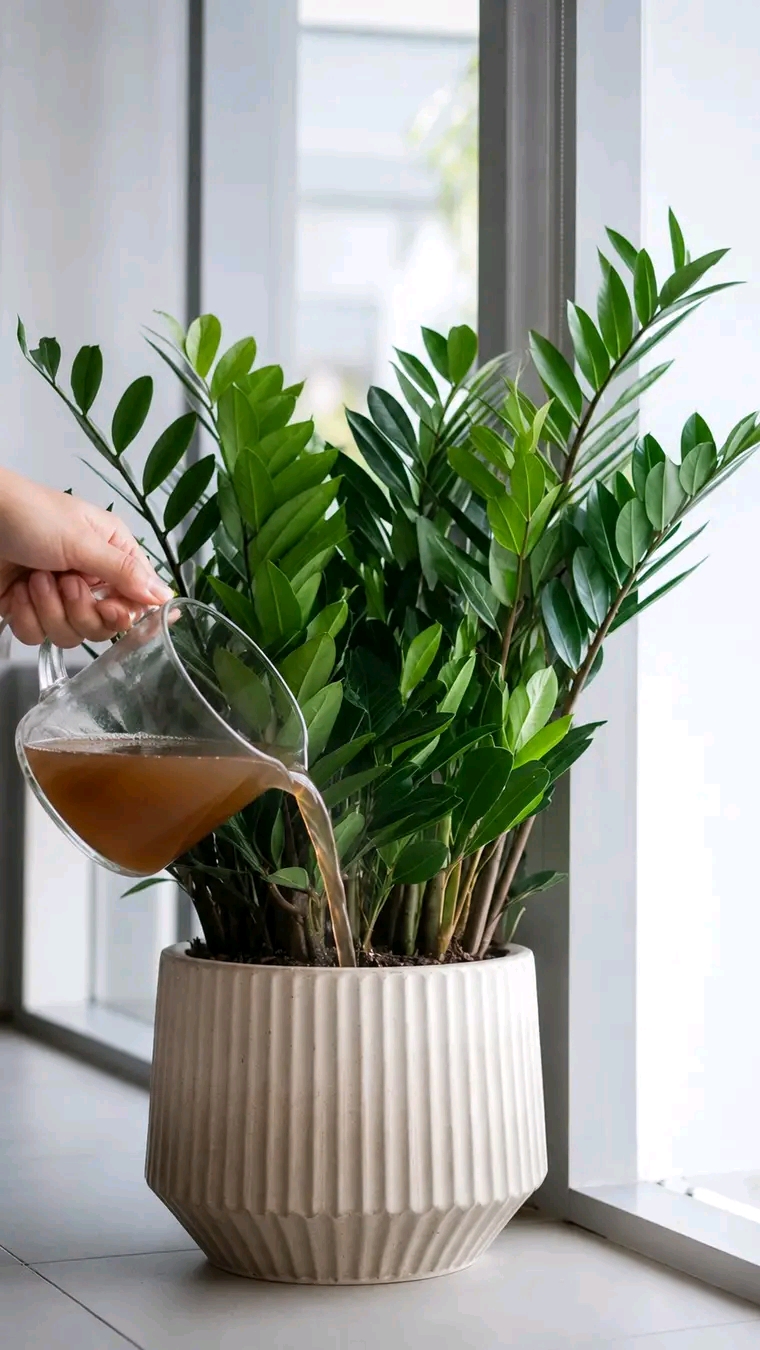
One common mistake is pouring an unknown brown liquid into the pot because it looks natural. Natural does not always mean safe. Rotten, sugary, salty, or fermented liquids can damage roots. Another mistake is using a tonic every week. ZZ plants grow slowly and do not need frequent feeding.
Another mistake is watering a ZZ plant before the soil dries. A liquid tonic should be treated as a watering, not an extra step. If the soil is damp, wait. Moisture control is more important than the tonic itself.
Using the liquid in a sealed decorative pot is also risky. Without drainage, the plant can sit in concentrated liquid at the bottom. This can cause rot, odor, and root damage. Drainage is not optional for safe ZZ plant care.
What to Do If Too Much Liquid Was Added
If too much liquid was added, remove any standing water from the saucer or outer pot immediately. If the pot drains well and the soil is not already soggy, plain room-temperature water can sometimes be used to flush excess fertilizer, but the pot must drain completely afterward. Flushing should not be done in a sealed pot.
If the soil is very wet, smells bad, or the liquid was unknown, repotting may be safer. The plant should be removed from the pot and the rhizomes inspected. Healthy rhizomes are firm. Rotten rhizomes are soft, mushy, dark, or smelly. Damaged sections should be removed with clean tools.
After repotting, the plant should be placed into fresh fast-draining mix and a pot with drainage holes. Watering should be conservative while it recovers. Fertilizer and tonics should be paused until the plant shows stable growth again.
Repotting After Liquid Problems
Repotting may be needed if the soil becomes sour, compacted, moldy, or overloaded with fertilizer. ZZ plants should be handled gently because the rhizomes and roots are important storage structures. The plant can be removed by supporting the base and sliding the root ball out of the pot.
Old wet soil should be removed carefully. The rhizomes should be inspected for firmness. Any rotten parts should be cut away with clean scissors or a sterile blade. The plant should be allowed to settle into fresh dry-friendly mix. The rhizomes should not be buried too deeply or packed into wet soil.
After repotting, do not feed immediately. The plant needs time to recover. Bright indirect light, proper drainage, and patient watering are the best recovery tools. A ZZ plant can bounce back slowly if the healthy rhizomes remain intact.
Cleaning the Leaves
ZZ plant leaves should be kept clean because their natural gloss is one of the main reasons they look so elegant indoors. Dust can dull the surface and reduce the plant’s polished appearance. A soft damp cloth can be used to wipe each leaflet gently. Clean leaves make the plant look fresher and more expensive.
The mysterious liquid should not be poured over the leaves. Fertilizer or organic tonic can leave residue, attract dust, or cause marks. If any liquid splashes on the foliage, it should be wiped away with clean water. The leaves should look naturally shiny, not sticky or coated.
Leaf shine products are usually unnecessary. ZZ plants already have a waxy finish. A clean cloth and correct light are enough. The best indoor plant styling comes from healthy natural gloss, not artificial shine.
How to Encourage New ZZ Plant Growth
New ZZ plant growth comes from healthy rhizomes, bright indirect light, correct watering, and mild feeding during the active season. If the plant has not produced new stems for a long time, it may need more light, a better soil mix, or a slightly warmer location. Growth cannot be forced safely with strong liquid treatments.
A healthy ZZ plant may send up new shoots that look lighter green at first. These shoots harden and darken as they mature. During this stage, stable moisture is helpful, but the plant should still not be overwatered. New growth does not mean the plant suddenly needs constant liquid.
If the plant is root-bound but healthy, repotting into a slightly larger draining pot may support future growth. If the soil is old and compacted, refreshing the mix can help. The best growth hack is improving the root environment.
Indoor Decor Value
ZZ plant has strong indoor decor value because it looks clean, modern, and structured. Its upright stems and glossy leaves create a polished green display that works well in minimalist rooms, luxury apartments, offices, bedrooms, entryways, and commercial interiors. It can look fresh even without flowers.
A ribbed cream ceramic planter gives the plant a refined architectural look. The vertical lines of the planter pair well with the upright stems. The neutral color lets the glossy green leaves stand out. This combination works beautifully with white walls, glass windows, modern flooring, wood furniture, and calm interior styling.
The display depends on clean care. Soil should not smell, leaves should not be dusty, and water should not sit in the pot. A mysterious liquid should never reduce the premium effect. The plant should look naturally healthy and effortless.
Room-by-Room Styling
In the living room, a ZZ plant can stand near a bright window, beside a sofa, in a corner, or next to a console table. Its upright form adds height without looking messy. A ceramic planter can make it feel intentional and high-end.
In the bedroom, ZZ plant creates a calm green accent. It should be watered sparingly and kept odor-free. Homemade tonics should be used carefully because any sour smell or fungus gnats would be unpleasant in a sleeping space. Plain water is often the safest choice.
In a home office, ZZ plant works well because it is professional, clean, and low-maintenance. It can improve a video-call background or brighten a desk area. The plant should receive enough indirect light to stay strong and glossy.
In an entryway, ZZ plant can create a polished first impression. If the entry is dim, the plant may survive, but growth will be slower. Rotating it to brighter light occasionally or using a grow light can help maintain appearance.
Office and Commercial Styling
ZZ plants are excellent for commercial interior landscaping because they tolerate indoor conditions and look structured. They work well in reception areas, meeting rooms, hotel-style interiors, office corners, boutique displays, wellness spaces, and property staging. Their glossy leaves create a clean professional look.
For commercial spaces, mysterious homemade liquids should usually be avoided. A labeled diluted houseplant fertilizer is safer and more predictable. Professional plant care should be consistent, clean, and easy to manage. Unknown tonics can create odor, pests, or inconsistent results.
A premium commercial ZZ display should have firm stems, clean leaves, tidy soil, and no standing water. The care routine should be invisible. The plant should look naturally strong, not overtreated or messy.
Product and Tool Guide
Helpful materials for ZZ plant care include a pot with drainage holes, fast-draining indoor potting mix, perlite, pumice, a narrow-spout watering can, room-temperature water, a soft cloth, clean pruning scissors, and a diluted balanced houseplant fertilizer. A decorative ceramic planter can improve the display when drainage is managed correctly.
If a liquid tonic is used, it should be a clean plant-safe product such as diluted seaweed extract, diluted houseplant fertilizer, or carefully prepared weak compost tea. It should be strained, mild, and fresh. It should never contain sugar, milk, salt, oil, alcohol, or unknown chemicals.
These tools support safe care. ZZ plants do not need complicated tricks. They need drainage, bright indirect light, restrained watering, and clean leaves. Simple care usually produces the best long-term display.
Care Timeline After Using a Liquid Tonic
During the first 24 hours, check that the pot drained fully and no liquid remains in the saucer. Wipe any splashes from the leaves or planter. The plant should stay in bright indirect light. Do not add more water immediately.
During the first week, watch the soil moisture, smell, and leaf condition. If the soil stays wet too long, improve airflow and wait before watering again. If fungus gnats, sour smell, or yellow stems appear, stop using the tonic and inspect the root zone.
After two to four weeks, a healthy ZZ plant should remain firm and glossy. Do not expect instant new stems. After one to two months, better light and mild seasonal feeding may support new growth if the plant is healthy. Long-term success depends on patience and root health.
Professional Styling Note
In high-end indoor horticulture, ZZ plant is valued because it offers glossy foliage, upright structure, and strong visual impact with low maintenance. It fits modern apartments, offices, luxury interiors, hotel-style rooms, commercial plant displays, and polished property presentation. Its clean form makes it one of the best plants for refined indoor styling.
However, the premium look depends on restraint. Overwatering, unknown liquids, fertilizer buildup, yellow stems, or sour soil will reduce the effect. A growth tonic should remain optional, diluted, and invisible. The plant should look naturally healthy, not treated with messy shortcuts.
A beautiful ZZ plant display depends on firm rhizomes, glossy leaves, bright indirect light, fast-draining soil, a pot with drainage, and a watering routine that respects the plant’s dry-tolerant nature. Simple controlled care creates a stronger result than frequent mysterious liquid treatments.
Final Thoughts
A mysterious liquid can support a ZZ plant only when it is clean, plant-safe, diluted, and used with restraint. It should be poured onto the soil only when the plant actually needs water, and the pot should drain completely afterward. Unknown liquids, sweet drinks, fermented mixtures, salty water, dairy, oils, alcohol, or cleaning products should never be used.
The real foundation of ZZ plant care is bright indirect light, fast-draining soil, drainage holes, careful watering, clean leaves, and light feeding only during active growth. A mild tonic can support healthy roots, but it cannot fix soggy soil, low light, root rot, or poor drainage. For ZZ plants, less is often better.
With clean care and the right presentation, ZZ plant can remain a beautiful accent for living rooms, bedrooms, home offices, entryways, modern apartments, commercial interior landscaping, luxury home staging, ribbed ceramic planters, and polished property presentation. Healthy rhizomes, glossy leaves, tidy soil, and controlled watering will always create a stronger display than risky mystery liquids or instant growth hack promises.