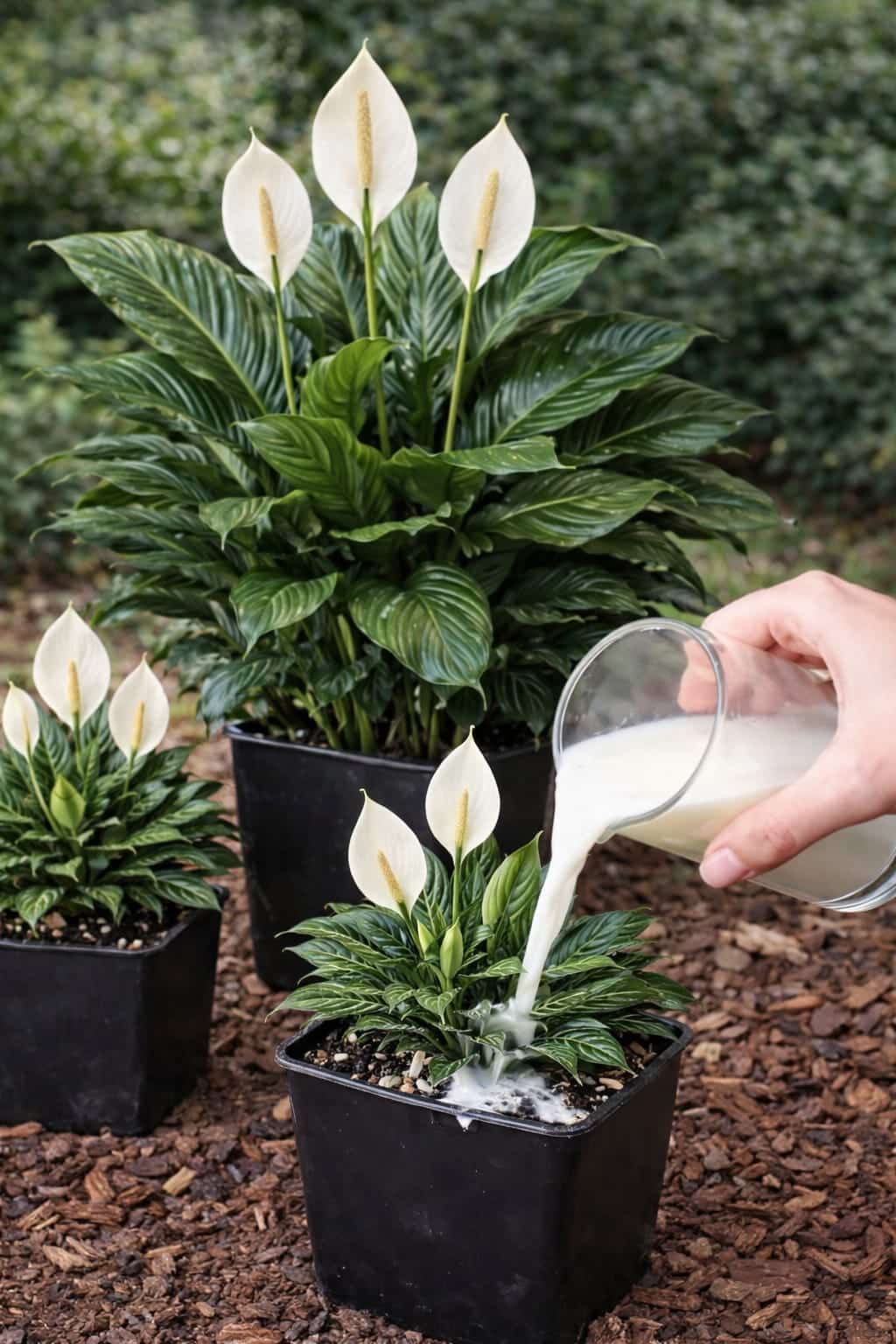
Peace lilies are one of the most elegant houseplants you can grow. Their glossy green leaves and graceful white blooms can make even a simple room feel calm, fresh, and expensive. But if you have ever owned one, you already know the frustration.
Sometimes it stays alive… but it does not truly thrive.
The leaves may look tired. The blooms may be small or infrequent. And no matter what you try, the plant just does not give you that full, lush, flowering look you want.
The good news is that a peace lily can absolutely become fuller, healthier, and much more floriferous. The real secret is not one miracle ingredient. It is giving the plant the right combination of light, watering, feeding, and root health.
And yes, some people use milk as a homemade plant trick. But the truth about that is a little more complicated.
In this guide, you will learn exactly how to transform your peace lily from surviving to thriving — and get those stunning white blooms appearing again and again.
Why Peace Lilies Stop Looking Impressive
A peace lily usually struggles for very clear reasons. It may survive poor conditions for a while, but it will not perform at its best unless its basic needs are being met
The most common reasons a peace lily looks weak or stops blooming are:
· too little bright light
· overwatering or poor drainage
· exhausted soil
· low humidity
· lack of nutrients
· root stress
· old faded blooms not being removed
A lot of people assume peace lilies just need more water. That is only partly true. They like lightly moist soil, but they do not like sitting in soggy roots. That is where many problems begin.
Understanding these root causes is the first step toward a lush, blooming peace lily.
The Truth About Using Milk on Peace Lilies
You have probably seen videos where milk or a white liquid is poured into the pot, followed by a very lush, flowering peace lily. It looks dramatic, but here is the honest answer:
👉 Milk is not a magic bloom booster.
Milk contains some nutrients — calcium, small amounts of protein, and trace minerals. In theory, these could be beneficial. But milk can also create serious problems in potting soil if used too often or too heavily.
Here is what can go wrong when you pour milk into a peace lily pot:
· It can sour and develop a foul smell.
· It can attract fungus gnats, fruit flies, and other pests.
· It can encourage unwanted mold and bacterial growth on the soil surface.
· It can coat the roots and reduce their ability to absorb water and oxygen.
So if your goal is to make your peace lily thrive, milk should never be the main plan.
At most, a very diluted homemade tonic (like one part milk to four parts water) might be used once every few months by some gardeners as an experiment. But the real improvement in blooming always comes from proper plant care — not from pouring kitchen liquids into the pot.
Stick with proven methods. Your peace lily will thank you.
The Biggest Secret: Bright Indirect Light
If you want more flowers, start here.
Peace lilies can survive in lower light, but they bloom much better in bright, indirect light. That is one of the most important differences between a peace lily that merely survives and one that actually thrives.
A Good Spot Is:
· near a bright window (east or north facing is ideal; south or west with a sheer curtain also works)
· out of harsh direct afternoon sun (which can scorch leaves)
· somewhere with steady, filtered light throughout the day
Too Little Light Usually Means:
· fewer blooms or no blooms at all
· slower growth
· weaker, floppier stems
· darker but less active foliage
If your peace lily has not bloomed in a long time — or has never bloomed for you — the light is often the first thing to fix. Move it closer to a window. Within a few weeks, you may see new flower buds forming.
Continue to Page 2
Continue to page 2 for more details about this article and the key points many readers miss on the first page.