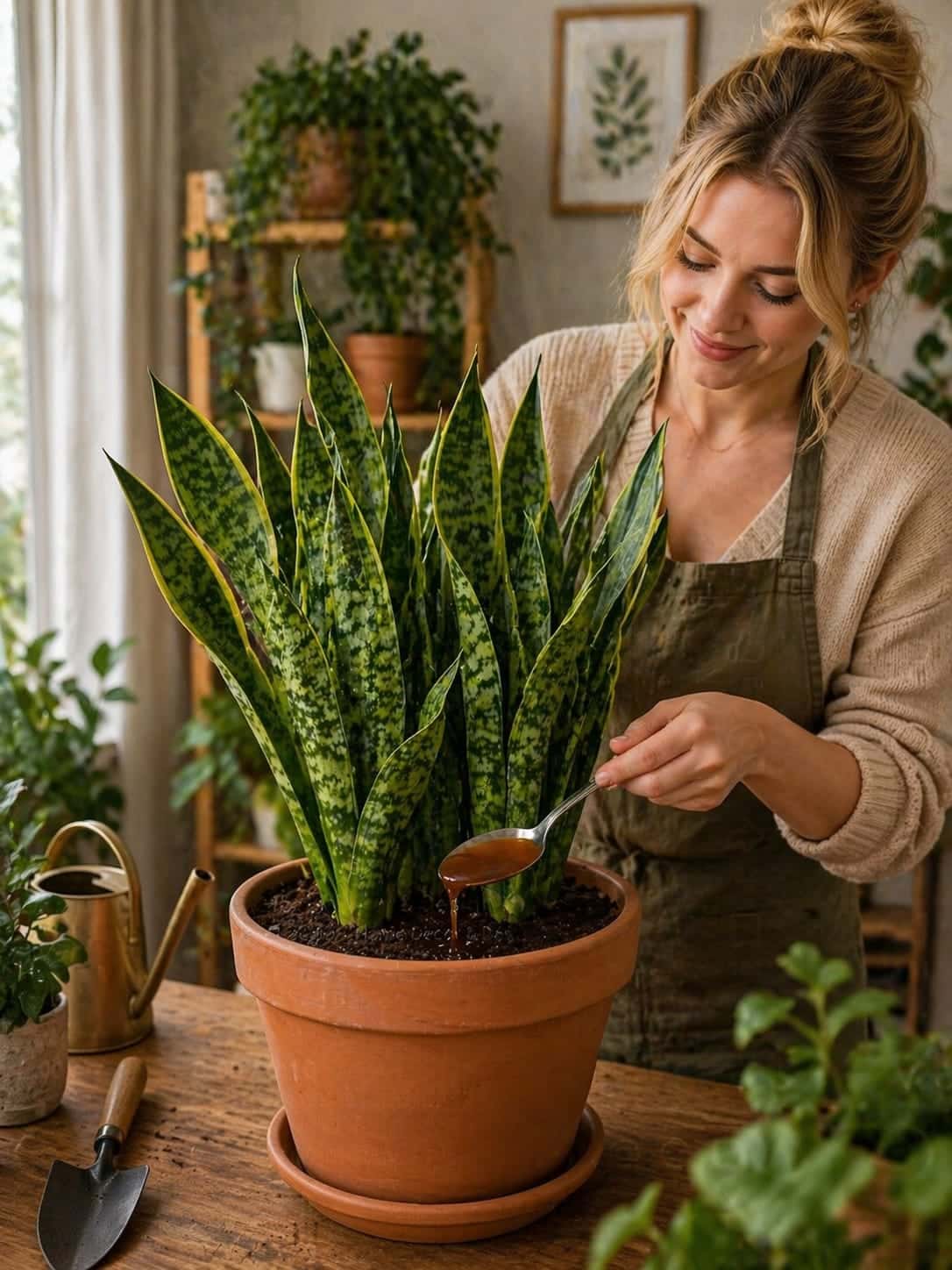
Snake plants are already one of the easiest houseplants to grow, but what makes them even more exciting is their ability to produce “pups” — small baby plants that grow from the roots. These pups can turn one plant into many, creating a fuller look or giving you endless plants to propagate for gifts, home decor, or even to sell.
If you have seen methods online claiming you can “force” your snake plant to produce unlimited babies, the truth is a bit more balanced — but still very achievable. You do not need to buy expensive products or follow risky viral hacks. With the right care, your snake plant will naturally reward you with more pups than you ever expected.
In this guide, you will learn why snake plants produce pups, how to create the perfect environment for them, the simple care adjustments that trigger pup production, and how to separate and repot those babies into brand‑new plants. No magic. Just smart, consistent care.
Why Snake Plants Produce Pups
Snake plants (Dracaena trifasciata, formerly Sansevieria) naturally produce pups as they mature. These baby plants grow from underground rhizomes — thick, horizontal stems that store water and energy. The pups emerge near the base of the main plant, and over time, they grow their own roots and leaves.
A healthy, happy snake plant will produce pups when:
· It has strong roots – A well‑established root system supports new growth.
· It is getting enough light – Bright indirect light provides the energy needed for reproduction.
· It has stable growing conditions – Consistent watering, good soil, and a comfortable pot.
So instead of forcing growth, your goal is to create the environment where pups want to appear naturally. The plant will do the rest.
Keep Your Plant Slightly Root‑Bound (The Snug Pot Trick)
One of the biggest triggers for pup production is a slightly root‑bound plant. When the roots feel a little crowded, the snake plant responds by sending up new shoots (pups) to expand its territory.
How to Apply This:
· Avoid repotting too often – Repot only every 2–3 years, or when the plant is cracking its pot.
· Choose a pot just slightly larger than the root system – A pot that is too spacious encourages root growth, not pups.
· Let the plant feel a bit “tight” – When you see roots circling the pot or peeking out of drainage holes, the plant is ready to pup.
What to Avoid:
· Do not keep the plant severely root‑bound for years – it can stunt growth.
· Use a pot with drainage holes – even snug pots need good drainage.
A slightly snug pot encourages the plant to spread and create new offshoots. This is one of the easiest and most effective ways to trigger pup production.
- Provide Bright, Indirect Light (The #1 Energy Source)
Light is essential for growth and energy. Without enough light, your snake plant may survive, but it will not have the energy to produce pups. More light = more photosynthesis = more energy stored in the rhizomes = more pups.
Ideal Light for Pup Production:
· East‑facing window – Gentle morning sun is perfect.
· South or west window with a sheer curtain – Bright indirect light all day.
· Avoid very dark corners – Low light keeps the plant alive but slows reproduction.
· A few hours of soft direct morning light – Can be beneficial; harsh afternoon sun can scorch leaves.
If your snake plant has never produced pups, moving it to a brighter location is the single most effective change you can make.
Water Less Than You Think (Dry Periods Encourage Pups)
Snake plants are succulents. They store water in their thick leaves and underground rhizomes. Overwatering is the #1 killer of snake plants, and it also stops pup production. Constantly wet soil keeps the plant in a stressed state, focused on survival rather than reproduction.
Watering Rules for More Pups:
· Let soil dry completely between watering – Stick your finger in. If it is dry at least 2 inches down, water.
· Water less in winter – Once a month or even less during the rest period.
· Avoid soggy soil – Use a pot with drainage holes and empty the saucer.
· When in doubt, wait another week – Snake plants are drought‑tolerant.
Slight dryness actually encourages the plant to reproduce. In nature, a mild dry spell signals the plant to produce offspring before conditions become harsher. By letting the soil dry out well between waterings, you are mimicking that natural trigger.
Use Well‑Draining Soil (Healthy Roots = Healthy Pups)
Healthy roots are key to producing babies. If the soil stays wet too long, the roots rot, and the plant cannot produce pups. Fast‑draining soil provides oxygen to the roots and allows the rhizomes to expand freely.
Best Soil for Snake Plant Pups:
· Cactus or succulent potting mix – Ready to use and perfectly formulated.
· DIY mix: 2 parts all‑purpose potting soil + 1 part perlite + 1 part coarse sand.
· Add extra perlite – For even better drainage.
· Make sure the pot has drainage holes – Non‑negotiable.
Roots that can breathe grow faster and stronger. Strong roots produce more pups.
Feed Lightly During Growth Season (But Don’t Overdo It)
A little nutrition helps, but don’t overfeed. Too much fertilizer, especially high‑nitrogen formulas, promotes leaf growth at the expense of roots and pups. Balanced, light feeding supports overall health without pushing excessive foliage.
How to Feed for Pups:
· Use a balanced, water‑soluble fertilizer (10‑10‑10 or 20‑20‑20) diluted to half strength.
· Feed once a month at most – Only during spring and summer.
· Stop fertilizing in colder months – The plant rests in fall and winter.
· Alternatively, use a slow‑release succulent fertilizer – Apply once in early spring.
Overfeeding can stress the plant instead of helping it. If you see brown tips or a white crust on the soil, you are using too much fertilizer. Flush the soil with plain water and reduce feeding.
Be Careful with “Kitchen Hacks” (What to Avoid)
You may see videos showing thick liquids, powders, or homemade mixtures being added to the soil, claiming to force unlimited pups. While they look effective, they are often unnecessary and sometimes harmful.
Snake plants do not need:
· Milk – Can sour, attract pests, and cause mold.
· Sugar water – Feeds bacteria and can attract ants.
· Coffee grounds – Can compact the soil and acidify it.
· Rice water – Mildly beneficial but can ferment and smell.
· Aspirin or vitamins – Not formulated for plants; can harm roots.
In some cases, these kitchen hacks can attract pests, disrupt soil balance, and cause root problems. Stick to simple, plant‑safe care for the best results. The basics — light, soil, water, and a snug pot — are far more reliable than any viral trick.
How to Multiply Your Snake Plant (Step‑by‑Step Propagation)
Once pups appear, you can easily turn them into new plants. Here is how to separate and repot them for unlimited snake plants.
When to Separate a Pup
· Wait until the pup is at least 4–6 inches tall.
· It should have its own roots (at least a few small white roots).
· Do not separate very tiny pups – they may not survive.
Step‑by‑Step Separation
Unpot the mother plant – Gently remove the entire snake plant from its pot. Lay it on a clean surface.
Shake off excess soil – Loosen the soil around the roots and rhizomes.
Locate the pup’s connection – Find where the pup attaches to the mother plant’s rhizome.
Cut with a clean knife or scissors – Sterilize your tool with rubbing alcohol. Make a clean cut, keeping as many roots attached to the pup as possible.
Let the cut dry – Place the pup on a paper towel for 1–2 hours. This allows the cut to callus and prevents rot.
Repot in fresh soil – Use a small pot (4–5 inches) with cactus mix. Plant the pup at the same depth it was growing.
Water lightly – Wait 3–5 days before watering to let the cut fully heal. Then water when the soil is dry.
Aftercare for New Pups
· Place in bright indirect light.
· Water sparingly – treat like a mature snake plant.
· Do not fertilize for 4–6 weeks.
· Be patient – new growth may take a few months.
Now you have a brand‑new snake plant! And the mother plant will often produce even more pups after separation.
Continue to Page 2
Continue to page 2 for more details about this article and the key points many readers miss on the first page.